

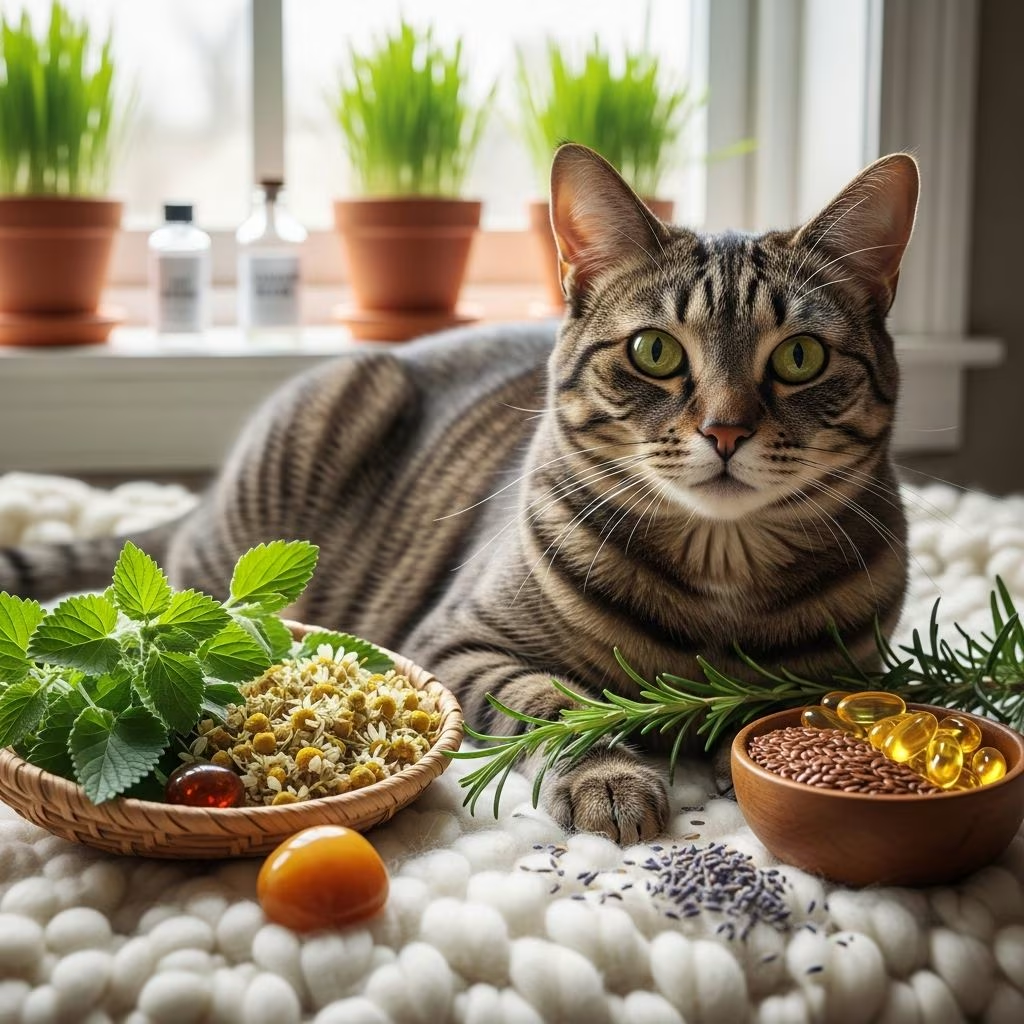
Cat owners often seek gentle ways to address everyday health concerns without relying solely on medications. This guide explores practical, natural approaches to support your feline’s skin, coat, ears, digestion, and parasite control, drawing from veterinary insights and holistic practices. Always consult a veterinarian before trying new remedies to ensure they suit your cat’s specific needs.
Understanding Common Feline Health Challenges
Cats face various issues affecting their comfort and vitality, from itchy skin to digestive blockages. Factors like poor diet, parasites, stress, and limited grooming contribute to these problems. A nutrient-rich diet forms the foundation of prevention, as it strengthens the skin barrier and supports overall immunity. Regular grooming removes loose fur, reducing ingestion that leads to hairballs, while environmental management curbs parasites.
- Dietary imbalances: Low-quality foods lacking essential fatty acids can weaken skin protection.
- Parasite infestations: Fleas and other pests irritate skin and transmit diseases.
- Grooming difficulties: Obesity or age-related mobility issues hinder self-cleaning.
- Stress factors: Changes in routine or environment trigger behavioral and physical symptoms.
Addressing these proactively promotes a healthier, happier cat. Transition to high-quality, grain-free wet foods with real meat sources to avoid fillers that exacerbate issues like dehydration and metabolic problems.
Effective Strategies for Flea and Parasite Control
Fleas spread rapidly in households, causing itching, allergies, and anemia in severe cases. Prevention is key through year-round treatment and home sanitation. Veterinary-recommended topical or oral products target all flea life stages effectively.
For environmental control, vacuum carpets and furniture daily, then dispose of the bag. Wash bedding in hot water weekly. Use vet-approved sprays on non-pet areas. For young kittens unsuitable for chemical treatments, a gentle bath with diluted original Dawn dish soap drowns adult fleas, but repeat as needed since eggs persist.
| Method | Best For | Precautions |
|---|---|---|
| Vet flea products | Adult cats, multi-pet homes | Never use dog formulas—toxic to cats |
| Dawn soap bath | Kittens under treatment age | Rinse thoroughly; monitor for fleas |
| Vacuuming & washing | Home environment | Combine with pet treatment |
Consult your vet for advice on ticks, mites, or worms, as integrated parasite control maintains long-term efficacy.
Promoting Healthy Skin and Coat Naturally
Dry, flaky skin signals nutritional gaps or allergies. High-quality diets rich in omega-3 fatty acids from fish oil restore moisture and reduce inflammation. Supplements like these are palatable for most cats and support barrier function.
Regular brushing distributes natural oils, especially vital for long-haired breeds. For mild dryness, add omega oils to meals after fecal checks rule out parasites. Environmental allergens rarely affect cats, but seasonal sneezing may warrant vet-guided antihistamines like diphenhydramine (avoid if it agitates your cat).
- Feed wet, grain-free foods with quality proteins.
- Supplement with fish oil for omega-3s.
- Brush daily during shedding seasons.
If symptoms persist, deworming and allergy testing may be necessary.
Managing Hairballs and Digestive Wellness
Hairballs form when cats swallow fur during grooming, leading to vomiting or blockages. Frequent brushing, particularly in spring and fall, minimizes this. Lubricants like Laxatone help passage through the gut without constipation.
For prone cats, hairball-control diets with added fiber lubricate the digestive tract. Transition slowly over 7-10 days. Mild diarrhea from stress or diet changes responds to a temporary bland diet of boiled chicken and rice, but limit to a few days due to taurine needs—commercial foods provide this essential nutrient.
Probiotics and pumpkin puree aid regularity. Stress reduction via pheromone diffusers calms the gut-brain axis.
Holistic Therapies for Enhanced Well-Being
Beyond basics, noninvasive options like acupuncture, chiropractic adjustments, and cold laser therapy alleviate pain and boost healing. These suit arthritis, urinary issues, or chronic inflammation. Homeopathic remedies such as Arnica for strains or Arsenicum album for tummy upset offer gentle support under vet guidance.
Herbal supplements and flower essences address allergies or anxiety. Seek holistic vets via AHVMA.org for tailored plans. Daily enrichment—scratching posts, climbing towers, hunting toys—prevents boredom-related issues.
Ear Care and Hygiene Essentials
Ear infections from yeast or mites cause head shaking and odor. Clean gently with vet-approved solutions, massaging the base to loosen debris. Avoid cotton swabs deep in the canal to prevent injury. Natural aids like diluted apple cider vinegar (1:1 with water) soothe mild irritation, but test for sensitivity.
Regular checks during grooming spot problems early. Long-haired cats benefit from plucking excess fur around ears.
Nutrition’s Role in Preventive Care
Optimal health starts with diet. Avoid carb-heavy kibble promoting diabetes and dehydration. Opt for moisture-rich wet foods mimicking prey. Add low-sodium bone broth for hydration. Multiple water fountains encourage drinking.
Unscented, natural litters reduce toxin exposure. Minimal vaccination per vet advice balances immunity without overload.
When to Seek Professional Veterinary Help
Home remedies complement, not replace, professional care. Red flags include persistent vomiting, bloody stools, lethargy, or rapid weight loss. Sudden grooming changes may indicate arthritis or pain. Holistic vets integrate natural and conventional methods for comprehensive care.
Frequently Asked Questions
Can I use essential oils on my cat?
Most are toxic; stick to vet-approved pheromones or consult for safe dilutions.
How often should I brush my cat?
Daily for longhairs, 2-3 times weekly for shorthairs, more during shedding.
Are fish oils safe long-term?
Yes, in moderation; choose cat-specific to avoid excess vitamin A.
What if my cat refuses wet food?
Mix with warm water or toppers; gradual transition helps.
Do hairball remedies work for all cats?
Effective for most, but underlying GI issues need vet evaluation.
References
- The Complete Guide to Holistic Cat Care — PMC – NIH. 2010-11-15. https://pmc.ncbi.nlm.nih.gov/articles/PMC2978998/
- Holistic Treatment for Cats: The Ultimate Beginner’s Guide — Holistic Vet Blend. 2023-01-01. https://holisticvetblend.com/blogs/news/holistic-treatment-for-cats-the-ultimate-beginners-guide-1
- 8 Vet-Approved Home Remedies for Your Cat — PetMD. 2024-05-20. https://www.petmd.com/cat/general-health/vet-approved-home-remedies-cats
- General Cat Care — ASPCA. 2025-01-10. https://www.aspca.org/pet-care/cat-care/general-cat-care
- Home Remedies for Cats — Purina. 2024-08-15. https://www.purina.com/articles/cat/health/skin-fur-ears/home-remedies-for-cats



