

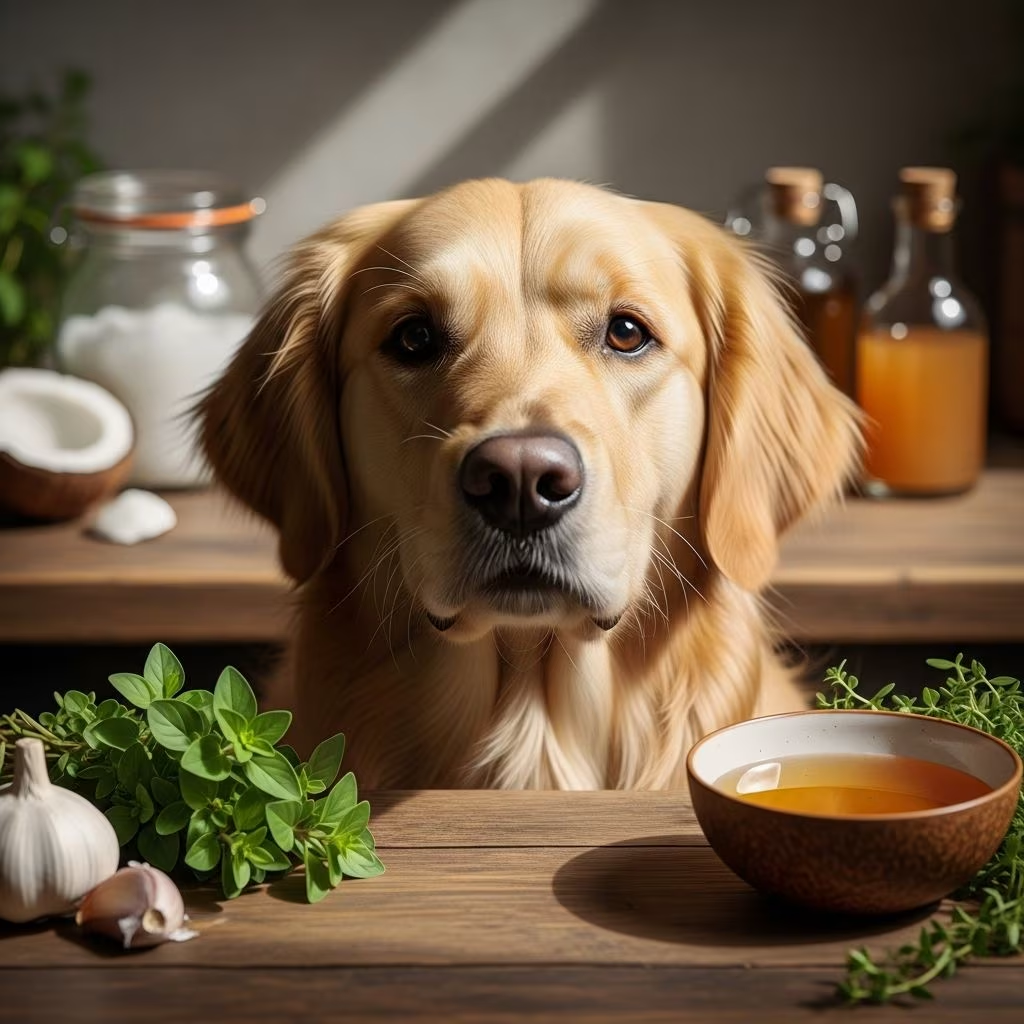
Pet owners increasingly seek alternatives to conventional antibiotics for their dogs due to concerns over resistance and side effects. Natural antibiotics derived from plants and foods offer antimicrobial properties that can support immune function and combat bacterial infections effectively. These remedies, such as essential oils and herbs, provide broad-spectrum protection while preserving beneficial gut bacteria.
Why Consider Natural Alternatives for Your Dog?
Antibiotics save lives but frequent use disrupts the dog’s microbiome, leading to digestive issues and weakened immunity. Natural options target pathogens selectively, reducing resistance risks and supporting overall wellness. They serve best for mild infections, prevention, or as adjuncts to prescribed treatments after veterinary consultation.
Research highlights essential oils outperforming some pharmaceuticals against bacteria like E. coli and Staphylococcus. For instance, studies show certain oils eradicate viable cells completely, with no regrowth. Always prioritize vet guidance to avoid interactions.
Top Plant-Based Antimicrobials for Canine Use
Several botanicals stand out for their potency against dog-specific pathogens. Below, we detail key options with supporting evidence.
Oregano Oil: A Potent Broad-Spectrum Fighter
Oregano oil contains carvacrol and thymol, compounds that dismantle bacterial cell walls. Lab tests confirm it surpasses triple antibiotic strength against resistant strains. Effective for urinary tract infections (UTIs), skin issues, and gastrointestinal upset in dogs.
- Benefits: Kills bacteria, viruses, fungi; supports gut health.
- Dosage: Dilute 1 drop per 10 lbs body weight in carrier oil, orally or topically, 1-2x daily for 7-10 days.
- Caution: Use food-grade; consult aromatherapist for pets.
Manuka Honey: Healing for Wounds and Digestion
Renowned for unique methylglyoxal (MGO), manuka honey inhibits bacterial growth in wounds and oral conditions like gingivitis. Studies affirm its role in accelerating animal wound healing topically. Internally, it soothes GI inflammation without microbiome disruption.
- Benefits: Antibacterial, anti-inflammatory; aids hot spots, ear infections.
- Dosage: 1/4 tsp per 10 lbs daily; apply directly to wounds.
- Caution: Medical-grade UMF 10+; avoid in puppies under 1 year.
Turmeric and Curcumin: Anti-Inflammatory Powerhouse
Curcumin in turmeric disrupts bacterial membranes and halts cell division. A 2015 study demonstrated it eliminating tested bacteria entirely. Ideal for joint issues, skin allergies, and mild infections.
- Benefits: Antimicrobial, reduces swelling; enhances liver detox.
- Dosage: 1/8 tsp per 10 lbs with black pepper and fat for absorption, mixed in food.
- Caution: Start low to prevent stomach upset; not for gallbladder issues.
Other Promising Remedies
| Remedy | Key Compound | Best For | Source Evidence |
|---|---|---|---|
| Thyme Oil | Thymol | UTIs, ear infections | |
| Olive Leaf Extract | Oleuropein | Immune support, viruses | |
| Goldenseal | Berberine | Respiratory, GI infections | |
| Coconut Oil | Caprylic acid | Skin, digestion | |
| Garlic (fresh) | Allicin | Broad antimicrobial |
These options complement each other; combine under vet supervision for synergy.
Safe Administration Guidelines
Dosages must scale by weight and condition severity. Introduce gradually, monitoring for allergies like itching or vomiting. Topical use suits wounds; oral for systemic support.
- Consult vet before starting, especially for pregnant, nursing, or medicated dogs.
- Use organic, high-quality products to avoid contaminants.
- Pair with probiotics to maintain gut balance.
Evidence from Studies: Efficacy Backed by Science
Peer-reviewed research validates these remedies. A study on essential oils found 16 outperforming top antibiotics against pathogens. Another PMC article details cinnamon, manuka, and lemongrass oils combating methicillin-resistant Staphylococci in canine skin infections.
Curcumin’s 2015 trial killed all bacteria tested. Manuka honey’s wound-healing effects are documented in veterinary applications. These findings underscore natural remedies’ potential without resistance buildup.
When to Use Natural vs. Conventional Antibiotics
Reserve naturals for prevention, mild cases (e.g., minor cuts, early UTIs), or post-antibiotic recovery. Severe infections like pneumonia demand prescription drugs. Signs warranting immediate vet care: fever, lethargy, bloody discharge.
Integrate as complementary therapy: e.g., oregano oil with amoxicillin for enhanced efficacy, per vet okay.
Potential Risks and Side Effects
While gentler, overuse causes issues. Essential oils may irritate skin undiluted; garlic in excess risks anemia. Herbs like goldenseal aren’t for long-term use. Drug interactions possible with blood thinners.
Monitor closely; discontinue if adverse reactions occur and seek vet help.
Building Your Dog’s Natural Defenses
Beyond antibiotics, fortify immunity with diet: bone broth, fermented veggies, omega-3s. Regular exercise and stress reduction amplify remedy effects. Preventive protocols using rotated herbs keep pathogens at bay.
Frequently Asked Questions (FAQs)
What are the strongest natural antibiotics for dogs?
Oregano oil, manuka honey, and garlic top lists due to broad antimicrobial action against bacteria, fungi, and viruses.
Can natural antibiotics replace vet-prescribed ones?
No, they complement but don’t substitute for severe cases; always consult your vet.
Are essential oils safe for dogs?
Yes, when diluted and dosed properly by professionals; avoid direct ingestion.
How do I dose turmeric for my dog?
1/8 tsp per 10 lbs daily with pepper; adjust based on tolerance.
What if my dog shows side effects?
Stop immediately, hydrate, and contact vet; reactions are rare but possible.
Holistic Veterinary Approaches
Vets trained in integrative medicine often recommend protocols blending naturals with diagnostics like cultures. Track progress with symptom journals for adjustments.
References
- The Best Natural Antibiotics For Dogs — Dogs Naturally Magazine. 2023. https://www.dogsnaturallymagazine.com/three-natural-antibiotics-for-your-dog/
- Guide to Antibiotics for Dogs — MetLife Pet Insurance. 2024-02-17. https://www.metlifepetinsurance.com/blog/pet-health/antibiotics-for-dogs/
- The Best Natural Antibiotics for Dogs — Boosie Pet Foods. 2024. https://www.boosie.co/en-us/blogs/journal/natural-antibiotic-for-dogs
- The 10 Best Natural Antibiotics For Dogs — The Natural Dog Store. 2023. https://thenaturaldogstore.com/blogs/health/natural-antibiotics-for-dogs
- Pet Viral Infections? What I Use Instead of Antibiotics — YouTube (Veterinary Secrets). 2023. https://www.youtube.com/watch?v=HBVRqxbGh2k
- Use of Essential Oils in Veterinary Medicine to Combat Bacterial and Fungal Infections — PMC (NCBI). 2020-12-04. https://pmc.ncbi.nlm.nih.gov/articles/PMC7712454/
- Natural Antibiotics For Your Dog — WagWalking. 2024. https://wagwalking.com/wellness/natural-antibiotics-for-your-dog



