

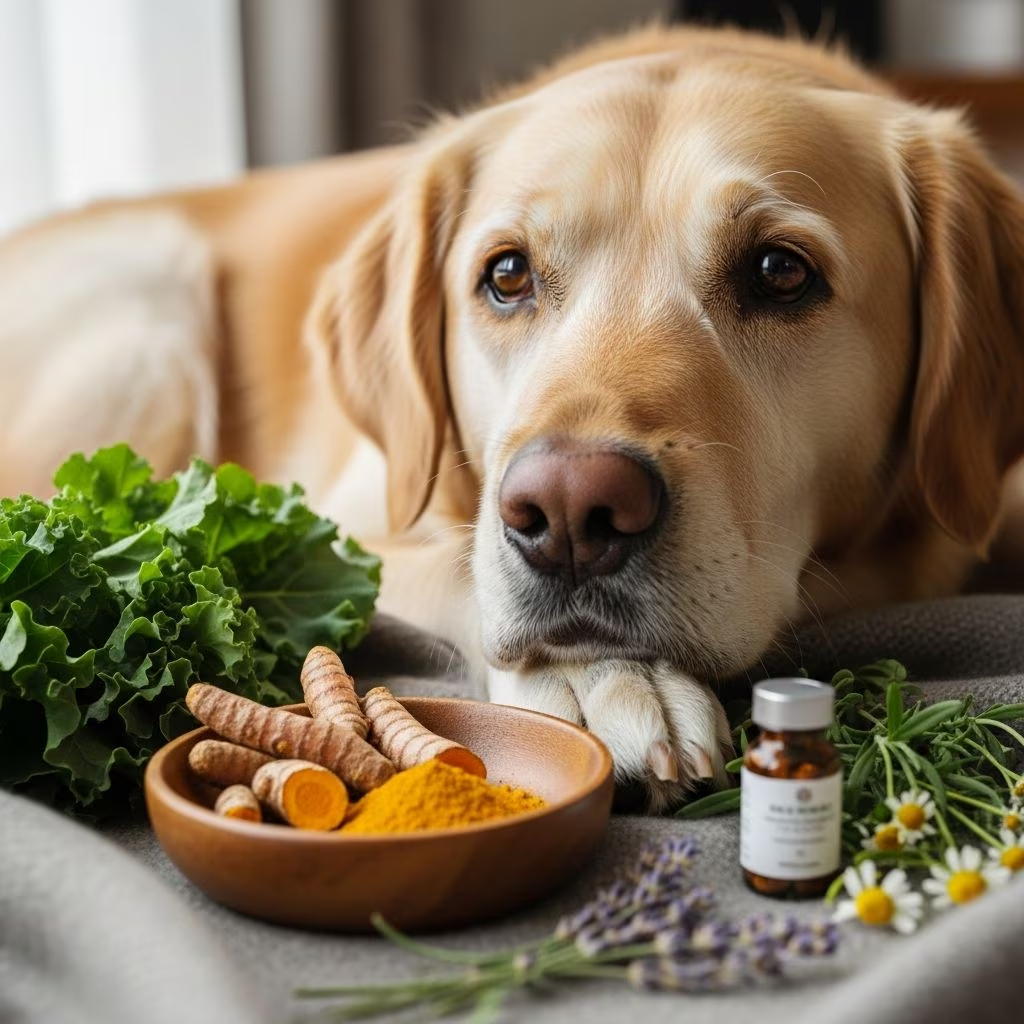
Osteosarcoma represents one of the most aggressive bone cancers affecting dogs, particularly large and giant breeds. While conventional treatments like amputation, chemotherapy, and radiation form the backbone of care, many owners seek natural methods to bolster their pet’s resilience and comfort. This article delves into complementary approaches that can support overall well-being, drawing from veterinary insights to help extend quality time with your companion.
Grasping the Challenge of Osteosarcoma in Dogs
Bone cancer, specifically osteosarcoma, strikes the long bones of dogs, causing intense pain and lameness. It predominantly impacts breeds such as Great Danes, Rottweilers, and Labrador Retrievers, often in middle age or later. The disease spreads rapidly to the lungs, making early detection crucial through X-rays and biopsies. Symptoms include swelling, reluctance to bear weight, and fractures from weakened bones. Without intervention, pain escalates quickly, underscoring the need for multifaceted management.
Standard protocols emphasize removing the tumor via amputation followed by chemotherapy, yielding a median survival of 10-14 months with good quality of life. Yet, not all dogs suit surgery due to age, arthritis, or other conditions. Here, palliative radiation and bisphosphonates offer relief, but owners increasingly turn to natural adjuncts to mitigate side effects and enhance vitality.
Nutrition as a Foundation for Strength
A tailored diet can fortify a dog’s immune system and reduce inflammation, key in battling cancer. Focus on high-quality proteins from fish or eggs, paired with anti-inflammatory fats like omega-3s from fish oil. These elements may slow tumor growth by curbing chronic inflammation.
- Anti-inflammatory Foods: Incorporate wild-caught salmon, sardines, or krill oil to supply EPA and DHA, which studies link to reduced cancer progression in animals.
- Antioxidant-Rich Produce: Berries, leafy greens, and turmeric provide polyphenols and curcumin to combat oxidative stress without overwhelming the system.
- Low-Carb Approach: Cancer cells thrive on glucose; opt for moderate protein, high healthy fats, and minimal grains to potentially starve tumors.
Consult a veterinary nutritionist to customize meals, ensuring caloric needs match activity levels post-treatment. Hydration remains vital, with bone broth offering minerals and collagen for joint support amid pain.
Herbal Allies for Pain and Immune Boost
Certain herbs show promise in veterinary integrative medicine for easing osteosarcoma symptoms. These natural compounds work by modulating immunity, reducing pain, and inhibiting cancer cell proliferation.
| Herb | Potential Benefits | Dog Dosage Guidance |
|---|---|---|
| Turmeric (Curcumin) | Anti-inflammatory; may block cancer pathways | 1/4 tsp per 10 lbs body weight daily, with black pepper for absorption |
| Boswellia | Joint pain relief; tumor growth inhibition | 5-10 mg per lb, split doses |
| Medicinal Mushrooms (Reishi, Turkey Tail) | Immune modulation; anti-metastatic effects | 10-20 mg/kg of beta-glucans daily |
Turkey Tail mushrooms, rich in polysaccharide-K, have been studied for enhancing chemotherapy efficacy while minimizing toxicity. Always source from reputable suppliers tested for purity, as contaminants pose risks. Start low to monitor tolerance, integrating under veterinary supervision to avoid interactions with chemo drugs.
Physical Therapies to Maintain Mobility
Holistic physical interventions preserve muscle tone and alleviate discomfort, crucial when limbs are compromised. Acupuncture, a staple in traditional Chinese veterinary medicine, targets pain points and boosts endorphin release.
- Weekly sessions can reduce reliance on opioids, improving appetite and sleep.
- Massage and hydrotherapy support circulation, countering chemotherapy-induced fatigue.
- Low-impact exercises like controlled walks on soft surfaces prevent atrophy.
These methods shine for dogs ineligible for amputation, complementing palliative radiation that provides weeks of pain-free movement.
Supplements Targeting Bone and Beyond
Strategic supplements address osteosarcoma’s bone-destructive nature. Bisphosphonates like pamidronate, while pharmaceutical, inspire natural analogs such as vitamin D3 and K2 for bone remodeling.
- Omega-3s: 100-150 mg EPA/DHA per kg body weight to dampen inflammation.
- CoQ10: Supports cellular energy, countering chemo fatigue at 1-2 mg/lb daily.
- IP-6 (Inositol Hexaphosphate): May inhibit metastasis by chelating metals cancer cells need.
Probiotics restore gut health disrupted by treatments, fostering nutrient absorption and immunity. A multi-strain formula with prebiotics ensures balance.
Emerging Integrative Frontiers
Veterinary research advances blend natural and novel therapies. Immunotherapies, like tumor vaccines, harness the dog’s immune system post-amputation, showing prolonged survival with mild side effects. ELIAS Cancer Immunotherapy combined with chemo extends life beyond a year for over half of cases.
At institutions like the University of Minnesota, mushroom-derived beta-glucans pair with radiation for non-surgical candidates. These developments signal a shift toward personalized, less invasive care.
Realistic Expectations and Monitoring
Integrate natural aids thoughtfully; they enhance, not replace, vet-led plans. Track progress via pain scales, weight, and bloodwork. Median survival with amputation and chemo hits 12 months, but 20-25% exceed two years. Without surgery, palliation maintains dignity for months.
Regular oncology check-ins adjust protocols. Families report dogs thriving on three legs, chasing balls months post-amputation, underscoring resilience.
Frequently Asked Questions
Can holistic treatments cure osteosarcoma?
No, they support conventional care by managing symptoms and side effects, potentially extending quality life.
Is amputation always necessary?
Not for all; limb-sparing surgery, radiation, or palliation suit some dogs based on location and health.
What diet changes help most?
Anti-inflammatory, low-carb diets rich in omegas and antioxidants promote strength without feeding tumors.
Are herbal supplements safe with chemo?
Many are, but vet approval ensures no interactions; mushrooms often synergize positively.
How soon do natural therapies show effects?
Pain relief from acupuncture or herbs may appear in days to weeks with consistent use.
Building a Supportive Care Plan
Collaborate with integrative vets for a roadmap blending surgery, chemo, and naturals. Home environments matter: orthopedic beds, ramps, and calm routines reduce stress. Emotional bonds aid healing; daily affection reinforces security.
Support groups connect owners, sharing triumphs like dogs enjoying hikes a year post-diagnosis. Costs vary—supplements $50-200/month, acupuncture $100/session—but prioritize based on budget and prognosis.
Ultimately, these strategies empower dogs to live fully amid adversity, honoring their spirit.
References
- Osteosarcoma in Dogs — Cornell University College of Veterinary Medicine. 2023. https://www.vet.cornell.edu/departments-centers-and-institutes/riney-canine-health-center/canine-health-topics/osteosarcoma-dogs
- Osteosarcoma in Dogs: Symptoms & Treatment — VRA Vet. 2022-03-15. https://www.vravet.com/site/blog/2022/03/15/osteosarcoma-in-dogs-symptoms-and-treatment
- Canine Bone Tumors — NC State Veterinary Hospital. 2023. https://hospital.cvm.ncsu.edu/services/small-animals/cancer-oncology/oncology/bone-tumors/
- More Than a Limp: Understanding Osteosarcoma in Dogs — University of Illinois College of Veterinary Medicine. 2023. https://vetmed.illinois.edu/pet-health-columns/osteosarcoma-dogs-clinical-trials-illinois/
- New Immunotherapy Study for Osteosarcoma in Dogs Funded — Morris Animal Foundation. 2023-01-13. https://www.morrisanimalfoundation.org/article/new-immunotherapy-study-for-osteosarcoma-in-dogs-funded
- Considering Treatment Options for Canine Osteosarcoma — dvm360. 2023. https://www.dvm360.com/view/considering-treatment-options-for-canine-osteosarcoma



