

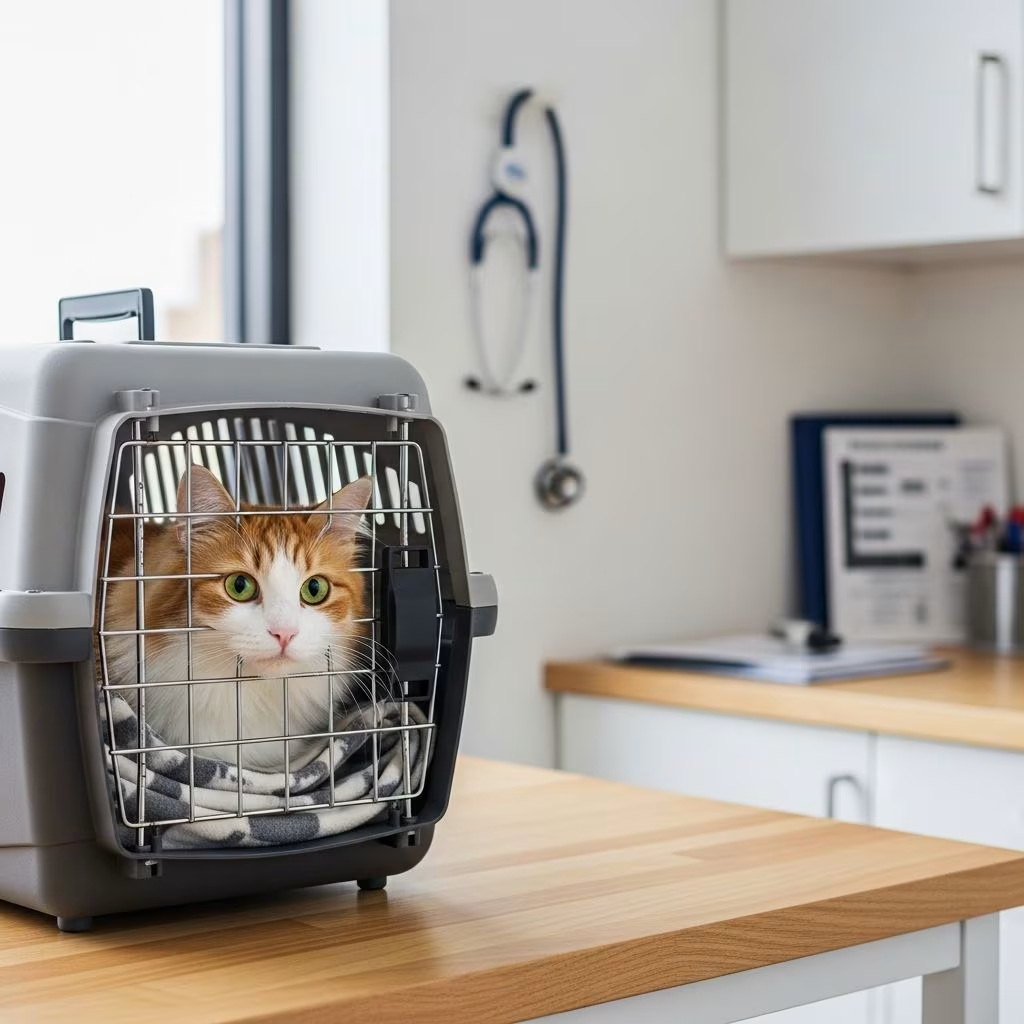
National Take Your Cat to the Vet Day: Why It Matters for Your Feline Friend
National Take Your Cat to the Vet Day is observed annually on August 22, serving as an important reminder for cat owners to prioritize their pets’ health through regular veterinary care. This awareness day encourages routine check-ups and preventive health measures, even when your cat appears perfectly healthy. Unlike dogs, cats are often less likely to receive annual veterinary visits, making this dedicated day crucial for improving feline healthcare across the nation.
What is National Take Your Cat to the Vet Day?
National Take Your Cat to the Vet Day is an awareness campaign designed to highlight the importance of routine veterinary visits for cats. The day addresses a significant gap in pet healthcare: thousands of cats miss essential medical care simply because their owners don’t schedule regular check-ups. This observance aims to change that mindset by educating cat guardians about the vital role preventive care plays in maintaining feline health and longevity.
The campaign challenges common misconceptions about cat care, including the widespread belief that indoor cats don’t need veterinary visits. It promotes more compassionate and informed pet parenting through professional veterinary guidance.
When is National Take Your Cat to the Vet Day?
National Take Your Cat to the Vet Day takes place on Friday, August 22, 2025. While it’s a single-day observance, many veterinary clinics and animal welfare organizations run week-long campaigns or offer special appointment slots to mark the occasion. Some practices provide discounts on wellness exams or educational sessions for cat owners seeking to learn more about feline health needs.
Why Regular Vet Visits Are Essential for Cats
Cats Are Masters at Hiding Pain and Illness
One of the most critical reasons cats need regular veterinary care is their remarkable ability to mask discomfort. Cats have evolved to hide signs of pain and illness as a survival mechanism, meaning that conditions like arthritis, dental disease, kidney problems, and infections often go undetected until they become serious. This natural behavior puts cats at risk if owners rely solely on visible symptoms to determine whether veterinary care is needed.
According to recent data, 83% of cats visit the veterinarian before their first birthday, but over 50% don’t return until they become sick or are in pain. This pattern leaves countless cats without the preventive care they need during their most vulnerable years.
Early Detection of Common Feline Health Conditions
Regular veterinary check-ups are essential for detecting common feline health conditions before they become chronic problems. Early detection and diagnosis are particularly important for conditions such as:
- Diabetes
- Kidney disease
- Thyroid issues
- Various types of cancer
- Dental disease
- Obesity and nutritional concerns
When these conditions are caught early, veterinarians can implement more effective treatment strategies, leading to better outcomes and improved quality of life for your cat.
The Care Gap Between Cats and Dogs
National Take Your Cat to the Vet Day was established to address a significant disparity in veterinary care between cats and dogs. Surveys consistently show that cat owners are less likely to seek veterinary advice unless something is visibly wrong, creating a preventable care gap. According to the PDSA Animal Wellbeing Report, one in four cats in the UK hasn’t seen a vet in over a year—a preventable risk that this awareness day helps to address.
Key Benefits of Regular Veterinary Check-ups
Understanding Your Cat’s Health
Regular vet visits provide comprehensive insights into your cat’s overall well-being. These appointments allow veterinarians to conduct physical examinations and reveal underlying injuries or conditions that might otherwise go unnoticed, ensuring your cat receives appropriate care.
Preventive Care and Vaccinations
Preventive care is always the smarter approach to pet health management. An annual wellness check-up with your veterinarian allows you to review your cat’s health history and ensure they’re on the path to a long, healthy life. Preventative care includes:
- Adjusting diet as your cat ages
- Adding supplements for optimal health
- Receiving proper vaccine boosters
- Making lifestyle changes to address early signs of disease
- Parasite control and flea prevention
Reactive care—treating disease after symptoms appear—can impact your cat’s longevity and quality of life while also being far more costly than preventive measures.
Building a Relationship with Your Veterinarian
Regular visits strengthen the bond between your cat, yourself, and your veterinarian. This partnership ensures better care and understanding of your cat’s unique health needs. A trusting relationship with your vet can make future visits more comfortable for your cat and provide you with peace of mind knowing your pet is in knowledgeable, compassionate hands.
Managing Weight and Nutritional Health
During regular check-ups, your veterinarian can identify weight and nutritional issues, offering guidance on appropriate diet and exercise. Maintaining a healthy weight helps reduce the risk of numerous chronic conditions, including diabetes, heart disease, and arthritis—all of which are significantly more common in overweight cats.
Common Health Issues Detected During Vet Visits
National Take Your Cat to the Vet Day raises awareness about the need for routine vet visits, helping to prevent common health issues such as:
- Dental Disease: One of the most prevalent issues in cats that often goes undetected without professional examination
- Chronic Kidney Disease: A serious condition that benefits greatly from early detection
- Hyperthyroidism: Common in senior cats and manageable with proper treatment
- Diabetes: Preventable through weight management and early intervention
- Heart Disease: Detectable through physical examination and diagnostic testing
How to Prepare for Your Cat’s Vet Visit
Making the Carrier Less Stressful
Many cat owners recognize that cats are notoriously challenging to transport to the veterinarian, hence the National Take Your Cat to the Vet “holiday.” To ease this transition:
- Leave the carrier out several days before the appointment
- Use treats to create positive associations with the carrier
- Practice short car rides before the actual vet appointment
- Keep the environment calm and quiet during transport
Preparing Questions and Health Information
Before your appointment, prepare a list of questions or concerns about your cat’s health. Use the visit to discuss:
- Vaccines and booster schedules
- Flea and tick prevention
- Diet and nutritional needs
- Weight management
- Behavioral changes or concerns
During the Visit
Keep a positive attitude and follow your vet’s guidance throughout the visit. Acting calm will help keep your cat relaxed and make the experience less stressful for everyone involved. Cooperate fully with handling and procedures suggested by your veterinarian to ensure your cat’s safety and accurate diagnosis.
Post-Visit Care
After the visit, reward your cat with treats and praise to reinforce positive associations with veterinary care. Follow any necessary aftercare instructions from your vet, which may include:
- Administering prescribed medications
- Monitoring for changes in behavior or diet
- Adjusting lifestyle routines as needed
- Scheduling follow-up appointments
Ways to Support Cat Health Beyond Vet Visits
While regular veterinary care is essential, there are many other ways to ensure your cat’s health and well-being:
- Feed a high-quality diet that meets your cat’s nutritional needs
- Provide plenty of clean water daily
- Schedule regular playtime for physical and mental stimulation
- Keep up with parasite prevention protocols
- Maintain regular grooming habits
- Perform daily health checks to monitor for changes
- Create an enriched indoor environment
- Monitor weight and body condition
The History of National Take Your Cat to the Vet Day
National Take Your Cat to the Vet Day began in the United States but has since gained international attention, particularly in the UK where pet ownership is high and veterinary care continues to evolve. The observance was established to close the care gap between cats and dogs, addressing the consistent finding that cat owners are less likely to seek veterinary advice unless something is visibly wrong.
Over time, the day has become a collaborative effort among veterinarians, animal charities, and cat-focused organizations like Cats Protection and International Cat Care, who use it to educate and empower cat guardians everywhere.
How to Celebrate National Take Your Cat to the Vet Day
Schedule a Check-Up
The most direct way to celebrate is to schedule a routine wellness exam with your local veterinarian. Even a quick visit can catch early signs of illness and ensure your cat is on the right track health-wise.
Spread the Word
Share reminders about National Take Your Cat to the Vet Day online, especially if you’re part of a cat-loving community or pet owner group. Help educate other cat owners about the importance of preventive veterinary care.
Support Others
Help elderly neighbors or individuals with mobility issues get their cats to the veterinarian. This simple act of kindness ensures that vulnerable populations can access necessary pet healthcare.
Frequently Asked Questions
Q: How often should my cat visit the veterinarian?
A: It is important that your cat visits the veterinary practice yearly for a check-up, and even more often for senior cats (typically every six months for cats over seven years old).
Q: Why do cats hide their illness?
A: Cats have evolved to hide signs of pain and illness as a survival mechanism. This natural behavior makes it difficult for owners to detect health problems without professional veterinary examination.
Q: What is included in a routine cat wellness check-up?
A: A wellness check typically includes physical examination, review of health history, vaccinations if needed, parasite screening, weight assessment, and discussion of diet and behavioral changes.
Q: Are indoor cats less likely to need vet visits?
A: No. This is a common myth. Indoor cats need regular veterinary visits just as much as outdoor cats to monitor for common health conditions like kidney disease, diabetes, and dental disease.
Q: How can I make vet visits less stressful for my cat?
A: Leave the carrier out in advance, use treats to create positive associations, keep the environment calm, maintain a positive attitude during visits, and reward your cat afterward with praise and treats.
Q: What health conditions are most commonly missed in cats?
A: Dental disease, kidney disease, thyroid problems, diabetes, and heart disease are among the most common conditions that go undetected without regular veterinary care.
References
- National Take Your Cat to the Vet Day 2025 — Awareness Days. 2025. https://www.awarenessdays.com/awareness-days-calendar/national-take-your-cat-to-the-vet-day/
- National Take Your Cat to the Vet Day: 5 Reasons to Not Skip a Vet Visit — Hale Ola Veterinary. 2025. https://www.haleolavet.com/services/cats/blog/national-take-your-cat-vet-day-5-reasons-not-skip-vet-visit
- National Take Your Cat to the Vet Day — PetPlace. 2025. https://www.petplace.com/article/cats/pet-health/national-take-your-cat-to-the-vet-day
- National Take Your Cat to the Vet Day — Cat Friendly Homes. 2025. https://catfriendly.com/keep-your-cat-healthy/cat2vetday/
- National Take Your Cat to the Vet Day — Media Matchmaker. 2025. https://www.media-matchmaker.com/awareness-days/national-take-your-cat-to-the-vet-day



