

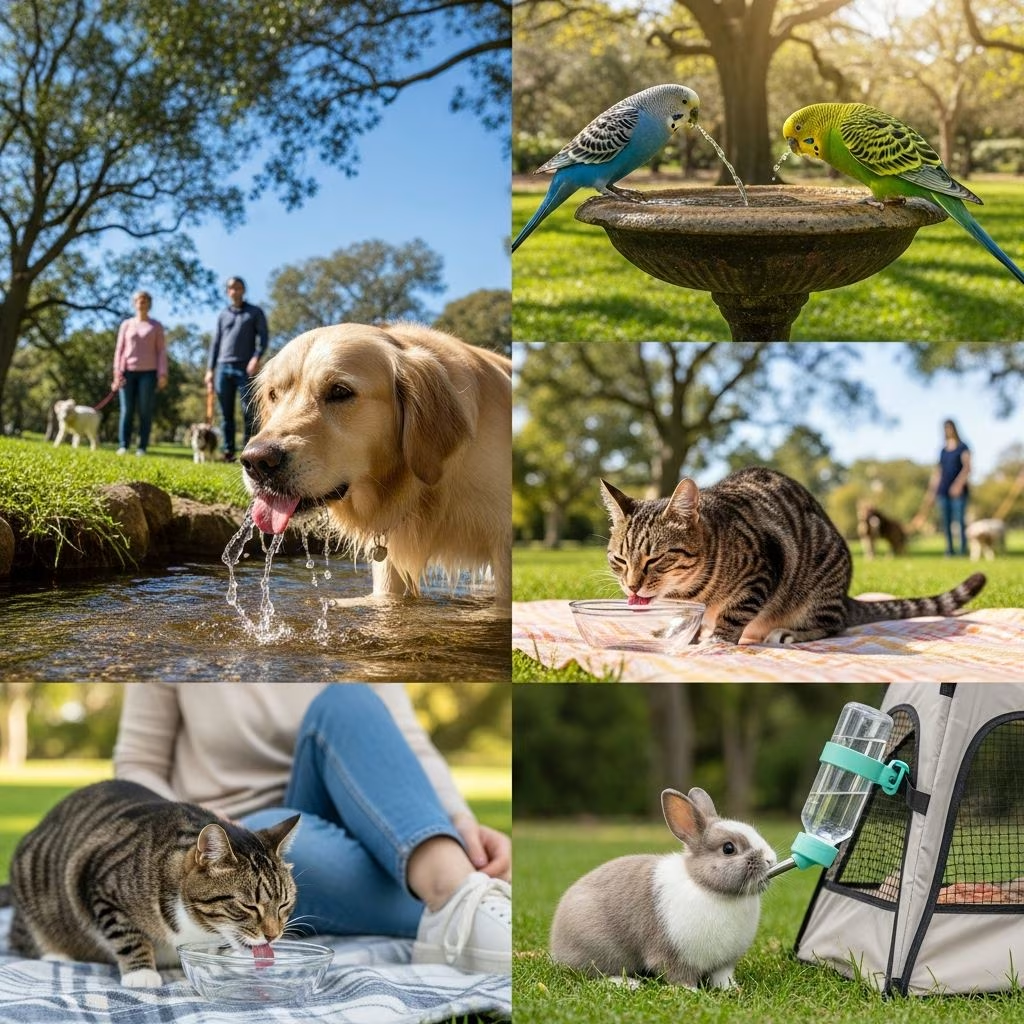
Water is the essence of life, and for our pets, it’s no different. **National Pet Hydration Awareness Month** shines a spotlight on the critical role hydration plays in maintaining your cat’s or dog’s health. Pets, particularly cats with their desert ancestry, often have a low thirst drive, making conscious hydration efforts essential. Dehydration can lead to serious issues like urinary tract problems, kidney disease, and lethargy. This comprehensive guide covers why hydration matters, daily water needs, signs of trouble, and actionable tips to ensure your pets stay quenched.
What Is National Pet Hydration Awareness Month?
Observed annually, National Pet Hydration Awareness Month educates pet owners on the importance of water intake for preventing chronic health issues. Cats and dogs derive much of their hydration from food in the wild—prey is 70-75% moisture—but commercial dry foods only provide 6-10%, leading to widespread low-grade dehydration. Awareness campaigns, supported by veterinary experts, promote strategies like wet food feeding and innovative water sources to mimic natural intake.
Founded to combat rising cases of urinary and kidney diseases linked to poor hydration, this month reminds us that 60-70% of a pet’s body is water. Without adequate intake, organs strain, immunity drops, and lifespan shortens. Veterinary bodies like Cornell Feline Health Center emphasize monitoring intake closely.
Why Is Hydration Important for Pets?
Hydration supports every bodily function: temperature regulation, digestion, nutrient transport, and waste elimination. For cats, poor hydration concentrates urine, promoting crystals and stones—struvite and calcium oxalate—that cause painful blockages. Studies show high-moisture diets produce dilute urine with lower supersaturation of these crystals, reducing recurrence of urinary tract disease.
Dogs face similar risks, including heatstroke and organ failure. Chronic dehydration from dry kibble diets fails to meet biological needs, as cats rarely compensate by drinking more. A Waltham Centre trial confirmed cats on wet diets (73% moisture) had greater total fluid intake and healthier urine profiles than dry-fed counterparts.
- Key Benefits: Flushes toxins, lubricates joints, maintains skin/coat health, boosts energy.
- Risks of Neglect: Kidney strain, UTIs, constipation, cognitive decline in seniors.
How Much Water Does Your Cat Need?
Cats require precise daily water based on weight and diet. General guideline: **3.5-4.5 ounces per 5 pounds of body weight**, including food moisture. An average 10-pound cat needs about 8 ounces (1 cup) daily. Wet food cats drink less as canned food is 70-80% water.
| Cat Size/Weight | Daily Water Needs |
|---|---|
| Kitten (3-6 lbs) | 5-5.5 oz |
| 6-month kitten (6 lbs / 2.7kg) | 135ml (~4.5 oz) |
| Medium cat (8-9 lbs / 4kg) | 6-7 oz / 200ml |
| Large cat (13 lbs / 6kg) | 8-10 oz / 300ml |
Adjust for activity, weather, and health—seniors or ill cats need more. Track by measuring bowl levels daily; sudden changes signal issues like diabetes or hyperthyroidism.
How Much Water Does Your Dog Need?
Dogs need 1 ounce per pound of body weight daily, roughly 1/2-1 cup per 10 pounds. Active or hot-climate dogs require up to twice that. Puppies and lactating females demand more. Like cats, wet food contributes significantly—factor it in to avoid overestimation.
| Dog Size | Daily Water (oz) |
|---|---|
| Small (10 lbs) | 10-12 |
| Medium (30 lbs) | 30-40 |
| Large (70 lbs) | 70-100 |
Source: Extrapolated from veterinary standards similar to feline guidelines, emphasizing body weight proportionality.
Signs of Dehydration in Cats and Dogs
Early detection prevents escalation. Common signs include:
- Sunken eyes, dry gums (tacky, not slick).
- Skin tenting: Pinch scruff; it stays peaked >2 seconds.
- Lethargy, loss of appetite, panting.
- Pale gums, poor grooming, increased thirst.
55.5% of owners miss increased thirst as a red flag; 65% never discuss hydration with vets. Severe cases show collapse or shock—rush to a vet for fluids. Lab studies link low intake to higher urine specific gravity (USG), risking crystals.
Why Don’t Cats Drink Enough Water?
Cats’ tongues scoop tiny amounts per lap—mere 3/100 teaspoon—making still water unappealing. Evolutionary low thirst drive from moisture-rich prey persists. Dry bowls near food deter drinking; 73% of owners place bowls in kitchens, 58% near food. Boredom or dirty water exacerbates this.
Surveys reveal 60% drink from bowls/fountains, but many sources like toilets pose risks.
Tips to Encourage Your Cat to Drink More Water
Boost intake with these vet-backed strategies:
- Switch to Wet Food: Provides 70-80% moisture, mimicking prey; best for urinary health.
- Water Fountains: Circulating (C) or free-falling (FF) bowls increase intake; some cats prefer FF (38ml/kg/day vs. 27ml/kg).
- Multiple Stations: Place fresh bowls in quiet spots, away from food/litter.
- Flavor Boost: Add tuna water or broth (low-sodium).
- Room-Temp Water: Avoid cold; refresh twice daily.
Studies show no overall intake difference by bowl type, but individuals prefer dynamics.
Pet-Safe Ways to Beat the Heat
Summer spikes needs 20-50%. Provide shaded bowls, ice cubes, or frozen treats. Walk dogs early mornings/evenings; never leave in cars. For cats, damp towels and fans help. Monitor for heat exhaustion: rapid breathing, drooling.
DIY Hydrating Pet Treats and Meals
Homemade options pack hydration:
- Chicken Broth Pops: Freeze low-sodium broth in ice trays.
- Tuna Ice Cubes: Mix water with tuna juice.
- Watermelon Bites: Seedless chunks (dogs/cats love 92% water content).
- Rehydrate Kibble: Soak dry food in warm water 10 mins.
Ensure balance; consult vets for recipes to avoid nutritional gaps.
Frequently Asked Questions (FAQs)
What happens if my cat doesn’t drink enough water?
Dehydration leads to concentrated urine, crystals, UTIs, and kidney damage. Chronic cases shorten life; intervene early.
How long can cats go without water?
3-4 days max, but signs appear in 24 hours. Offer immediately if refused.
Do wet food cats still need to drink?
Yes, but less; aim for total intake guideline. They often drink for pleasure.
Is tap water safe for pets?
Generally yes; filter if hard water causes issues. Avoid flavored/mineral extremes.
Why does my cat prefer running water?
Freshness instinct; fountains satisfy this, boosting intake up to 40%.
Final Thoughts
National Pet Hydration Awareness Month is your call to action: measure intake, upgrade bowls, prioritize wet food. Healthy hydration prevents costly vet bills and ensures vibrant pets. Your vigilance today secures their tomorrows—cheers to wet whiskers and wagging tails!
References
- How Much Water Does a Cat Need per Day? Vet-Approved — Catster. 2023. https://www.catster.com/cat-health-care/how-much-water-does-a-cat-need-per-day/
- How much water should cats drink? — Cats Protection. 2023. https://www.cats.org.uk/cats-blog/how-much-water-should-cats-drink
- Hydration — Cornell University College of Veterinary Medicine. 2024. https://www.vet.cornell.edu/departments-centers-and-institutes/cornell-feline-health-center/health-information/feline-health-topics/hydration
- Cat Hydration: Why Water is a Key Nutrient to Lifelong Health in Felines — Pet Age. 2023. https://www.petage.com/cat-hydration-why-water-is-a-key-nutrient-to-lifelong-health-in-felines/
- Quantified water intake in laboratory cats from still, free-falling and circulating water bowls — PMC (Peer-reviewed). 2024-01-15. https://pmc.ncbi.nlm.nih.gov/articles/PMC10814304/
- Sure Petcare Pet Owners Survey: How Much Water Is Your Cat Drinking — Sure Petcare. 2023. https://www.surepetcare.com/en-us/advice-news/cat-care/general-cat-care/sure-petcare-pet-owners-survey-how-much-water-is-your-cat-drinking
- Do Cats Drink Water? Cat Hydration & Dehydration Guide — Purina. 2024. https://www.purina.com/articles/cat/health/nutrition/guide-to-cat-hydration



