

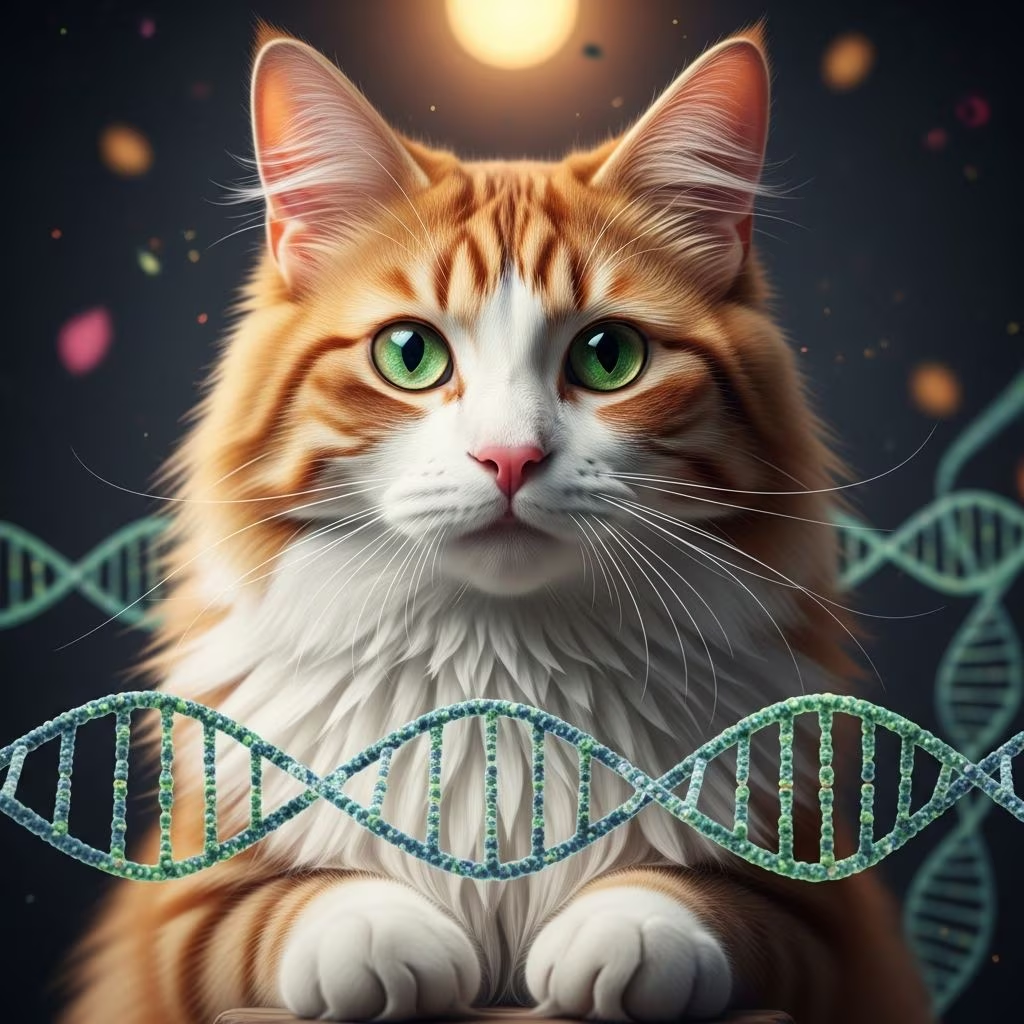
National Cat DNA Day, observed annually on September 19, honors the remarkable progress in feline genetics research and the transformative role of DNA testing for cats. Established to highlight how genetic insights can enhance cat health, breeding practices, and breed identification, this day encourages cat lovers to explore their pets’ unique genetic makeup.
What Is National Cat DNA Day?
National Cat DNA Day celebrates the intersection of cutting-edge genetics and cat welfare. Launched on September 19, 2020, by Basepaws—a leader in cat genetics—the observance marks key milestones in feline genomics. The date itself is symbolically perfect: September, the ninth month, nods to a cat’s nine lives, while 19 represents the 19 pairs of chromosomes in a cat’s genome.
This day underscores the growing accessibility of at-home DNA tests, which demystify a cat’s ancestry, reveal hidden health risks, and inform responsible breeding. By raising awareness, it empowers owners, breeders, and veterinarians to make data-driven decisions that extend and improve feline lives.
History of National Cat DNA Day
The inception of National Cat DNA Day ties directly to the surge in pet genetic testing during the late 2010s. Basepaws pioneered affordable, comprehensive cat DNA kits, analyzing over 65,000 genetic markers to provide detailed reports on breed composition, traits, and health predispositions. In 2020, amid heightened pet ownership from the pandemic, they formalized the day to spotlight these innovations.
- 2020: Official launch by Basepaws to commemorate feline genetics advancements.
- Symbolic date selection: 9/19 for nine lives and 19 chromosome pairs.
- Growing impact: Thousands of cats tested annually, contributing to global genetic databases.
Since its start, the day has evolved into a platform for education, with vets and researchers sharing how genomics prevents hereditary diseases like hypertrophic cardiomyopathy (HCM) and polycystic kidney disease (PKD).
Why Cat DNA Testing Matters
Cat DNA testing goes beyond curiosity about ancestry—it’s a vital tool for proactive health management. Unlike dogs, cats have over 40 recognized breeds, but most are mixed, hiding genetic surprises. Tests scan for mutations linked to over 20 health conditions, enabling early interventions.
| Benefit | Description | Example Conditions Detected |
|---|---|---|
| Health Risk Prediction | Identifies predispositions before symptoms appear | HCM, PKD, FIV resistance |
| Breed Identification | Reveals hidden breeds (up to 95% accuracy) | Siamese, Bengal, Maine Coon mixes |
| Breeding Optimization | Helps pair cats to avoid genetic defects | Aortic stenosis, progressive retinal atrophy |
| Trait Insights | Explains behaviors like polydactyly or hairlessness | Sphynx gene, extra toes |
For breeders, DNA results ensure ethical pairings, reducing disease incidence in litters. Owners gain peace of mind, tailoring diets and care to genetic profiles. Vets use results for customized treatments, potentially adding years to a cat’s life.
How Does Cat DNA Testing Work?
The process is simple and non-invasive: Collect a cheek swab from your cat (no blood draws needed), mail it to a lab, and receive results in 2-4 weeks. Advanced tests like Basepaws’ analyze SNPs (single nucleotide polymorphisms) across the genome, comparing against vast databases.
- Swab Collection: Rub inside cheek for 30 seconds per side.
- Lab Analysis: DNA extracted, sequenced for markers.
- Report Delivery: Digital dashboard with ancestry pie chart, health scores, and trait breakdowns.
- Follow-Up: Updates as database grows; vet consultations recommended.
Accuracy has improved dramatically, with some kits boasting 99% for major breeds. Costs range from $100-$200, often with subscription models for ongoing insights.
Health Benefits of Knowing Your Cat’s DNA
Genetics play a starring role in feline longevity. Purebreds face higher risks—e.g., Persians for PKD (affecting 30-40% genetically), Maine Coons for HCM. DNA tests flag carriers, allowing monitoring via echocardiograms or ultrasounds.
Key discoveries include:
- Disease Prevention: Early detection of pyruvate kinase deficiency averts fatal anemias.
- Personalized Nutrition: Tailor food for lactose intolerance or obesity genes.
- Behavioral Clues: High-energy mixes may need more playtime.
- Longevity Boost: Studies show screened breeding lines live 2-5 years longer.
With 15-20% of cats harboring unknown mutations, testing bridges knowledge gaps, fostering healthier populations.
Cat DNA Testing for Breeders
Breeders rely on DNA to uphold standards and ethics. Tests confirm pedigrees, detect fraud (e.g., mislabeled kittens), and screen for breed-specific issues. For instance, Bengal breeders avoid HCM-positive lines, preserving the breed’s vitality.
Best practices:
- Test sires and dams pre-breeding.
- Maintain genetic diversity to prevent inbreeding depression.
- Share results transparently with buyers.
Organizations like CFA (Cat Fanciers’ Association) increasingly mandate genetic clearances, elevating breed quality.
Fun Facts About Cat Genetics
- Cats have 19 chromosome pairs (humans have 23).
- Orange fur gene is sex-linked—nearly all orange cats are male (80-90%).
- Over 60 genetic traits identified, from tailless Manx to curly American Wirehair.
- Domestic cats share 95.6% DNA with tigers.
- DNA tests revealed ‘Werner cat’ with dog-like retrieval behavior due to rare mutation.
These quirks highlight why genomics captivates scientists and owners alike.
How to Celebrate National Cat DNA Day
Mark September 19 with cat-centric fun that educates and bonds:
- Test Your Cat: Order a DNA kit and host a ‘reveal party’.
- Social Media: Share #NationalCatDNADay stories of your cat’s results.
- Educate: Host vet webinars or genetics workshops.
- DIY Genetics Craft: Make chromosome models from pipe cleaners.
- Adopt & Test: Support shelters with sponsored tests.
Pair celebrations with extra cuddles—your cat’s nine lives deserve it!
Frequently Asked Questions (FAQs)
What is National Cat DNA Day?
It’s an annual event on September 19 celebrating cat genetics advancements and promoting DNA testing for health and ancestry insights.
Who started National Cat DNA Day?
Basepaws, a cat genetics company, launched it in 2020.
Why is it on September 19?
September (9th month) for nine lives; 19 for cat chromosome pairs.
How accurate are cat DNA tests?
Highly accurate (90-99%) for breeds and major health markers, improving with database growth.
Is cat DNA testing safe?
Yes, just a painless cheek swab—no needles or stress.
Can DNA tests help with breeding?
Absolutely—they screen for defects and optimize pairings.
What’s the cost of a cat DNA test?
Typically $100-$200, with premium options for deeper analysis.
References
- National Cat DNA Day – September 19, 2026 — National Today. 2026. https://nationaltoday.com/national-cat-dna-day/
- National Cat DNA Day in United States in 2025 — Dayspedia. 2025. https://dayspedia.com/us/calendar/holiday/5100/
- National Cat DNA Day (September 19th) — Days Of The Year. N/A. https://www.daysoftheyear.com/days/national-cat-dna-day/
- National Cat DNA Day 2026: What Is It & How To Celebrate — Catster. 2026. https://www.catster.com/lifestyle/national-cat-dna-day/
- National Cat DNA Day 2025: When It Is & How to Celebrate — Hepper. 2025. https://articles.hepper.com/national-cat-dna-day/



