
Nasopharyngeal Polyps In Cats: What Every Owner Should Know
Discover the causes, signs, diagnosis, and effective treatments for nasopharyngeal polyps in cats to help your feline breathe easier.
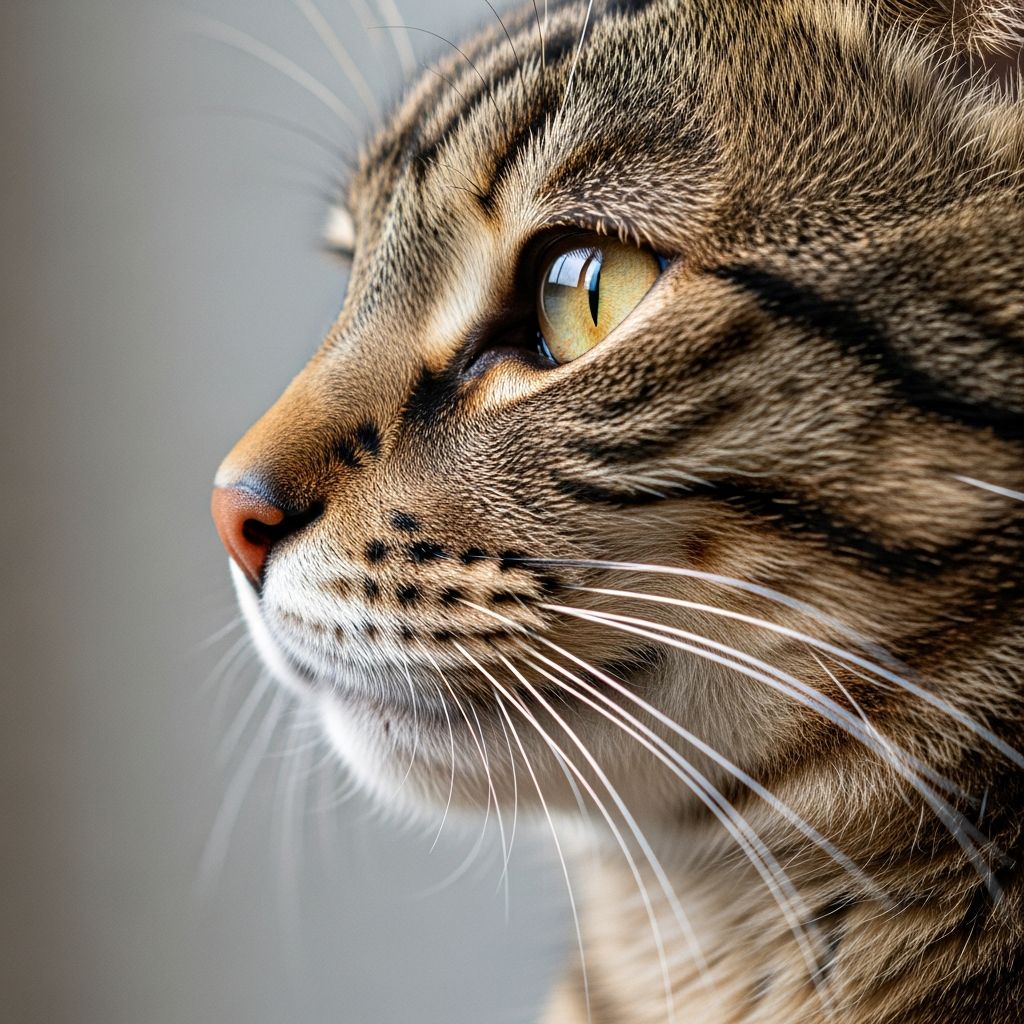
Nasopharyngeal polyps are benign, fleshy growths that develop in the nasal cavity, throat, or middle ear of cats, primarily affecting young felines. These non-cancerous masses can obstruct airways, leading to respiratory distress and secondary infections if not addressed promptly.
Understanding the Anatomy and Formation of Polyps
These polyps typically originate from the lining of the nasopharynx—the area connecting the nasal passages to the throat—or extend into the ear canal via the Eustachian tube. They appear as smooth, pink, grape-like structures attached by a thin stalk. In cats, they form due to chronic inflammation, often linked to prior upper respiratory infections from viruses like feline herpesvirus or calicivirus.
While the exact cause remains unclear, experts suggest that persistent irritation from these infections triggers abnormal tissue growth. Young cats under one year old are most susceptible, with no strong breed predisposition noted.
Recognizing Early Warning Signs
Owners often notice subtle changes in their cat’s behavior or breathing. Common indicators include:
- Chronic sneezing or snorting sounds during inhalation.
- Nasal discharge, which may be clear, mucoid, or blood-tinged.
- Noisy breathing, snoring, or open-mouth respiration due to partial airway blockage.
- Head shaking, ear scratching, or frequent ear infections if the polyp extends to the ear.
- Head tilt, balance issues (ataxia), rapid eye movements (nystagmus), or uneven pupil sizes (Horner’s syndrome) in advanced cases.
These symptoms can mimic allergies or infections, but persistence warrants veterinary attention. Untreated polyps may lead to pneumonia or severe breathing difficulties.
Diagnostic Approaches for Accurate Identification
Veterinarians start with a thorough physical exam, including oral inspection to visualize the polyp behind the soft palate. Sedation may be needed for a complete oral and ear canal assessment.
Advanced tools enhance precision:
| Method | Purpose | Benefits |
|---|---|---|
| Radiography (X-rays) | Detects middle ear involvement or skull changes. | Non-invasive initial screen. |
| CT or MRI scans | Provides detailed 3D images of polyp location and extent. | Ideal for complex cases. |
| Endoscopy or Rhinoscopy | Direct visualization of nasal passages. | Allows biopsy if needed. |
| Otoscope exam | Checks ear canal for polyp extension. | Quick and targeted. |
Culture of discharge helps identify secondary bacterial infections, guiding antibiotic choices.
Primary Treatment: Surgical Intervention
Surgery remains the cornerstone of management, aiming to remove the polyp and its stalk to minimize regrowth. The simplest method is traction avulsion: under general anesthesia, the vet grasps the polyp with forceps, twists, and pulls it out through the mouth. This outpatient procedure often resolves symptoms immediately, with minimal bleeding.
However, recurrence rates reach 50% if remnants persist in the middle ear. Post-op care includes antibiotics (e.g., Clavamox), anti-inflammatories, and sometimes ear drops like Tresaderm.
Advanced Surgical Options for Lasting Relief
For recurrent or ear-based polyps, more invasive techniques are employed:
- Ventral Bulla Osteotomy (VBO): Involves incising the tympanic bulla (ear chamber) to access and excise the polyp’s root. This reduces recurrence significantly and is considered the gold standard by many experts.
- Lateral Bulla Osteotomy: An alternative approach for ear access, though VBO is often preferred.
- Laser-Assisted Removal: Uses surgical lasers for precise cutting at the attachment site, minimizing damage.
- Endoscopic Techniques: Minimally invasive polyp extraction via scopes, combined with bulla curettage for thorough removal.
These procedures require skilled surgeons and carry risks like nerve damage, Horner’s syndrome, or hearing loss, but outcomes are favorable long-term.
Supportive Therapies and Medications
While surgery is primary, adjuncts play a key role:
- Corticosteroids (e.g., Prednisolone): Administered orally for 2 weeks post-surgery on a tapering dose to curb inflammation and regrowth. Less effective standalone.
- Antibiotics: Target secondary infections based on cultures.
- Anti-Nausea Meds (e.g., Cerenia, Meclizine): Manage vestibular symptoms from ear involvement.
Medical management alone rarely cures polyps and is reserved for poor surgical candidates.
Factors Influencing Recurrence and Prognosis
Regrowth occurs in up to half of traction avulsion cases due to incomplete stalk removal. Factors include:
- Polyp origin in the bulla (higher risk).
- Inadequate post-op steroids.
- Underlying chronic inflammation.
Prognosis excels with complete excision—most cats breathe normally post-treatment. Early intervention prevents complications like pulmonary edema.
Preventive Measures and Home Care Tips
No proven prevention exists, but strategies reduce risk:
- Vaccinate against respiratory viruses.
- Maintain indoor lifestyles to avoid infections.
- Monitor young cats for early signs.
Post-surgery, restrict activity for 1-2 weeks, watch for bleeding or swelling, and follow med schedules. No reliable home remedies exist; consult vets before trials.
Frequently Asked Questions (FAQs)
Are nasopharyngeal polyps cancerous in cats?
No, they are benign inflammatory growths, not tumors.
How quickly do symptoms appear after infection?
Months may pass post-viral infection before polyps manifest.
Can polyps resolve without surgery?
Rarely; steroids may shrink them temporarily, but removal is standard.
What’s the recovery time after polyp removal?
Most cats recover within days, with full resolution in 1-2 weeks.
Do polyps affect older cats?
Primarily young cats, but possible at any age.
Long-Term Monitoring and When to Seek Help
Schedule follow-ups 2-4 weeks post-op and annually thereafter. Return immediately for renewed sneezing, discharge, or neurological signs. With vigilant care, affected cats lead healthy lives.
References
- Nasopharyngeal Polyps in Cats — EveryCat Health Foundation. 2023. https://everycat.org/cat-health/nasopharyngeal-polyps-in-cats/
- Nasopharyngeal Polyps — Cornell University College of Veterinary Medicine. 2024. https://www.vet.cornell.edu/departments-centers-and-institutes/cornell-feline-health-center/health-information/feline-health-topics/nasopharyngeal-polyps
- Nasal Polyps in Cats: Symptoms and Treatment Options — Kingsdale Animal Hospital. 2023. https://www.kingsdale.com/nasal-polyps-in-cats-symptoms-and-treatment-options
- Cat Nasal Polyps: Common Causes and How To Treat Them — PetMD. 2024. https://www.petmd.com/cat/conditions/respiratory/cat-nasal-polyps-common-causes-and-how-treat-them
- Nasopharyngeal Polyps in Cats — VCA Animal Hospitals. 2024. https://vcahospitals.com/know-your-pet/nasopharyngeal-polyps-in-cats
- Nasopharyngeal Polyps in Cats — VETgirl. 2023. https://vetgirlontherun.com/videos/nasopharyngeal-polyps-in-cats-vetgirl-veterinary-continuing-education-videos/
- Management of Otic and Nasopharyngeal, and Nasal Polyps in Cats — PubMed (Peer-reviewed). 2016-04-01. https://pubmed.ncbi.nlm.nih.gov/26947114/
Similar Articles








Read full bio of Sneha Tete




