

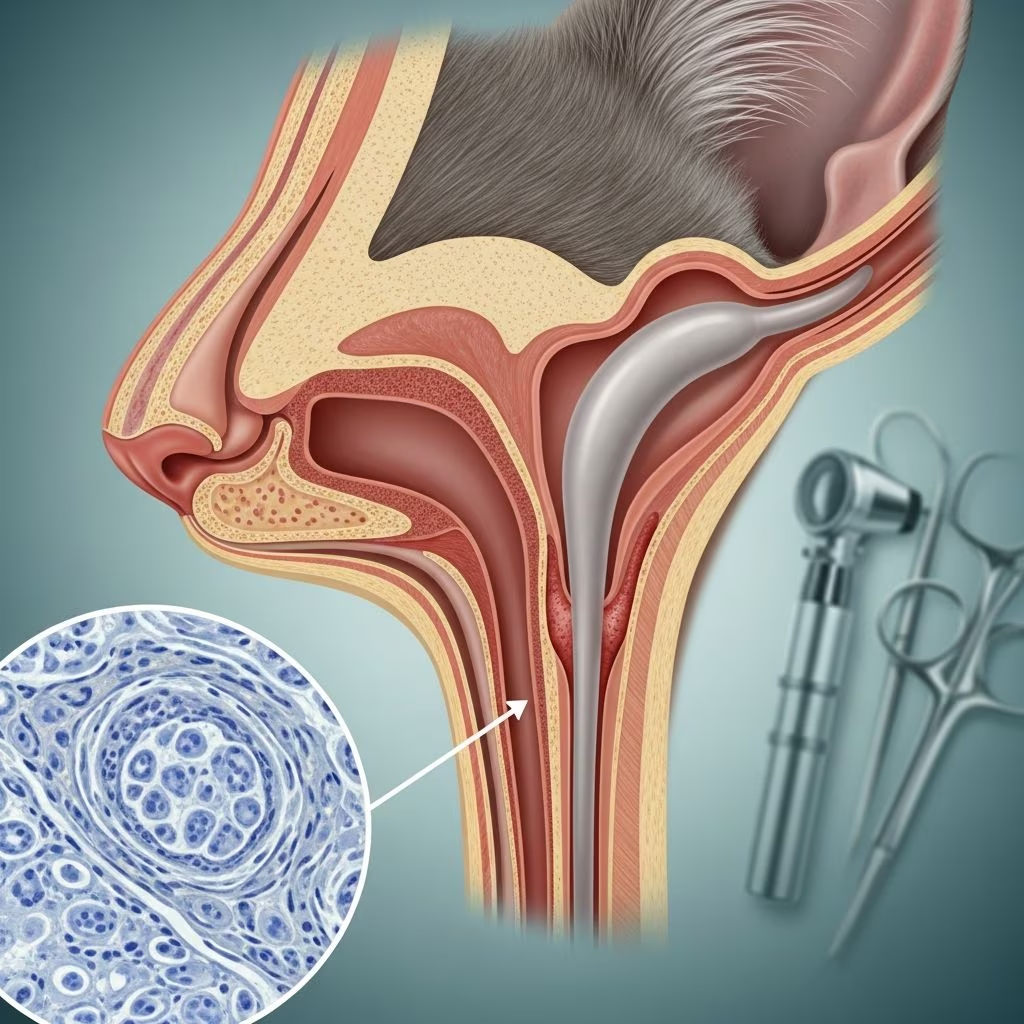
When cat owners notice their feline companion producing unusual sounds while breathing, concern naturally follows. Among the various respiratory conditions that can affect cats, nasopharyngeal polyps represent a specific category of benign growth that warrants attention. These soft tissue growths, which develop in the nasal passages or the back of the throat region, can significantly impact a cat’s breathing quality and overall comfort. Understanding what these growths are, how to recognize them, and what treatment options exist can help cat owners respond appropriately when their pets show signs of respiratory distress.
Distinguishing Noisy Breathing Patterns in Felines
Before delving into nasopharyngeal polyps specifically, it helps to understand the broader context of feline respiratory sounds. Cats normally breathe quietly, and when breathing becomes audible, it typically indicates an underlying issue requiring investigation.
Veterinarians classify abnormal breathing sounds into two primary categories:
- Stridor: A high-pitched, whistling sound that emerges during breathing, typically originating from problems affecting rigid structures like the larynx or trachea
- Stertor: Lower-pitched, snoring-like sounds that result from narrowing or obstruction in softer tissues, including the nasal passages and soft palate at the throat’s rear
Additionally, cats experiencing respiratory difficulties may produce wheezing, gurgling noises, coughing, snorting sounds, or excessive sneezing. These audio cues often represent the first indication that something requires veterinary evaluation.
The Nature and Development of Nasopharyngeal Polyps
Nasopharyngeal polyps are benign growths composed of soft tissue that develop within the nasal cavity or the pharyngeal region located behind the throat. The term “benign” is significant—these growths are not cancerous, which distinguishes them from malignant tumors that can also affect the respiratory tract. However, their benign nature does not diminish the clinical importance of their presence, as their physical location can substantially obstruct airflow and compromise breathing function.
These polyps represent one among many possible causes of noisy or labored breathing in cats. While they are not the most common respiratory issue in felines, they occur with sufficient frequency that veterinarians regularly diagnose and treat them. The growths can vary in size, and this variation significantly influences the severity of symptoms a cat experiences.
Recognizing Symptoms Beyond Noisy Breathing
While abnormal respiratory sounds serve as the most obvious sign of nasopharyngeal polyps, cats with these growths frequently exhibit additional symptoms that collectively paint a picture of respiratory compromise:
- Discharge from the nose or eyes
- Changes in vocalization, such as a hoarse meow or loss of normal voice quality
- Visible increased breathing effort, with noticeable abdominal movement during respiration
- Elevated respiratory rate, meaning more breaths taken per minute than normal
- Abnormal posturing to facilitate breathing, including extended neck position or elbows held away from the body
- Nosebleeds, technically termed epistaxis
- Reduced activity levels and apparent lethargy
- Decreased appetite or changes in eating behavior
- Fever accompanying other respiratory symptoms
- Paleness in the gums, suggesting reduced oxygenation
- Episodes of weakness or episodes where the cat collapses
The presence of any combination of these symptoms alongside noisy breathing warrants urgent veterinary evaluation. Cat owners should not delay seeking professional assessment, as respiratory compromise can become serious quickly.
Differential Diagnosis: What Else Causes Respiratory Symptoms
Because multiple conditions produce similar respiratory symptoms in cats, veterinarians must engage in systematic diagnosis to identify the precise cause. Understanding what other conditions mimic polyp symptoms helps explain why proper diagnosis matters.
Viral and bacterial infections represent extremely common respiratory culprits. Feline herpes virus and calicivirus, collectively referred to as cat flu, cause inflammation and congestion that produces noisy breathing. Unlike polyps, infections typically present with additional signs such as discharge and fever, and many resolve with supportive care.
Feline asthma, a chronic allergic condition affecting the airways, causes inflammation and airway narrowing that produces wheezing and labored breathing. Cats with asthma often extend their necks and may breathe through their mouths during acute episodes. This condition requires ongoing management but differs mechanically from polyp obstruction.
Heart disease can lead to fluid accumulation in the lungs or chest cavity, resulting in labored breathing and sometimes coughing. The breathing pattern with cardiac causes differs from that seen with airway obstruction from polyps.
Foreign bodies—such as grass or grass seed lodged in the throat or nasal passages—create acute obstruction similar to polyps but require different removal approaches. These typically cause gagging and coughing in addition to respiratory noise.
Laryngeal disease affects the voice box’s function in controlling airflow into the lungs. Trauma from accidents, certain cancers including lymphoma, dental disease affecting tooth roots, and structural factors in brachycephalic (flat-faced) breeds all contribute to the differential diagnosis list.
The Diagnostic Journey: How Veterinarians Identify Polyps
Physical examination alone typically cannot definitively identify nasopharyngeal polyps. A cat’s anatomy makes direct visualization difficult without specialized procedures. Consequently, veterinarians employ several diagnostic techniques to visualize the respiratory tract and collect diagnostic information.
Physical examination under sedation allows the veterinarian to examine the cat’s throat directly and look for visible growths or obstructions. This procedure provides immediate visual information but may not reveal polyps located deeply within the nasal passages.
Imaging studies expand diagnostic capability significantly. X-rays and CT scans reveal physical changes within the airways, including the presence of masses, evidence of trauma, or signs of lung disease. CT imaging provides superior detail compared to radiographs and helps determine polyp size and exact location.
Rhinoscopy, involving passage of a small rigid camera into the airways, directly visualizes nasopharyngeal structures. This procedure allows veterinarians to see polyps within the nasal cavity and throat region, often definitively confirming diagnosis.
Sampling techniques provide cellular material for analysis. Nasal flush or bronchoalveolar lavage procedures involve flushing sterile saline through affected airway sections and collecting the fluid containing cells and potentially infectious agents. These samples can identify bacterial or fungal infections that might coexist with or contribute to respiratory symptoms.
Treatment Approaches and Management Strategies
The primary treatment for nasopharyngeal polyps involves surgical removal. Once diagnosis is confirmed through visualization techniques, the veterinarian can discuss surgical options with the cat’s owner. The specific surgical approach depends on polyp location, size, and accessibility.
Surgical removal typically resolves respiratory symptoms associated with the polyps, as the physical obstruction is eliminated. Recovery depends on surgical complexity and the cat’s overall health status. Most cats experience significant improvement in breathing quality following successful polyp removal.
Post-surgical monitoring ensures proper healing and confirms that the polyps do not recur. Some cats may require follow-up imaging or examination to confirm complete resolution. Pain management and potential antibiotics support recovery during the post-operative period.
In cases where surgery is not immediately pursued or while awaiting surgical intervention, supportive care may help manage symptoms. This might include environmental modifications, such as reducing airborne irritants, and monitoring for complications. However, surgery remains the definitive treatment, as polyps do not spontaneously resolve without intervention.
Timing and Urgency Considerations
While nasopharyngeal polyps are benign, cats displaying consistent respiratory symptoms while awake require prompt veterinary intervention, regardless of the cat’s breed or other factors. Persistent obstruction can compromise oxygenation and overall health.
Occasional snoring, particularly during sleep, may represent normal breathing patterns for certain cats, especially those with naturally narrowed nasal passages due to breed characteristics or individual anatomy. However, this distinction requires professional evaluation to ensure that abnormal snoring does not indicate underlying pathology.
Severe stertor accompanied by snorting, gagging, and panting indicates more complete airway blockage and requires urgent attention. Such severe obstruction can significantly compromise oxygenation and represents a medical emergency.
Risk Factors and Susceptible Populations
While nasopharyngeal polyps can develop in any cat, certain factors increase susceptibility. Brachycephalic breeds with flattened faces and narrowed nostrils experience greater baseline breathing difficulty, making respiratory obstruction from any cause more clinically significant.
Obese cats represent another at-risk population. Excess weight can compromise respiratory function and may contribute to respiratory symptoms. Cats with both obesity and polyps face compounded breathing challenges.
Age may influence polyp development, though polyps can occur in cats of various ages. Kittens and young cats with polyps sometimes experience different clinical presentations than older cats with the same condition.
Individual anatomical variations make some cats more prone to symptomatic polyp development. Cats with naturally narrow nasal passages or other structural variations may experience earlier symptom onset with smaller polyps than cats with more typical airway dimensions.
Comparison of Common Cat Respiratory Conditions
| Condition | Primary Cause | Sound Type | Treatment Approach |
|---|---|---|---|
| Nasopharyngeal Polyps | Benign soft tissue growth | Stertor (low-pitched) | Surgical removal |
| Feline Asthma | Allergic airway inflammation | Wheezing (high-pitched) | Anti-inflammatory medication |
| Upper Respiratory Infection | Viral or bacterial infection | Stertor with discharge | Supportive care, antibiotics if bacterial |
| Foreign Body | Physical obstruction in airway | Stridor or stertor | Removal under sedation |
| Heart Disease | Cardiac dysfunction with fluid | Wheezing with cough | Cardiac medication and management |
Questions Frequently Asked About Polyps and Breathing
Can nasopharyngeal polyps cause permanent breathing damage?
Polyps themselves do not cause permanent respiratory tract damage. However, prolonged obstruction can stress the respiratory system. Prompt treatment prevents complications and allows normal breathing function to return.
Do these polyps ever require emergency intervention?
While polyps develop gradually, severe obstruction can create urgent situations. Cats exhibiting severe respiratory distress with rapid, labored breathing require immediate veterinary evaluation, as oxygenation may be compromised.
Will polyps return after surgical removal?
Recurrence rates vary, but most cats experience lasting resolution following complete surgical removal. Veterinarians discuss recurrence risks during surgical planning based on individual cases.
Are there nonsurgical management options?
Surgery remains the definitive treatment. While supportive care may temporarily manage symptoms, it does not address the underlying obstruction. Medical management typically complements rather than replaces surgical intervention.
How quickly do cats recover after polyp removal surgery?
Most cats show breathing improvement immediately following successful surgery. Full recovery with complete healing typically requires several weeks, during which activity should be restricted as advised by the veterinarian.
Moving Forward: When to Seek Veterinary Care
Cat owners noticing any change in their pet’s breathing patterns should contact a veterinarian for evaluation. While not every instance of noisy breathing indicates nasopharyngeal polyps, professional assessment determines the underlying cause and appropriate treatment. Early intervention typically results in better outcomes and prevents complications associated with prolonged airway obstruction.
The key distinction for cat owners is recognizing that persistent noisy breathing, particularly when accompanied by other respiratory symptoms, represents abnormal anatomy or function requiring professional investigation. Nasopharyngeal polyps, though not the most common cause of respiratory symptoms in cats, remain an important diagnosis that skilled veterinarians must consider and rule out through appropriate diagnostic procedures.
References
- Why is my cat’s breathing noisy? — Breathe Azy. 2024. https://www.breatheazy.co.uk/why-is-my-cats-breathing-noisy/
- Heavy Breathing in Cats – What You Need to Do — Hershey Animal Medical Clinic. https://hersheyanimaler.com/blog/heavy-breathing-in-cats/
- Breathing problems in cats — PDSA. https://www.pdsa.org.uk/pet-help-and-advice/pet-health-hub/symptoms/breathing-problems-in-cats
- Why Is My Cat Wheezing? Causes, Symptoms, and When to Call the Vet — Furgent Care Vet. https://www.furgentcarevet.com/blog/why-is-my-cat-wheezing-causes-symptoms-and-when-to-call-the-vet
- Snoring and Noisy Breathing (Stertor) in Cats — Vetster. https://vetster.com/en/symptoms/cat/snoring-and-noisy-breathing



