

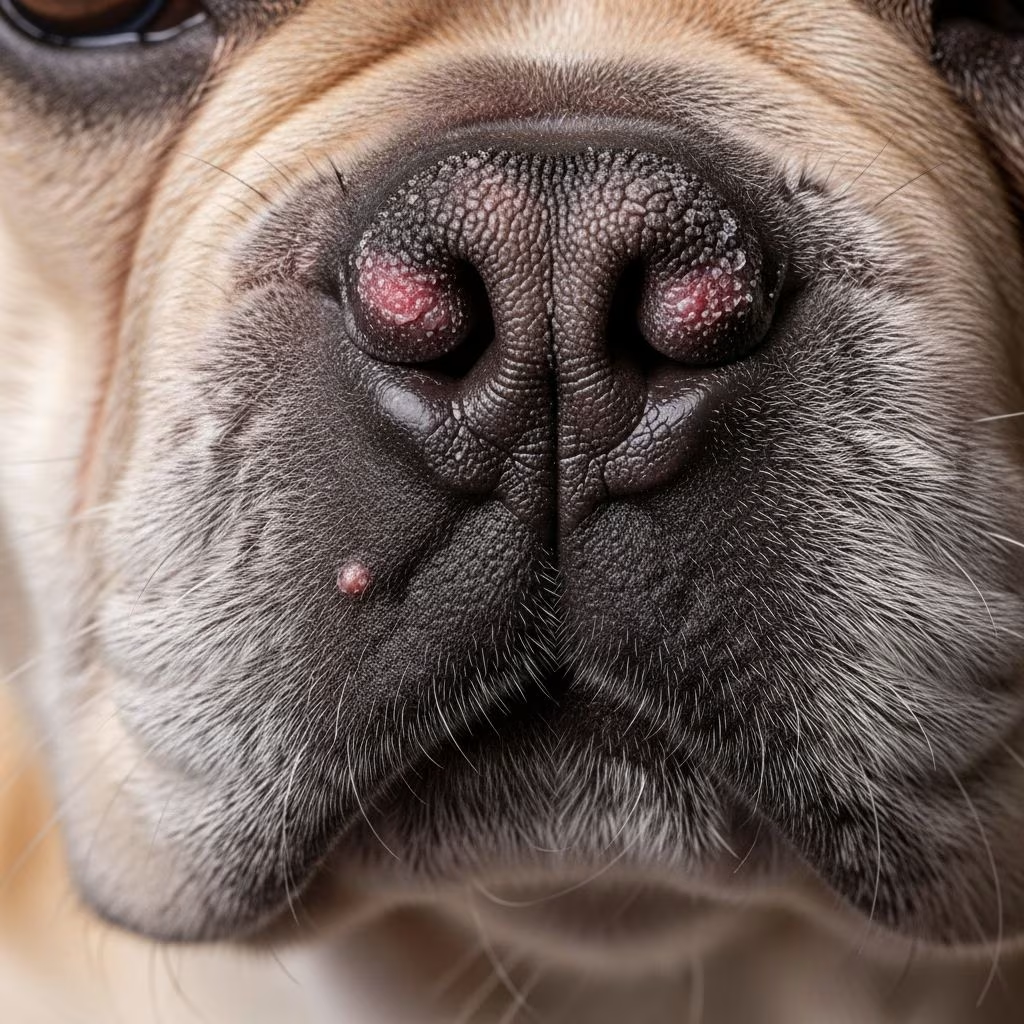
Dogs often develop skin problems specifically on their noses, known collectively as nasal dermatoses. These conditions range from mild dryness to severe inflammatory diseases, impacting the nasal planum—the pigmented, cobblestone-textured area at the tip of the nose. Early recognition by owners can lead to effective management, preventing discomfort and complications like secondary infections.
Understanding the Nasal Planum and Its Vulnerability
The nasal planum serves critical functions in a dog’s life, including olfaction and thermoregulation. Its exposed position makes it prone to environmental factors like UV radiation, allergens, and trauma. Breeds with short muzzles or light-colored noses, such as Collies or Weimaraners, face higher risks due to less natural protection.
Primary Causes of Nasal Skin Disorders
Nasal dermatoses stem from diverse origins, including genetic predispositions, nutritional gaps, infections, and immune system malfunctions. Identifying the root cause is essential for targeted therapy.
- Genetic and Breed-Related Conditions: Some dogs inherit tendencies for excessive keratin buildup or parakeratosis, leading to thickened, flaky skin.
- Nutritional Deficiencies: Lack of zinc can cause crusting and scaling, particularly in breeds like Siberian Huskies.
- Infectious Agents: Bacteria, fungi, and parasites invade cracked skin, exacerbating lesions.
- Autoimmune and Immune-Mediated Diseases: The body attacks its own nasal tissues, causing ulcers and depigmentation.
- Environmental Triggers: Sun overexposure leads to dermatitis in lightly pigmented noses.
Recognizing Symptoms Early
Owners should monitor their dog’s nose daily during grooming or play. Subtle changes can progress rapidly if ignored.
| Symptom | Description | Associated Conditions |
|---|---|---|
| Crusting and Flaking | Dry, thickened scales covering the nose | Hyperkeratosis, Zinc Deficiency |
| Depigmentation | Loss of black pigment, turning pink or white | Autoimmune Disorders, Solar Dermatitis |
| Redness and Swelling | Inflammation around nostrils and muzzle | Infections, Allergies |
| Ulcers or Cracks | Open sores or fissures that may bleed | Severe Hyperkeratosis, Lupus-like Diseases |
| Nasal Discharge | Mucus, pus, or blood from nostrils | Bacterial/Fungal Infections |
| Sneezing or Nose Rubbing | Signs of irritation or itchiness | Parasites, Eosinophilic Issues |
These signs often appear gradually, starting with mild dryness before advancing to painful fissures that invite bacteria.
Common Specific Conditions
Idiopathic Hyperkeratosis
This widespread issue involves overproduction of keratin, creating a crusty, horn-like nose pad. Older dogs and breeds like Cocker Spaniels and Labrador Retrievers are commonly affected. While primarily cosmetic, advanced cases cause pain and infection risks through deep cracks.
Zinc-Responsive Dermatosis
Particularly prevalent in Arctic breeds, this results from poor zinc absorption. Symptoms include thick scales and redness, resolving with dietary supplements but recurring without ongoing care.
Discoid Lupus Erythematosus (DLE)
An autoimmune attack depigments and ulcerates the nose. Collies and Shetland Sheepdogs show dramatic improvement with topical immunosuppressants like tacrolimus, avoiding systemic steroids’ side effects.
Nasal Solar Dermatitis
UV damage acts like sunburn on pale noses, causing scaling and sores. Prevention via sun avoidance and protective creams is key, with anti-inflammatory topicals for flares.
Infectious Dermatoses
Bacterial overgrowth, dermatophytes like Trichophyton, or demodectic mites target compromised skin. These demand cultures for accurate antifungal or antibiotic selection.
Rarer Immune-Mediated Forms
Conditions like pemphigus, uveodermatologic syndrome, or histiocytosis involve widespread inflammation, often requiring combination therapies and ruling out systemic involvement via imaging.
Diagnostic Approaches
Veterinarians start with a thorough history and exam, noting breed, diet, and sun exposure. Key tests include:
- Skin scrapings and cytology for parasites or bacteria.
- Fungal and bacterial cultures.
- Biopsy for histopathology, distinguishing autoimmune from neoplastic changes.
- Bloodwork for zinc levels or systemic disease markers.
- Imaging like radiographs or ultrasound if internal spread is suspected.
Accurate diagnosis prevents mismanagement, such as immunosuppressing an infectious case.
Treatment Strategies by Condition
Therapy tailors to the diagnosis, often combining topicals, orals, and lifestyle changes. Lifelong management is common for genetic or autoimmune types.
| Condition Type | Primary Treatments | Duration/Notes |
|---|---|---|
| Hyperkeratosis | Moisturizing balms, keratolytics (salicylic acid), soaks | Daily application; maintenance 2-3x/week |
| Zinc Deficiency | Oral zinc supplements (e.g., chelates) | Lifelong; monitor levels |
| Bacterial Infection | Antibiotics like cephalexin; topicals | 4-8 weeks; culture-guided |
| Fungal | Fluconazole or itraconazole systemically | Months; recheck cultures |
| Autoimmune (DLE) | Tacrolimus 0.1% ointment, doxycycline + niacinamide | Taper after response; sun protection |
| Solar Dermatitis | Corticosteroid lotions, sunscreens | Acute: 5-7 days; prevent recurrence |
For refractory cases, drugs like cyclosporine or leflunomide may be added under specialist supervision.
Home Care and Prevention Tips
Pet owners play a vital role in ongoing management:
- Daily Cleaning: Gently wipe with damp cloth and pet-safe antiseptic.
- Moisturize Regularly: Use vet-recommended balms to soften keratin.
- Sun Protection: Apply dog-safe SPF products; limit midday walks.
- Diet Optimization: Zinc-rich foods or supplements for at-risk breeds.
- Monitor Closely: Note changes and consult vet promptly.
Consistency prevents flares and maintains comfort.
Prognosis and Long-Term Outlook
Most nasal dermatoses are manageable, not curable. Hyperkeratosis responds well to topicals, while autoimmune diseases achieve remission with compliance. Early intervention improves quality of life, minimizing pain and cosmetic concerns. Regular vet follow-ups track progress and adjust plans.
Frequently Asked Questions (FAQs)
Can nasal dermatoses heal on their own?
Rarely; most require intervention to prevent worsening and secondary issues.
Is hyperkeratosis painful for dogs?
Mild cases are cosmetic, but cracks cause discomfort and infection risks.
How do I protect my light-nosed dog’s nose from sun?
Use pet sunscreens, provide shade, and limit exposure during peak hours.
What breeds are prone to zinc-responsive issues?
Siberian Huskies, Alaskan Malamutes, and other northern breeds.
When should I see a vet for my dog’s dry nose?
If accompanied by crusting, discharge, or behavioral changes like rubbing.
Emerging Research and Future Directions
Ongoing studies explore genetic markers for hereditary forms and novel topicals reducing steroid reliance. Nutritional genomics may personalize zinc therapies, enhancing outcomes.
References
- Nasal Dermatoses in Dogs: What Are They and How Are They Diagnosed — PetMD. 2023. https://www.petmd.com/dog/conditions/skin/nasal-dermatoses-dogs-what-are-they-and-how-are-they-diagnosed
- Dog Nose Hyperkeratosis: Causes, Symptoms, & Treatment — Vetericyn. 2024. https://vetericyn.com/blogs/vetericyn/dog-nose-hyperkeratosis
- Common Skin Diseases Affecting the Nasal Planum of Dogs — MedVet. 2023. https://www.medvet.com/nasal-planum-in-dogs/
- Nasal Dermatoses of Dogs — MSD Veterinary Manual. 2025. https://www.msdvetmanual.com/integumentary-system/nasal-dermatoses-of-dogs/nasal-dermatoses-of-dogs
- Nasal Planum Dermatoses of the Dog: Clinical Presentations and… — PubMed (Peer-reviewed). 2024. https://pubmed.ncbi.nlm.nih.gov/39757083/



