

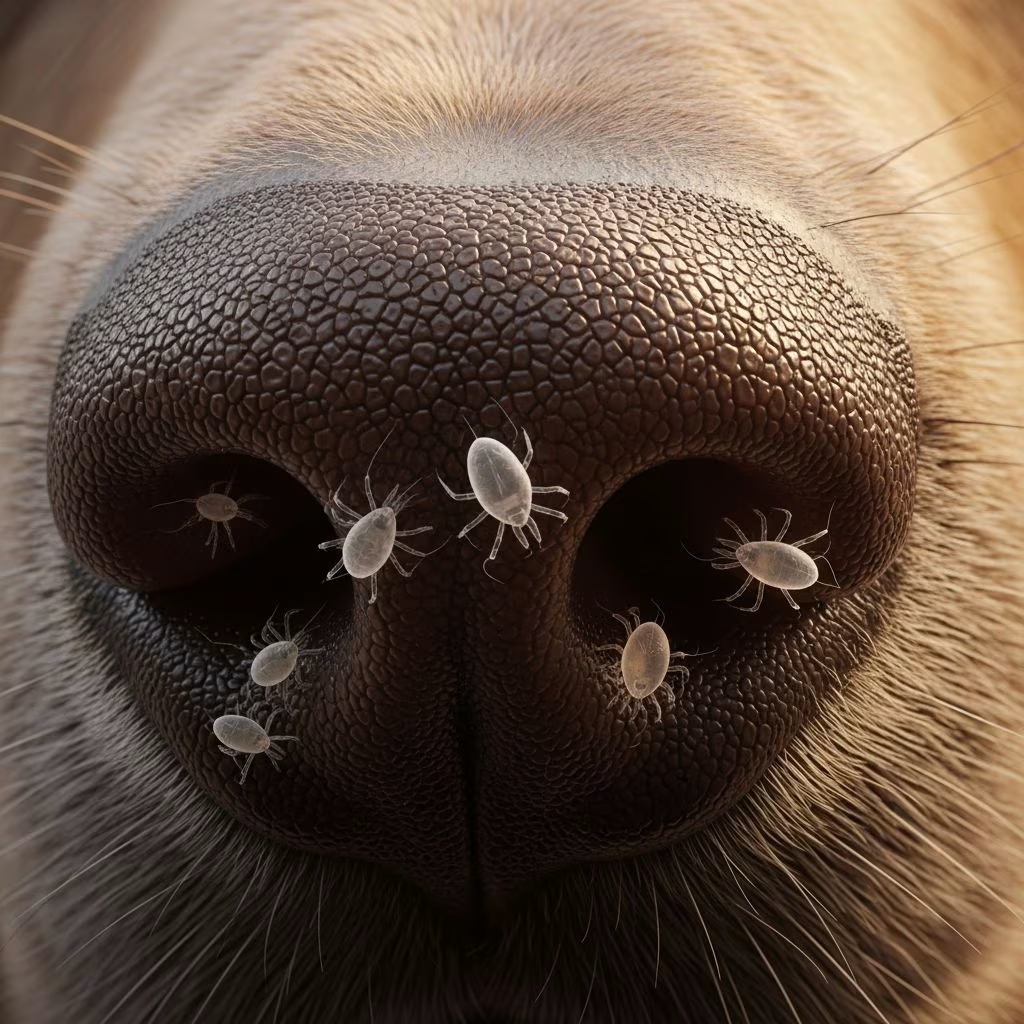
Canine nasal mites, scientifically known as Pneumonyssoides caninum, are tiny parasites that reside in a dog’s nasal passages and sinuses. These mites can affect up to 25% of dogs in certain regions, leading to uncomfortable respiratory symptoms that mimic other common ailments. Understanding this condition is crucial for pet owners noticing unusual nasal behaviors in their dogs.
Understanding the Biology of Canine Nasal Mites
The life cycle of P. caninum remains incompletely understood, but these mites are believed to transmit directly or indirectly between dogs through close contact. They inhabit the caudal nasal cavity and frontal sinuses, making them challenging to detect without specialized tools. Unlike external parasites like fleas, nasal mites do not pose a zoonotic risk to humans, focusing their lifecycle exclusively on canines.
Adult mites measure about 1-3 mm in length, with a white, elongated body adapted for burrowing into mucous membranes. Eggs and larvae develop within the nasal environment, perpetuating the infestation if untreated. Prevalence varies geographically, with higher rates reported in kennel settings or multi-dog households where transmission is facilitated.
Recognizing the Signs of Nasal Mite Infestation
Many dogs harbor nasal mites asymptomatically, but when symptoms appear, they primarily involve the upper respiratory tract. Common indicators include:
- Frequent sneezing, often productive with discharge
- Nasal discharge, which may be clear, mucoid, or bloody
- Epistaxis (nosebleeds), sometimes recurrent
- Reverse sneezing, characterized by rapid inward sniffs
- Head shaking or facial rubbing due to irritation
- Noisy or labored breathing, stridor, and reduced scent detection
Less frequent signs encompass coughing, restlessness, or even collapse in severe cases. These symptoms overlap with allergies, infections, or tumors, underscoring the need for veterinary evaluation. Owners might first notice their dog pawing at its face or exhibiting noisy inhalations during excitement.
Diagnostic Approaches for Accurate Identification
Diagnosing nasal mites requires ruling out differentials like fungal infections, neoplasia, or foreign bodies. Initial steps involve a thorough physical exam, followed by advanced imaging and sampling.
Key diagnostic methods include:
| Method | Description | Advantages |
|---|---|---|
| Rhinoscopy (Endoscopy) | Insertion of a flexible scope into nasal passages under anesthesia | Direct visualization of mites; assesses tissue damage |
| Nasal Lavage/Flushing | Saline flush of nares, collected fluid examined microscopically | Retrieves mites or eggs; less invasive than biopsy |
| Diagnostic Imaging (CT/X-ray) | CT scans preferred for detailed sinus views | Detects structural issues, tumors, or obstructions |
| Nasal Biopsy | Tissue sampling for histopathology | Confirms mites and excludes other pathologies |
Blood tests may reveal eosinophilia, hinting at parasitic involvement, while cultures check for secondary bacteria. Rhinoscopy remains the gold standard, often revealing mites crawling on nasal linings.
Effective Treatment Protocols
No FDA-approved drugs exist specifically for nasal mites, but antiparasitics demonstrate high efficacy, resolving symptoms in over 85% of cases. Treatment is empirical in suspected cases or definitive post-diagnosis.
Proven options include:
- Milbemycin oxime: 0.5-1 mg/kg orally, weekly for 3 weeks or 1 mg/kg three times at 10-day intervals (85-100% success)
- Ivermectin: 200-400 mcg/kg SC/PO, weekly injections or doses
- Selamectin: Topical, 6-24 mg/kg every 14 days for 3 treatments
- Imidacloprid/moxidectin: Likely effective based on similar parasites
Supportive care addresses symptoms: steroids for inflammation, antihistamines for pruritus, antibiotics for secondary infections, and sedatives if breathing is compromised. Repeat diagnostics may be needed if symptoms persist, indicating concurrent issues. Prognosis is excellent, with most dogs fully recovering post-treatment.
Preventive Measures and Risk Reduction
Prevention centers on minimizing dog-to-dog contact in high-risk environments like dog parks, shows, or boarding facilities. Quarantine new or symptomatic dogs, and maintain hygiene in shared spaces. Regular deworming with broad-spectrum preventives may offer partial protection, though not specifically tested for nasal mites.
Monitor for early signs in breeds prone to respiratory issues, such as brachycephalics. Annual veterinary check-ups with nasal exams can catch subclinical infestations. Avoid self-treatment, as certain breeds (e.g., Collies) are sensitive to ivermectin.
Potential Complications and Long-Term Management
Untreated infestations can lead to chronic rhinitis, sinusitis, or secondary bacterial overgrowth, exacerbating breathing difficulties. Rarely, mites contribute to anemia from epistaxis or weight loss from discomfort. Long-term, treated dogs rarely relapse, but multi-pet households warrant monitoring.
Research gaps persist on optimal dosing and resistance, but current protocols suffice for most cases. Consult breed-specific sensitivities before medicating.
Frequently Asked Questions (FAQs)
Can humans catch nasal mites from dogs?
No, P. caninum is not zoonotic and only affects dogs.
How long do symptoms take to resolve after treatment?
Many dogs improve within 10-14 days; full resolution often follows the treatment course.
Is nasal mite infestation contagious to other pets?
Yes, primarily dog-to-dog via direct contact; cats and other species are not affected.
Can over-the-counter remedies treat nasal mites?
No, prescription antiparasitics are required; consult a vet.
What if my dog tests negative for mites but symptoms continue?
Other causes like allergies or tumors may be present; further diagnostics are essential.
This guide equips owners with knowledge to act swiftly. Always partner with a veterinarian for tailored care.
References
- Nasal Mites in Dogs – Causes, Treatment and Associated Conditions — Vetster. 2023. https://vetster.com/en/conditions/dog/nasal-mites
- Use of milbemycin oxime in the treatment of dogs with nasal mite… — PubMed (Veterinary Record). 1998-04-11. https://pubmed.ncbi.nlm.nih.gov/9551380/
- Nasal Mites — Companion Animal Parasite Council (CAPC). 2024. https://capcvet.org/guidelines/nasal-mites/
- How to Get Rid of Nasal Mites in Dogs — Whole Dog Journal. 2023. https://www.whole-dog-journal.com/health/how-to-get-rid-of-nasal-mites-in-dogs/
- A Case of Canine Nasal Mites — Los Angeles County Public Health. 2010. http://publichealth.lacounty.gov/vet/docs/NasalMitesCanine.pdf
- Canine Nasal Mites – Dog Owners — MSD Veterinary Manual. 2024. https://www.msdvetmanual.com/dog-owners/lung-and-airway-disorders-of-dogs/canine-nasal-mites
- Canine Nasal Mites – Respiratory System — Merck Veterinary Manual. 2024. https://www.merckvetmanual.com/respiratory-system/respiratory-diseases-of-small-animals/canine-nasal-mites



