

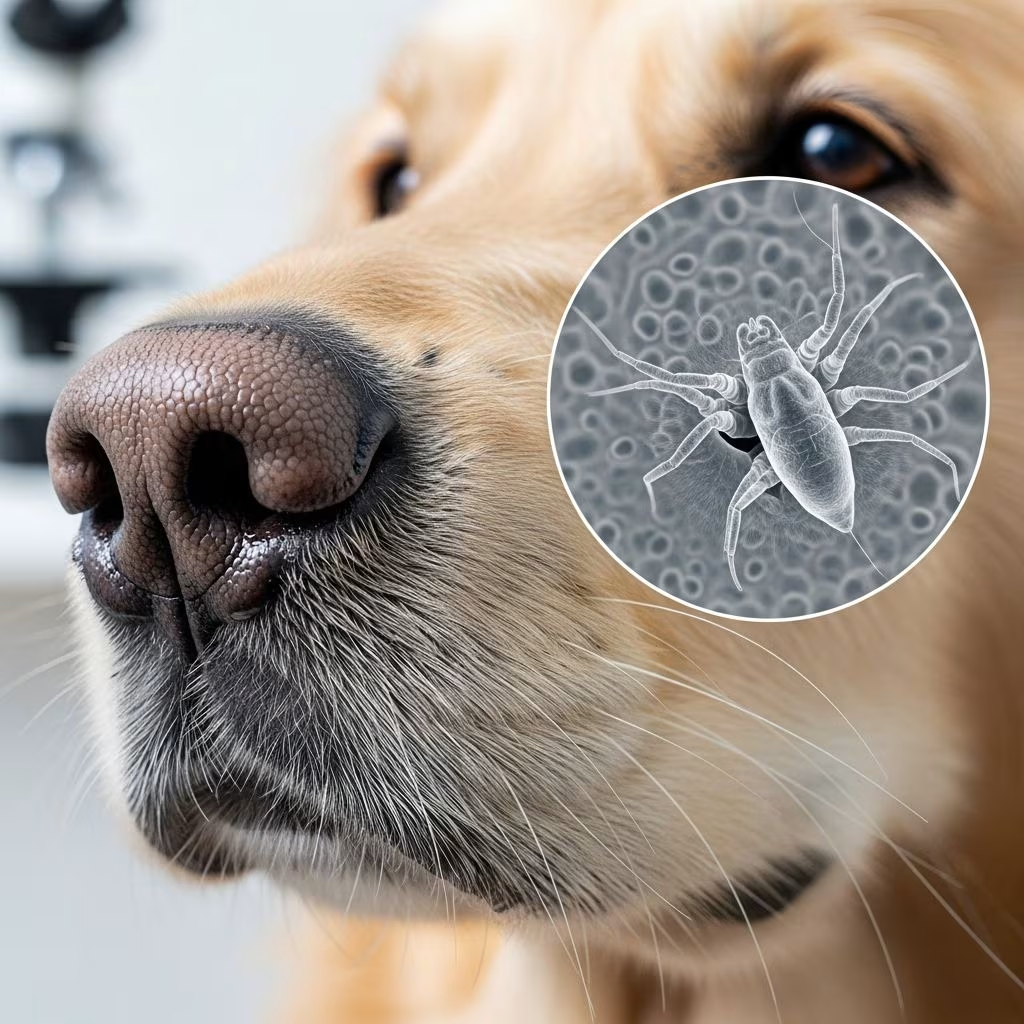
Nasal mites represent a parasitic concern that affects canine populations across various geographic regions, with prevalence rates reaching up to 25% in some areas. These microscopic parasites inhabit the nasal passages and paranasal sinuses of affected dogs, creating a health challenge that requires professional veterinary intervention for proper resolution. While not immediately life-threatening, nasal mite infections can significantly impact a dog’s quality of life through persistent respiratory symptoms and discomfort. Understanding the nature of this condition, recognizing clinical indicators, and pursuing appropriate diagnostic and therapeutic approaches enables pet owners to effectively manage their dog’s health.
The Biology and Epidemiology of Nasal Mite Infections
Nasal mites, scientifically identified as Pneumonyssoides caninum, are obligate parasites that establish themselves within the nasal cavity and surrounding sinus structures of canine hosts. The complete lifecycle of these organisms remains incompletely understood by the veterinary medical community, though transmission is believed to occur through both direct contact between infected and susceptible dogs and indirect environmental exposure. Geographic distribution appears uneven, with some regions experiencing significantly higher infection rates than others.
Pet owners should understand that nasal mite infection represents a distinct parasitic challenge compared to other mite-related conditions affecting dogs. While external parasites like mange mites and ear mites are relatively well-characterized, nasal mites operate within a protected anatomical location that complicates both detection and treatment. The mites do not present a zoonotic risk, meaning they cannot be transmitted to humans or other non-canine species.
Recognizing Clinical Manifestations of Nasal Mite Disease
Dogs infected with nasal mites may display a variable spectrum of clinical signs, ranging from subtle symptoms to pronounced respiratory distress. Importantly, not all infected dogs develop observable symptoms, which complicates early detection and may allow infection to persist unrecognized.
Common Symptom Presentation
The most frequently observed clinical signs include:
- Frequent sneezing episodes, particularly during excitement or physical activity
- Nasal discharge that may be unilateral or bilateral
- Epistaxis (nosebleeds), which may range from mild spotting to more pronounced bleeding
- Reverse sneezing, characterized by rapid inward airflow through the nasal passages
- Head shaking and facial rubbing behaviors indicating nasal discomfort
- Stridor or high-pitched, noisy breathing patterns
- Labored breathing or dyspnea during exertion
- Diminished olfactory function, affecting the dog’s ability to detect scents
- Facial pruritus or itching sensations localized to the nasal region
Secondary symptoms may include coughing, restlessness, and in severe cases, collapse. The intensity and combination of symptoms varies considerably among individual dogs, with some experiencing mild occasional sneezing while others present with pronounced respiratory compromise.
Diagnostic Approach to Suspected Nasal Mite Infection
Accurate diagnosis proves challenging because nasal mite symptoms overlap significantly with other upper respiratory conditions affecting dogs. Veterinarians must employ a systematic diagnostic strategy to establish definitive diagnosis and exclude alternative causes of respiratory disease.
Initial Evaluation and Physical Assessment
Veterinary examination begins with a thorough physical assessment and detailed history regarding symptom onset, severity, and progression. Physical examination may reveal nasal discharge, evidence of epistaxis, or facial discomfort, though external findings are often minimal given the internal location of the parasites.
Advanced Diagnostic Procedures
Several diagnostic modalities provide valuable information for confirming nasal mite infection:
- Rhinoscopy: This procedure involves inserting a flexible endoscopic camera into the nasal passages under general anesthesia. Direct visualization allows veterinarians to observe the nasal cavity lining and potentially visualize mites moving within the affected tissues.
- Nasal Lavage: Saline solution is flushed through the nasal passages using specialized catheters or syringes, and the collected fluid is examined microscopically for presence of mites and other debris. This procedure is performed under anesthesia to minimize patient distress.
- Imaging Studies: Computed tomography (CT) scanning provides superior detail of nasal passage anatomy and sinus structures compared to conventional radiography. CT imaging helps identify structural damage, rule out foreign bodies, and assess the extent of disease.
- Nasal Biopsy: Tissue samples collected from nasal structures can be submitted for histopathological examination when other diagnostic methods prove inconclusive.
- Laboratory Testing: Blood and urine analysis may reveal eosinophilia (elevated eosinophil counts), which can suggest parasitic infection in conjunction with compatible clinical signs.
Veterinarians often perform imaging and laboratory testing prior to endoscopy or nasal lavage procedures, as these invasive techniques can themselves trigger respiratory signs in some dogs.
Therapeutic Interventions and Treatment Protocols
Currently, no medications are officially approved by regulatory agencies specifically for nasal mite treatment in dogs. However, multiple antiparasitic agents have demonstrated effectiveness in clinical practice, with success rates exceeding 85% in many cases.
Primary Antiparasitic Agents
The most frequently utilized medications include:
| Medication | Dosage Protocol | Administration Method | Efficacy Data |
|---|---|---|---|
| Milbemycin Oxime | 0.5–1.0 mg/kg weekly for 3 consecutive weeks | Oral administration | Highly effective; clinical signs resolved in 85% of treated dogs within 10–14 days |
| Ivermectin | 200–400 mcg/kg per dose | Subcutaneous or oral administration | Effective with rapid symptom resolution reported within 48 hours for some cases |
| Selamectin | 6–24 mg/kg repeated every 14 days for 3 applications | Topical application | Demonstrated effectiveness in select cases |
| Imidacloprid/Moxidectin Combination | Per product labeling | Topical application | Likely effective based on pharmacologic properties |
Adjunctive Therapeutic Approaches
Beyond antiparasitic medications, veterinarians may prescribe additional medications to address secondary symptoms and improve patient comfort:
- Corticosteroids reduce inflammation within nasal passages and sinuses, alleviating congestion and discomfort
- Antihistamines manage itching sensations and reduce allergic-type responses
- Antibiotics address concurrent bacterial infections when culture results indicate bacterial involvement
- Sedatives may be necessary for anxious dogs experiencing breathing difficulties exacerbated by excitement or stress
Treatment Outcomes and Prognosis
Most dogs respond favorably to appropriate antiparasitic therapy, with complete clinical resolution occurring in the majority of cases. Symptom improvement frequently occurs within the initial 10–14 days of treatment initiation. Dogs exhibiting complete mite elimination typically achieve excellent long-term prognosis without recurrence.
Some dogs experience persistent symptoms despite treatment, which usually indicates concurrent upper airway disease or respiratory conditions unrelated to mite infection. In such situations, additional diagnostics and alternative therapeutic approaches may be necessary.
Prevention and Risk Reduction Strategies
While complete prevention cannot be guaranteed, several measures substantially reduce nasal mite infection risk in susceptible dogs:
- Avoidance of contact with dogs known to be infected with nasal mites represents the most direct prevention strategy
- Regular use of year-round preventive medications targeting fleas, ticks, and other parasites may provide incidental protection against nasal mites
- Limiting exposure to dogs with signs suggestive of nasal mite infection
- Maintaining good hygiene practices and minimizing environmental contamination
Home Management Considerations
Pet owners should refrain from attempting to treat suspected nasal mite infections without professional veterinary diagnosis. The similarity between nasal mite symptoms and other respiratory conditions means that administering inappropriate medications could potentially cause harm. Dogs presenting with persistent sneezing, nosebleeds, reverse sneezing, or other concerning respiratory signs warrant prompt veterinary evaluation.
Frequently Asked Questions About Canine Nasal Mites
Can humans contract nasal mites from infected dogs?
No. Pneumonyssoides caninum is species-specific and does not present a zoonotic risk. These mites cannot establish infection in human hosts.
Are nasal mites contagious to other dogs?
Yes. Transmission occurs through direct contact between infected and susceptible dogs, as well as through indirect environmental exposure. Dogs in close contact with infected individuals should be monitored for symptom development.
How long does treatment typically require?
Most antiparasitic protocols involve treatment periods of 3–4 weeks. Clinical improvement often becomes apparent within the first 10–14 days of initiating therapy.
What percentage of treated dogs achieve complete recovery?
Approximately 85% or more of dogs receiving appropriate antiparasitic treatment experience complete resolution of clinical signs and achieve excellent long-term prognosis.
Can nasal mites be prevented through standard flea and tick prevention?
Year-round preventive medications may provide incidental protection, though no prevention method provides absolute certainty. Avoidance of infected dogs remains the most reliable preventive approach.
References
- Nasal Mites in Dogs – Causes, Treatment and Associated Conditions — Vetster. https://vetster.com/en/conditions/dog/nasal-mites
- Nasal Mites – Companion Animal Parasite Council — Companion Animal Parasite Council. https://capcvet.org/guidelines/nasal-mites/
- Use of milbemycin oxime in the treatment of dogs with nasal mite infection — PubMed/National Center for Biotechnology Information. https://pubmed.ncbi.nlm.nih.gov/9551380/
- Canine Nasal Mites – Dog Owners – MSD Veterinary Manual — MSD Veterinary Manual. https://www.msdvetmanual.com/dog-owners/lung-and-airway-disorders-of-dogs/canine-nasal-mites
- Canine Nasal Mites – Respiratory System – Merck Veterinary Manual — Merck Veterinary Manual. https://www.merckvetmanual.com/respiratory-system/respiratory-diseases-of-small-animals/canine-nasal-mites
- How to Get Rid of Nasal Mites in Dogs — Whole Dog Journal. https://www.whole-dog-journal.com/health/how-to-get-rid-of-nasal-mites-in-dogs/



