

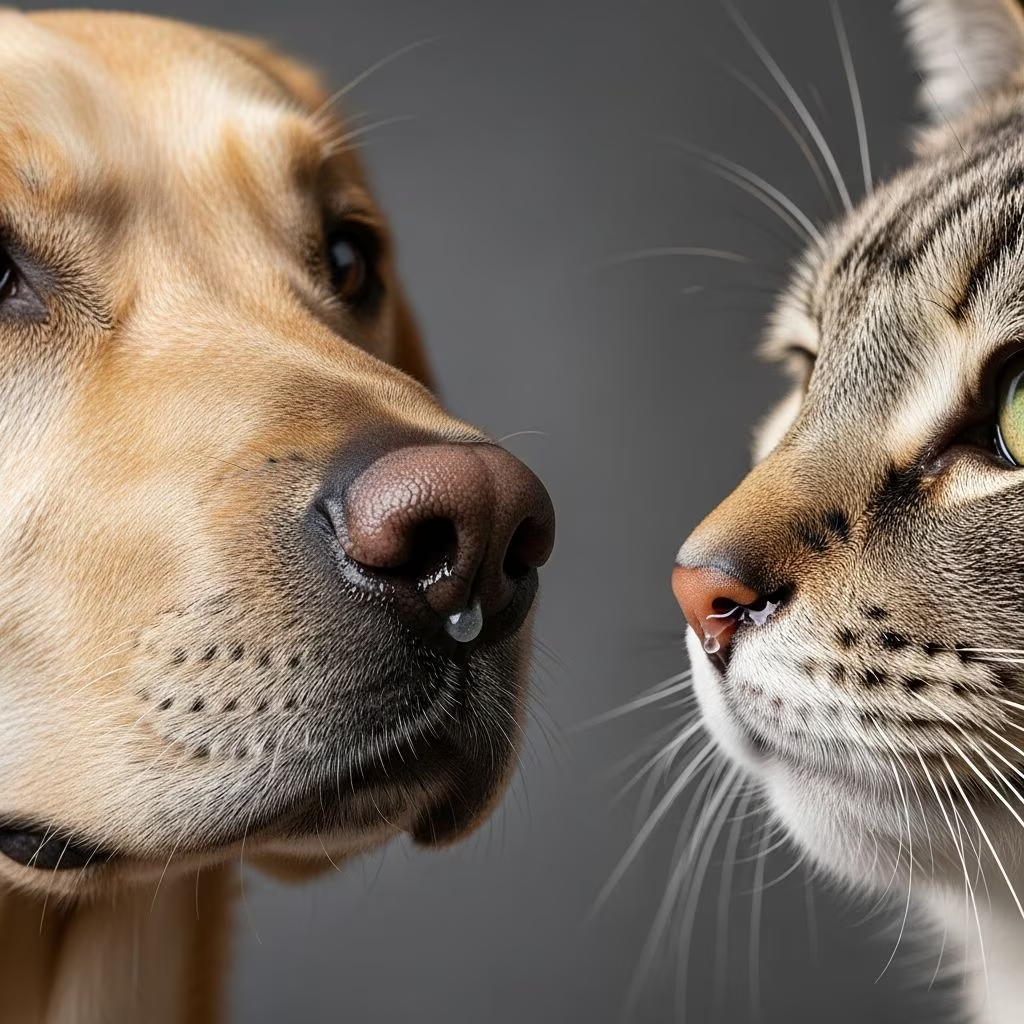
Respiratory challenges in the nasal passages affect many dogs and cats, leading to discomfort and potential health complications. Rhinitis involves irritation of the nasal lining, while sinusitis targets the surrounding air pockets, often occurring together as rhinosinusitis. Early recognition and intervention are key to restoring normal breathing and preventing chronic issues.
Understanding the Anatomy of Pet Nasal Passages
Dogs and cats have intricate nasal structures designed to filter air, warm it, and detect scents. The nasal cavity connects directly to sinuses, which are hollow spaces in the skull. In dogs, long-nosed breeds like Collies have extended passages prone to certain infections, whereas flat-faced breeds face obstruction risks. Cats, especially brachycephalic ones, experience higher chronic inflammation rates due to narrowed airways.
Healthy mucosa produces mucus to trap particles, with cilia sweeping them out. Disruptions from inflammation impair this, allowing pathogens deeper access and straining the lungs.
Common Signs Your Pet Has Nasal Problems
Pet owners often notice subtle changes escalating to clear distress. Key indicators include:
- Persistent sneezing or snorting, sometimes with pawing at the face.
- Nasal discharge: clear, mucoid, pus-like, or bloody, often from one side signaling foreign objects.
- Snoring, open-mouth breathing, or noisy respiration.
- Eye watering or conjunctivitis accompanying nasal symptoms.
- Reduced appetite or lethargy in severe cases.
Acute episodes mimic colds, resolving quickly, but chronic forms last over a month, earning nicknames like ‘snufflers’ in cats. Unilateral discharge warrants urgent checks for tumors or blockages.
Primary Causes of Rhinitis and Sinusitis
Multiple factors trigger these conditions, categorized by onset and type.
Infectious Agents
Viral infections dominate acute cases in dogs, including distemper, adenovirus, and parainfluenza. These weaken defenses, inviting bacteria like Bordetella. In cats, herpesvirus and calicivirus cause upper respiratory infections, with carriers spreading via contact. Fungal culprits like Aspergillus thrive in German Shepherds, while Cryptococcus affects various breeds.
Non-Infectious Triggers
Foreign bodies like grass seeds irritate passages, common after outdoor play. Allergens provoke seasonal flares, and dental issues extend to sinuses. Parasites such as nasal mites infest dogs, visible via flushing. Trauma or breed anatomy in brachycephalics leads to cysts or polyps.
| Cause Type | Dogs | Cats |
|---|---|---|
| Viral | Distemper, parainfluenza | Herpesvirus, calicivirus |
| Bacterial | Secondary to viruses | Bordetella, Mycoplasma |
| Fungal | Aspergillus | Cryptococcus |
| Other | Foreign bodies, mites | Chronic idiopathic |
Diagnostic Approaches for Accurate Identification
Veterinarians start with history and exams, noting discharge color and duration. Imaging like X-rays or CT scans reveal sinus fluid or turbinate damage. Rhinoscopy visualizes interiors, grabbing samples or foreign items, ideal for aspergillosis or mites. Biopsies analyze inflammation types, ruling out cancer. Cultures pinpoint pathogens for targeted therapy. Bloodwork excludes systemic diseases.
For chronic cases, advanced tools ensure no underlying tumors or polyps are missed, guiding from supportive care to surgery.
Treatment Strategies Tailored to the Cause
Therapy hinges on diagnosis, balancing relief and cure.
Medical Interventions
- Antibiotics: Oral or nebulized for bacterial overgrowth; complete courses prevent resistance.
- Antifungals: Infusions for Aspergillus plaques, or fluconazole for Cryptococcus.
- Supportive Care: Nebulization clears mucus; antihistamines like clemastine for allergies.
- Antiparasitics: Milbemycin or ivermectin eradicates mites.
Advanced Procedures
Persistent infections may need sinus flushes via rhinoscopy or surgery. Tumors respond to radiation, cysts to removal in brachycephalics. Lymphoplasmacytic rhinitis resists meds, requiring ongoing management.
Breed-Specific Vulnerabilities and Risks
Certain breeds face heightened risks:
- Dogs: Dolichocephalics (long noses) for fungal; brachycephalics for cysts.
- Cats: Persians for chronic rhinosinusitis.
Genetic ciliary issues yield poor prognoses, as impaired clearance fosters recurrent infections.
Preventive Measures for Long-Term Wellness
Vaccination against distemper, parainfluenza, and Bordetella curbs virals. Minimize allergen exposure with air filters. Routine dental care prevents extensions. Avoid irritants like smoke. Early foreign body removal via monitoring play reduces trauma. Chronic cases benefit from probiotics supporting immunity.
Prognosis and Home Management Tips
Acute infections often resolve with one antibiotic round, though recurrences occur due to anatomy. Fungal treatments succeed in 70-80% with aggressive care. Idiopathic chronic forms frustrate, needing multimodal approaches. Home care includes humidifiers, saline rinses, and diet tweaks for allergies.
Monitor for worsening like breathing distress, seeking immediate vet aid.
Frequently Asked Questions (FAQs)
Can rhinitis resolve without treatment?
Mild viral cases may self-limit, but persistent symptoms risk complications; vet evaluation is advised.
Is surgery always needed for sinusitis?
No, most respond to meds; reserved for refractory infections or masses.
Are allergies a common cause in pets?
Yes, especially seasonal, treatable with avoidance and antihistamines.
How do I know if it’s mites?
Rhinoscopy confirms; treatable with targeted parasiticide.
What’s the outlook for chronic cases?
Guarded, but quality of life improves with diligent care.
References
- Sinusitis and Rhinitis in Dogs — Falls Village Vet. 2023. https://raleighncvet.com/dog-care/sinusitis-and-rhinitis-in-dogs/
- Rhinitis and Sinusitis in Dogs – Dog Owners — MSD Veterinary Manual. 2024-01-15. https://www.msdvetmanual.com/dog-owners/lung-and-airway-disorders-of-dogs/rhinitis-and-sinusitis-in-dogs
- Feline Rhinitis and Upper Respiratory Disease — Today’s Veterinary Practice. 2023. https://todaysveterinarypractice.com/respiratory-medicine/feline-rhinitis-upper-respiratory-disease/
- Rhinitis and Sinusitis — Glendale Animal Hospital. 2022. https://www.familyvet.com/storage/app/media/Rhinitis.pdf
- Rhinitis and Sinus Infections in Dogs — PetMD. 2024-02-10. https://www.petmd.com/dog/symptom/rhinitis-sinus-infections-in-dogs
- Nasal disorders in the dog and cat (Proceedings) — dvm360. 2023. https://www.dvm360.com/view/nasal-disorders-dog-and-cat-proceedings
- Specialty Spotlight: Nasal Disease in Dogs and Cats — UVS Online. 2024. https://www.uvsonline.com/nasal-disease-in-dogs-and-cats/



