

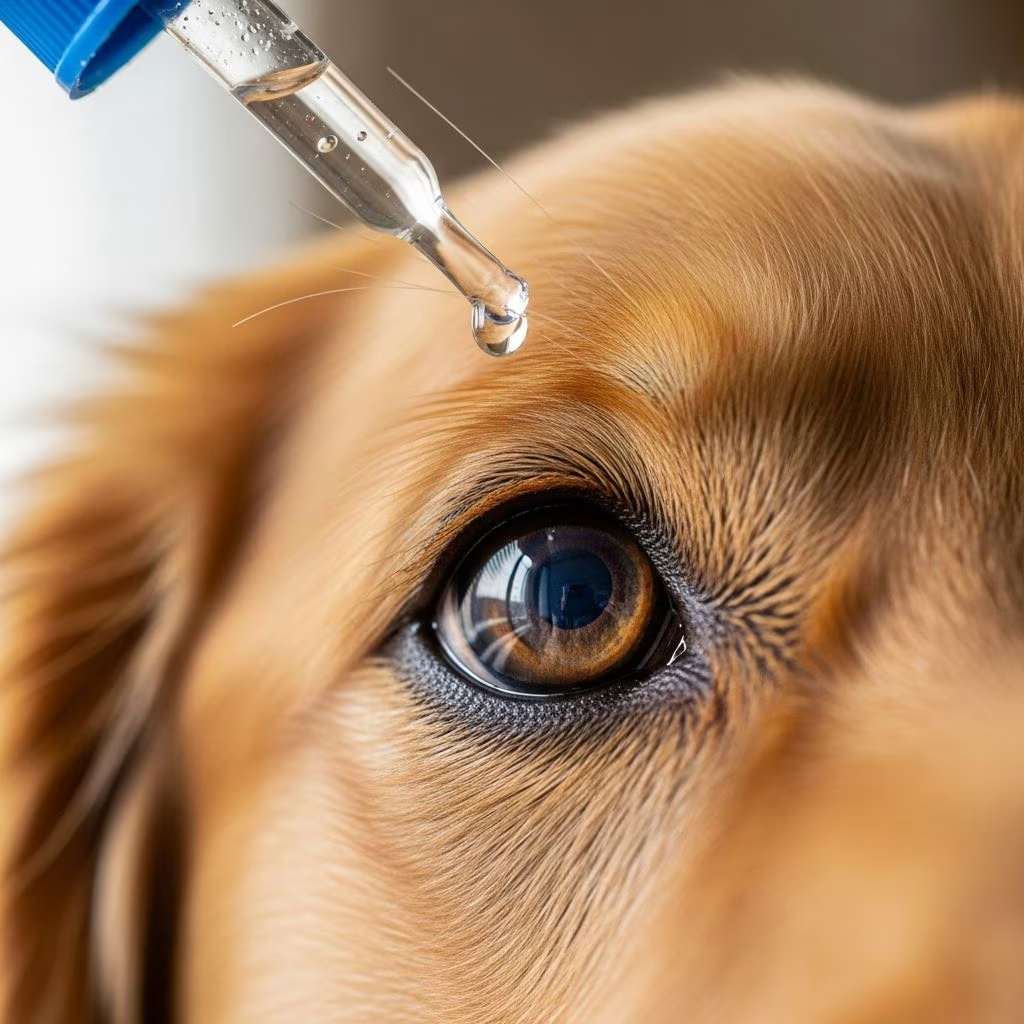
Cataracts represent a leading cause of vision loss in dogs, characterized by clouding of the lens that obstructs light from reaching the retina. While surgical intervention remains the gold standard for vision restoration, N-acetylcarnosine (NAC) eye drops emerge as a non-invasive alternative aimed at slowing progression or dissolving early-stage opacities. These drops, often marketed for pet use, work by delivering antioxidants directly to the lens, potentially mitigating protein aggregation responsible for cloudiness.
Understanding Cataracts in Canine Patients
Cataracts develop when proteins in the eye’s lens clump together, forming opaque areas that impair sight. In dogs, this condition frequently links to genetics, aging, diabetes, or trauma. Breeds like Poodles, Labrador Retrievers, and Boston Terriers show higher susceptibility due to hereditary factors. Early signs include a bluish-gray haze in the pupil, bumping into objects, or hesitation on stairs, progressing to total blindness if untreated.
Diabetic dogs face rapid cataract onset, often within months of diagnosis, as elevated blood sugar alters lens metabolism. Unlike nuclear sclerosis—a benign age-related haze—true cataracts block vision and demand intervention. Veterinary assessment via ophthalmoscopy and electroretinography confirms diagnosis, ruling out retinal issues that could mimic symptoms.
The Science Behind N-Acetylcarnosine Therapy
N-Acetylcarnosine, a derivative of the dipeptide carnosine, penetrates the cornea effectively due to its lipid-soluble nature. Inside the lens, it breaks down into L-carnosine, an antioxidant that inhibits glycation—a process where sugars bind proteins, leading to opacification. Studies suggest NAC neutralizes free radicals, reduces cross-linked proteins, and enhances chaperone activity to refold damaged lens fibers.
While human trials show promise for age-related cataracts, canine applications draw from similar mechanisms, positioning NAC as a supportive therapy for immature cataracts (1-25% opacity). Unlike prescription anti-inflammatories, NAC targets the cataract itself rather than secondary inflammation. Daily application—typically 1-2 drops per eye twice daily—aims to halt progression, with visible improvements in 3-6 months for mild cases.
Comparing NAC Drops to Standard Treatments
Surgery via phacoemulsification removes the cloudy lens using ultrasound, implanting an artificial intraocular lens (IOL). Success rates reach 80-95% in ideal candidates, restoring near-normal vision. Pre-op tests like ocular ultrasound and electroretinograms ensure retinal viability, as non-functional retinas render surgery futile. Post-op care involves anti-inflammatory drops 4-6 times daily, e-collars, and lifelong monitoring.
| Treatment | Pros | Cons | Cost Estimate (per eye) | Success Rate |
|---|---|---|---|---|
| NAC Eye Drops | Non-invasive, at-home, affordable | Not proven to fully reverse advanced cataracts; variable results | $50-100/month | Supportive (slows progression) |
| Phacoemulsification Surgery | Restores vision in 80-95% cases | Anesthesia risks, recovery time, complications like uveitis | $3,000-$4,500 | 80-95% |
| Medical Management (Drops only) | Controls inflammation/glaucoma | Does not restore vision | $20-50/month | N/A |
NAC suits dogs unfit for surgery—seniors, those with comorbidities, or owners preferring conservative approaches. It complements monitoring with NSAIDs like diclofenac to curb lens-induced uveitis (LIU).
Step-by-Step Guide to Using NAC Drops
- Consult a Vet: Confirm cataracts via exam; rule out contraindications like ulcers or glaucoma.
- Select Product: Choose vet-approved NAC formulations (e.g., 1% solution); avoid unverified brands.
- Preparation: Shake bottle, wash hands, restrain dog gently.
- Application: Tilt head back, pull lower lid, instill 1-2 drops, hold eye closed 30 seconds. Repeat twice daily.
- Monitoring: Track pupil clarity weekly; report redness, squinting, or discharge immediately.
- Duration: Minimum 3-6 months; taper if improvement plateaus.
Combine with antioxidants like vitamin C/E in diet to amplify effects. Hygiene prevents contamination—discard opened bottles after 1-2 months.
Potential Benefits and Real-World Outcomes
Owners report clearer lenses and improved navigation in early cataracts, with some dogs regaining light perception. NAC may delay surgery needs, preserving quality of life cost-effectively. In diabetic cases, stabilizing blood sugar alongside drops enhances outcomes. Unlike surgery, no anesthesia risks or extended recovery suit multi-pet homes or active breeds.
Limitations persist: NAC excels in incipient cataracts but falters in mature/hyper-mature stages where fibrosis sets in. No large-scale veterinary trials confirm efficacy, relying on anecdotal and extrapolated human data. Veterinary ophthalmologists prioritize surgery for vision restoration.
Risks, Side Effects, and When to Avoid NAC
Generally safe, NAC rarely causes stinging or allergies. Overuse risks delaying surgery in progressing cases, worsening uveitis or glaucoma. Avoid in ulcerated corneas, active infections, or post-trauma eyes—steroids in some drops exacerbate issues. Pregnant dogs or puppies under 6 months warrant caution absent pediatric data.
Secondary complications from unmanaged cataracts include retinal detachment (5-10% risk) or painful glaucoma, necessitating enucleation in extremes. Regular IOP checks every 4-6 months guide therapy adjustments.
Integrating NAC into Comprehensive Eye Care
Pair NAC with lifestyle tweaks: UV-protective goggles outdoors, omega-3 supplements for anti-inflammatory support, and blood sugar control in diabetics. Annual ophthalmic exams track progression. For bilateral cataracts, treat both eyes symmetrically to avoid behavioral confusion.
Breeds with poor surgical prognoses (e.g., Pugs) benefit most from conservative options. Transition to surgery if drops fail after 6 months.
Frequently Asked Questions
Can NAC drops fully cure cataracts in dogs?
No, they primarily slow or partially reverse early cataracts; surgery is required for complete vision restoration.
How soon do results appear?
Improvements may start in 4-8 weeks for mild cases, with full assessment at 3-6 months.
Is surgery always necessary?
Not if NAC stabilizes vision or dogs adapt well; surgery suits motivated owners seeking optimal sight.
Are there breed-specific considerations?
Hereditary breeds respond variably; consult specialists for tailored plans.
What if my dog develops side effects?
Discontinue and seek vet care for irritation, clouding worsening, or pain.
Choosing the Right Path Forward
Decide based on cataract stage, dog health, and budget. Early intervention—whether NAC or referral to a veterinary ophthalmologist—preserves comfort and function. Blind dogs thrive with environmental adaptations like scent cues, but proactive care upholds their active lifestyles.
References
- Cataracts in Dogs: Signs, Causes, Diagnosis, and Treatment — Best Friends Animal Society. 2023. https://bestfriends.org/pet-care-resources/cataracts-dogs-signs-causes-diagnosis-and-treatment
- Cataract Surgery for Dogs: Everything You Need To Know — PetMD. 2024. https://www.petmd.com/dog/procedure/cataract-surgery-for-dogs
- Cataracts in Dogs — VCA Animal Hospitals. 2024. https://vcahospitals.com/know-your-pet/cataracts-in-dogs
- Managing Diabetic Cataracts in Veterinary Medicine — VetGirl. 2023. https://vetgirlontherun.com/managing-diabetic-cataracts-in-veterinary-medicine-with-dr-shelby-reinstein-dacvo-vetgirl-veterinary-continuing-education-blog/
- Canine Cataracts — Cornell University College of Veterinary Medicine. 2024. https://www.vet.cornell.edu/departments-centers-and-institutes/riney-canine-health-center/canine-health-topics/canine-cataracts
- Early Detection and Management of Cataracts in Dogs — Today’s Veterinary Nurse. 2020-05-01. https://todaysveterinarynurse.com/wp-content/uploads/sites/3/2020/05/Grogan_Cataracts_TVNSummer2020.pdf
- Non-Surgical Management of Cataracts — Animal Eye Care. 2024. https://www.animaleyecare.com.au/advice-sheet/non-surgical-management-of-cataracts/



