

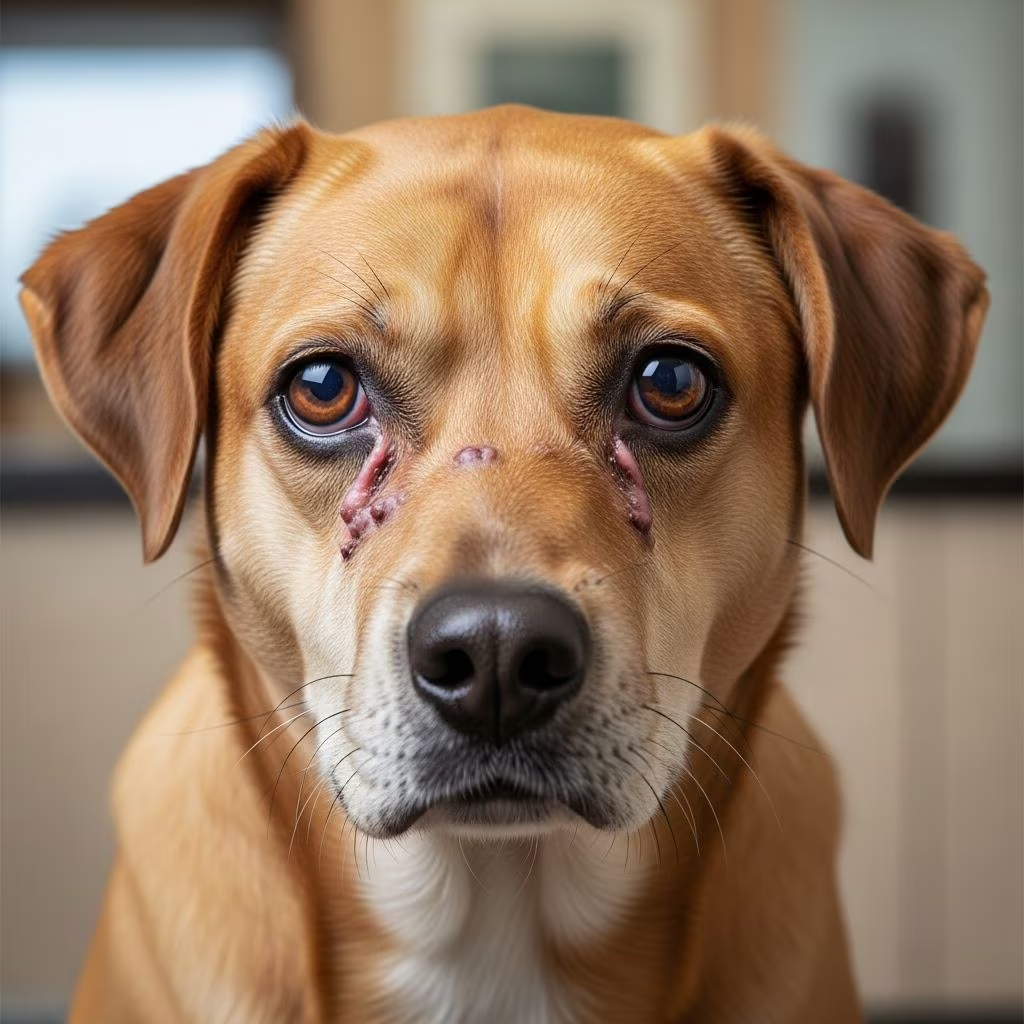
Myxomatosis primarily affects rabbits but can pose risks to dogs through indirect exposure or rare cross-species interactions. Understanding this viral disease helps dog owners implement protective measures effectively.
Understanding the Nature of Myxomatosis
Myxomatosis stems from the myxoma virus, a member of the poxvirus family, notorious for causing severe illness in lagomorphs like rabbits. While dogs are not natural hosts, environmental contamination or contact with infected wildlife can lead to complications. The virus targets mucous membranes and skin, leading to pronounced swelling and systemic effects. In regions with high rabbit populations, dogs exploring outdoors face heightened exposure risks.
The virus thrives in insect vectors such as fleas, mosquitoes, and mites, which facilitate its spread. Dogs may encounter contaminated surfaces or vectors carrying the pathogen from rabbits. Although direct canine infection is uncommon, vigilance remains crucial, especially in rural or wild-adjacent areas.
Recognizing Early Symptoms in Canines
Dogs showing potential myxomatosis signs often exhibit subtle initial changes progressing to overt distress. Key indicators include:
- Swelling around the eyes, nose, and genital regions
- Discharge from eyes resembling milky fluid
- Lethargy and reduced activity levels
- Loss of appetite and weight decline
- Respiratory challenges or nasal congestion
These manifestations mirror those in rabbits but may appear milder in dogs due to species differences. Prompt observation during outdoor activities aids early detection. Conjunctivitis-like eye issues and facial edema signal urgent veterinary consultation.
Transmission Pathways and Risk Factors
The myxoma virus spreads via direct contact with infected animals or indirect means through arthropod bites. Dogs roaming near wild rabbits or in flea-infested zones encounter elevated threats. Contaminated bedding, water sources, or grooming tools perpetuate transmission.
| Risk Factor | Description | Prevention Tip |
|---|---|---|
| Insect Vectors | Fleas, mosquitoes, mites carry virus | Regular flea treatments |
| Wildlife Contact | Proximity to infected rabbits | Supervised outdoor time |
| Shared Environments | Contaminated hutches or yards | Thorough disinfection |
Incubation spans days to weeks, complicating early intervention. Multi-pet households amplify spread potential if hygiene lapses.
Veterinary Diagnosis Procedures
Diagnosis involves clinical exams, history review, and lab tests. Vets assess symptoms like edema and discharge, ruling out allergies or bacterial issues. PCR testing or viral culture from swabs confirms myxoma presence. Blood work evaluates secondary infections.
Early diagnosis enhances management outcomes. Owners should detail recent exposures, aiding differential diagnoses from conditions like canine distemper.
Treatment Approaches and Challenges
No specific antiviral cures exist for myxomatosis; supportive care predominates. Vets administer:
- Antibiotics for secondary bacterial invasions
- Anti-inflammatories to curb swelling
- Fluid therapy for hydration
- Pain management medications
Prognosis varies; severe cases may necessitate euthanasia to alleviate suffering. Isolation prevents household spread. Recovery demands intensive monitoring, with survival rates improving via timely intervention.
Prevention Strategies for Dog Owners
Proactive steps fortify defenses against myxomatosis:
- Annual vaccinations where available, boosting immunity
- Consistent flea and tick preventatives
- Secure fencing to deter wildlife
- Regular hutch and yard sanitization with bleach solutions
Vaccination efficacy reduces severity even if breakthrough occurs. Insect repellents on collars or topicals minimize vector bites. Routine health checks catch vulnerabilities early.
Impact on Multi-Pet Households
In homes with dogs and rabbits, isolation protocols are paramount. Separate living spaces, dedicated feeding stations, and cross-contamination avoidance are essential. Disinfect shared paths meticulously. Monitor all animals post-exposure.
Long-Term Care Post-Exposure
Survivors require convalescence with nutritional support and gentle exercise. Eye care prevents ulcers; respiratory aids combat pneumonia risks. Follow-up vet visits track recovery. Boostered vaccinations maintain protection.
FAQs on Myxomatosis in Dogs
Can dogs directly contract myxomatosis from rabbits?
Direct transmission is rare; primary risk arises from insect vectors or fomites.
Is there a vaccine for dogs against myxomatosis?
Vaccines target rabbits primarily; consult vets for off-label canine options.
How quickly does myxomatosis progress in dogs?
Symptoms emerge within 1-2 weeks, with rapid deterioration possible.
What household disinfectants kill the myxoma virus?
Bleach dilutions (1:10) effectively neutralize it on surfaces.
Should I euthanize a dog with suspected myxomatosis?
Decision hinges on suffering extent and prognosis; vets guide humanely.
Regional Considerations and Regulations
Areas with rabbit culls or wild populations heighten risks. Adhere to local vaccination mandates. Report outbreaks to authorities for containment.
References
- The Basics of Myxomatosis — Vets in Endeavour Hills. 2023-05-15. https://vetsinendeavourhills.com.au/the-basics-of-myxomatosis/
- Myxomatosis Awareness — VioVet Blog. 2022-08-10. https://www.viovet.co.uk/blog/p163-Myxomatosis-Awareness
- All About Myxomatosis — Vets in Cranbourne. 2023-07-22. https://vetsincranbourne.com.au/all-about-myxomatosis/
- Myxomatosis — RSPCA SA. 2024-01-12. https://www.rspcasa.org.au/myxomatosis/
- About Myxomatosis — RSPCA Victoria. 2023-11-05. https://rspcavic.org/learn/myxomatosis/
- Myxomatosis – WOAH — World Organisation for Animal Health. 2024-03-20. https://www.woah.org/en/disease/myxomatosis/



