

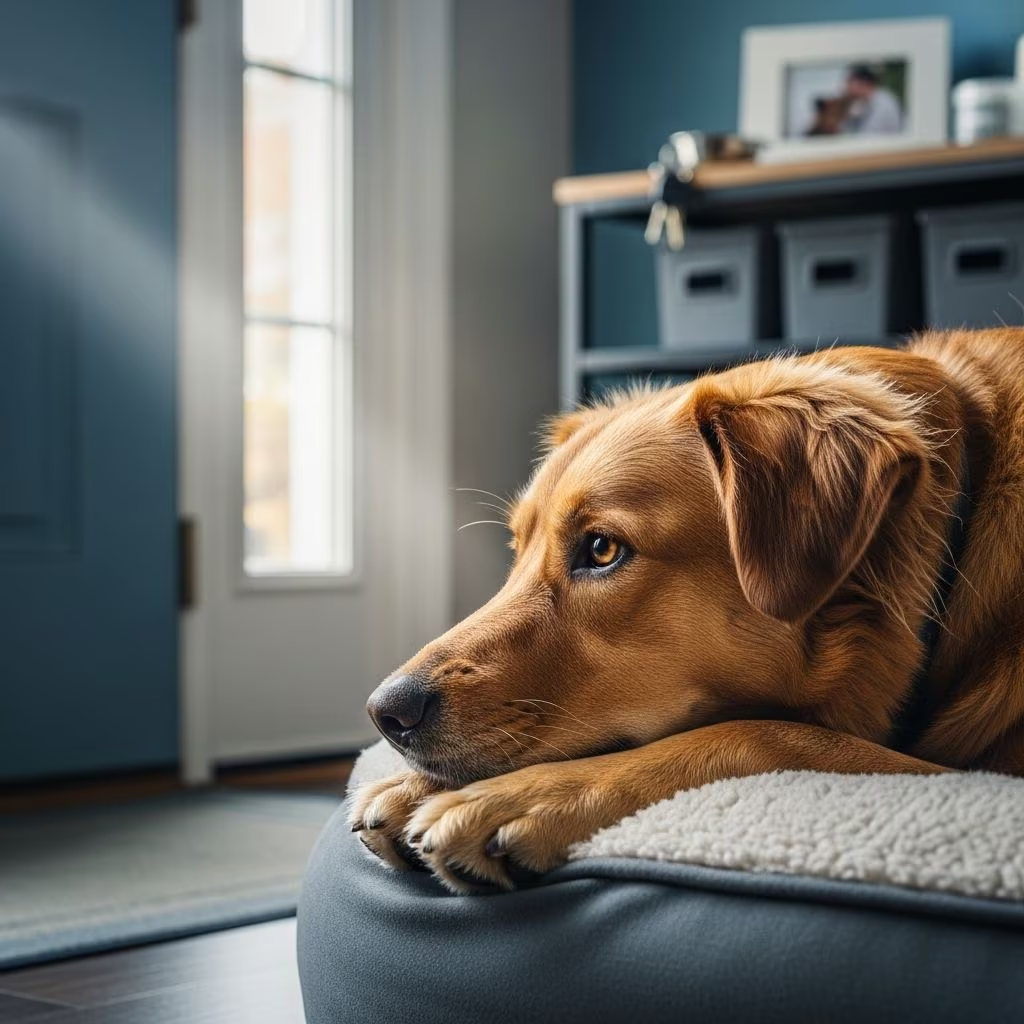
Dog separation anxiety is a prevalent issue affecting millions of pets, characterized by distress when left alone, often manifesting as vocalizing, destruction, or elimination. However, misinformation abounds, leading owners to misguided approaches that can worsen the condition. This article debunks key myths using insights from veterinary studies and expert analyses, empowering you to recognize true signs and pursue effective solutions.
What Is Dog Separation Anxiety?
Separation anxiety in dogs is a stress response triggered by perceived abandonment, distinct from boredom or disobedience. Dogs may howl, chew furniture, or pace excessively only when isolated, not due to spite. Unlike general anxiety, it specifically ties to owner absence, impacting up to 14-40% of canine population per veterinary estimates. Early recognition prevents escalation, focusing treatment on gradual desensitization rather than punishment.
Myth 1: Dogs with Separation Anxiety Won’t Eat When Alone
A common belief holds that anxious dogs refuse food in solitude, serving as a diagnostic litmus test. Reality: Many dogs eat despite anxiety, akin to humans stress-eating. Refusal indicates severe panic but absence doesn’t negate the condition; some devour treats amid distress.
- Observe via camera: Eating alone rules out nothing; focus on other behaviors like vocalizing.
- Variance in coping: Stress responses differ; appetite loss is symptomatic, not definitive.
Debunking this prevents false reassurance, urging video monitoring for accurate assessment.
Myth 2: Velcro Dogs Always Have Separation Anxiety
“Velcro dogs” shadowing owners room-to-room are often labeled anxious preemptively. Fact: Clinginess is normal pack behavior; a 2001 JAVMA study found 64% of non-anxious dogs exhibited hyperattachment. True anxiety reveals in solitude, not proximity.
- Normalcy: Social bonding drives following; separation tests reveal distress.
- Study insight: Hyperattachment correlates but doesn’t cause or confirm SA.
This myth overlooks breed traits (e.g., herding dogs) and promotes unnecessary intervention.
Myth 3: Letting Dogs Sleep in Your Bed Causes Separation Anxiety
Guilt plagues owners allowing bed-sharing, fearing dependency. Evidence: No causal link; JAVMA research shows co-sleeping unrelated to SA development. It fosters security without harm.
- Benefits: Strengthens bonds, provides comfort; guilt-free practice.
- Caveat: For existing SA, nighttime separation aids daytime progress.
Myth stems from dominance theories, now discredited by science favoring positive attachment.
Myth 4: Separation Anxiety Is Your Fault as an Owner
Self-blame surges post-changes like remote work ending or new babies. Truth: Multifactorial origins include genetics, trauma, or abrupt routines; no single “spoiling” culprit. Bonding doesn’t breed anxiety; withholding affection heightens stress.
- Triggers: Moves, losses, schedule shifts—not over-love.
- Relief: Focus on solutions, not fault.
This misconception paralyzes action; owners aren’t villains but vital allies in recovery.
Myth 5: Dogs Grow Out of Separation Anxiety or It’s Just a Phase
Hopes of maturation dash against evidence: SA persists without intervention, unlike developmental fear periods. Adult triggers like relocations sustain it lifelong if untreated.
- Not transient: Requires active coping skill-building.
- Any age: Puppies and seniors alike affected.
Proactive protocols yield improvement; passivity risks chronicity.
Myth 6: Crating Cures or Is Always Harmful for Anxious Dogs
Extremes prevail: Mandatory crating or total avoidance. Balanced view: Viable for crate-comfortable dogs as safe haven; contraindicated for escapers risking injury.
- Positive use: Brief, relaxed sessions build association.
- Avoid pitfalls: Never force; pair with anxiety protocols.
Individual assessment trumps blanket rules.
Myth 7: Exercise Alone Cures Separation Anxiety
Daily runs tire bodies but not anxious minds. Holistic aid: Exercise complements desensitization, enrichment, training—not standalone fix.
- Mental matters: Puzzles, training target root stress.
- Over-reliance fails: Fatigue without coping skills backfires.
Integrate for comprehensive wellness.
Myth 8: Punishment or Alpha Dominance Fixes It
Aversives like scolding post-destruction exacerbate fear. SA is panic, not defiance; positive reinforcement reshapes responses. Dominance myths yield mistrust.
- Counterproductive: Punishment heightens separation distress.
- Effective path: Reward calm aloneness.
Science-backed behaviorism prevails.
Myth 9: Food Toys or Radio Alone Solve Separation Anxiety
Distractions entertain bored dogs, not panicking ones. Severe SA overrides incentives; foundational independence training precedes.
- Limitations: No substitute for desensitization.
- Supportive role: Enhances trained calm.
Layer strategically within protocols.
Myth 10: There’s Nothing You Can Do; They’ll Never Improve
Despair ignores success stories: Protocols reverse SA via science-based steps, yielding 80-90% improvement rates in committed cases.
- Hopeful reality: Gradual exposure, meds if needed.
- Expert aid: Vets, certified trainers transform lives.
Patience and persistence pay dividends.
Signs of True Separation Anxiety
| Sign | Description | Myth Confusion |
|---|---|---|
| Vocalizing | Howling upon departure | Not boredom barking |
| Destruction | Chewing at exits | Escape attempts, not spite |
| Elimination | Indoor accidents | Stress, post-departure |
| Pacing | Frantic paths | Alone-only via camera |
Use cameras for confirmation; greet neutrally to avoid escalation.
How to Address Dog Separation Anxiety Effectively
- Assess: Video absences; consult vet to rule medical issues.
- Desensitize: Micro-departures (seconds to minutes) rewarding calm.
- Enrich: Kongs, puzzles post-successful aloneness.
- Exercise/Mental: Pre-departure walks, training.
- Professional: Trainers, vets for severe cases (fluoxetine aids 70%).
Progress tracks in weeks; consistency key.
Frequently Asked Questions (FAQs)
What breeds are prone to separation anxiety?
No breed immunity; herding, Labs common, but any dog susceptible.
Can puppies have separation anxiety?
Yes; prevent via early crate games, not isolation.
Is medication necessary?
For severe cases; pairs with behavior mod for best outcomes.
How long until improvement?
4-8 weeks with diligent protocols; varies by case.
Does daycare help?
Temporary relief; home independence training essential.
References
- 3 Separation Anxiety Myths That Could Be Misleading You — Rescued by Training. 2025-11-10. https://rescuedbytraining.com/2025/11/10/3-separation-anxiety-myths/
- 7 Separation Anxiety Myths — Whole Dog Journal. 2001 (study cited, recent article). https://www.whole-dog-journal.com/behavior/7-separation-anxiety-myths/
- Separation Anxiety: Make Alone Time Less Scary for Your Pup — HSPPR. Recent. https://www.hsppr.org/separation-anxiety-make-alone-time-less-scary-for-your-pup/
- The 10 Most Common Misconceptions About Dog Separation Anxiety — Pupford. Recent. https://pupford.com/blogs/all/common-misconceptions-dog-separation-anxiety
- Misconceptions about Separation Anxiety — Companion Animal Fund. Recent. https://www.cafva.org/misconceptions-about-separation-anxiety/
- Treating Separation Anxiety Myths — Malena DeMartini. 2024-03. https://malenademartini.com/wp-content/uploads/2024/03/Treating-Separation-Anxiety-Myths.pdf
- 5 Myths About Separation Anxiety — TeleTails. Recent. https://www.teletails.com/blog/5-myths-about-separation-anxiety



