

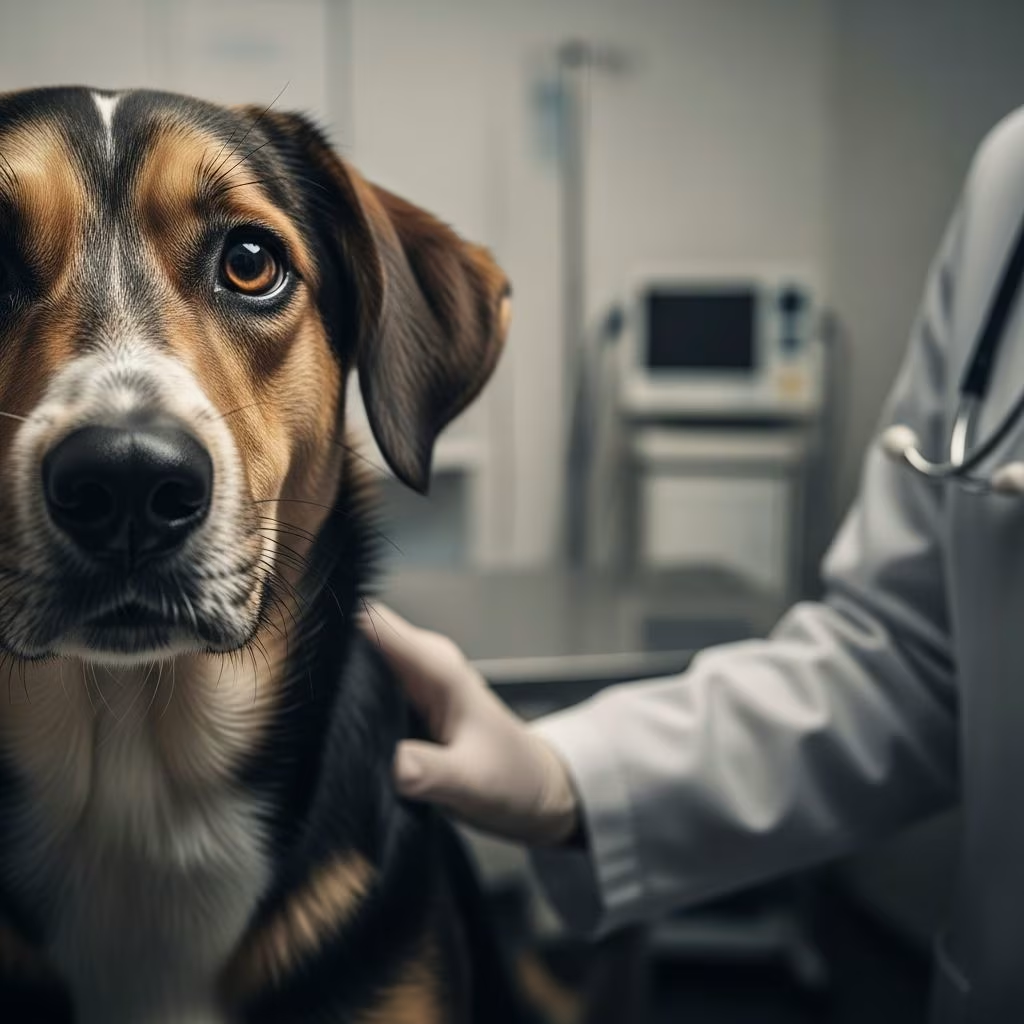
Pet owners across various regions have reported a surge in cases of an unusual respiratory condition in dogs, characterized by prolonged coughing and breathing difficulties that resist standard treatments. This emerging health concern, often dubbed a mystery canine respiratory illness, raises alarms due to its persistence and potential severity, prompting veterinarians to investigate potential new pathogens or environmental triggers.
Recognizing the Warning Signs
Early detection plays a crucial role in managing this illness. Dogs affected typically exhibit a dry, hacking cough that persists beyond the usual duration of common infections like kennel cough, often lasting weeks without improvement. Additional indicators include nasal discharge, sneezing, lethargy, and reduced appetite, mimicking upper respiratory infections but with notable differences in recovery time.
- Persistent cough: Harsh and honking, worsening with activity or excitement.
- Nasal and ocular discharge: Clear to mucopurulent, signaling upper airway involvement.
- Breathing difficulties: Labored respiration or wheezing in advanced stages.
- Fever and fatigue: Mild pyrexia accompanied by disinterest in play or food.
Unlike typical viral bouts that resolve in 1-2 weeks, this mystery illness shows little response to antibiotics initially prescribed for secondary bacterial complications, hinting at a viral or multifaceted origin.
Unpacking the Potential Culprits
The exact cause remains elusive, but experts point to canine infectious respiratory disease complex (CIRDC), a syndrome involving multiple pathogens. Traditional agents like Bordetella bronchiseptica, canine parainfluenza virus (CPIV), and canine adenovirus type 2 (CAV-2) are frequent contributors, often co-infecting to amplify symptoms.
| Pathogen | Role in Illness | Transmission |
|---|---|---|
| Bordetella bronchiseptica | Bacterial trigger for harsh cough | Aerosol in crowded settings |
| CPIV & CAV-2 | Viral upper respiratory signs | Direct contact, airborne |
| Canine Influenza Virus (CIV) | Severe pneumonia risk | Highly contagious in groups |
| Emerging agents (e.g., CHV-1) | Novel contributors | Shelters, boarding facilities |
Environmental irritants such as smoke or allergens can exacerbate vulnerability, while underlying issues like heartworm disease compound respiratory distress. Recent outbreaks suggest a possible new strain, as cases cluster in high-density dog environments like parks and kennels.
High-Risk Environments and Vulnerable Breeds
Dogs in communal settings face elevated exposure risks. Shelters, daycares, grooming salons, and boarding facilities act as hotspots where pathogens spread via aerosols or shared surfaces. Puppies, seniors, and those with compromised immunity—such as small breeds or dogs with chronic conditions—show heightened susceptibility, with symptoms progressing to pneumonia more readily.
- Young puppies under 6 months
- Senior dogs over 8 years
- Brachycephalic breeds (e.g., Bulldogs, Pugs) due to airway anatomy
- Immunosuppressed or unvaccinated pets
Geographic patterns indicate Midwest and Western U.S. clusters, though nationwide vigilance is advised amid potential spread.
When to Rush to the Vet
Monitor closely; seek immediate care if symptoms endure over 7-10 days, or if severe signs emerge like blue gums, extreme lethargy, or breathing distress. Diagnostic steps include physical exams, radiographs to check for pneumonia, and PCR tests for specific pathogens.
Veterinarians may recommend bloodwork to rule out systemic issues and cultures for bacterial identification. Early intervention prevents complications like chronic bronchitis or secondary infections.
Treatment Strategies That Work
Management focuses on supportive care, as most cases are self-limiting. Cough suppressants, nebulization, and humidifiers ease discomfort, while broad-spectrum antibiotics target secondary bacteria if confirmed.
- Rest and isolation: Limit activity and exposure to others.
- Hydration and nutrition: Encourage fluids; use elevated bowls if coughing hinders eating.
- Medications: Antitussives, bronchodilators, or anti-inflammatories as prescribed.
- Advanced care: Oxygen therapy or hospitalization for pneumonia cases.
Recovery typically spans 2-4 weeks, but persistent cases warrant re-evaluation for rare fungi or parasites.
Proven Prevention Tactics
Vaccination remains the cornerstone. Core shots for distemper, adenovirus, and parainfluenza provide baseline protection, with Bordetella and canine flu boosters ideal for social dogs. Administer intranasal vaccines 2 weeks prior to high-risk events for optimal mucosal immunity.
Daily Protection Habits
- Maintain up-to-date vaccinations and titer checks.
- Avoid crowded areas during outbreaks.
- Practice hygiene: Clean toys, leashes, and bowls regularly.
- Boost immunity with balanced diet, exercise, and stress reduction.
- Heartworm preventives to avert parasitic contributions.
Quarantine new or symptomatic dogs for at least 2 weeks to curb transmission.
FAQs on Canine Respiratory Mysteries
Is this the same as kennel cough?
Not exactly; while overlapping, the mystery illness persists longer and resists typical recovery.
Can my dog spread it to humans?
No, these pathogens are canine-specific.
How long is contagious?
Up to 3-4 weeks, even post-symptom resolution.
What if home remedies fail?
Consult a vet promptly to avoid pneumonia.
Are natural supplements helpful?
Some like honey soothe coughs, but not substitutes for vet care.
Long-Term Outlook and Monitoring
Most dogs recover fully without sequelae, but recurrent cases may signal chronic issues like bronchitis or allergies. Annual wellness exams, including lung auscultation, aid early detection. Track symptoms via apps or journals to share with vets for precise interventions.
Stay informed through AVMA or AAHA updates, as research into novel pathogens continues. Empowering owners with knowledge fortifies canine health against these enigmatic threats.
References
- What Dog Owners Need to Know About Canine Respiratory Infections — American Animal Hospital Association (AAHA). 2023. https://www.aaha.org/resources/what-dog-owners-need-to-know-about-canine-respiratory-infections/
- Dog Respiratory Illness – Recognizing Symptoms — Lane Animal Hospital. 2024. https://lanevet.com/blog/dog-respiratory-illness/
- Canine Infectious Respiratory Disease – PMC — National Institutes of Health (NIH), PubMed Central. 2020-01-15. https://pmc.ncbi.nlm.nih.gov/articles/PMC7132485/
- Canine Infectious Respiratory Disease Complex (Kennel Cough) — American Veterinary Medical Association (AVMA). 2024. https://www.avma.org/resources-tools/pet-owners/petcare/canine-infectious-respiratory-disease-complex-kennel-cough
- Respiratory Illnesses in Dogs — Trudell Animal Health. 2023. https://trudellanimalhealth.com/blogs/blog/respiratory-illnesses-in-dogs



