Mynah Birds as Companions: Complete Care Guide
Master mynah bird ownership with expert nutrition, housing, and behavioral insights.
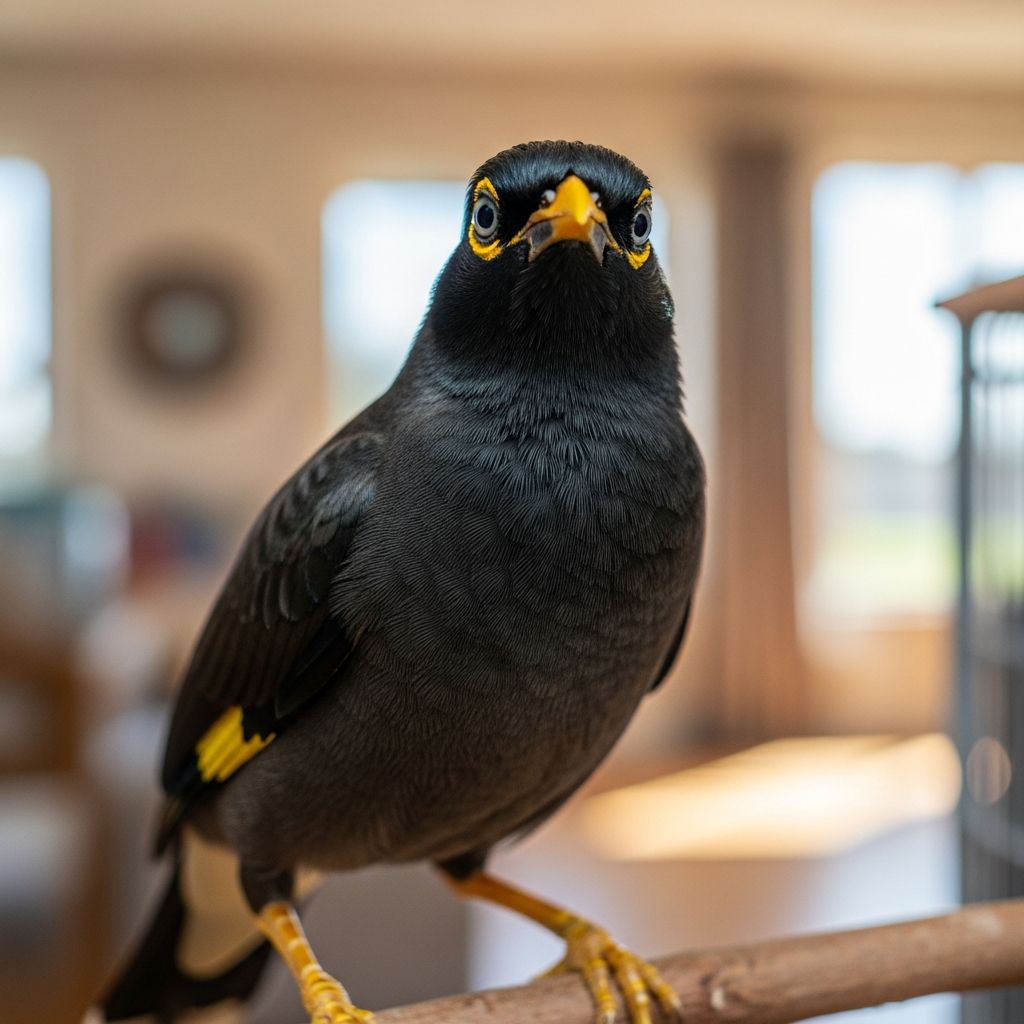
Mynah Birds as Companions: Understanding and Meeting Their Unique Needs
Mynah birds represent one of the most engaging and intelligent avian companions available to dedicated pet owners. Members of the starling family native to South and Southeast Asia, these remarkable birds have earned their reputation as exceptional household members through their cognitive abilities, striking personalities, and remarkable capacity to mimic human speech and environmental sounds. However, prospective owners should recognize that maintaining a mynah bird requires substantial commitment and specialized knowledge to ensure the bird’s long-term health and contentment.
The decision to bring a mynah bird into your home should not be taken lightly. Unlike many pet species that tolerate passive care regimens, mynahs demand active engagement, proper environmental conditions, and a carefully calibrated diet. This comprehensive guide explores the multifaceted aspects of mynah bird ownership, equipping potential and current owners with the information necessary to provide exemplary care.
Understanding the Mynah Bird’s Natural Heritage and Behavioral Characteristics
To care for mynah birds effectively, it is essential to understand their evolutionary background and innate behaviors. These birds evolved in tropical and subtropical environments across South and Southeast Asia, where they inhabit forests, cultivated areas, and gardens. Their natural habitat characteristics directly influence their behavioral requirements in captivity, including social structures, dietary preferences, and environmental tolerances.
Mynahs are inherently social creatures that form strong bonds with flock members in the wild. This gregarious nature translates directly to their needs as captive birds—they require regular interaction, mental stimulation, and companionship to maintain psychological wellness. Isolation or inadequate attention can trigger behavioral problems including excessive vocalization, aggression, and psychological distress.
The intelligence of mynah birds cannot be overstated. Their cognitive capabilities manifest in their remarkable ability to recognize human faces, learn routines, solve simple problems, and adapt to new environments. This intelligence, while making them fascinating companions, also means they require environmental enrichment and varied activities to prevent boredom-related behavioral issues.
Nutritional Requirements: Crafting a Species-Appropriate Diet
Mynah birds occupy a distinct dietary niche within the avian world. Unlike seed-eating species such as parrots and finches, mynahs are classified as frugivores and softbill birds, meaning they naturally consume soft foods and lack the crushing ability to process hard seeds. This fundamental dietary difference shapes their nutritional management in captivity.
The Foundation: High-Quality Pellet Systems
Modern nutrition science has developed specialized pellet formulations designed to meet the complete nutritional requirements of softbill birds. These pellets provide balanced macronutrients and micronutrients in a convenient, easily consumable form. The advantage of pelleted diets extends beyond nutrition—they reduce the messiness associated with fresh food consumption and provide consistent nutritional delivery.
When selecting pellets, prioritize formulations specifically designed for softbill species. These pellets typically contain lower iron levels than general bird pellets, addressing a significant health concern in mynah birds. Pellets should form the dietary foundation, comprising approximately 50-60% of the daily food intake.
Fresh Fruit Integration and Selection Guidelines
Fresh fruits represent the second critical component of appropriate mynah nutrition. These foods should be offered daily in varied selections to maintain dietary interest and nutritional diversity. Suitable fruits include banana, apple, date, grape, strawberry, peaches, mango, papaya, pineapple, pear, plum, and watermelon.
Proper preparation ensures both nutritional benefit and safety. All fruits must be thoroughly washed to remove pesticide residues and chemical treatments. Cut fruits into appropriately sized pieces that match the bird’s consumption capability—mynahs do not crack or bite food into smaller pieces like parrots do, requiring pre-portioned foods. The skin may remain intact, as it often contains valuable nutrients.
Organic produce is preferable when available, further reducing chemical exposure. Present fruits in separate containers from pellets and other food items to allow selective feeding and monitor consumption patterns. If a mynah develops an excessive preference for a single food item, systematically reduce its availability to encourage dietary diversity.
Vegetable Considerations and Iron Management
Vegetables represent a minor dietary component for mynahs, unlike their role in parrot nutrition. While small amounts of diced vegetables may be included, they should never comprise a substantial portion of the diet. Low-nutrition vegetables with high water content—such as iceberg lettuce and celery—offer minimal nutritional value and should be avoided.
The most critical consideration in vegetable selection involves iron content. Mynahs are particularly susceptible to hemochromatosis, a disease characterized by excessive iron storage in vital organs. Vegetables with elevated iron levels, including peas, green beans, sweet potatoes, spinach, and broccoli, should be avoided or offered only sparingly. Green leafy vegetables with moderate iron content, such as mustard sprouts and fenugreek leaves, may be incorporated with careful monitoring.
Supplementary Foods and Occasional Offerings
In addition to pellets, fruits, and limited vegetables, mynahs benefit from occasional supplementary foods including cooked rice, hard-boiled eggs, and insects. These foods provide nutritional variety and environmental enrichment through natural foraging behaviors. However, certain foods present serious toxicity risks and must be completely avoided.
Apple seeds, avocado, cherry pits, and peach pits contain compounds that are highly toxic to birds and must never be offered. Chocolate presents another serious hazard that can cause severe illness or death. Similarly, foods prepared with non-stick cookware should be avoided, as the fumes released during heating produce toxic compounds that are particularly dangerous to avian respiratory systems.
Hydration and Water Management
Fresh, clean water must be available continuously throughout the day. Mynahs have substantial water requirements and also enjoy frequent bathing for feather maintenance and comfort. Maintain a separate shallow basin filled with fresh water for bathing purposes, changing it frequently to prevent bacterial contamination.
If your household water supply is of poor quality or contains concerning contaminants, consider providing bottled water instead. All food and water dishes require daily washing with hot soapy water and thorough rinsing to prevent bacterial buildup and disease transmission.
Housing Requirements: Creating an Appropriate Physical Environment
The physical environment where your mynah bird spends its time directly influences its behavioral health, physical fitness, and psychological well-being. Inadequate housing is among the most common causes of behavioral and health problems in captive mynahs.
Mynah birds require spacious accommodations that allow for movement, flight, climbing, and natural behaviors. The minimum recommended cage dimensions are 4 feet in width, 2 feet in depth, and 3 feet in height. However, larger enclosures are preferable whenever possible. The cage structure should feature horizontal bars rather than vertical bars, as mynahs utilize bars for climbing activities and horizontal orientation better accommodates this natural behavior.
Perches positioned at varying heights throughout the enclosure provide exercise opportunities and environmental interest. Supplement fixed perches with branches of different diameters, as variable perch dimensions promote foot health and prevent pressure sores. Toys and enrichment items should be rotated regularly to maintain novelty and mental stimulation.
Environmental conditions significantly impact mynah health and comfort. These birds thrive in temperatures between 65F and 85F. Avoid subjecting mynahs to drafts, sudden temperature fluctuations, or extreme conditions. Moderate humidity levels support respiratory health and feather condition.
Cleanliness maintenance is non-negotiable in mynah care. These birds are notoriously messy eaters, creating substantial waste and debris. Daily cage cleaning, including removal of soiled substrate, uneaten fresh foods, and fecal matter, prevents bacterial proliferation and maintains hygienic conditions. Perches and feeding areas require regular wiping to eliminate accumulating residue.
Social Requirements and Human Interaction
Mynahs are fundamentally social animals with complex emotional and psychological needs. In their native environments, they live in flocks with regular interaction among flock members. This innate social orientation manifests in domestic birds as a strong need for human companionship and engagement.
Daily interaction with human caregivers is not optional—it is essential for psychological health. Birds deprived of adequate social contact may develop behavioral problems including aggression, excessive vocalization, self-destructive behaviors, and depression. Dedicate time each day to talking with your bird, engaging in play activities, and providing mental stimulation.
The intelligence of mynahs enables them to recognize individual humans, respond to their names, and develop preferences for specific people. Some birds learn to participate in games, perform tricks, or respond to commands. These interactive behaviors, while entertaining, also serve an important function in maintaining psychological wellness.
However, mynahs should not be left alone for extended periods. Even birds with significant bonding to their primary caregiver may develop anxiety and behavioral problems when isolated for days or weeks. If you travel frequently or maintain a lifestyle incompatible with daily bird care, a mynah may not be the appropriate companion.
Health Considerations and Veterinary Care
Mynah birds are susceptible to several species-specific health conditions that require informed ownership and preventive care strategies.
Iron Storage Disease (Hemochromatosis)
Hemochromatosis represents the most significant health concern in captive mynahs. This disease involves excessive iron accumulation in vital organs including the liver, heart, and kidneys. The condition develops gradually through dietary iron exposure and genetic predisposition. Symptoms include lethargy, weight loss, darkened droppings, and breathing difficulties.
Prevention through careful dietary management—particularly avoidance of high-iron vegetables and pellets formulated for softbill species—significantly reduces hemochromatosis risk. Regular veterinary monitoring through blood work enables early detection and intervention.
Obesity and Metabolic Disorders
Mynahs in captivity face elevated obesity risk due to limited activity compared to wild birds. Excessive weight gain precipitates metabolic dysfunction, heart disease, and reduced lifespan. Monitor feeding amounts carefully, encourage physical activity and flight, and avoid obesity-promoting treats.
Veterinary Supervision and Health Monitoring
Schedule regular health examinations with an avian veterinarian experienced in exotic bird medicine. Many conventional veterinarians lack specialized avian knowledge and may miss species-specific health issues. Annual checkups establish baseline health parameters and enable early detection of emerging problems.
Monitor your mynah’s behavior, appetite, droppings, and activity level daily. Changes in these parameters warrant immediate veterinary evaluation. Early intervention in response to behavioral or physiological changes frequently prevents disease progression and improves outcomes.
Lifespan and Long-Term Commitment
Mynah birds in captivity typically live 12 to 15 years with proper care. This substantial lifespan represents a genuine long-term commitment. Before acquiring a mynah, realistically assess your ability to provide consistent, high-quality care over more than a decade.
The longevity of mynahs demands consideration of life changes including relocations, career transitions, family situations, and personal circumstances. A bird may outlive the owner’s interest, financial capacity, or ability to provide appropriate care. Plan for contingencies including potential rehoming scenarios.
Is Mynah Ownership Appropriate for You?
Mynah birds are not appropriate pets for casual bird enthusiasts or individuals seeking low-maintenance companions. These birds demand dedicated care, daily interaction, financial investment, and long-term commitment. They are best suited for experienced bird owners or highly dedicated beginners willing to undertake extensive learning.
Prospective owners should carefully evaluate their lifestyle, resources, and genuine capacity to meet mynah requirements. A bird ill-suited to its environment experiences chronic stress and health problems that diminish quality of life. Honest self-assessment before acquisition prevents unnecessary suffering.
Frequently Asked Questions About Mynah Bird Care
How long do mynah birds live in captivity?
With appropriate care including balanced nutrition, environmental cleanliness, and regular veterinary checkups, mynah birds typically live 12 to 15 years. Some individuals may live longer with exceptional care.
Can beginning bird enthusiasts successfully care for mynah birds?
Mynah birds require significant care and attention, making them better suited for experienced bird owners. However, highly motivated and dedicated beginners willing to invest time in learning proper care protocols can successfully maintain mynahs with appropriate guidance from avian veterinarians and experienced bird keepers.
Do mynahs require vitamin and mineral supplements?
Mynahs consuming a base diet of quality pellets along with varied fresh foods do not typically require supplements. However, specific nutrients including calcium may be necessary during reproductive cycles. Your avian veterinarian can assess your individual bird’s dietary needs and recommend appropriate supplementation when indicated.
What is the ideal temperature range for mynah birds?
Mynahs thrive in temperatures between 65F and 85F. Sudden temperature changes, drafts, and exposure to extreme conditions create stress and health problems.
How often should mynah bird cages be cleaned?
Daily cage cleaning is essential. Mynahs are messy eaters and generate substantial waste. Daily removal of soiled substrate, uneaten foods, and fecal matter prevents bacterial contamination and maintains hygienic conditions.
Can mynah birds be housed with other bird species?
Housing mynahs with other species requires careful consideration of compatibility, personality fit, and potential conflict. Consultation with an avian veterinarian regarding specific species combinations is advisable before cohabitation.
Conclusion: Building a Fulfilling Relationship with Your Mynah Bird
Mynah birds reward dedicated owners with remarkable intelligence, engaging personalities, and the capacity to form meaningful interspecies relationships. However, this rewarding companionship requires genuine commitment to comprehensive care including specialized nutrition, appropriate housing, regular social interaction, and veterinary oversight.
Prospective owners who understand mynah requirements, honestly assess their capacity to meet these demands, and approach ownership with realistic expectations often experience exceptional fulfillment. These intelligent, personable birds can become cherished family members providing years of companionship and entertainment.
Before bringing a mynah bird into your life, conduct thorough research, connect with experienced mynah owners, and consult with avian veterinarians. This preparation enables you to make informed decisions and establish appropriate care patterns from the beginning, setting the foundation for your bird’s physical health and psychological well-being.
References
- Mynah Bird — Full Profile, History, and Care — Dial A Vet. https://www.dialavet.com/blog/mynah-bird-full-profile-history-and-care
- Feeding Pet Mynah Birds — BrampVet Care. https://bramptonveterinarian.com/feeding-pet-mynah-birds/
- Feeding Pet Mynah Birds — VCA Animal Hospitals. https://vcahospitals.com/know-your-pet/mynah-birds-feeding
- Protocols for the Hand-Raising and Rehabilitation of Mynas — Rehabbers Den. http://rehabbersden.org/index.php/36-pages/pricing-table/simple/252-protocols-for-the-hand-raising-and-rehabilitation-of-mynas-contd
Similar Articles








Read full bio of Sneha Tete