

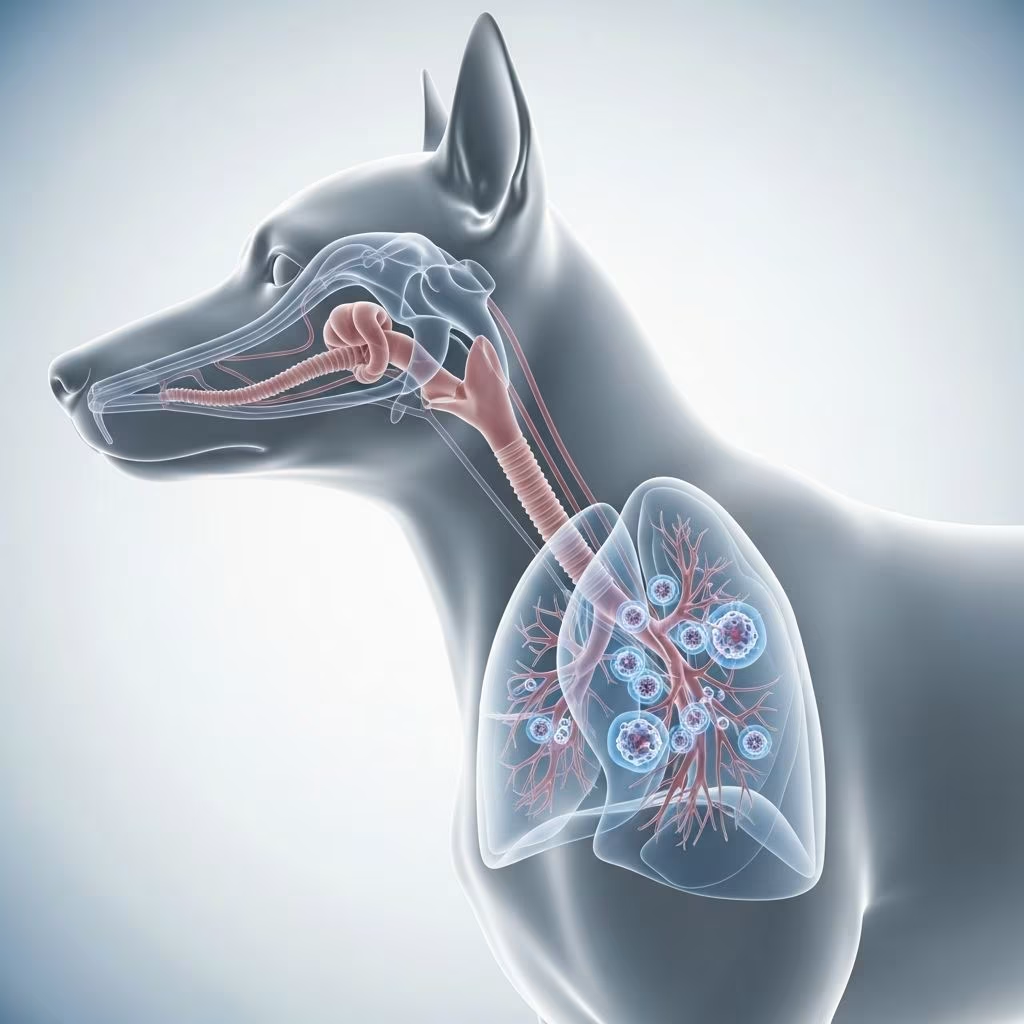
Mycoplasma represents a significant bacterial pathogen affecting canine health, with the capacity to impact multiple organ systems throughout the body. Unlike conventional bacteria, mycoplasma organisms possess a fundamental structural difference that substantially complicates treatment approaches. These microorganisms lack a protective cell wall, a characteristic that renders them uniquely resistant to standard bacterial therapies and necessitates specialized antibiotic interventions. The prevalence of mycoplasma infections in dog populations has increased noticeably in recent years, particularly regarding respiratory manifestations that veterinarians previously attributed to other causative agents.
Understanding mycoplasma infections requires familiarity with the organism’s biological nature and its capacity to establish infection across diverse anatomical locations. Dogs can develop mycoplasma infections affecting the respiratory tract, urinary system, joints, and gastrointestinal system, each presentation requiring careful diagnostic evaluation and targeted therapeutic intervention.
Clinical Manifestations and Observable Symptoms
Dogs infected with mycoplasma organisms present with a wide spectrum of clinical signs that vary considerably based on the infection’s anatomical location and severity. The clinical presentation frequently extends beyond simple respiratory involvement, encompassing systemic manifestations that alert veterinarians to potential mycoplasma pathogenesis.
Respiratory and Constitutional Signs
The most recognizable indicators of mycoplasma infection center on the respiratory system, where infected dogs exhibit persistent coughing that progressively worsens over time. This coughing often presents differently from typical viral upper respiratory infections, as affected animals may simultaneously display general illness indicators including lethargy, fever, and reduced appetite. In more advanced cases, veterinarians observe signs of respiratory distress, suggesting lower respiratory tract involvement with potential pneumonic complications. Nasal discharge, sneezing, and sniffling frequently accompany the cough, with some dogs displaying eye-related symptoms including conjunctivitis, squinting, or discharge.
Urinary and Reproductive Complications
Beyond respiratory manifestations, mycoplasma organisms frequently colonize the urinary tract, producing a distinct set of clinical indicators. Affected dogs often experience straining during urination, accompanied by increased urination frequency and blood in the urine. Reproductive complications can also develop, manifesting as abortion in pregnant females or infertility in breeding animals.
Musculoskeletal and Gastrointestinal Effects
Mycoplasma infections commonly affect multiple joints simultaneously, a condition termed polyarthritis, producing long-term lameness, difficulty with normal movement, and general discomfort. Affected dogs may display reluctance to move or exercise, with pain evident during normal activities. Gastrointestinal involvement presents as colitis with bloody or mucoid diarrhea, while cutaneous manifestations can include skin abscesses.
General Systemic Indicators
Weight loss, depression, general weakness, and anorexia frequently accompany mycoplasma infections, indicating the organism’s systemic impact on the animal’s overall health status. These constitutional signs often prompt owners to seek veterinary evaluation, as they represent notable deviations from the dog’s normal behavior and physical condition.
Diagnostic Evaluation and Testing Procedures
Establishing a mycoplasma diagnosis requires systematic diagnostic evaluation combining clinical history, physical examination findings, and specialized laboratory testing. No single diagnostic test provides definitive identification, necessitating integration of multiple diagnostic modalities to confirm mycoplasma infection.
Laboratory Analysis
Initial diagnostic workup typically includes a complete blood count (CBC) and biochemical profile to assess the animal’s overall health status and identify potential organ involvement. Urinalysis provides essential information regarding urinary tract inflammation and helps identify secondary urinary complications.
Imaging and Sampling Procedures
Chest and abdominal radiographs serve as valuable screening tools for identifying pneumonic changes, pleural effusion, or organ enlargement suggestive of systemic infection. When joint involvement appears likely based on clinical presentation, arthrocentesis allows veterinarians to obtain synovial fluid for analysis and culture. This minimally invasive procedure involves introducing a needle into the joint cavity to retrieve fluid containing inflammatory cells consistent with mycoplasma infection. Respiratory tract involvement can be further evaluated through transtracheal washes, which retrieve cellular material and causative organisms from the lower respiratory tract.
Definitive Identification Methods
Culture and isolation of the organism from appropriate specimens provides definitive identification, though mycoplasma organisms may be challenging to cultivate in standard laboratory conditions. Serologic testing, which measures antibodies or the host’s immunological response to the organism, offers additional diagnostic support. Advanced respiratory diagnostic tools including respiratory swabs contribute to modern identification of mycoplasma canis, particularly in dogs presenting with persistent coughing unresponsive to conventional treatment approaches.
Therapeutic Approaches and Treatment Protocols
Mycoplasma infections respond favorably to appropriate antibiotic therapy combined with supportive care measures. Treatment decisions depend substantially on infection severity and the animal’s clinical status at presentation.
Hospitalization Versus Outpatient Management
Veterinarians determine whether hospitalization becomes necessary based on clinical severity and the dog’s hydration status. Severely ill and dehydrated dogs benefit from hospitalization allowing aggressive treatment, stabilization, and continuous monitoring. Stable patients with mild to moderate clinical signs can be managed as outpatients provided owners commit to careful home monitoring and medication administration. Most dogs with appropriate therapy demonstrate favorable responses and gradual clinical improvement.
Antibiotic Therapy Selection
Antibiotic selection represents the cornerstone of mycoplasma treatment, with tetracycline-class antibiotics comprising the primary therapeutic options. Doxycycline stands as the most frequently prescribed antibiotic due to its excellent bioavailability, good tissue penetration, and well-documented activity against mycoplasma organisms.[10] Alternative antibiotics including tetracycline, chloramphenicol, tylosin, and erythromycin provide additional options when doxycycline proves contraindicated or when resistance emerges. Fluoroquinolone antibiotics such as enrofloxacin, pradofloxacin, and marbofloxacin offer additional therapeutic alternatives with demonstrated efficacy against mycoplasma infections.
Optimal antibiotic therapy requires extended treatment duration, with veterinary guidelines typically recommending 7 to 10 days as minimum therapy duration for bacterial respiratory disease complex involving mycoplasma. However, clinical judgment regarding individual cases may necessitate prolonged therapy to achieve complete eradication and prevent relapse.
Supportive Care Measures
Beyond antimicrobial therapy, supportive care substantially enhances treatment outcomes. Intravenous fluid and electrolyte therapy becomes essential in dehydrated or severely ill dogs, correcting fluid deficits and maintaining physiological homeostasis. Nutritional support and maintaining adequate hydration facilitate immune function and healing processes. Pain management may be necessary in dogs with arthritic manifestations, improving comfort and encouraging normal activity resumption.
Long-term Management and Follow-up Protocols
Successful mycoplasma treatment extends beyond initial therapeutic intervention, requiring diligent home care and professional follow-up monitoring to ensure complete resolution and prevent recurrence.
Medication Administration and Compliance
Veterinary recommendations regarding medication administration must be followed precisely to achieve complete infection eradication. Owners should administer all prescribed antibiotics according to the veterinarian’s specific instructions regarding dosage, frequency, and duration. Inconsistent medication administration risks incomplete bacterial eradication and development of antibiotic-resistant organisms.
Clinical Monitoring and Assessment
Close observation of the dog’s activity level, appetite, and general demeanor during treatment provides essential feedback regarding therapeutic response. Owners should document any recurrent clinical signs suggesting reinfection or inadequate initial treatment response and communicate these observations to their veterinarian promptly. Follow-up veterinary examinations become critical if the dog does not demonstrate rapid clinical improvement, allowing assessment of therapy efficacy and potential treatment modifications.
Prognosis and Recovery Expectations
Dogs with competent immune systems receiving appropriate antibiotic therapy consistently achieve favorable outcomes with full recovery. The prognosis depends substantially on treatment compliance, infection severity at presentation, and the individual dog’s immunological response. Most appropriately treated dogs demonstrate significant clinical improvement within days to weeks, with complete resolution achievable through continued antibiotic therapy and supportive care.
Frequently Asked Questions About Mycoplasma in Dogs
Can mycoplasma infections be transmitted between dogs?
Mycoplasma organisms can spread through respiratory secretions and direct contact, though transmission efficiency varies. Dogs in close proximity, such as in multi-dog households or boarding facilities, face elevated transmission risk. Proper hygiene practices and isolation of affected dogs help minimize transmission risk.
How long does mycoplasma treatment typically require?
Antibiotic therapy for mycoplasma typically continues for 7 to 10 days minimum, though some cases require extended treatment periods to achieve complete organism eradication. Veterinarians establish individual treatment duration based on infection severity and clinical response.
Are there preventative measures for mycoplasma infections?
While specific mycoplasma vaccines exist for certain strains, they do not provide complete prevention. General preventative practices including maintaining good hygiene, avoiding exposure to infected dogs, and supporting immune health through proper nutrition and healthcare help reduce infection risk.
What happens if mycoplasma infections remain untreated?
Untreated mycoplasma infections can progress to severe pneumonia, systemic complications, and potentially life-threatening conditions. Extended infection duration increases risks of chronic complications and potential organ damage.
Can dogs develop chronic mycoplasma infections?
With appropriate antibiotic therapy, chronic infections are uncommon. However, incomplete treatment or immunocompromised states may result in persistent or recurrent infections requiring extended therapeutic approaches.
Comparison of Mycoplasma and Other Canine Respiratory Infections
| Characteristic | Mycoplasma Infection | Viral Respiratory Disease | Bacterial Tracheobronchitis |
|---|---|---|---|
| Primary Symptom | Persistent, worsening cough | Mild cough, normal appetite | Dry cough, bright demeanor |
| Fever Presence | Frequently present | Uncommon | Typically absent |
| Systemic Signs | Lethargy, inappetence, weakness | Minimal systemic involvement | Usually limited systemic signs |
| Antibiotic Response | Responds well to specific antibiotics | No response to antibiotics | May respond to empiric antibiotics |
| Treatment Duration | 7-10 days minimum, often extended | Supportive care only | 7-10 days of antibiotics |
| Diagnostic Testing | Culture, serology, advanced swabs | Primarily clinical diagnosis | Clinical assessment, culture if needed |
Conclusion: Managing Mycoplasma Infections Successfully
Mycoplasma infections represent treatable conditions in dogs when recognized early and managed appropriately. The unique biological characteristics of mycoplasma organisms requiring specialized antibiotic approaches necessitate veterinary expertise for optimal outcomes. Through systematic diagnostic evaluation, appropriate antibiotic selection, supportive care measures, and diligent follow-up monitoring, veterinarians successfully treat mycoplasma infections and restore affected dogs to normal health. Dog owners recognizing persistent respiratory symptoms, urinary complications, or unexplained systemic illness should seek prompt veterinary evaluation to enable early diagnosis and initiation of effective treatment protocols, maximizing recovery likelihood and minimizing potential complications.
References
- Mycoplasma in Dogs — PetPlace. Accessed 2026. https://www.petplace.com/article/dogs/pet-health/mycoplasma-in-dogs
- The Rise of Mycoplasma canis Infections — Pittwater Animal Hospital. Accessed 2026. https://pittwateranimalhospital.com.au/understanding-mycoplasma-canis-persistent-cough-in-dogs/
- Bacterial Infection (Mycoplasma, Ureaplasma) — PetMD. Accessed 2026. https://www.petmd.com/dog/conditions/infectious-parasitic/c_dg_mycoplasmosis
- Hemotropic Mycoplasma Infections in Animals — Merck Veterinary Manual. Accessed 2026. https://www.merckvetmanual.com/circulatory-system/blood-parasites/hemotropic-mycoplasma-infections-in-animals
- Canine Infectious Respiratory Disease Complex — Auburn University College of Veterinary Medicine. 2019. https://www.vetmed.auburn.edu/wp-content/uploads/2019/10/6_Canine-Infectious-Respiratory-Disease-Complex_LAPPIN.pdf
- Antimicrobial use Guidelines for Treatment of Respiratory Tract Infections — National Center for Biotechnology Information. Accessed 2026. https://pmc.ncbi.nlm.nih.gov/articles/PMC5354050/



