
Mycobacterial Diseases In Animals: Diagnosis And Care
Comprehensive guide to understanding, diagnosing, and managing mycobacterial infections across various animal species, with focus on clinical challenges and treatment strategies.
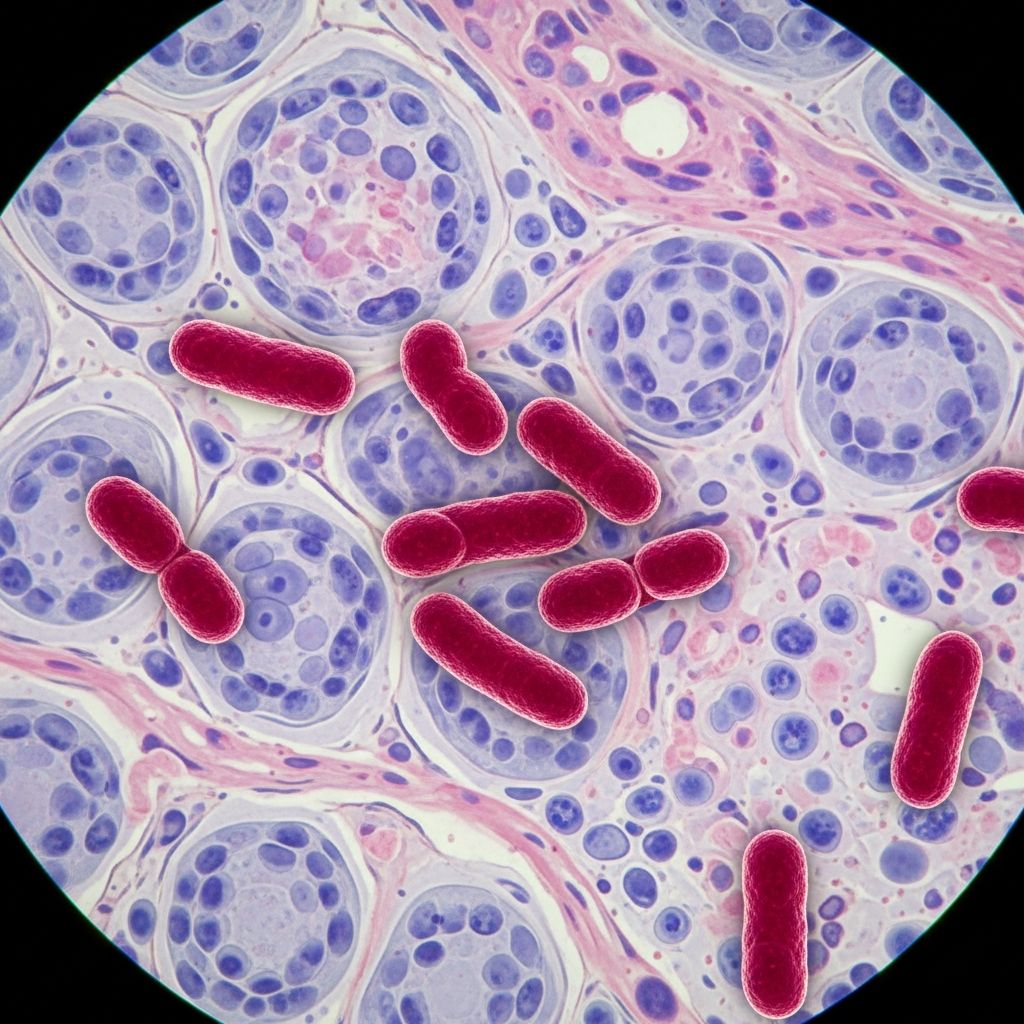
Mycobacterial infections represent a significant challenge in veterinary medicine, affecting a wide range of species from household pets to farm animals and exotic wildlife. These resilient bacteria, belonging to the genus Mycobacterium, thrive in diverse environments like soil, water, and animal tissues, leading to chronic granulomatous diseases that mimic each other clinically but demand tailored diagnostic and therapeutic approaches.
Overview of Mycobacterial Pathogens
Mycobacteria are classified based on growth rates, pigmentation, and pathogenicity. Key groups include the Mycobacterium tuberculosis complex (MTBC), responsible for classical tuberculosis, and non-tuberculous mycobacteria (NTM), which cause atypical infections. MTBC species like M. bovis, M. tuberculosis, and M. microti primarily affect mammals, while NTM such as the M. avium complex (MAC) and rapidly growing species like M. fortuitum infect through environmental exposure.
In companion animals, cats are more susceptible to cutaneous and lymph node involvement from MTBC and NTM, whereas dogs often present with disseminated disease. Livestock like cattle suffer from bovine TB, and fish may harbor aquatic species such as M. marinum. This diversity complicates management, as treatment responses vary widely.
Transmission Routes and Risk Factors
Transmission occurs via aerosol, ingestion, or skin inoculation. For MTBC, infected animals shed bacteria in respiratory secretions, milk, or feces, facilitating spread within herds or households. NTM, ubiquitous in water and soil, enter via wounds, raw meat diets, or contaminated environments. Immunocompromised animals, including those with feline leukemia virus (FeLV) or post-transplant on immunosuppressants, face heightened risks, though most cases occur in healthy individuals.
- Aerosol spread: Predominant in TB complexes, leading to pulmonary lesions.
- Cutaneous entry: Common in rapidly growing NTM, causing subcutaneous abscesses.
- Ingestion: Linked to raw feeding, resulting in gastrointestinal or mesenteric involvement.
Zoonotic potential is notable with MTBC; M. bovis can infect humans, particularly immunocompromised individuals, necessitating public health reporting.
Clinical Manifestations by Species
Cats: Cutaneous and Systemic Patterns
Feline mycobacteriosis often starts with skin nodules or draining tracts at inoculation sites, progressing to regional lymphadenopathy. Even without overt respiratory signs, thoracic imaging reveals interstitial patterns in many cases. Systemic forms from MAC include weight loss, fever, hepatosplenomegaly, and ocular issues. Dogs present later with multi-organ involvement, including pneumonia and osteomyelitis.
Dogs and Livestock
Canine cases feature pulmonary, gastrointestinal, or generalized disease, diagnosed at advanced stages. In cattle, M. bovis causes lung and lymph node granulomas, impacting milk production and herd health. Pigs and exotic species like zoo animals show lymph node lesions from rapidly growing mycobacteria.
| Species | Primary Sites | Key Signs |
|---|---|---|
| Cats | Skin, lymph nodes, lungs | Nodules, draining tracts, weight loss, interstitial pneumonia |
| Dogs | Lungs, GI tract, bones | Cough, diarrhea, lameness, disseminated illness |
| Cattle | Lungs, lymph nodes | Cough, emaciation, milk drop |
| Other (fish, pigs) | Skin, gills, nodes | Ulcers, granulomas |
Diagnostic Approaches
Diagnosis hinges on combining cytology, imaging, and molecular tests due to low bacterial loads and slow growth. Fine-needle aspirates reveal pyogranulomatous inflammation with negative acid-fast staining in early cases. Culture remains gold standard but takes weeks; PCR identifies species rapidly. Interferon-gamma release assays (IGRA) detect immune responses, aiding MTBC confirmation.
Thoracic radiographs or CT are essential to assess pulmonary spread, often subtle on exam. Retroviral screening in cats informs prognosis, as FIV/FeLV impairs immunity.
- Cytology and histopathology for initial suspicion.
- Culture from multiple sites for speciation.
- PCR for rapid MTBC/NTM differentiation.
- Imaging for lesion extent.
Treatment Strategies and Protocols
Therapy demands prolonged multi-drug regimens to combat resistance. First-line for most companion animal cases: fluoroquinolone (e.g., pradofloxacin), macrolide (azithromycin), and rifampicin. Duration varies: 4-6 months for MTBC skin disease, up to 12+ months for MAC.
Surgical excision aids localized lesions. Drug susceptibility testing guides adjustments, as NTM like MAC show inherent resistance. Monitoring includes serial imaging and cultures.
| Mycobacteria Type | Drugs | Duration | Notes |
|---|---|---|---|
| MTBC (skin/lymph) | Rifampicin, azithromycin, pradofloxacin | 4-6 months | 80% remission in cats |
| MAC (systemic) | Same + clofazimine/minocycline | 6-12+ months | 50-60% success |
| Rapid growers (e.g., M. fortuitum) | Amikacin, doxycycline | Variable | Surgery often key |
Prognosis and Complications
Outcomes depend on species, extent, and timeliness. Feline MTBC cutaneous cases achieve ~80% remission with therapy, versus 50-60% for MAC due to resistance. Disseminated or immunosuppressed cases fare poorly. Relapse risks persist post-treatment, requiring lifelong monitoring.
- Favorable: Localized skin disease in cats.
- Guarded: Pulmonary or MAC infections.
- Poor: M. tuberculosis in dogs (euthanasia recommended).
Zoonotic Risks and Prevention
MTBC poses public health threats; M. tuberculosis-infected animals require euthanasia and agency notification. M. bovis transmission to humans is low but real, especially via unpasteurized milk. NTM rarely zoonotic. Prevention: avoid raw diets, vaccinate livestock (BCG in some regions), and isolate suspects.
Emerging Challenges in Wildlife and Zoo Animals
Zoo species exhibit variable susceptibility, with MTBC causing outbreaks. Diagnostics mirror companion animals, but treatment is ethically complex. Wildlife reservoirs like badgers perpetuate bovine TB cycles.
FAQs
What are the first signs of mycobacterial infection in cats?
Skin lumps, swollen lymph nodes, or unexplained weight loss; always pursue imaging.
Can mycobacteria spread from pets to humans?
Yes, primarily MTBC; handle suspects cautiously and report.
How long does treatment last?
Months to over a year, with strict adherence needed.
Is surgery part of management?
Often for localized abscesses, combined with antibiotics.
What tests confirm the species?
PCR and culture are definitive.
References
- Growing mycobacterial infections in cats and dogs: the challenges — Vet Times. 2023. https://www.vettimes.com/news/vets/small-animal-vets/growing-mycobacterial-infections-in-cats-and-dogs-the-challenges
- Mycobacterioses in Cats: ABCD guidelines on prevention — PMC (NCBI). 2024-05-01. https://pmc.ncbi.nlm.nih.gov/articles/PMC11148952/
- Mycobacterial Infections in Animals – Generalized Conditions — Merck Veterinary Manual. 2023. https://www.merckvetmanual.com/generalized-conditions/mycobacterial-infections-in-animals/mycobacterial-infections-in-animals
- GUIDELINE for Mycobacterioses in cats — ABCD Cats & Vets. 2023. https://www.abcdcatsvets.org/guideline-for-mycobacterioses-in-cats/
- Companion Animal Mycobacterial Infections: Background — University of Edinburgh. 2022. https://edwebcontent.ed.ac.uk/sites/default/files/atoms/files/ca_mycobacteria_background_information_page.pdf
- Mycobacterial Diseases of Animals — National Agricultural Library (USDA). 2024. https://www.nal.usda.gov/research-tools/food-safety-research-projects/mycobacterial-diseases-animals
- Mycobacterial infections in zoo animals — ZSL Publications (Wiley). 2011-10-01. https://zslpublications.onlinelibrary.wiley.com/doi/10.1111/j.1748-1090.2011.00141.x
Similar Articles








Read full bio of Sneha Tete


