

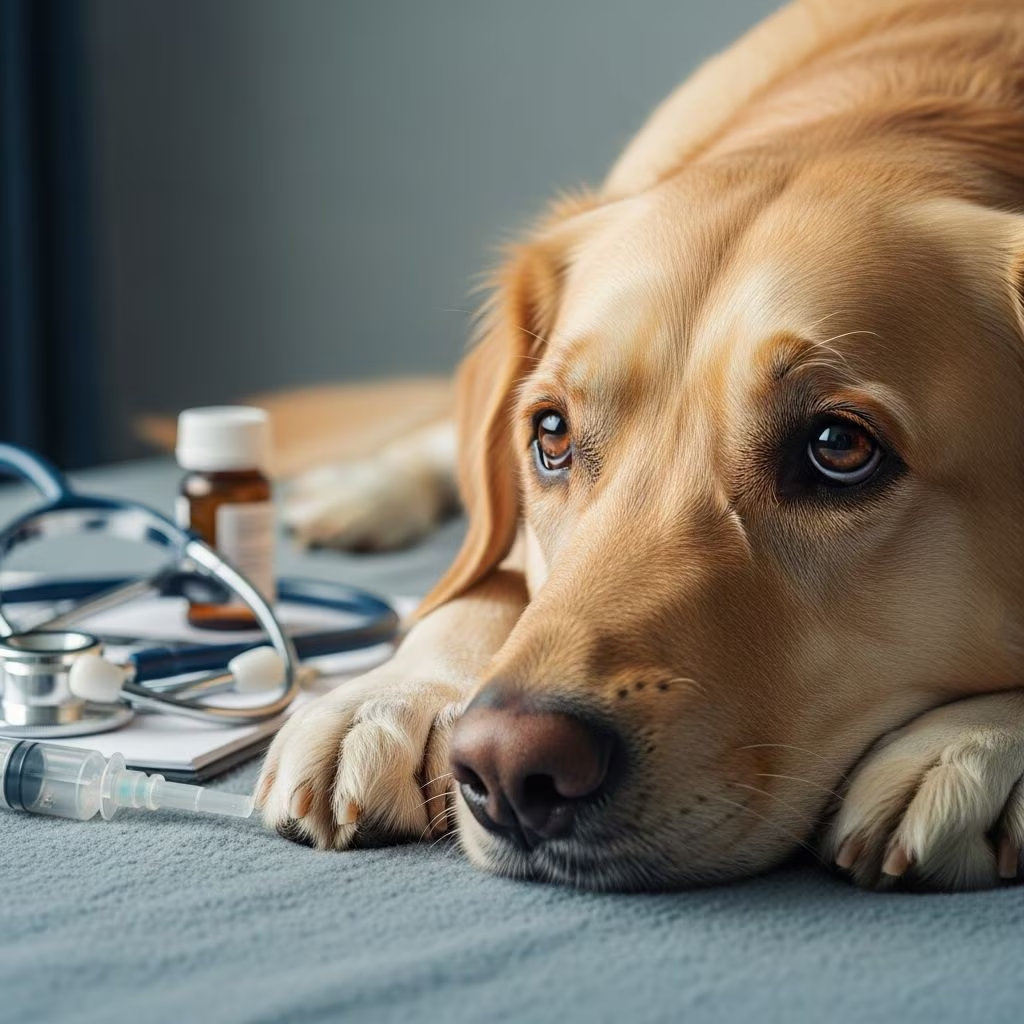
Understanding Myasthenia Gravis in Dogs
Myasthenia gravis is an autoimmune neuromuscular disorder that affects dogs of all ages and breeds, though certain types are more common in specific populations. This condition occurs when the immune system attacks the acetylcholine receptors at the neuromuscular junction, which is the connection between nerves and muscles. Acetylcholine is a crucial neurotransmitter responsible for transmitting signals that enable muscle contraction. When these receptors are damaged or blocked by antibodies, muscles cannot receive the necessary signals to contract effectively, resulting in progressive muscle weakness.
There are two primary types of myasthenia gravis in dogs: congenital and acquired. Congenital myasthenia gravis is present from birth and results from inherited defects in neuromuscular transmission. Acquired myasthenia gravis develops later in life when the immune system begins attacking acetylcholine receptors. The acquired form is more commonly diagnosed in dogs and can occur at any age, though it typically appears in middle-aged to older dogs.
Recognizing the Symptoms of Myasthenia Gravis
Symptoms of myasthenia gravis in dogs can vary significantly depending on the severity of the condition and which muscles are most affected. Early recognition of these signs is essential for timely diagnosis and treatment initiation. Pet owners should be vigilant in observing their dogs’ behavior and physical capabilities, as some symptoms may develop gradually.
Muscle Weakness and Fatigue
The most characteristic symptom of myasthenia gravis is progressive muscle weakness, particularly following exercise or physical activity. Dogs may exhibit general weakness throughout their body, making it difficult to stand, walk, or climb stairs. This weakness often worsens as the day progresses, with affected dogs showing more severe symptoms in the evening compared to the morning. Affected dogs tire quickly and frequently require rest breaks during normal activities. They may be reluctant to engage in play or exercise that they previously enjoyed, and their overall activity level may decline noticeably.
Megaesophagus
One of the most serious complications associated with myasthenia gravis is megaesophagus, an enlargement of the esophagus that severely impacts the dog’s ability to swallow and move food into the stomach. This condition occurs because the esophageal muscles responsible for contracting and moving food downward become weakened. Megaesophagus leads to difficulty swallowing, regurgitation of food or water, and a significantly increased risk of aspiration pneumonia, a potentially life-threatening condition where food or liquid enters the lungs instead of the stomach.
Facial and Head Involvement
Dogs with myasthenia gravis frequently experience weakness in facial muscles, leading to characteristic signs such as drooping eyelids, difficulty closing the eyes completely, and altered facial expressions. These dogs may exhibit excessive drooling due to impaired facial muscle control and difficulty managing saliva. Some dogs experience changes in their voice, with their bark becoming softer, more hoarse, or less distinct than normal. These facial symptoms can be particularly noticeable and are often among the first signs owners observe.
Additional Manifestations
Beyond the primary symptoms, dogs with myasthenia gravis may demonstrate regurgitation of food or water, particularly when affected by megaesophagus. Some dogs show a reduced ability to hold their head upright, resulting in a drooping head posture. Tremors may occur in affected muscles, and some dogs develop a distinctive stance or gait abnormality due to hindlimb weakness. The severity and combination of symptoms vary significantly from dog to dog, making individual assessment crucial for proper diagnosis.
Diagnostic Procedures for Myasthenia Gravis
Accurate diagnosis of myasthenia gravis requires a combination of clinical evaluation, laboratory tests, and imaging studies. Your veterinarian will conduct a thorough physical examination and may recommend several diagnostic procedures to confirm the condition and assess its extent.
Tensilon Test
The Tensilon test, also known as the edrophonium test, is a diagnostic procedure that involves administering edrophonium chloride, a short-acting anticholinesterase drug. This medication temporarily improves muscle strength in dogs with myasthenia gravis by increasing acetylcholine availability at the neuromuscular junction. A dramatic but temporary improvement in muscle function following administration supports a diagnosis of myasthenia gravis. The effects of edrophonium are brief, typically lasting only a few minutes, making this test particularly useful for confirming the diagnosis.
Serology Testing
Blood tests can detect antibodies against acetylcholine receptors or muscle-specific kinase (MuSK), which are present in many dogs with acquired myasthenia gravis. This serological approach provides definitive evidence of the autoimmune nature of the condition. However, some dogs with myasthenia gravis may be seronegative, meaning they do not have detectable antibodies, yet they still exhibit clinical signs and respond to treatment.
Electromyography (EMG)
Electromyography is a diagnostic test that measures the electrical activity of muscles and the nerves that control them. In dogs with myasthenia gravis, EMG typically shows characteristic patterns such as decremental responses to repetitive nerve stimulation. These abnormal electrical patterns indicate neuromuscular dysfunction and help differentiate myasthenia gravis from other neuromuscular disorders. EMG requires specialized equipment and expertise to perform and interpret correctly.
Chest Radiographs
X-rays of the chest can reveal an enlarged esophagus characteristic of megaesophagus, which is a common secondary complication. These images can also detect signs of aspiration pneumonia, which frequently develops secondary to megaesophagus. Additionally, chest radiographs may identify thymomas, tumors of the thymus gland that are associated with myasthenia gravis in some cases.
Thyroid Function Testing
Since hypothyroidism commonly occurs concurrently with myasthenia gravis, thyroid function tests may be recommended. Testing thyroid hormone levels helps identify any concurrent thyroid disease that should be addressed as part of the overall treatment plan.
Treatment Options for Myasthenia Gravis in Dogs
While myasthenia gravis cannot be cured, it can be effectively managed with appropriate treatment and supportive care. Treatment approaches vary depending on the severity of symptoms, the type of myasthenia gravis, and the individual dog’s response to therapy. Most dogs respond well to treatment and can achieve significant symptom improvement or complete remission.
Anticholinesterase Medications
Anticholinesterase drugs form the cornerstone of myasthenia gravis treatment. These medications work by inhibiting the enzyme acetylcholinesterase, which normally breaks down acetylcholine at the neuromuscular junction. By slowing this breakdown, anticholinesterase drugs allow acetylcholine to remain active longer, enabling more effective stimulation of remaining functional acetylcholine receptors.
Pyridostigmine bromide, commonly known as Mestinon, is the most frequently prescribed anticholinesterase medication for dogs with myasthenia gravis. The typical dosing range is 0.5 to 3 mg per kilogram of body weight, administered every 8 to 12 hours. Dosing is highly individualized, and your veterinarian will determine the optimal dose based on your dog’s specific response and symptom severity. Many dogs show significant improvement within days of starting treatment, particularly those with mild to moderate cases. Some dogs may eventually be weaned off this medication as their condition improves, while others require long-term maintenance therapy.
Potential side effects of anticholinesterase medications include gastrointestinal upset such as vomiting or diarrhea, increased salivation, restlessness, and abdominal cramping. Regular monitoring and dose adjustments are often necessary to balance symptom control with side effect management. Initial treatment should be administered in a hospital or clinical setting due to the risk of cholinergic crisis, a serious condition that can occur with excessive acetylcholine levels.
Immunosuppressive Therapy
For dogs with acquired myasthenia gravis where the immune system is actively attacking acetylcholine receptors, immunosuppressive medications may be prescribed to reduce the production of harmful antibodies. Common immunosuppressive agents include prednisone or prednisolone (corticosteroids), azathioprine, mycophenolate mofetil, and cyclosporine. These medications help modulate the immune response and reduce the severity of autoimmune attack on the neuromuscular junction.
Immunosuppressive therapy requires careful monitoring, as these medications can suppress the entire immune system and increase susceptibility to infections. Regular blood work to monitor white blood cell counts, liver function, and kidney function is essential for dogs receiving long-term immunosuppressive therapy. Some dogs may eventually be weaned off these medications as symptoms resolve, while others require extended treatment periods.
Advanced Treatment Options
For severe, rapidly progressing cases of myasthenia gravis, more aggressive interventions may be considered. Plasma exchange therapy, also known as plasmapheresis, involves removing the dog’s blood, separating out the plasma containing harmful antibodies, and returning the cleansed blood components to the patient. This procedure offers temporary relief in severe cases. Intravenous immunoglobulin (IVIG) therapy, consisting of concentrated antibodies from healthy donors, helps modulate the immune response and reduce effects of harmful antibodies. Surgical thymectomy, removal of the thymus gland, may be recommended in cases where thymomas are identified or suspected.
Supportive Care and Management Strategies
Beyond medications, comprehensive supportive care plays a crucial role in managing myasthenia gravis and maintaining quality of life for affected dogs. These strategies help prevent complications while allowing maximum comfort and function.
Nutritional Management and Feeding Modifications
Proper feeding strategies are essential, particularly for dogs with megaesophagus. Key modifications include:
- Elevating food and water bowls to aid swallowing and gravity-assisted movement of food into the stomach
- Offering multiple small meals throughout the day instead of one or two larger meals
- Providing soft or wet food that is easier to swallow than dry kibble
- Using a feeding tube in severe cases to ensure adequate nutrition while bypassing the affected esophagus
Monitoring for signs of aspiration pneumonia is critical, as this is the most common cause of death in dogs with acquired myasthenia gravis. Symptoms include coughing, difficulty breathing, fever, and lethargy. Prompt veterinary treatment is essential if these signs develop.
Physical Activity and Exercise Management
Dogs with myasthenia gravis require carefully monitored exercise with regular rest periods. Physical therapy and gentle passive range-of-motion exercises can help maintain muscle tone without causing excessive fatigue. Working with a certified canine rehabilitation specialist can help develop an appropriate exercise plan tailored to your dog’s condition and capabilities.
Environmental Modifications
Simple environmental adaptations can significantly improve safety and comfort:
- Installing ramps to avoid stairs and reduce physical stress on weakened limbs
- Providing non-slip flooring to prevent slipping and improve stability
- Offering comfortable bedding in easily accessible locations
- Limiting exposure to extreme temperatures, which can worsen symptoms
- Maintaining a calm, low-stress environment
Frequently Asked Questions About Myasthenia Gravis in Dogs
Q: Can myasthenia gravis be cured in dogs?
A: No, myasthenia gravis cannot be cured, but it can be effectively managed with medication and supportive care. Many dogs achieve significant symptom improvement or complete remission with proper treatment.
Q: How long does treatment typically last?
A: Treatment is usually long-term, lasting months to years. Some dogs may eventually be weaned off medications as their condition improves, while others require lifelong management.
Q: What is the prognosis for dogs with myasthenia gravis?
A: The prognosis depends on the severity of the condition and the dog’s response to treatment. Many dogs respond well to treatment and maintain good quality of life. The most common cause of death is aspiration pneumonia secondary to megaesophagus, making supportive care particularly important.
Q: Are there dog breeds more prone to myasthenia gravis?
A: While myasthenia gravis can affect any breed, certain breeds show higher predisposition to congenital forms. Acquired myasthenia gravis can develop in any dog at any age.
Q: How often should my dog be monitored by a veterinarian?
A: Regular veterinary check-ups are crucial for monitoring your dog’s response to treatment and adjusting medications as needed. Your veterinarian will recommend an appropriate monitoring schedule based on your dog’s individual condition.
Q: Can myasthenia gravis be prevented?
A: Acquired myasthenia gravis cannot be prevented as it is an autoimmune condition. Congenital forms cannot be prevented but may be avoided through responsible breeding practices in predisposed breeds.
Q: What should I do if my dog shows signs of aspiration pneumonia?
A: Seek immediate veterinary attention if your dog develops coughing, difficulty breathing, fever, or lethargy. Aspiration pneumonia is a serious complication requiring prompt treatment to prevent life-threatening complications.
References
- Myasthenia Gravis in Dogs: Symptoms and Treatment — Partners Veterinary Avian & Livestock, LLC. 2024. https://partnersvetavl.com/?p=4029
- Myasthenia Gravis in Dogs: 7 Essential Treatments Revealed — The Pet Vet. 2024. https://thepetvet.com/myasthenia-gravis-in-dogs/
- Myasthenia Gravis — Cornell University College of Veterinary Medicine, Riney Canine Health Center. 2024. https://www.vet.cornell.edu/departments-centers-and-institutes/riney-canine-health-center/canine-health-information/myasthenia-gravis
- Acquired Myasthenia Gravis in Dogs — Cave Veterinary Specialists. 2024. https://www.cave-vet-specialists.co.uk/veterinary-professionals/tips-from-our-experts/acquired-myasthenia-gravis-in-dogs
- Myasthenia Gravis in Dogs — PetMD. 2024. https://www.petmd.com/dog/conditions/neurological/myasthenia-gravis-dogs
- Myasthenia Gravis in Dogs – VetSpecialists.com — VetSpecialists. 2022. https://www.vetspecialists.com/vet-blog-landing/animal-health-articles/2022/04/22/myasthenia-gravis-in-dogs
- Myasthenia gravis in dogs with an emphasis on treatment and diagnosis — National Center for Biotechnology Information, PubMed. 2011. https://pubmed.ncbi.nlm.nih.gov/21631705/



