

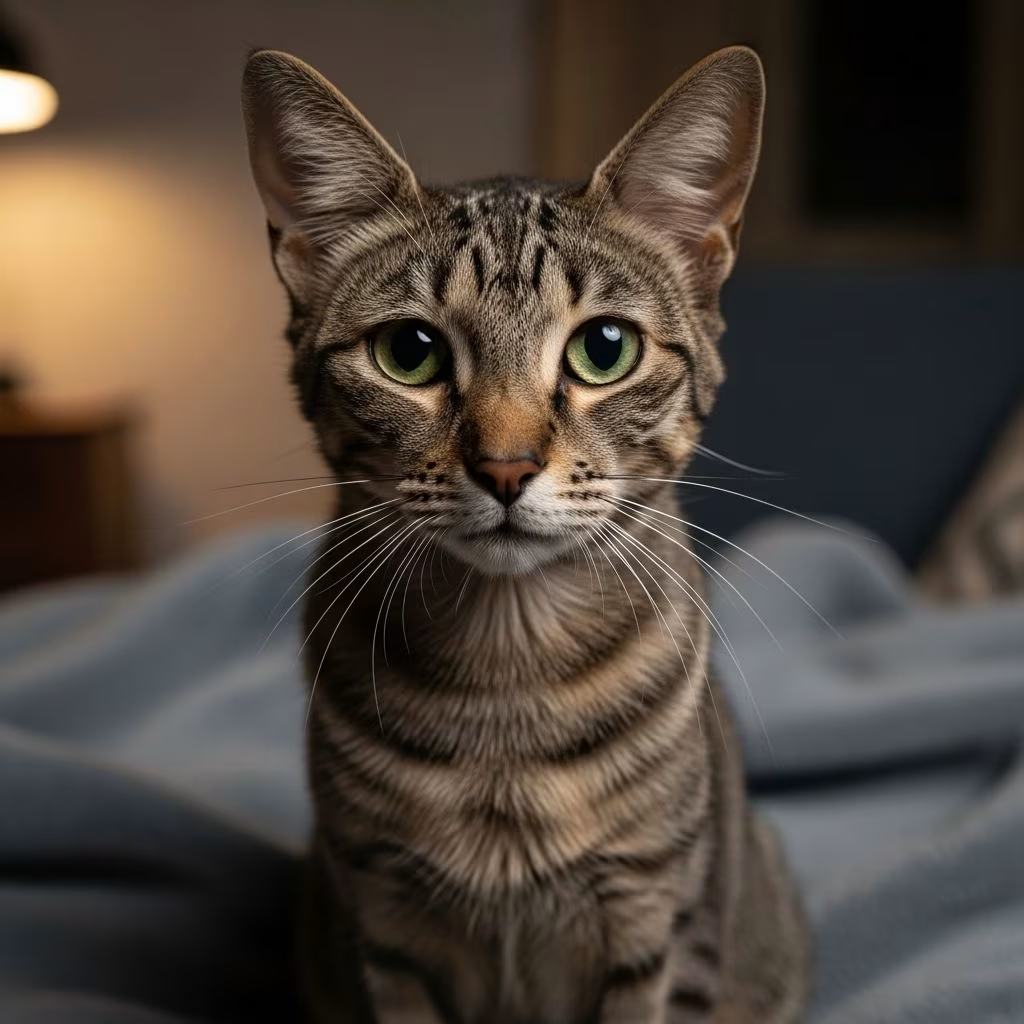
Weight loss in senior cats is a frequent concern for pet owners, often signaling underlying health issues rather than normal aging. Cats over 7 years old, especially those 11 and older, commonly experience unintentional weight loss due to metabolic changes, chronic diseases, or dental problems. Early detection through veterinary evaluation is crucial, as conditions like hyperthyroidism or chronic kidney disease (CKD) can be managed effectively if caught soon.
Why Is My Older Cat Losing Weight?
Senior cats lose weight for various reasons, including natural aging processes and serious medical conditions. A gradual decline might stem from reduced metabolism or muscle wasting (sarcopenia), while rapid loss often indicates diseases like cancer or endocrine disorders. Monitoring body condition score (BCS) on a 9-point scale helps quantify changes; a drop below ideal (4-5) warrants attention.
Normal Aging Changes
As cats age, their metabolism slows, hormone levels shift, and activity decreases, leading to weight loss despite stable food intake. Nutrient absorption declines, particularly fats, proteins, and vitamins B-12 and E, affecting 30-40% of cats aged 10-12. Sarcopenia causes muscle mass reduction, making bones more prominent under the fur.
Cancer
Cancer in older cats promotes rapid weight loss through overactive cell growth that impairs nutrient absorption. Cats may maintain appetite initially but lose weight steadily. Early symptoms include lethargy and behavioral changes; diagnosis requires imaging and biopsies.
Chronic Kidney Disease (CKD)
CKD is prevalent in senior cats, causing waste buildup that leads to nausea, lethargy, and reduced appetite. Symptoms include increased thirst and urination, muscle wasting, and halitosis. Bloodwork shows elevated creatinine and BUN levels; stages range from mild to severe.
Hyperthyroidism
This common condition in cats over 8 years overproduces thyroid hormones, accelerating metabolism and causing weight loss despite ravenous hunger. Additional signs: increased thirst, urination, vomiting, and hyperactivity. Blood tests confirm elevated T4 levels; treatments include medication, surgery, or radioactive iodine.
Diabetes
Feline diabetes results from insulin deficiency or resistance, leading to poor glucose utilization and weight loss with polyuria, polydipsia, and plantigrade stance. Obese cats are at higher risk; management involves insulin therapy, diet, and monitoring.
Sensory and/or Behavior Changes
Aging dulls senses of smell and taste, reducing food interest. Arthritis limits access to food bowls, exacerbating weight loss. Stress from household changes or pain alters eating habits.
Dental Issues
Painful teeth, gum disease, or ulcers make chewing difficult, causing cats to drop food or eat less. Visible signs: drooling, bad breath, or facial swelling. Professional cleaning and extractions resolve most cases.
Signs My Older Cat Is Losing Weight
Detect weight loss early by observing physical and behavioral cues. Regular weigh-ins (weekly for seniors) provide objective data; a 10% loss over time is significant.
- Visible bones: Prominent spine, hips, ribs, and cheekbones indicate low body fat.
- Hesitancy to eat: Leaving food unfinished or selective eating suggests discomfort or nausea.
- Decreased activity: Lethargy from pain, illness, or weakness reduces calorie needs.
- Increased thirst: Polydipsia signals CKD, diabetes, or hyperthyroidism.
- Behavioral changes: Vocalizing, hiding, or aggression points to discomfort.
Other red flags: vomiting, diarrhea, coat dullness, or dehydration (skin tenting).
What to Do if Your Older Cat Is Losing Weight
Never ignore weight loss; schedule a vet visit promptly. Provide a thorough history: diet changes, appetite, litter box habits, and recent stressors. Diagnostics include:
- Physical exam and BCS assessment.
- Complete blood count (CBC), chemistry panel, urinalysis, and thyroid screening.
- Imaging (X-rays, ultrasound) for abdominal issues or masses.
- Fecal tests for parasites.
Supportive care: Offer highly palatable, high-calorie senior diets or warming food to enhance aroma. Elevated bowls aid arthritic cats. Appetite stimulants like mirtazapine may be prescribed.
How to Help Your Senior Cat Gain Weight Safely
Weight regain requires addressing the root cause first. Strategies include:
| Strategy | Description | Benefits |
|---|---|---|
| High-calorie diets | Senior formulas with 400+ kcal/cup, rich in proteins/fats | Boosts intake without volume overload |
| Frequent small meals | 4-6 meals/day | Improves digestion, reduces nausea |
| Nutritional supplements | Omega-3s, probiotics | Supports kidney/liver function |
| Hill’s a/d or Royal Canin Recovery | Recovery foods | Highly digestible, palatable |
| Assisted feeding | Syringe if needed (vet-guided) | Prevents hepatic lipidosis |
Avoid overfeeding to prevent obesity rebound. Track progress with monthly weigh-ins and BCS.
Senior Cat Weight Loss Prevention
Proactive care extends quality life:
- Bi-annual vet exams with bloodwork for cats 7+.
- Maintain ideal BCS through portion control and exercise (laser toys, vertical spaces).
- Dental cleanings every 6-12 months.
- Balanced senior diet transitioning at age 7-11.
- Monitor for early signs via home logs.
Lifestyle enrichment reduces stress-induced loss.
Frequently Asked Questions (FAQs)
Q: Is weight loss normal in older cats?
A: Some muscle loss occurs with aging, but unintentional or rapid loss is not normal and requires vet evaluation to rule out diseases.
Q: How much weight loss is concerning in senior cats?
A: A 10% or more loss over 1-3 months, or visible bone prominence, signals a problem.
Q: Can hyperthyroidism cause weight loss with good appetite?
A: Yes, increased metabolism burns calories faster than intake, a hallmark sign.
Q: What home remedies help a skinny senior cat?
A: Switch to palatable wet food, add toppers like tuna juice, but consult vet first to avoid masking issues.
Q: How is CKD diagnosed in cats losing weight?
A: Via bloodwork (elevated SDMA, creatinine), urinalysis, and ultrasound.
Q: When to worry about cancer in older cats?
A: Unexplained loss with lethargy or lumps; early imaging improves prognosis.
References
- Older Cat Losing Weight: 7 Common Causes & What to Do — RAWZ Natural Pet Food. 2023. https://rawznaturalpetfood.com/older-cat-losing-weight/
- Understanding Weight Loss in Senior Cats — Chino Valley Animal Hospital. 2024. https://chinovalleyanimalhospital.com/blog/senior-cats-and-weight-loss/
- Cat Losing Weight: 12+ Reasons Why [Old Age, Health Issues & More] — Sploot Veterinary Care. 2024. https://www.splootvets.com/post/cat-losing-weight-reasons-why-old-age-health-issues-more
- Why Is My Cat Losing Weight? Here’s What Vets Say — Whisker. 2024. https://www.whisker.com/blog/why-is-my-cat-losing-weight
- 9 Reasons Your Cat May Be Losing Weight — Congress Animal Hospital. 2023. https://congressavevet.com/news/9-reasons-your-cat-may-be-losing-weight/
- Why Is My Cat Losing Weight? — Atlantic Veterinary Internal Medicine. 2024. https://www.avim.us/blog/why-is-my-cat-losing-weight
- Weight Loss in the Elderly Cat: Appetite is Fine, and Everything Seems Otherwise Normal — PMC (PubMed Central). 2024-05-15. https://pmc.ncbi.nlm.nih.gov/articles/PMC11135492/



