

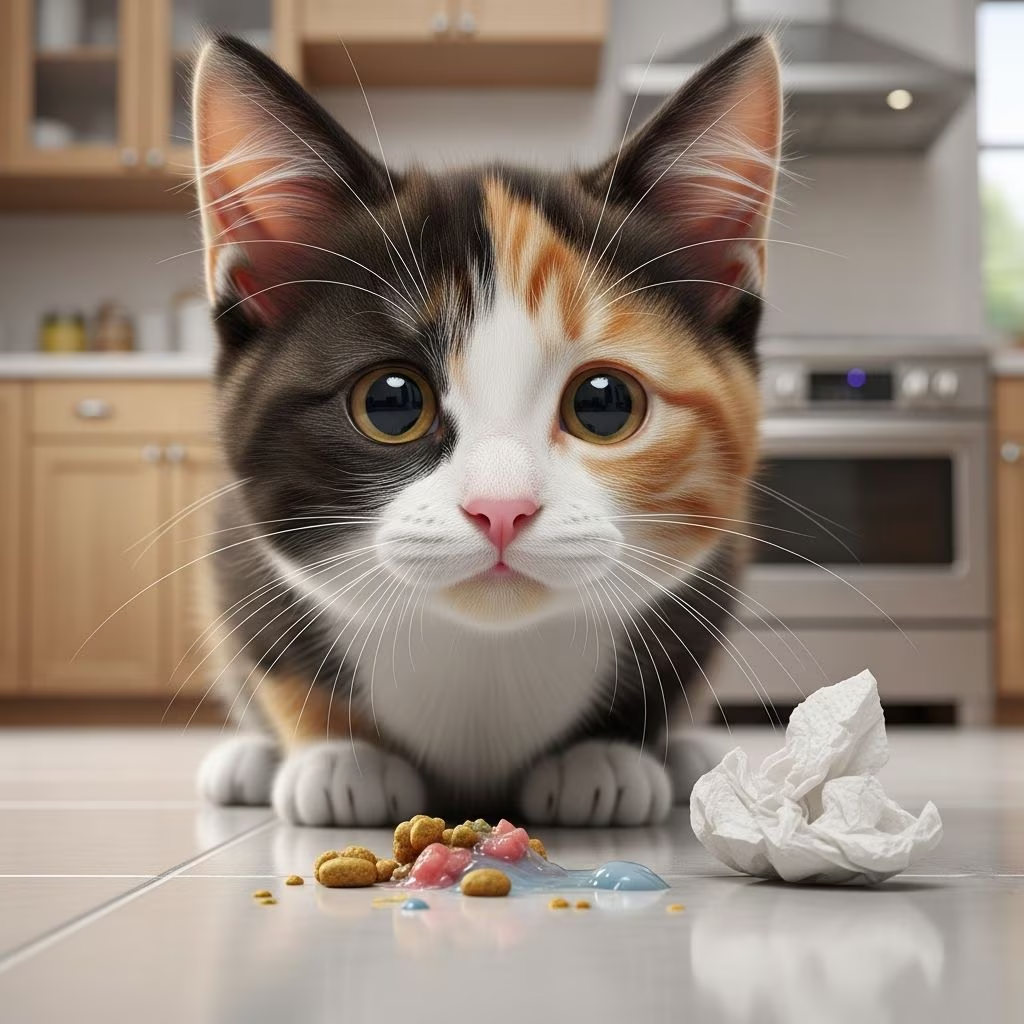
My Kitten Threw Up: Now What?
Finding vomit from your kitten can be alarming for any pet parent. Vomiting in kittens is actually quite common, and while it’s often not a cause for immediate panic, it’s important to understand what might be causing it and when professional help is needed. This guide will walk you through the common reasons kittens vomit, how to assess the severity of the situation, and what steps you should take to help your furry friend feel better.
Understanding Why Kittens Vomit
Kittens vomit for a variety of reasons, ranging from minor digestive upset to more serious underlying conditions. Understanding the potential causes can help you determine whether your kitten needs immediate veterinary attention or if you can manage the situation at home with supportive care.
Common Benign Causes of Kitten Vomiting
Many cases of kitten vomiting are caused by minor issues that resolve on their own or with simple home care. These benign causes are often related to eating habits or dietary factors and rarely require emergency intervention.
Eating Too Quickly is one of the most common reasons kittens vomit, particularly as they get older. Young kittens can be enthusiastic eaters and may consume their food too rapidly, leading to discomfort and regurgitation. This type of vomiting typically happens shortly after eating and is usually not accompanied by other symptoms. Feeding your kitten smaller, more frequent meals or using a slow-feeder bowl can help prevent this issue.
Sudden Diet Changes can upset a kitten’s sensitive digestive system. When transitioning to a new food, whether due to rehoming or a deliberate dietary switch, abrupt changes can cause vomiting and diarrhea. The key is to make dietary transitions gradually over the course of 3-5 days, mixing increasing amounts of the new food with the old food. This allows your kitten’s digestive system to adjust to the new diet without becoming upset.
Hairballs are another common cause of vomiting in kittens as they develop their grooming habits. As kittens groom themselves, they ingest hair that can accumulate in their stomach and intestines, forming hairballs. While hairballs are a normal part of a cat’s life, frequent vomiting related to hairballs may indicate a need for additional grooming support or dietary adjustments.
More Serious Causes Requiring Veterinary Attention
While many cases of kitten vomiting are benign, some can indicate more serious health conditions that require professional diagnosis and treatment. It’s crucial to recognize when your kitten may need veterinary care.
Parasites and Worms are among the most common causes of vomiting in young kittens. Intestinal parasites, particularly roundworms, are frequently passed from mother cats to their kittens through nursing. A heavy worm burden can cause not only vomiting but also diarrhea, weight loss, and a dull coat. You may even notice worms in your kitten’s vomit or stool. Routine deworming starting at a young age is essential for preventing parasitic infestations.
Infections represent another category of serious vomiting causes. Viral infections like panleukopenia (feline distemper) and rotavirus, as well as bacterial infections such as salmonella, and protozoal infections like giardia and coccidiosis, can all cause vomiting in kittens. These infections are typically transmitted through contaminated food, water, or contact with infected animals.
Dietary Indiscretion occurs when kittens eat something abnormal, such as non-food items, toxic plants, or spoiled food. This can trigger vomiting as the body attempts to expel the offending substance. If you suspect your kitten has ingested something toxic, such as lilies, antifreeze, or certain cleaning chemicals, seek veterinary help immediately.
Food Allergies and Intolerances can develop in kittens to various proteins including fish, beef, chicken, and dairy products. Beyond vomiting, you may notice itchy skin, fur loss, or scabs. If allergies are suspected, your veterinarian may recommend a hydrolyzed diet trial to identify the culprit.
Inflammatory Bowel Disease (IBD) is a chronic condition where the gastrointestinal tract becomes inflamed, preventing proper nutrient absorption. Kittens with IBD typically experience chronic vomiting, diarrhea, weight loss, and a scruffy coat. Diagnosis usually requires blood tests, abdominal ultrasounds, and sometimes intestinal biopsies.
Other Serious Conditions such as pancreatitis, hyperthyroidism, kidney disease, cancer, and liver disease can all cause vomiting in kittens, though these are less common in younger animals. These conditions typically require comprehensive diagnostic workups to identify and treat appropriately.
Assessing Your Kitten’s Vomiting
When your kitten vomits, it’s important to assess the situation carefully to determine the urgency of veterinary care. Several factors can help guide your decision.
When to Seek Immediate Veterinary Care
Certain signs indicate that your kitten needs emergency veterinary attention right away:
- Repeated vomiting (more than once or twice in a short period)
- Vomiting accompanied by diarrhea, lethargy, or loss of appetite
- Signs of dehydration such as dry gums or increased thirst
- Vomiting that contains blood or appears black like coffee grounds
- Evidence that your kitten ingested something toxic or non-food item
- Severe abdominal pain or distension
- Signs of weakness or collapse
When to Schedule a Veterinary Appointment
If your kitten has vomited but appears otherwise healthy and alert, you can typically schedule a non-emergency veterinary appointment. Your veterinarian will want to see your kitten within 24-48 hours if vomiting continues or if you’re concerned about an underlying issue.
What Your Veterinarian Will Do
When you bring your vomiting kitten to the veterinarian, they will perform a thorough evaluation to determine the cause of the vomiting and recommend appropriate treatment.
Diagnostic Process
Your veterinarian will begin with a complete physical examination and a detailed history of your kitten’s vomiting episodes. They’ll ask questions about when the vomiting started, how frequently it occurs, what the vomit looks like, and whether your kitten has other symptoms. Blood work and urinalysis may be recommended to check for underlying systemic diseases. In some cases, abdominal ultrasound or X-rays may be necessary to visualize the digestive tract and identify foreign bodies or other abnormalities.
Treatment Options for Kitten Vomiting
Treatment for kitten vomiting depends entirely on the underlying cause. Your veterinarian will recommend a treatment plan tailored to your kitten’s specific situation.
Fluid Therapy
Vomiting can quickly lead to dehydration in kittens, especially those who cannot keep water down. Fluid therapy is one of the most important treatments for vomiting kittens. For mildly dehydrated kittens, subcutaneous fluids (given under the skin) may be sufficient and can often be administered at home or during an office visit. For severely dehydrated kittens or those with other complications, intravenous (IV) fluid therapy may be recommended, which requires hospitalization but allows for faster fluid delivery and correction of electrolyte imbalances.
Anti-Vomiting Medications
Anti-emetic medications such as maropitant or metoclopramide can help stop the vomiting cycle and allow your kitten’s digestive system to rest and recover. These medications also help relieve abdominal discomfort and may make your kitten more willing to eat. Your veterinarian may also prescribe stomach protectants like famotidine (Pepcid) or omeprazole to reduce stomach acid and soothe irritation.
Dietary Management
For acute vomiting episodes, your veterinarian typically recommends a temporary switch to a bland, easily digestible diet. Options may include prescription gastrointestinal diets like Royal Canin Gastrointestinal High Energy or Hill’s ID, or simple bland foods such as boiled chicken or meat-flavored baby food (without onion or garlic powder). Keep in mind that home-prepared foods are not nutritionally complete and should only be used for a few days while your kitten recovers.
For kittens with chronic vomiting, dietary changes can be both therapeutic and diagnostic. If a new diet controls the vomiting, it suggests a dietary intolerance or allergy may be responsible. For chronic cases, your veterinarian may recommend a long-term prescription diet tailored to your kitten’s needs.
Medications for Underlying Conditions
If your kitten’s vomiting is caused by a specific condition, appropriate medications will be prescribed:
- Deworming medications (pyrantel, praziquantel) for parasitic infections
- Antibiotics (ampicillin) for bacterial infections
- Corticosteroids (prednisolone) for inflammatory bowel disease
- Medications for systemic diseases like hyperthyroidism or kidney disease
- Probiotics to support healthy gut flora
Home Care for Your Vomiting Kitten
While your kitten recovers from a vomiting episode, several home care measures can support healing and comfort.
Managing Food and Water
After a vomiting episode, wait 2-3 hours before offering food to allow your kitten’s digestive system to settle. Offer fresh water regularly to encourage drinking and maintain hydration. When you do reintroduce food, offer small amounts of bland diet frequently rather than large meals. Gradually return to your kitten’s normal diet over several days as vomiting resolves.
Environmental Considerations
Keep your kitten in a quiet, comfortable area where they can rest undisturbed. Monitor their appetite, water intake, and elimination patterns closely. If your kitten begins vomiting again or doesn’t improve within 24 hours, contact your veterinarian for further guidance.
Preventing Kitten Vomiting
While not all vomiting can be prevented, several strategies can reduce the likelihood of digestive upset in your kitten.
Dietary Strategies
Feed your kitten high-quality, age-appropriate cat food designed for growing kittens. Make any dietary changes gradually over 3-5 days to minimize digestive upset. If your kitten eats too quickly, use a slow-feeder bowl or divide meals into smaller portions throughout the day. Avoid giving your kitten table scraps or foods toxic to cats, and keep human medications and supplements out of reach.
Parasite Prevention
Establish a regular deworming schedule with your veterinarian starting at 6-8 weeks of age. Kittens typically need deworming every 2-3 weeks until 12 weeks old, then monthly until 6 months of age. Additionally, use appropriate flea and tick prevention as recommended by your veterinarian, as some parasites can cause gastrointestinal upset.
Environmental Safety
Keep toxic plants like lilies and tulips out of reach. Store cleaning chemicals, medications, and other potentially toxic substances securely. Supervise your kitten’s play to ensure they don’t ingest non-food items like string, small toys, or plastic.
Regular Veterinary Care
Maintain regular wellness visits with your veterinarian for vaccinations, parasite prevention, and health monitoring. Early detection of health issues can prevent serious complications.
Frequently Asked Questions
Q: Is it normal for kittens to vomit?
A: While vomiting isn’t normal, it is relatively common in kittens. Occasional vomiting due to eating too quickly or mild dietary upset is usually not serious. However, frequent or persistent vomiting should be evaluated by a veterinarian to rule out underlying health issues.
Q: How do I know if my kitten’s vomiting is serious?
A: Seek immediate veterinary care if your kitten vomits multiple times, shows signs of dehydration, appears lethargic, has vomit containing blood, or ingested something toxic. Single vomiting episodes in otherwise healthy, active kittens are often less concerning.
Q: Can I treat my kitten’s vomiting at home?
A: Mild cases of vomiting can sometimes be managed at home with supportive care such as withholding food for 2-3 hours, offering fresh water, and feeding a bland diet once vomiting stops. However, if vomiting persists beyond 24 hours or your kitten shows other signs of illness, veterinary evaluation is essential.
Q: How long does kitten vomiting typically last?
A: This depends on the cause. Vomiting from dietary indiscretion or eating too quickly may resolve within hours with appropriate home care. Vomiting from infections or parasites may take several days to resolve even with treatment. Chronic vomiting can persist long-term if the underlying cause isn’t properly diagnosed and managed.
Q: When should I transition my kitten back to normal food after vomiting?
A: Gradually return to your kitten’s normal diet over 3-5 days once vomiting has stopped. Start by mixing small amounts of normal food with the bland diet, progressively increasing the proportion of normal food as your kitten tolerates it without further vomiting.
Q: What medications are used to treat kitten vomiting?
A: Common medications include anti-emetics (maropitant, metoclopramide), antacids (famotidine), antibiotics for infections, deworming medications for parasites, and corticosteroids for inflammatory conditions. Your veterinarian will recommend specific medications based on your kitten’s diagnosis.
Q: Could my kitten’s vomiting indicate a food allergy?
A: Yes, food allergies or intolerances can cause vomiting in kittens, often accompanied by skin issues or diarrhea. If allergies are suspected, your veterinarian may recommend a hydrolyzed or limited-ingredient diet trial to identify the problematic ingredient.
References
- Cat Vomiting: Causes, Types, and What to Do — PetMD. 2025. https://www.petmd.com/cat/symptoms/cat-vomiting-causes-and-types
- Cat Throwing Up: Causes & Signs of Serious Issues — Purina. 2025. https://www.purina.com/articles/cat/health/digestion/why-is-my-cat-throwing-up
- Is Your Cat Vomiting? A Complete Guide to Causes and Care — Best Friends Animal Society. 2025. https://bestfriends.org/pet-care-resources/cat-throwing-causes-when-see-vet-treatment
- Cat Vomiting: 10 Causes and How to Help — Veteris. 2025. https://veteris.co.uk/petcare-advice/cat-vomiting-ten-causes-and-how-to-help
- Vomiting and Dehydration in Kittens — Colorado Animal Rescue. 2025. https://www.coloradoanimalrescue.org/vomiting-and-dehydration-in-kittens/
- Vomiting — Cornell University College of Veterinary Medicine. 2025. https://www.vet.cornell.edu/departments-centers-and-institutes/cornell-feline-health-center/health-information/feline-health-topics/vomiting



