

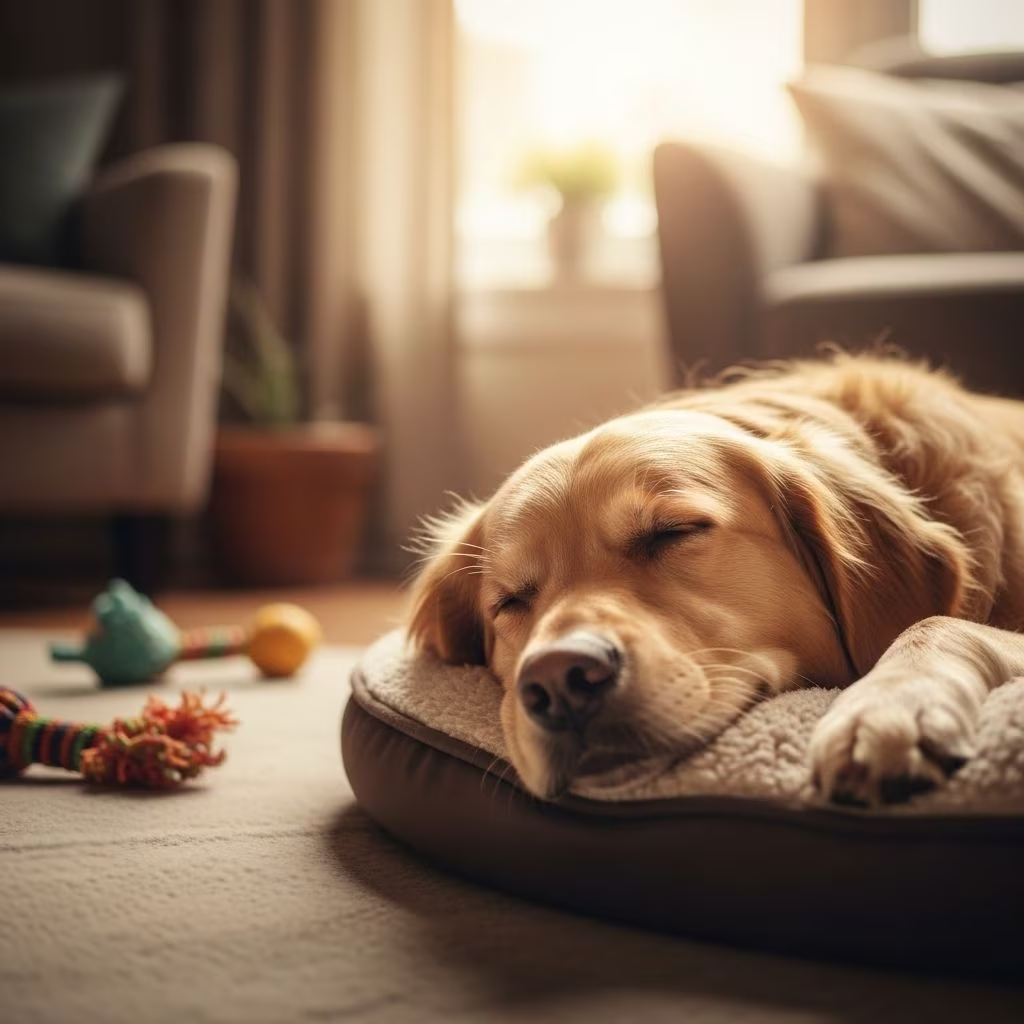
Seeing your dog snoozing on the couch for hours can make you wonder if something is wrong, or if dogs are just meant to sleep most of the day. The reassuring news is that many dogs sleep 12–14 hours or more in a 24-hour period, and that is often completely normal for a healthy dog.
However, changes in sleep, extreme lethargy, or trouble settling can signal an underlying problem. Understanding what “normal” sleep looks like for dogs—and how it differs from human sleep—can help you decide when to relax and when to call your veterinarian.
How Much Sleep Do Dogs Really Need?
Dogs generally sleep far more than humans. Their total daily sleep depends on age, breed, activity level, and health.
| Life stage | Typical total sleep in 24 hours | What this usually looks like |
|---|---|---|
| Puppies | 18–20 hours per day | Short bursts of high-energy play followed by long naps and an early bedtime. |
| Adult dogs | 12–14+ hours per day | 6–8 hours overnight plus multiple naps spread through the day. |
| Senior dogs | 16+ hours per day is common | More frequent naps, slower to wake up, earlier bedtimes, and later morning wake times. |
Veterinary sources estimate that most adult dogs sleep around half to two-thirds of the day when you combine night-time sleep with daytime naps. As long as your dog is bright and responsive when awake, eating well, and interested in play or walks, this level of sleep is usually normal.
Factors That Change How Much a Dog Sleeps
Even within the same age group, dogs can differ widely. Common influences on sleep needs include:
- Age: Puppies and senior dogs need more rest to support growth or recovery from age-related changes.
- Breed and size: Large and giant breeds often sleep more, while some working and herding breeds stay more alert.
- Activity level: Dogs who get vigorous daily exercise may sleep more deeply and take longer naps afterward.
- Daily routine: A quiet home, long workdays, or limited stimulation can lead to more daytime dozing.
- Health status: Illness, pain, and certain medications can all increase sleep needs.
Is It OK If My Dog Sleeps All Day?
Many pet parents worry when their dog spends what looks like the entire day asleep. In most cases, if your dog:
- Gets up readily when you call
- Eats and drinks normally
- Enjoys walks, play, or training
- Has regular bathroom habits
then sleeping much of the remaining time is usually normal. Dogs are not built to be constantly active the way some people are. Instead, they live in a cycle of alert periods mixed with short and long sleep bouts.
The key is to look at the pattern rather than just the total number of hours. A dog who has always been a laid-back napper is very different from a normally active dog who suddenly starts sleeping most of the day.
Normal Dog Sleep Patterns vs. Human Sleep
Humans spend most of the day awake and then get one long block of sleep at night. Dogs, on the other hand, have a more fragmented pattern:
- Several short naps scattered through daylight hours
- One longer sleep interval at night, often 6–8 hours or more
- Periodic brief awakenings to check the environment
Dogs also enter REM (rapid eye movement) sleep more quickly than humans. REM sleep is the stage where dreaming occurs and is linked to memory consolidation and brain health in both species. Because dogs are evolutionarily wired to stay somewhat alert for potential danger, they may get less total REM per nap and therefore need to sleep longer overall to feel fully restored.
Why Do Dogs Sleep So Much?
Sleep is essential for a dog’s physical and mental health. During sleep, the body performs critical tasks such as tissue repair, immune support, and memory processing.
How Sleep Helps Your Dog Stay Healthy
- Body repair: Growth and repair of tissues, muscles, and bones occur during deeper sleep phases.
- Immune support: Adequate sleep supports normal immune function and helps your dog fight off infections.
- Brain and learning: REM sleep in particular helps the brain strengthen neural connections that support learning and memory.
- Emotional regulation: Dogs who sleep well are often more emotionally stable and less irritable.
Common Reasons a Dog Might Sleep Even More
Sometimes dogs sleep more than their usual baseline. Possible reasons include:
- Hard play or heavy exercise: A big hike, training class, or active daycare session can leave your dog exhausted and needing extra rest.
- Routine changes: Schedule shifts, new family members, or a move can be mentally draining, causing more sleep while your dog adjusts.
- Illness or recovery: Dogs fighting infection, recovering from surgery, or managing chronic disease often sleep longer.
- Mood changes: Dogs experiencing depression or grief may retreat and sleep more, similar to some people.
- Low mental stimulation: Boredom can lead some dogs to doze simply because there is nothing else to do.
Signs Your Dog Isn’t Getting Enough Sleep
While many owners worry about too much sleep, too little quality sleep can also be a problem. A dog who cannot settle may show:
- Restlessness at night, pacing or frequently changing positions
- Difficulty napping during the day
- Whining or vocalizing when others are asleep
- Acting excessively clingy or unable to relax alone
Chronic lack of sleep can affect a dog’s mood and behavior. You may notice:
- Increased irritability or agitation
- Over-reactivity to sounds, people, or other animals
- Withdrawn behavior, avoiding interaction
- Sluggishness or disinterest in play and walks
Severe sleep deprivation or sleep disorders may cause more serious signs, such as confusion with basic tasks, disorientation, or unexpected aggression. Any ongoing pattern like this should be evaluated by a veterinarian.
Could Anxiety Be Disrupting Your Dog’s Sleep?
Some dogs are not truly resting even when they lie down. Anxiety can keep them in a constant state of hyper-alertness. Common scenarios include:
- Separation-related anxiety: Dogs left alone may pace, whine, or watch out the window instead of napping.
- Noise or environmental fears: Everyday sounds like vacuum cleaners, storms, or traffic can keep nervous dogs on edge.
- New surroundings: Moving to a new home or staying in a new environment may temporarily disrupt sleep.
If you suspect anxiety, consulting a qualified behavior professional or trainer can help you build a plan that might include environmental changes, training, and in some cases medical support.
When Oversleeping Is a Red Flag
Because each dog has their own normal pattern, the most important thing to watch for is a change from your dog’s usual sleep habits. Oversleeping might be a concern if you notice:
- Sudden increase in daily sleep time without an obvious reason
- Lethargy when awake—your dog seems to have no energy for favorite activities
- Difficulty waking your dog or keeping them awake
- Loss of interest in play, walks, training, or social interaction
- Changes in appetite or thirst
- Weight loss or weight gain
- Stiffness, limping, or difficulty moving
- Restless sleep, panting, or signs of discomfort even while lying down
These signs do not automatically mean something serious is wrong, but they do warrant a conversation with your veterinarian. Illnesses such as pain conditions, metabolic disease, infections, or heart and respiratory problems can all manifest as changes in sleep and energy.
Special Considerations for Senior Dogs
As dogs age, they tend to:
- Sleep more overall
- Wake up later in the morning
- Take more, but not necessarily longer, naps
- Wake less often during the night
Some older dogs also develop cognitive dysfunction (similar to dementia), which can disrupt normal sleep-wake cycles. They may be awake and pacing at night and then sleep heavily during the day. If you notice confusion, new house-soiling, getting stuck in corners, or changes in how your dog interacts with you, let your vet know, as there are management options and medications that can help.
How to Help Your Dog Get Healthy, Restful Sleep
If your dog seems underslept, restless, or just not fully rested, you can support better sleep with a few practical changes.
Create a Comfortable Sleep Environment
- Provide a supportive bed that fits your dog’s size and offers cushioning, especially for large or older dogs.
- Choose a quiet, darker area of the home for night-time sleep.
- Keep a consistent sleeping spot so your dog knows where to settle.
- Manage temperature: Ensure the room is not too hot or too cold.
Support a Predictable Daily Routine
- Keep regular feeding times to help regulate your dog’s internal clock.
- Offer daily physical exercise appropriate for your dog’s age and health.
- Include mental enrichment like food puzzles, training, and sniff walks to satisfy their brain.
- Try to keep bedtimes and wake times consistent from day to day.
Address Anxiety and Overstimulation
- Use calm, low-key routines in the hour before bed.
- Provide a safe space (crate, pen, or dedicated bed area) where your dog will not be disturbed.
- Consider white noise or soft background sound if noises startle your dog awake.
- Work with a trainer or behaviorist if your dog has separation anxiety or sound sensitivities.
When to Call the Vet About Your Dog’s Sleep
Contact your veterinarian if you notice any of the following:
- A noticeable and persistent change in how long or how deeply your dog sleeps
- Oversleeping combined with:
- Loss of appetite or increased thirst
- Vomiting, diarrhea, or weight change
- Coughing, difficulty breathing, or exercise intolerance
- Stiffness, limping, or signs of pain
- Confusion, getting stuck in corners, or new house-soiling
- Behavior changes such as sudden aggression, extreme withdrawal, or disorientation
Prepare to tell your vet:
- How long the sleep changes have been going on
- What your dog’s normal sleep used to look like
- Any changes in diet, environment, or routine
- All medications, supplements, or recent treatments
This information helps your veterinarian decide whether your dog’s sleep is within normal limits or if further tests are needed.
Frequently Asked Questions (FAQs)
Q: Is it normal for my dog to sleep 20 hours a day?
For young puppies and some senior dogs, up to 18–20 hours of total rest in a day can be normal. For a healthy adult dog, 20 hours of sleep is on the high side and should be discussed with your veterinarian, especially if this is a new pattern or your dog seems lethargic when awake.
Q: My dog sleeps all day when I’m at work. Should I be worried?
Many dogs nap much of the day when left alone, especially in quiet homes. If your dog is energetic and happy when you return, eats well, and enjoys walks and play, this is usually normal. If they seem depressed, anxious, or unusually tired, consider adding exercise, enrichment, or a midday walk and talk to your vet if concerns persist.
Q: How can I tell normal napping from dangerous lethargy?
Normal napping means your dog wakes easily, responds to you, and is willing to move, eat, or play. Lethargy means your dog is difficult to rouse, moves slowly or reluctantly, and may refuse food or favorite activities. Any sudden or severe lethargy should be treated as urgent and evaluated by a veterinarian.
Q: Do certain breeds sleep more than others?
Yes. Large and giant breeds often sleep more, while some herding, working, and terrier breeds may be more active and sleep slightly less. Individual personality and lifestyle, however, are just as important as breed, so compare your dog mainly to their own normal, not just breed averages.
Q: Can I improve my dog’s sleep without medication?
In many cases, yes. A combination of consistent routines, appropriate exercise, mental enrichment, a comfortable sleeping space, and good behavior training can significantly improve sleep quality. For dogs with medical or behavioral conditions, your veterinarian or a behavior specialist may recommend additional options, including medication.
References
- Brain Basics: Understanding Sleep — National Institute of Neurological Disorders and Stroke (NINDS), U.S. National Institutes of Health. 2019-08-13. https://www.ninds.nih.gov/health-information/public-education/brain-basics/brain-basics-understanding-sleep
- Why Do Dogs Sleep So Much? — PetMD. 2022-03-29. https://www.petmd.com/dog/general-health/how-many-hours-does-dog-sleep-day
- Why Is My Dog Sleeping So Much? — Rover.com. 2023-05-04. https://www.rover.com/blog/why-do-dogs-sleep-so-much/
- Why Do Dogs Sleep So Much? — American Kennel Club. 2020-10-20. https://www.akc.org/expert-advice/health/why-do-dogs-sleep-so-much/



