

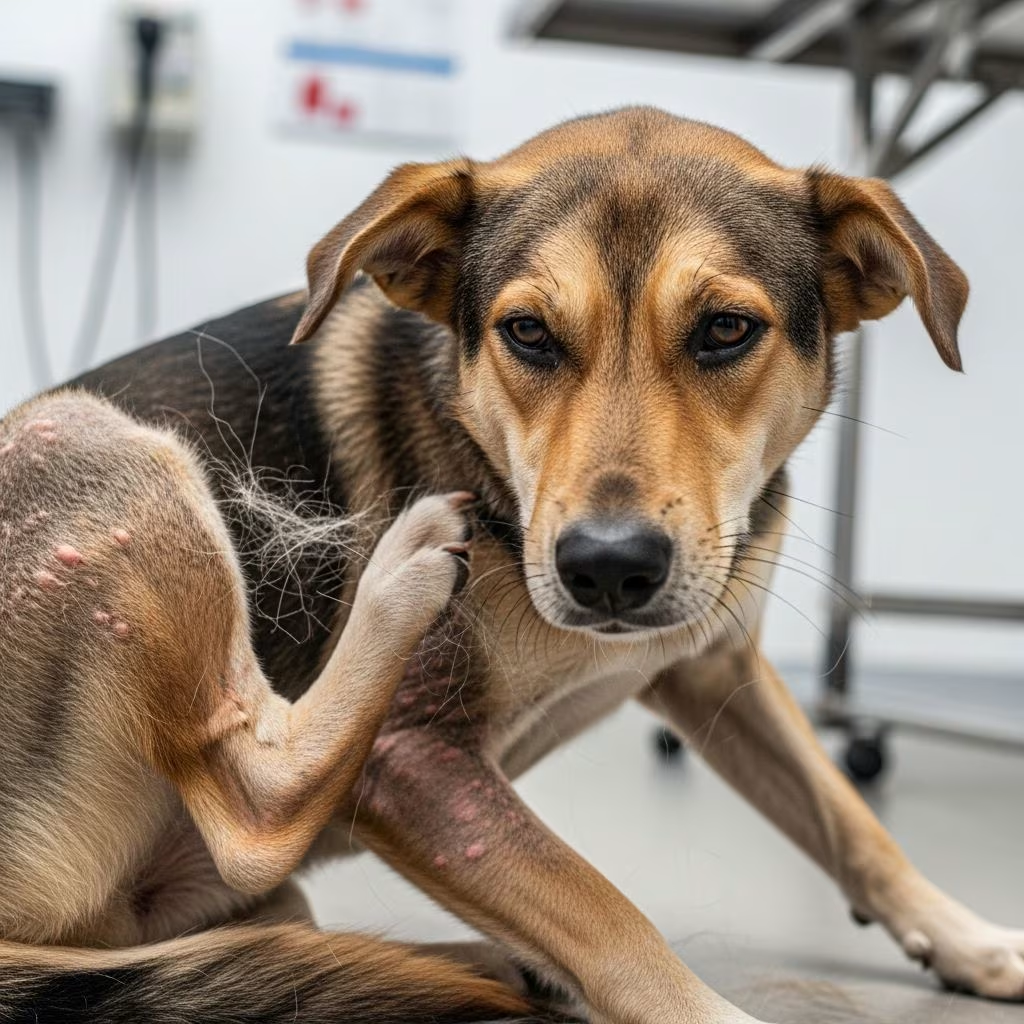
Seeing your dog constantly scratching, licking, or biting at their skin while patches of hair fall out can be distressing, especially when you’ve ruled out fleas. Itching and hair loss, known medically as pruritus and alopecia, often signal an underlying issue ranging from allergies to infections or hormonal problems. While fleas are a common culprit, their absence doesn’t mean the end of the search—other parasites, environmental factors, or internal conditions could be at play. Early identification and veterinary intervention are crucial to stop the cycle of discomfort and prevent secondary infections from scratching.
This comprehensive guide covers the most frequent causes of flea-free itching and hair loss in dogs, diagnostic steps, home care tips, and treatment options. Understanding these can help you support your dog’s recovery and improve their quality of life.
Signs Your Dog Is Itching and Losing Hair
Before diving into causes, recognize the symptoms. Dogs can’t verbalize discomfort, so watch for these behavioral and physical changes:
- Excessive scratching, chewing, or licking specific areas like paws, belly, ears, or armpits.
- Patchy bald spots (alopecia), often symmetrical on flanks, thighs, or tail base.
- Red, inflamed skin (erythema), scabs, hot spots, or oily/dandruff-like flakes.
- Rubbing against furniture or rolling on the ground to relieve itchiness.
- Behavioral shifts: restlessness, irritability, or loss of appetite due to discomfort.
- Secondary signs like foul odor from yeast overgrowth or thickened skin from chronic irritation.
These symptoms can appear suddenly or gradually, affecting any breed, age, or size. Puppies might show focal bald spots from mites, while older dogs could have hormonal thinning. Note patterns—seasonal worsening suggests environmental allergies, while year-round issues point to food sensitivities or infections.
Common Causes of Itching and Hair Loss (No Fleas)
When fleas are absent, several other conditions mimic their effects. Here’s a breakdown of the primary culprits, supported by veterinary insights.
Allergies: Environmental, Food, or Contact
Allergies top the list for chronic itching without fleas. Dogs develop sensitivities to pollen, mold, dust mites, grasses, or even household cleaners, causing atopic dermatitis. Flea allergy, though flea-free here, highlights how minimal exposure triggers intense reactions.
Food allergies affect 10-15% of itchy dogs, often to proteins like beef, chicken, dairy, or grains. Symptoms include ear infections, paw licking, and gastrointestinal upset alongside hair loss. Contact allergies from shampoos or bedding cause localized redness.
| Allergy Type | Common Triggers | Key Symptoms |
|---|---|---|
| Environmental (Atopy) | Pollen, dust mites, mold | Seasonal itching on face/paws, red belly |
| Food | Beef, dairy, wheat | Year-round scratching, ear issues, diarrhea |
| Contact | Shampoos, plastics | Localized bald spots on belly/chest |
Mange and Mites: Sarcoptic and Demodectic
Mites cause intense itching via Sarcoptic mange (scabies), where Sarcoptes scabiei burrows into skin, leading to crusty, red lesions and hair loss on ears, elbows, and hocks. It’s highly contagious to dogs and humans.
Demodectic mange from Demodex mites overproliferates in immunocompromised dogs, causing non-itchy (initially) bald patches on face/legs that progress to secondary infections. Puppies and stressed adults are prone.
Ringworm: A Contagious Fungal Infection
Ringworm (dermatophytosis) isn’t a worm but a fungus creating circular bald patches with scaling, redness, and broken hairs, often on head, tail, or legs. It’s zoonotic, spreading to pets and people, and won’t resolve without treatment like medicated shampoos or oral antifungals.
Bacterial and Yeast Infections
Scratching breaks the skin barrier, inviting bacteria (pyoderma) or yeast (Malassezia), causing greasy, smelly skin, thickened areas, and hair loss. Common in moist folds like paws or groin.
Hormonal Imbalances: Hypothyroidism, Cushing’s, and Alopecia X
Endocrine disorders disrupt hair growth cycles. Hypothyroidism (underactive thyroid) leads to symmetrical hair loss on trunk/tail, dry skin, and lethargy. Cushing’s disease (hyperadrenocorticism) causes potbelly, increased thirst, and thin coat. Alopecia X, breed-specific (e.g., Pomeranians), results in non-itchy baldness.
Other Causes: Autoimmune, Nutritional, or Stress
Rarely, autoimmune diseases, poor diet (zinc deficiency), or psychogenic licking from anxiety cause self-induced hair loss. Genetic alopecia in breeds like Mexican Hairless dogs is benign.
How Vets Diagnose Itching and Hair Loss
Don’t self-diagnose—vets use a systematic approach:
- History and Exam: Discuss onset, diet, environment, and breed predispositions.
- Skin Scrapings/Cytology: Microscopic checks for mites, bacteria, yeast.
- Cultures/Biopsy: For fungi or deeper infections.
- Allergy Testing: Intradermal or blood tests; 8-week elimination diets for food allergies.
- Bloodwork: Screens for thyroid, Cushing’s.
- Flea Dirt Check: Even without adults, eggs persist.
Diagnosis guides tailored treatment, preventing recurrence.
Treatment Options for Itchy, Hairless Dogs
Treatments target the root cause:
- Allergies: Antihistamines, Apoquel/Cytopoint injections, immunotherapy; hypoallergenic diets.
- Mange: Ivermectin, milbemycin for Sarcoptic; dips/amitraz for Demodex.
- Ringworm: Topical lime sulfur dips, oral griseofulvin.
- Infections: Antibiotics (cephalexin), antifungals (ketoconazole), medicated shampoos.
- Hormonal: Thyroid supplements, trilostane for Cushing’s.
Supportive care: Oatmeal baths, cone collars to prevent scratching, omega-3 supplements for skin health.
Home Remedies and Prevention Tips
While awaiting vet care:
- Bathe weekly with hypoallergenic shampoo.
- Trim nails to reduce damage.
- Use flea preventives year-round (Bravecto, Nexgard).
- Track symptoms in a journal: diet, seasons, locations.
- Improve diet with novel proteins; add fish oil.
- Avoid human remedies like hydrocortisone—toxic if licked.
Prevention: Regular grooming, hypoallergenic bedding, air filters for allergens, prompt vet visits.
When to See a Vet Urgently
Seek immediate care if: severe bleeding, widespread infection, lethargy, or rapid hair loss. Delays worsen conditions, risking sepsis.
Frequently Asked Questions (FAQs)
Can food allergies cause hair loss without itching?
Yes, but usually with itching; chronic cases lead to secondary infections.
Is dog mange curable?
Most cases resolve with treatment; Sarcoptic is highly treatable.
How long does it take for hair to regrow?
4-12 weeks post-treatment, depending on cause.
Are certain breeds more prone?
Yes: Bulldogs (allergies), Huskies (zinc issues), Terriers (atopy).
Can stress alone cause bald spots?
Rarely; usually exacerbates other issues.
References
- Hair Loss in Dogs: Causes, Symptoms, and Treatment — PetMD. 2023. https://www.petmd.com/dog/conditions/skin/hair-loss-dogs-causes-symptoms-and-treatment
- My Dog Is Itching & Losing Hair: Several Possible Causes — PetLab Co. 2024. https://thepetlabco.com/learn/dog/health-wellness/dog-itching-and-losing-hair
- Why Is My Dog Losing Hair? — Nolana Animal Hospital. 2023-12-15. https://www.nolanavet.com/site/blog/2023/12/15/why-is-my-dog-losing-hair
- Dog Bald Spots, Dog Hair Loss, Balding Dogs — WebMD. 2024. https://www.webmd.com/pets/dogs/dog-bald-spot
- Why is my dog itchy and losing hair? — WagWalking. 2024. https://wagwalking.com/symptom/why-is-my-dog-itchy-and-losing-hair



