

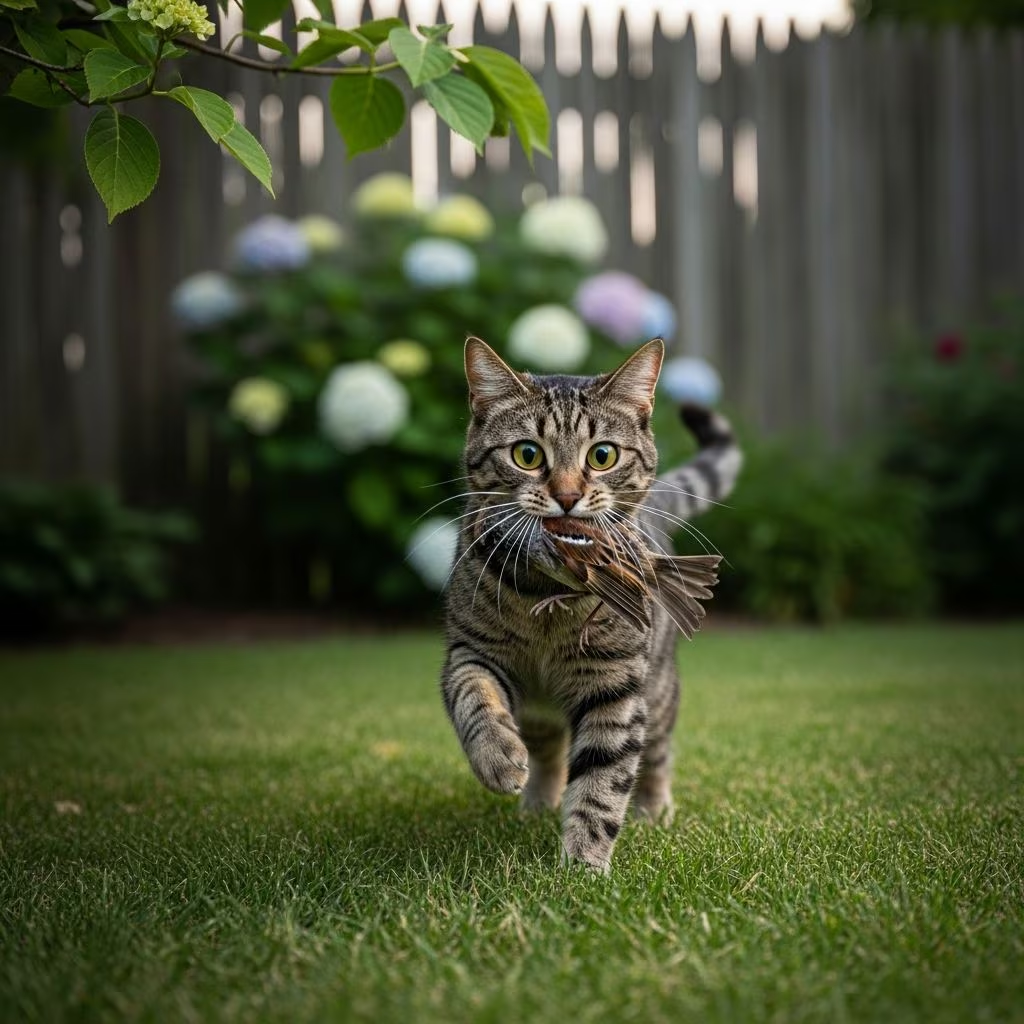
It’s a common yet distressing sight for many cat owners: your beloved feline proudly presenting a lifeless bird at your doorstep. Cats are natural predators, and hunting is instinctual behavior rooted in their evolutionary history as skilled hunters. While this display might make your cat feel like a successful provider, it poses risks to both your pet’s health and local wildlife. Domestic cats contribute significantly to bird mortality, with studies linking them to the decline of numerous species. This comprehensive guide outlines immediate steps to take, safe disposal methods, health monitoring protocols, and long-term prevention strategies to minimize future incidents.
Understanding why cats hunt—even well-fed ones—is key. Hunting satisfies their predatory drive, providing mental stimulation and a sense of accomplishment. Indoor cats may bring ‘gifts’ from supervised outdoor time, while free-roaming cats pose greater threats. Importantly, never punish your cat for this behavior; it only causes confusion and stress without addressing the instinct. Instead, focus on calm intervention and proactive measures. We’ll cover everything from confirming the bird’s status to building a catio, ensuring you protect your cat, your family, and the ecosystem.
How to Handle the Immediate Situation
When you discover your cat with a bird, stay composed. Panic can lead to hasty actions that risk disease transmission. The first priority is separating your cat from the scene to prevent ingestion, which could expose them to pathogens like Salmonella or parasites.
- Remove your cat calmly: Use your regular happy voice to lure them away with treats or play. Confine them indoors or in a separate room temporarily. This prevents further interaction and allows safe assessment.
- Assess the bird safely: From a distance, observe for signs of life like breathing or movement. Use a stick to gently prod if needed—avoid direct contact initially.
If the bird shows any vitality, do not attempt personal rescue. Cat saliva contains bacteria lethal to birds, often causing fatal infections within hours. Contact a local wildlife rehabilitator immediately. In the US, use the Humane Society’s wildlife care directory or your state’s Department of Natural Resources (DNR). International owners should reach out to equivalents like the RSPCA in the UK or local wildlife trusts. Place any live bird in a ventilated, darkened box lined with a soft cloth and keep it warm until help arrives.
How to Handle a Dead Bird
Confirming death requires caution. Dead birds can carry zoonotic diseases transmissible to humans and pets, including avian influenza, West Nile virus, and salmonellosis. Always prioritize personal protective equipment (PPE).
- Wear gloves or use barriers: Don disposable gloves, or invert a plastic bag over your hand to grasp the bird without skin contact. Ensure the beak and claws cannot puncture materials.
- Double-bag for disposal: Place the bird in a sealed plastic bag, then inside a second bag. Discard in outdoor trash to avoid indoor contamination. Clean any contacted surfaces with disinfectant.
- Alternative burial option: If preferred, bury in a yard spot with low traffic. Dig a hole at least 2 feet deep, place the bird directly in soil (no containers, as they hinder natural decomposition), and cover evenly to deter scavengers or erosion.
- Hand hygiene: Wash hands for 20+ seconds with soap, even if gloved. Launder clothes separately.
Check local regulations—some areas require reporting dead birds to health departments for disease surveillance. This step protects your household from pathogens like Salmonella, which causes songbird fever in cats and gastroenteritis in humans.
Monitor Your Cat for Signs of Illness
Even if your cat didn’t consume the bird, contact during the hunt risks infection. Birds often harbor bacteria, parasites, or viruses asymptomatically. Vigilance over 7-14 days post-incident is crucial.
| Symptom | Description | Potential Cause | Action |
|---|---|---|---|
| Lethargy | Reduced activity, sleeping more | Bacterial infection (e.g., salmonellosis) | Vet visit if persistent >24 hours |
| Diarrhea/Vomiting | Loose stools, regurgitation | Pathogen ingestion | Monitor hydration; vet if bloody/dehydrated |
| Fever | Warm ears/nose, shivering | Systemic infection | Immediate vet exam |
| Appetite Loss | Refusing food/water | Gastrointestinal upset | Fluids check; vet if >48 hours |
| Respiratory Issues | Coughing, sneezing | Viral like avian influenza | Urgent vet; isolate from other pets |
Songbird fever, or feline salmonellosis, manifests 3-5 days post-exposure with fever, diarrhea, and dehydration. Prompt veterinary care, including fecal tests and antibiotics, yields high recovery rates. Annual wellness exams and vaccinations bolster resilience. Clean litter boxes daily during monitoring, as Salmonella sheds in feces.
Prevent Your Cat from Killing Birds
Prevention combines environmental management, behavioral deterrents, and lifestyle changes. Cats kill billions of birds annually, exacerbating biodiversity loss—outdoor cats have driven 63 species extinctions. Transitioning to safer habits benefits all parties.
Keep Cats Indoors or Supervised
The gold standard: indoor living extends lifespan (2-5x longer) and eliminates hunting. Enrich indoors with toys, scratching posts, window perches, and puzzle feeders mimicking hunt challenges. Supervised leash walks or harness training provide safe outdoor stimulation.
Bells and Collar Strategies
A breakaway collar with bells alerts prey. The jingle disrupts stealth, giving birds escape time—though not 100% effective against expert stalkers. Opt for quick-release safety collars. Bright colors enhance visibility.
Spay/Neuter to Curb Roaming
Altering reduces territorial roaming by 80-90%, limiting hunt opportunities. It also combats pet overpopulation.
Build a Catio or Enclosure
Catio (cat patio) enclosures offer fresh air sans risks. DIY with wire mesh, shelves, and plants; commercial units suit balconies/patios. Integrate bird feeders nearby for observation without predation.
Garden Modifications
- Position feeders near escape cover (bushes/trees) but not hiding spots.
- Limit access at dawn/dusk—prime hunting times—by indoor confinement.
- Use motion-activated deterrents like sprinklers.
These multi-layered tactics reduce kills by up to 70% per studies.
Frequently Asked Questions (FAQs)
Q: Is it normal for my cat to kill birds?
Yes, it’s instinctual. Even fed cats hunt for fun, not hunger. Punishment fails; prevention succeeds.
Q: Can my cat get sick from eating a bird?
Absolutely. Risks include salmonellosis, parasites, and viruses. Monitor closely and consult a vet for symptoms.
Q: What if the bird is still alive?
Contain in a dark, ventilated box and contact wildlife rescue. Cat bites are often fatal to birds.
Q: Do bell collars really work?
They help by alerting prey but aren’t foolproof. Combine with other methods like indoor time.
Q: How do I dispose of the bird safely?
Double-bag with gloves, trash it, or bury 2 feet deep. Wash hands/surfaces thoroughly.
Q: Should I let my cat outside at all?
Indoor with enrichment is safest. If outdoors, use collars, enclosures, and timed access.
References
- Pet Birds and Cats: A Bad Combination — Cornell University College of Veterinary Medicine. 2023-05-15. https://www.vet.cornell.edu/departments-centers-and-institutes/cornell-feline-health-center/health-information/feline-health-topics/ask-elizabeth-help-my-cats-killer-what-can-i-do
- Salmonellosis in Cats (Songbird Fever) — Cornell University College of Veterinary Medicine. 2024-02-10. https://www.vet.cornell.edu/departments-centers-and-institutes/cornell-feline-health-center/health-information/feline-health-topics/salmonellosis-songbird-fever
- Wildlife Helpline — Humane Society of the United States. 2025-01-05. https://www.humanesociety.org/resources/wildlife-helpline
- Impact of Free-Ranging Domestic Cats on Vertebrates — U.S. Fish and Wildlife Service. 2023-11-20. https://www.fws.gov/library/collections/impact-free-ranging-domestic-cats-vertebrates-north-america
- Cat Collars and Hunting Success — Royal Society for the Protection of Birds (RSPB). 2024-07-12. https://www.rspb.org.uk/birds-and-wildlife/wildlife-guides/advice-helping-birds/cats-and-birds



