

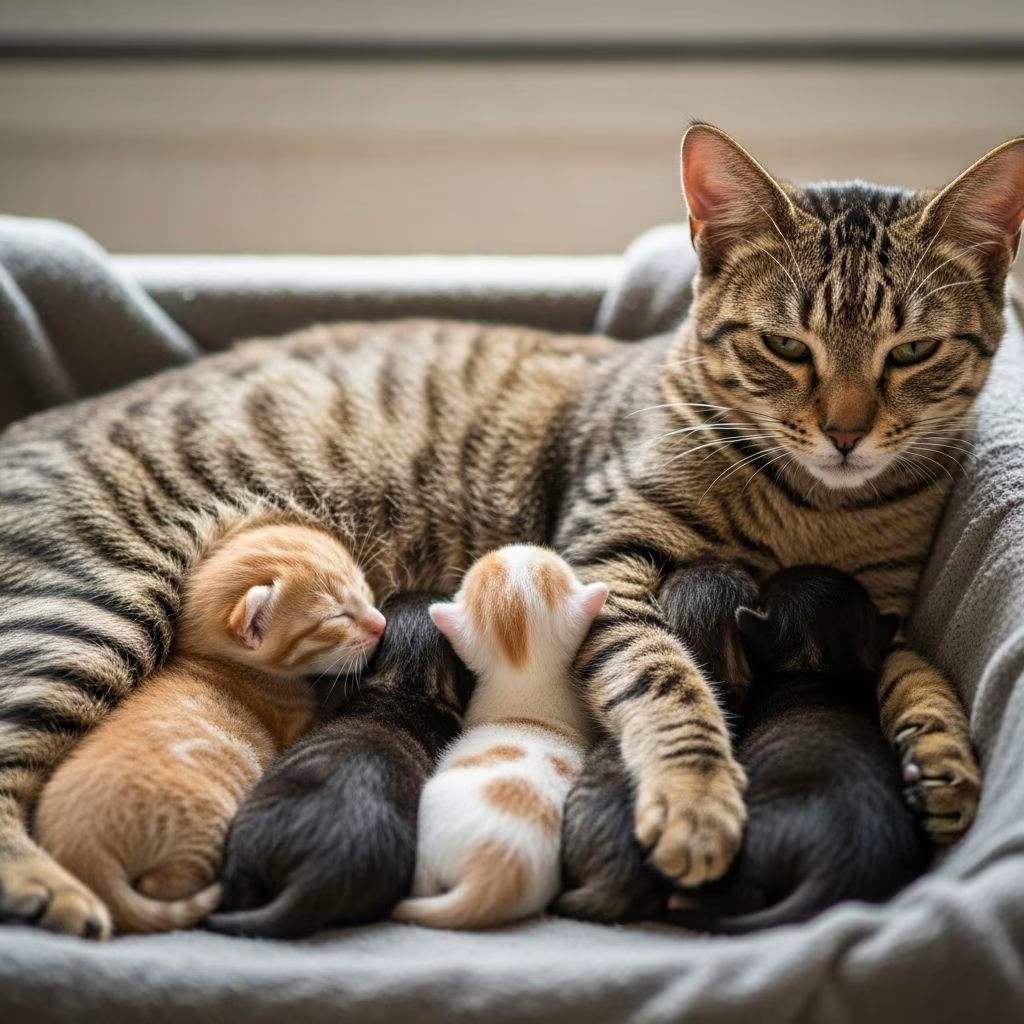
Your cat has just given birth to a litter of kittens, marking an exciting yet demanding time. Immediate postpartum care is crucial to support the mother’s recovery and the kittens’ healthy development. This guide covers monitoring health, providing proper nutrition, creating a safe environment, and knowing when to seek veterinary help.
Understanding the Postpartum Period
The time immediately after birth, known as the postpartum or postnatal period, involves significant hormonal changes for your cat. She must nurse her kittens, which increases her nutritional demands and risks issues like weight loss, infections in the womb or mammary glands, or metabolic problems if not managed properly. First-time mothers or those with large litters may face additional stress.
Keep the birthing area quiet, warm (around 85-90°F or 29-32°C for newborns), and clean to allow bonding without disturbances. Trim long-haired cats’ fur around the hindquarters and mammary glands to prevent hygiene issues; a vet or groomer can assist if needed.
Immediate Steps After Birth
In the first hours and days, prioritize these actions:
- Observe the mother settling with her kittens without excessive interference.
- Ensure all placentas are delivered (one per kitten) and kittens are nursing vigorously, appearing plump and content.
- Monitor vaginal discharge: light red-brown for up to 3 weeks is normal; dark green at birth signals issues.
- Check teats daily for redness, swelling, or hardness, indicating potential mastitis.
- Weigh kittens daily in the first week, then weekly; they should gain 10-15 grams per day initially.
Gently handle kittens starting a few days post-birth to promote socialization and stress resilience.
Nutrition for Nursing Mother and Kittens
A lactating cat requires 2-3 times more calories than usual. Switch to high-quality kitten food, rich in protein and fat, fed in 3-4 meals daily or free-choice. Provide both wet and dry options for variety and hydration.
Do not give supplements like calcium without vet approval. Fresh water must always be available. Kittens rely solely on mother’s milk for the first 4 weeks, gaining essential antibodies and nutrition.
| Stage | Mother’s Diet | Kitten Feeding |
|---|---|---|
| 0-4 Weeks | Kitten food, multiple meals | Exclusive nursing |
| 4-8 Weeks | Continue kitten food | Introduce weaning food |
Veterinary Care Post-Birth
Schedule a vet check within 3 days for mother and kittens to assess for birth defects, infections, hydration, and overall well-being. Bring sooner if concerns arise.
Deworming: Use vet-approved products safe for lactating cats; continue from pregnancy. Kittens start at 2-4 weeks, monthly for first 6 months.
Flea treatments are unsafe for nursing mothers or kittens under 8 weeks; consult vet.
Creating a Safe Kitten Environment
Designate a quiet, draft-free ‘kittening’ area with low bedding, away from other pets and children. Avoid stressors like loud noises or frequent visitors.
- Provide shallow litter box with non-clumping litter nearby, though mother may avoid it initially.
- Secure hazards: tie blind cords, remove toxic plants, close trash/toilets, hide wires.
- Maintain warmth: use heating pads on low (never direct contact) or incubators if needed.
Newborn Kitten Development Milestones
Newborns (neonatal stage: 0-4 weeks) are helpless:
- Days 1-7: Sleep 90% of time, nurse every 1-2 hours, eyes/ears closed, stimulated by mother for elimination.
- Weeks 1-2: Eyes open (7-14 days), start crawling, teeth emerge around day 14.
- Weeks 3-4: Walk, play, use litter box, weaning begins.
- Weeks 4-8: Rapid socialization window; handle daily for human bonding.
Mother licks kittens’ genitals/anus post-feeding to stimulate urination/defecation until 3-4 weeks.
Warning Signs: When to Call the Vet
Act immediately if you notice:
- Mother: Lethargy, loss of appetite, vomiting/diarrhea, foul vaginal odor, red/swollen teats, tremors, rigidity, fever, or neglect of kittens.
- Kittens: Crying excessively, cold to touch, not nursing, weight loss, diarrhea, dehydration (skin tenting), fleas, or parasites.
- Retained placenta, dystocia (prolonged labor), or metritis (uterine infection).
Emergency signs include kittens fading (sudden weakness) or mother rejecting litter.
What NOT to Do
Avoid common mistakes:
- Separating kittens from mother under 4 weeks, risking poor development or aggression.
- Giving medications, flea/worm treatments, or baths without vet guidance.
- Overhandling in first 24-48 hours or exposing to stress/cold.
- Using cow’s milk or human formula for kittens; only kitten milk replacer (KMR).
Caring for Orphaned or Hand-Raised Kittens
If mother can’t nurse:
- Feed KMR via bottle every 2-3 hours (including nights); burp after by patting gently.
- Stimulate elimination with warm cloth after each feed.
- Keep warm (95°F week 1, decreasing gradually); weigh daily.
- Socialize with littermates or toys.
Tube feeding or vet intervention may be needed for weak kittens.
Weaning and Long-Term Care
Around 4 weeks, introduce gruel (KMR + wet kitten food). Fully weaned by 8 weeks. Vaccinate at 6-8 weeks, spay/neuter mother post-weaning and kittens at 8-12 weeks to prevent overpopulation.
Monitor growth: Kittens should triple birth weight by 3 weeks.
Frequently Asked Questions (FAQs)
Q: How soon after birth should I take my cat and kittens to the vet?
A: Within 3 days for a routine check, or immediately if any concerns like poor nursing or illness appear.
Q: What should I feed a nursing cat?
A: High-quality kitten food in multiple meals daily; avoid supplements unless vet-recommended.
Q: Can I bathe newborn kittens?
A: Only spot-clean with warm cloth if needed; fully dry to prevent chilling. No flea products under 6-8 weeks.
Q: When do kittens open their eyes?
A: Typically 7-14 days after birth.
Q: How do I know if kittens are getting enough milk?
A: They should be warm, content, gaining weight (10-15g/day), and have round bellies.
Q: Is it normal for mom to leave kittens briefly?
A: Yes, for eating, grooming, or litter; she returns quickly. Extended absence or rejection needs vet attention.
References
- Care after giving birth in cats — Joii Pet Care. 2023. https://www.joiipetcare.com/blogs/advice/care-after-giving-birth-in-cats
- Kitten Care Guide — Royal Canin. 2023. https://my.royalcanin.com/UserFiles/Digital%20Assets/Start-of-Life/SOL%2023/SOL%20-%20Kitten%20Care%20Guide.pdf
- Neonatal & Newborn Kittens | Care, Feeding Help & Burping Tips — Alley Cat Allies. 2024. https://www.alleycat.org/community-cat-care/caring-for-neonatal-kittens/
- How to Care for a Mama Cat & Kittens (3 Top Tips!) — Kitten Lady (YouTube). 2020. https://www.youtube.com/watch?v=KywmFOf917w
- How to Care For a Nursing Mama & Her Babies — Kitten Lady. 2024. http://www.kittenlady.org/mama
- Caring for young kittens and their moms — Animal Humane Society. 2024. https://www.animalhumanesociety.org/resource/caring-young-kittens-and-their-moms



