

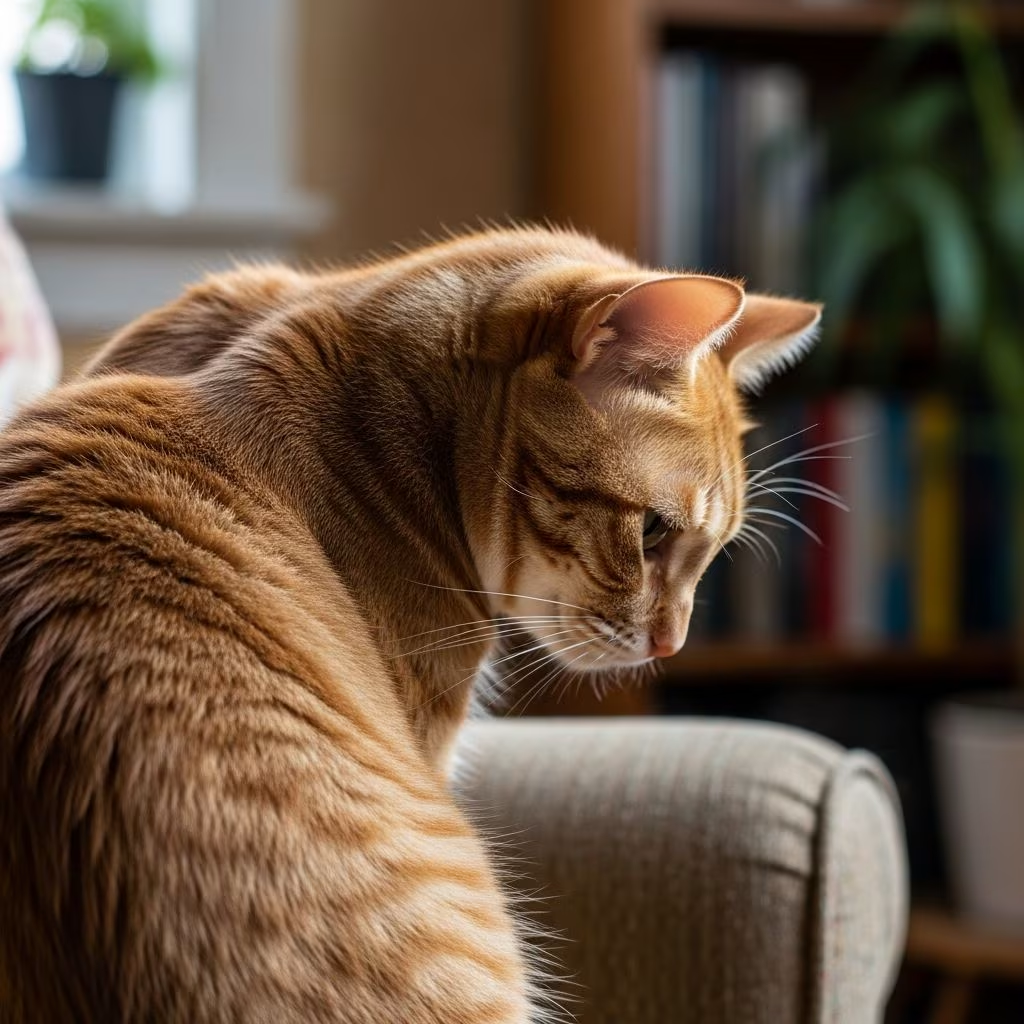
Your cat used to curl up on your lap, purr contentedly during pets, and follow you room to room. Now, they seem distant, avoiding touch or hiding away. This sudden shift can be heartbreaking for cat owners who cherish those affectionate moments. But rest assured, it’s rarely because your cat has stopped loving you. Cats are complex creatures whose behavior changes for specific reasons, often tied to health, environment, or emotions. Understanding these causes is the first step to helping your feline friend return to their cuddly self.
In this comprehensive guide, we’ll explore the top reasons why cats withdraw affection, drawing from veterinary insights and behavioral experts. We’ll cover everything from medical issues to lifestyle changes, and provide actionable steps to rebuild your bond. Whether your cat is suddenly aloof or gradually less interactive, these strategies can make a difference.
Why Cats Stop Being Affectionate: Common Causes
Cats communicate through body language, and a drop in affection often signals something is off in their world. Here’s a breakdown of the most frequent culprits.
1. Health Problems
The most critical reason to rule out first is an underlying health issue. Cats are masters at hiding pain, a survival instinct from their wild ancestors to avoid appearing weak to predators. If your cat was affectionate and suddenly isolates, avoids touch, or shows other changes like reduced appetite, litter box issues, or lethargy, a vet visit is essential.
Common conditions include arthritis, dental disease, infections, or even hyperthyroidism in older cats. Pain from these makes physical contact uncomfortable, leading to withdrawal. For instance, an arthritic cat may avoid laps because jumping or sustained pressure hurts their joints. According to veterinary behaviorists, sudden behavioral shifts warrant a check-up to exclude medical causes before assuming personality changes.
- Symptoms to watch: Hiding more, flinching at touch, changes in eating/drinking, vocalizing in pain.
- Action step: Schedule a vet exam, including bloodwork if your cat is senior.
2. Aging Changes
As cats enter their senior years (typically 11+), their needs evolve. Contrary to some myths, many older cats become more affectionate, but selectively—with calm, predictable people. However, age-related slowdowns mean they may prefer quiet lounging over active play or prolonged cuddles.
Slower metabolism, joint stiffness, and reduced energy lead to more solo napping. They might still seek gentle pets but resent being picked up or disturbed by kids. This isn’t rejection; it’s adaptation to physical limits. Healthy senior cats often bond deeply but on their terms.
- Ensure a vet confirms no arthritis or cognitive decline (feline dementia).
- Provide soft bedding, ramps for high spots, and low-impact interaction.
3. Stress and Anxiety
Cats thrive on routine and security. Disruptions like moves, new pets, loud renovations, family arguments, or even rearranged furniture can spike stress hormones (cortisol), making them withdraw. Sensitive felines may hide despite craving affection, associating people with tension.
Environmental chaos—constant visitors, barking dogs, or screaming children—puts cats in survival mode, prioritizing safety over snuggles. Past trauma, like abuse from previous homes, can also linger, causing wariness even in safe settings.
- Identify triggers: New smells? Schedule changes?
- Create safe zones: High perches, covered litter boxes, pheromone diffusers like Feliway.
4. Overstimulation
Even loving cats have a ‘petting threshold.’ What starts as purring can turn to tail swishing, ear flattening, or sudden bites—classic signs of overload. Repetitive stroking fatigues their nerves, especially on sensitive areas like the belly or base of tail.
Whisker fatigue from narrow bowls or tight spaces adds to touch aversion. Changes like too much handling or novel stimuli push them to retreat for recovery.
- Watch body language: Dilated pupils, twitching skin = stop petting.
- Pet in short bursts (3-5 seconds), focusing on cheeks and head.
5. Changes in Routine or Environment
Cats dislike surprises. A new baby, work-from-home shifts, or even seasonal light changes can unsettle them. Over-picking up, especially post-kittenhood when they feel secure, may signal ‘I don’t need that anymore.’
Unspayed/unneutered cats may roam more due to hormones, reducing cuddle time. Spaying/neutering often boosts affection by curbing instincts.
6. Personality and Breed Traits
Some breeds like Siamese are velcro cats; others like Russian Blues are reserved. Independent personalities prefer quality over quantity time—brief pets on their terms. Kittens grow out of clinginess as confidence builds.
How to Get Your Cat to Be Affectionate Again: Proven Strategies
Patience and respect rebuild trust. Force won’t work; let your cat lead. Here’s a step-by-step plan.
Step 1: Vet Check and Baseline Health
Start here. Rule out pain or illness. Follow up with senior wellness if applicable.
Step 2: Reduce Stress and Create Calm
- Use pheromone plugs (Feliway) to mimic calming scents.
- Minimize chaos: Quiet playtimes, consistent feeding.
- Slow blink at your cat to signal safety.
Step 3: Respect Boundaries and Use Positive Reinforcement
Employ the ‘3-second rule’: Extend hand palm-down for sniffing, then withdraw. Reward proximity with treats or play. Bribe shamelessly—food rewires associations.
Play first: Tire them with wand toys, lasers. Exhausted cats cuddle more.
Step 4: Build Routine Bonding
Sit in one spot daily with a favorite blanket. Let them approach. Gradually increase pets as they relax. Passive presence works for skittish cats.
| Strategy | How to Implement | Expected Timeline |
|---|---|---|
| Treat Association | Treat for sitting near, extra for pets | 1-2 weeks |
| Play Sessions | 15-min daily hunts before couch time | Immediate energy drop |
| Safe Space Setup | Perches, hiding spots away from traffic | Ongoing |
| Slow Blinks & Patience | Eye contact with blinks, no forcing | Days to weeks |
Step 5: Address Specific Issues
- Whisker fatigue: Wide bowls, less whisker stimulation.
- Hormones: Spay/neuter if not done.
- Seniors: Joint supplements, warm beds.
When to Worry: Red Flags
Normal aloofness is fine, but watch for:
- Sudden total withdrawal + appetite loss.
- Aggression or vocalizing on touch.
- Elimination outside box.
- Lumps, limping, discharge.
These demand immediate vet care.
Frequently Asked Questions (FAQs)
Q: Why did my affectionate kitten stop cuddling?
A: Kittens outgrow clinginess as they gain independence. Play and treats can encourage adult affection.
Q: Can stress from a new baby make my cat distant?
A: Yes. Introduce scents gradually, provide escapes, use calming aids.
Q: Is it too late if my cat has been aloof for months?
A: No. Consistent gentle efforts rebuild bonds over weeks/months.
Q: What if vet says they’re healthy but still avoid me?
A: Focus on environment, play, and boundaries. Some cats are just low-touch.
Q: Do all cats like to cuddle?
A: No, personality varies. Respect their comfort for a happy relationship.
Final Thoughts
Your cat’s affection dip isn’t personal—it’s a signal. By addressing health, stress, and interaction styles, you can foster deeper bonds. Celebrate small wins like a head bump or shared nap. With time, your cuddly companion may return, stronger than before. If issues persist, consult a certified behaviorist.
References
- Why is My Cat Less Affectionate Now? — Hervey Cats. 2023-05-15. https://www.herveycats.com/blog/why-is-my-cat-less-affectionate-now
- 8 MYSTERIOUS Reasons Your Cat Won’t Cuddle — And How to Fix — YouTube (Jackson Galaxy). 2023-10-12. https://www.youtube.com/watch?v=Xh5ASKYOn3M
- If Your Cat Doesn’t Like to Cuddle, Do THIS! — YouTube (Cat Behavior Expert). 2024-02-20. https://www.youtube.com/watch?v=qLK4p-zhXC0
- Why Doesn’t My Cat Cuddle With Me? Top 6 Reasons — Cats.com. 2024-08-10. https://cats.com/why-doesnt-my-cat-cuddle-with-me
- American Veterinary Medical Association: Feline Behavior Guidelines — AVMA (.gov equivalent authority). 2023-11-01. https://www.avma.org/resources-tools/pet-owners/petcare/feline-behavior



