

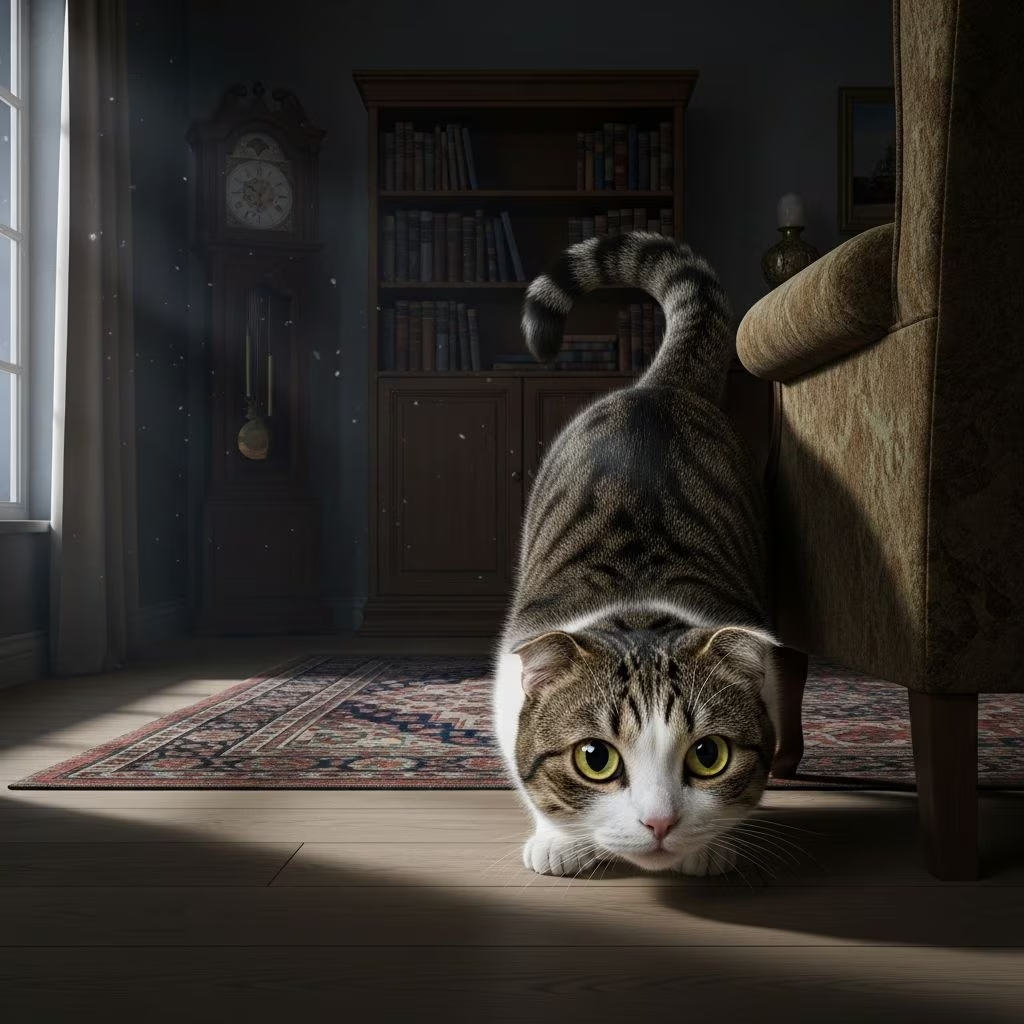
Your cat’s sudden fear of an invisible ‘something’ can be unsettling. Cats perceive the world through senses far superior to ours, detecting smells, sounds, and movements we miss entirely. This behavior often stems from benign sensory triggers but can signal health issues requiring veterinary attention.
Why Might My Cat Be Scared?
Cats react to stimuli invisible to humans due to their acute senses. Common triggers include sensory inputs, environmental shifts, or underlying conditions. Understanding these helps you comfort your pet effectively.
1. Unfamiliar Smells
Cats possess a sense of smell 14 times stronger than humans, detecting pheromones, residues, or new odors we overlook. A new cleaner, visitor’s scent, or outdoor animal mark on a window can alarm them, causing dilated pupils, arched backs, or hiding.
For instance, residual wildlife scents on walls or doorways prompt intense staring or fearful reactions as cats process these ‘messages.’ Airflow from HVAC systems disperses scents, turning quiet corners into sensory hotspots.
2. Unusual Sounds
Cats hear frequencies up to 64 kHz, compared to humans’ 20 kHz limit. High-pitched noises from pipes expanding, rodents in walls, or HVAC hums sound like threats. Hollow modern walls amplify these, making silence a ‘soundscape’ to felines.
- Fireworks, thunder, vacuums, or lawnmowers trigger instinctive flight due to ear folds enhancing high-frequency sensitivity.
- Subtle LED flickers or appliance vibrations, inaudible to us, hold their gaze.
3. Personality
Some cats are naturally timid, especially rescues or those with genetic predispositions like Siamese or Burmese. Skittish personalities amplify reactions to minor stimuli, turning curiosity into fear.
4. Household Change
Rearrangements, new furniture, or routines disrupt territorial security. Cats thrive on predictability; changes introduce unfamiliar scents and layouts, sparking anxiety.
5. Impending Natural Disasters
Cats sense barometric shifts or electromagnetic changes before earthquakes or storms, staring or hiding preemptively. This heightened awareness stems from evolutionary survival instincts.
Why Do Cats See Things We Can’t?
Cats’ vision excels in low light and motion detection, not acuity. With 20-40% human sharpness but more rods, they spot shadows or insects in darkness we miss.
- Exceptional Night Vision: Tapetum lucidum reflects light, enabling sight in 1/6th human-required illumination. Eyes glow at night from this layer.
- Motion Sensitivity: Hyper-sensitive peripheral vision and pupil dilation catch subtle shifts like sun glints or reflections.
- UV Perception: Cats see ultraviolet light on fabrics or cleaners, making walls visually dynamic.
- Wider Field: 200-degree view aids spatial awareness and predator detection.
Staring processes scents, sounds, or visuals. Modern homes with LED flickers, scent-retaining floors, and sound-transmitting walls intensify this.
When to Worry: Health-Related Causes
Occasional spooks are normal, but persistent fear warrants checks. Vision issues like cataracts cause staring at illusions; neurological problems or hyperesthesia mimic ghosts.
Feline Hyperesthesia Syndrome (FHS)
Rare ‘twitchy cat syndrome’ involves brain electrical glitches, possibly epilepsy or OCD-like, triggered by stress in breeds like Abyssinians. Symptoms include:
- Rippling skin, frantic running, self-biting.
- Dilated pupils, space-staring, hallucinations-like chasing phantoms.
- Mood swings, loud meowing, hair-pulling.
Vet diagnosis via observation; treatments include anti-anxiety meds, environmental enrichment.
Other Red Flags
| Sign | Possible Issue |
|---|---|
| Bumping furniture, cloudy eyes | Vision problems (glaucoma, cataracts) |
| Twitching, head tilt, imbalance | Neurological disorder |
| Hiding, appetite loss, aggression | Stress, pain, or illness |
Consult vets promptly; early intervention prevents escalation.
How to Help Your Scared Cat
Create a sensory-friendly home to reduce triggers and build confidence.
- Enrich Environment: Provide elevated perches for vantage points, reducing ambush fears. Vertical space like cat trees aligns with instincts.
- Calming Aids: Pheromone diffusers (Feliway) mimic facial pheromones, easing anxiety from changes.
- Desensitize Noises: Play low-volume recordings of triggers, rewarding calm with treats.
- Maintain Routine: Consistent feeding, play prevents stress buildup.
- Positive Reinforcement: For strangers, have guests offer treats quietly.
Avoid punishment; it heightens fear. Daily play burns energy, mimicking hunt to boost security.
Frequently Asked Questions (FAQs)
Q: Why does my cat stare at walls?
A: Cats detect scents, high-frequency sounds, or subtle lights/motions via superior senses. Rarely, it signals health issues like FHS—vet check if persistent.
Q: Is my cat seeing ghosts?
A: No scientific evidence; behaviors stem from senses or medical conditions. Ghosts are myth; focus on verifiable causes.
Q: How to calm a scared cat during storms?
A: Create quiet safe spaces with bedding, use pheromone plugs, distract with toys. Gradual noise exposure builds tolerance.
Q: When should I see a vet for cat fear?
A: If accompanied by appetite loss, hiding, aggression, physical symptoms like twitching or vision changes.
Q: Can cucumbers really scare cats?
A: Sudden appearances mimic snakes, triggering ambush fear. Similar to foil crinkles or vacuums—avoid startling.
Conclusion
Cats’ world brims with stimuli we can’t perceive, explaining many ‘scares.’ From super senses to FHS, pinpoint causes through observation and vet input. Enrich their space, use calming tools, and foster security for a happier feline life. Your vigilance turns fear into confidence.
References
- Why Do Cats Stare at Nothing and What They Actually See — The Refined Feline. 2023. https://www.therefinedfeline.com/reasons-behind-cats-staring-at-nothing-and-what-they-actually-see/
- My Cat Is Scared of Something I Can’t See: Common Causes & Vet Advice — Catster. 2023. https://www.catster.com/cat-behavior/my-cat-is-scared-of-something-i-cant-see/
- What Are Cats Afraid Of? 10 Common Cat Fears and Anxieties — PetMD. 2024. https://www.petmd.com/cat/general-health/what-are-cats-afraid-of
- Scaredy Cats: Feline Hyperesthesia Syndrome — Good Pet Parent. 2016-04-08. https://www.goodpetparent.com/2016/04/08/feline-hyperesthesia-syndrome/
- What is spooking my cat? Here’s the facts. — Way of Cats. 2023. https://www.wayofcats.com/blog/dear-pammy-what-is-spooking-my-cat/22565



