

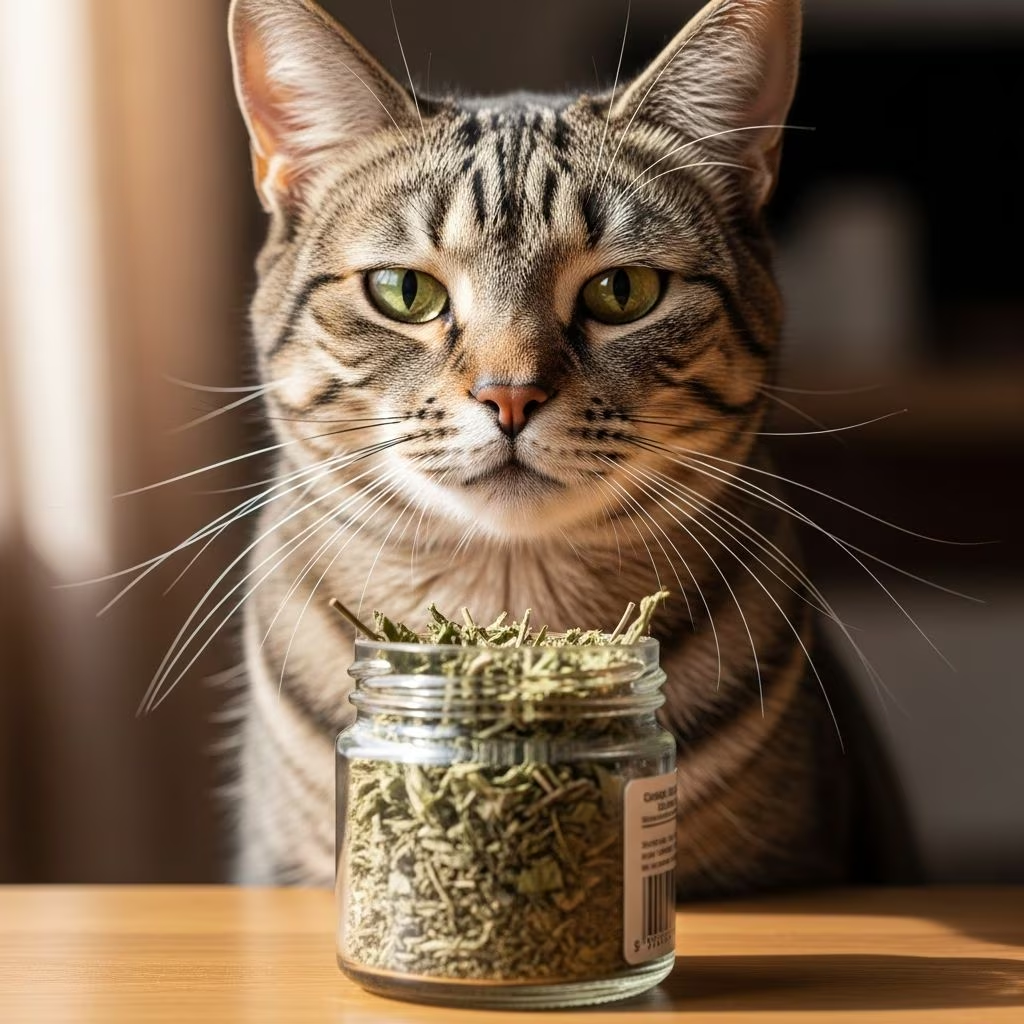
Catnip (*Nepeta cataria*) delights many cats, triggering playful rolls, rubs, and zooms, but if your cat sniffs it indifferently, you’re not alone—approximately 30-50% of cats show no reaction due to genetics. This hereditary trait means some felines simply lack the olfactory receptors to detect nepetalactone, catnip’s active compound, making it ineffective for them. No need to worry; it’s normal and doesn’t indicate health issues. This article explores why some cats ignore catnip, how it affects responsive ones, safety considerations, and engaging alternatives.
What Is Catnip?
Catnip belongs to the mint family, containing **nepetalactone**, a volatile oil responsible for its feline allure. When inhaled, this compound binds to nasal receptors, mimicking pheromones and stimulating brain areas linked to pleasure and euphoria[10]. Effects vary: some cats roll, rub, or chew enthusiastically; others become mellow. Fresh catnip is potent, but dried forms lose strength over time if not stored properly. Kittens under 3 months and seniors often ignore it, as sensitivity develops around 6 weeks and may fade with age.
How Does Catnip Affect Cats?
For responsive cats (50-70%), catnip induces a 10-15 minute “high,” followed by 1-2 hours of fatigue where they ignore more. Behaviors include:
- Intense sniffing and rubbing cheeks/chin on it
- Rolling on the floor or against objects
- Licking, chewing, or drooling
- Zoomies, jumping, flipping, or batting at illusions
- Stretching, grooming, head shaking, or vocalizing
- Post-high relaxation or napping
Sniffing energizes most, while eating may sedate. Cats can’t overdose—it’s safe, non-addictive, and equivalent to a mild pheromone hit[10]. Feral and big cats like lions respond similarly, confirming it’s not just domestics.
Why Don’t Some Cats React to Catnip?
Several factors explain indifference:
- Genetics: Dominant trait affects 50-70%; non-responders inherit insensitivity. Test siblings—patterns emerge.
- Age: Kittens <3 months lack response; it matures later. Older cats may lose interest.
- Overexposure: Daily use desensitizes; rotate toys weekly.
- Quality: Stale or low-potency catnip fails—opt for fresh or potent dried.
- Personality/Health: Stress or illness mutes reactions; vet check if sudden.
Non-reactive cats are healthy; no link to problems. Distance isn’t a barrier—cats smell it from afar if sensitive.
Is It Safe If Your Cat Doesn’t Like Catnip?
Absolutely—catnip poses no toxicity risk[10]. Non-responders safely ignore it; responsive ones enjoy harmless fun. Upsides include anxiety relief, appetite boost via stress reduction, and enrichment. Rare aggression occurs in stimulated cats, but it’s short-lived. Avoid forcing exposure; observe naturally.
What Can You Do If Your Cat Doesn’t Like Catnip?
Don’t fret—plenty of alternatives thrill non-responders:
- Silvervine (Actinidia polygama): 80-90% response rate, even in catnip-immune cats. Stronger nepetalactones trigger rolls/rubs. Use sticks, powder, or toys.
- Cat Thyme (Teucrium marum): Similar minty stimulant for playfulness.
- Valerian Root: Calming yet euphoric; some love the scent.
- Honeysuckle/Tatarian Honeysuckle: Mild, berry-like attractant.
- Toy Rotation: Feathers, lasers, crinkle balls provide enrichment without herbs.
Test safely; combine with play for best engagement. Silvervine shines for catnip floppers.
How to Test Catnip Sensitivity
Offer a pinch on a plate/scratcher; watch 5-10 minutes. No reaction? Try fresh batch or alternatives. Kittens: wait till 3 months. Track over days—fatigue periods matter.
| Substance | Response Rate | Typical Effects |
|---|---|---|
| Catnip | 50-70% | Energetic/relaxed |
| Silvervine | 80-90% | Intense rolling/chewing |
| Valerian | ~60% | Calming euphoria |
| Cat Thyme | Variable | Playful stimulation |
Frequently Asked Questions (FAQs)
Do all cats like catnip?
No, only 50-70% react due to genetics; others ignore it completely.
Can my cat develop a catnip sensitivity later?
Yes, kittens often gain it around 3-6 months.
Is catnip addictive?
No, effects are temporary and non-habit-forming[10].
Why does catnip make some cats aggressive?
Overstimulation mimics territorial pheromones briefly.
How long does a catnip high last?
5-15 minutes, followed by 1-2 hour refractory period.
Do feral cats like catnip?
Yes, if genetically sensitive—same as domestics.
What if my senior cat stopped reacting?
Age-related decline common; try alternatives.
Can I grow catnip for my non-responder?
Sure, but test silvervine first—higher success.
Understanding catnip helps tailor enrichment. Genetics rule responses, but options abound for every cat’s joy.
References
- Do Feral Cats Like Catnip? Vet-Approved Facts & FAQs — Catster. 2023. https://www.catster.com/cat-health-care/do-feral-cats-like-catnip/
- Why Do Cats Roll in Catnip? 5 Common Reasons (Vet Reviewed) — Catster. 2023. https://www.catster.com/cat-behavior/why-do-cats-roll-in-catnip/
- Why Does Catnip Make Cats Go Crazy? What Science Tells Us — Catster. 2023. https://www.catster.com/cat-health-care/why-does-catnip-make-cats-go-crazy/
- Why Doesn’t My Cat Like Catnip? Vet-Verified Information — Catster. 2023. https://www.catster.com/cat-behavior/why-doesnt-my-cat-like-catnip/
- How Far Away Can Cats Smell Catnip? Vet-Approved Facts & FAQ — Catster. 2023. https://www.catster.com/cat-behavior/how-far-away-can-cats-smell-catnip/
- How Long Does Catnip Take to Kick In? Effects & Tips (Vet-Verified) — Catster. 2023. https://www.catster.com/cat-health-care/how-long-does-catnip-take-to-kick-in/



