

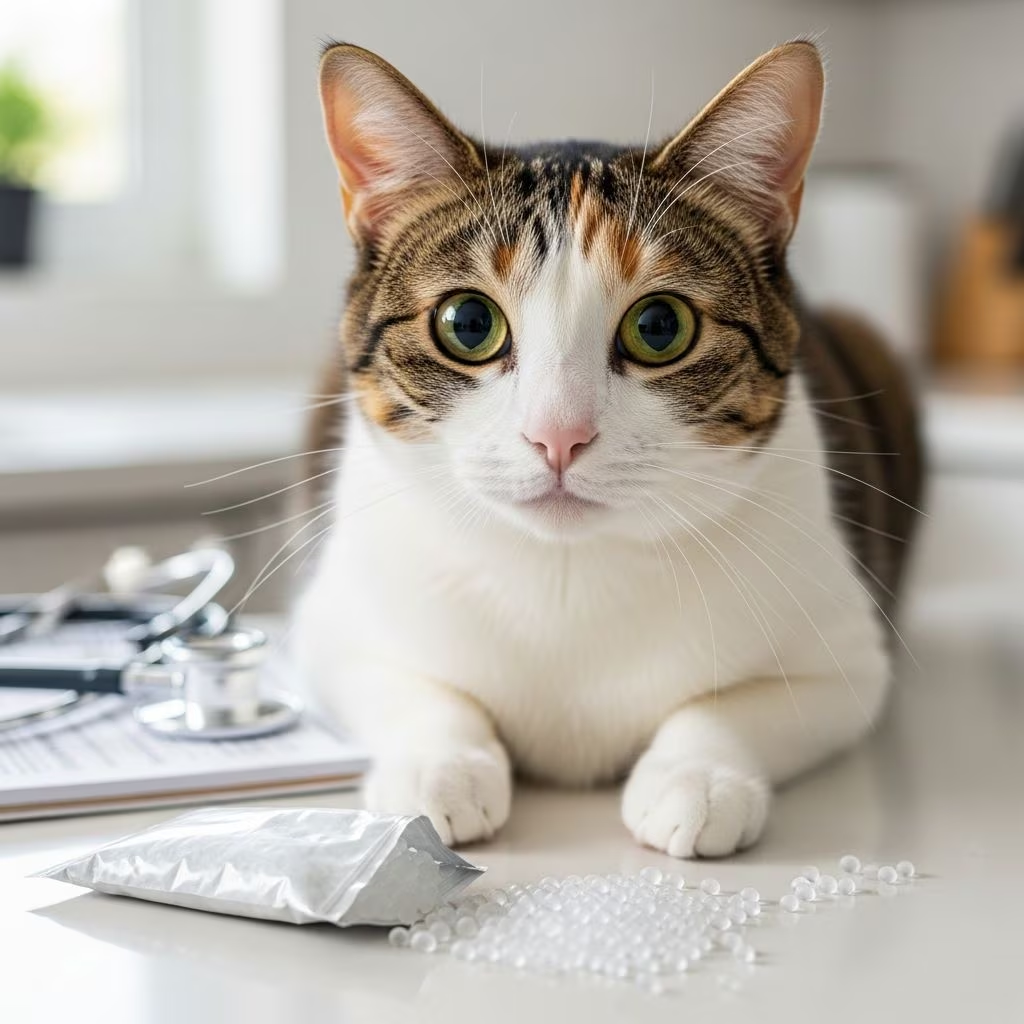
Silica gel packets are those small “Do Not Eat” pouches found in shoe boxes, electronics packaging, and food items. They’re designed to absorb moisture, keeping products dry and fresh. Cats, with their endless curiosity, often mistake these packets for toys or treats. If your cat has chewed on or swallowed a silica gel packet, don’t panic—silica gel itself is non-toxic to cats. However, the real concerns are potential gastrointestinal irritation or, in rare cases, an intestinal blockage from the packet material.
This comprehensive guide, informed by veterinary expertise, outlines the risks, symptoms to monitor, and precise steps to take. Understanding these can help you respond calmly and protect your cat’s health effectively. We’ll cover everything from immediate actions to long-term prevention strategies.
What Is Silica Gel?
Silica gel is a porous form of silicon dioxide, a naturally occurring mineral. It appears as tiny, hard beads or crystals inside thin packets made of paper, plastic, or Tyvek material. These packets are ubiquitous in consumer goods to prevent mold, rust, and spoilage by pulling moisture from the air.
While labeled “Do Not Eat” primarily for humans—due to possible choking or mild digestive upset in large amounts—silica gel poses minimal chemical toxicity. For cats, the beads are inert and pass through the digestive system harmlessly in small quantities. The packet’s casing, however, can be problematic if ingested whole, as it may not break down and could lodge in the stomach or intestines.
Indicator silica gel often contains cobalt chloride, a blue-to-pink color-changing chemical, but most modern packets use non-toxic orange or white indicators. Even so, ingestion of any type warrants caution, especially for kittens or cats prone to pica (eating non-food items).
Is Silica Gel Toxic to Cats?
No, silica gel is not toxic to cats. It doesn’t contain harmful chemicals that cause poisoning, unlike substances like lilies or antifreeze. Veterinary sources confirm that the gel beads are chemically inert and safe if swallowed in moderate amounts.
Potential issues stem from physical rather than chemical effects:
- Mild irritation: Beads can abrade the stomach lining, leading to temporary upset.
- Obstruction risk: Whole packets or large fragments may block the narrow feline intestines.
- Choking hazard: Rare, but possible if the packet gets stuck in the throat during play.
According to the ASPCA, silica gel can cause gastrointestinal upset like vomiting and diarrhea depending on quantity, but it’s classified as a low-toxicity pet hazard. Primary sources emphasize monitoring over immediate alarm.
What Happens If a Cat Eats Silica Gel?
When a cat ingests silica gel, outcomes vary by amount and packet integrity. Small amounts of loose beads typically cause no issues, passing through in stool within 24-48 hours. Larger ingestions or whole packets increase complication risks.
| Scenario | Likely Effects | Timeline |
|---|---|---|
| Small beads only | Mild or no symptoms | Hours to 2 days |
| Ripped packet, some gel missing | Possible vomiting, diarrhea | 2-24 hours |
| Whole packet(s) swallowed | Irritation or blockage | Hours to days |
Symptoms, if any, arise from mechanical irritation or obstruction. The gel expands slightly when wet, potentially exacerbating discomfort. Most cats recover without intervention, but vigilance is key.
Signs Your Cat May Have Eaten Silica Gel
Your cat might seem fine initially, as symptoms can be delayed. Watch for these indicators of gastrointestinal distress or obstruction:
- Vomiting (once or repeatedly)
- Diarrhea or runny stools
- Lethargy or unusual quietness
- Loss of appetite or refusal to eat/drink
- Abdominal pain (hunching, sensitivity to touch)
- Constipation or no bowel movements
- Swollen abdomen
Choking signs include panicked behavior, open-mouth breathing, pawing at mouth, or blue gums—treat as an emergency. These symptoms aren’t unique to silica gel and could indicate other issues, so professional evaluation is advised.
Your Cat Ate Silica Gel: Next Steps
Assess the situation based on these scenarios:
Your Cat Is Behaving Normally, the Packet Is Ripped or Broken, & Some Gel or Packet Might Be Missing
Monitor closely for 24-48 hours. Offer small amounts of water and bland food like boiled chicken and rice. Note any vomiting or diarrhea, which may resolve naturally. No signs? Your cat is likely fine.
Your Cat Is Behaving Normally, & You Know a Whole Silica Gel Packet Is Missing, Maybe More
Contact your vet immediately, even if asymptomatic. Multiple packets raise blockage risk, a surgical emergency. Provide details: packet size, number, time of ingestion.
What Do I Do if My Cat Is Unwell After Eating Silica Gel?
If symptoms appear, call your veterinarian promptly. Signs include:
- Vomiting
- Diarrhea or no poop
- Refusing food/water
- Lethargy or withdrawal
Vets rule out blockages via history and exam. Many cases self-resolve, but don’t delay—obstructions worsen quickly.
My Cat Is Unwell After Eating a Silica Gel Packet – What Will My Veterinarian Do?
Treatment depends on severity:
- Mild upset: Fluids, anti-nausea meds, diet change.
- Suspected blockage: X-rays/ultrasound to locate obstruction.
- Recent ingestion: Induced vomiting with safe drugs under supervision.
- Confirmed obstruction: Surgery to remove blockage, with hospitalization.
Prognosis is excellent if addressed early. Risks increase with delay.
How to Prevent Your Cat from Eating Silica Gel
Proactive steps minimize risks:
- Discard packets immediately from packages.
- Store boxes away from cats.
- Use pet-proof bins for shoes/electronics.
- Supervise playtime; redirect curiosity to toys.
- Educate household members on hazards.
For chronic chewers, consult a vet about pica causes like nutritional deficiencies or stress.
Final Thoughts
Silica gel isn’t harmful chemically, and small packets rarely cause issues. However, whole or multiple packets can lead to serious blockages. Keep packets inaccessible, monitor post-ingestion, and seek vet care for any symptoms. Quick action ensures your cat’s swift recovery and peace of mind for you.
Frequently Asked Questions (FAQs)
What should I do immediately if my cat eats silica gel?
Assess packet status and cat’s behavior. Monitor for symptoms; call vet if whole packet missing or unwell.
Can silica gel cause poisoning in cats?
No, it’s non-toxic, but can irritate gut or block intestines.
How long after eating silica gel do symptoms appear?
Hours to 2 days for upset; blockages may take longer.
Is surgery common for silica gel ingestion?
Rare, only for confirmed obstructions.
What if my cat vomits once after eating silica beads?
Monitor; contact vet if persists or other symptoms arise.
References
- My Cat Ate Silica Gel! Here’s What to Do (Vet Answer) — Catster. 2023. https://www.catster.com/ask-the-vet/my-cat-ate-silica-gel/
- Don’t Panic Yet: What Happens When Cats Eat Silica Gel Packs — Catster. 2023. https://www.catster.com/cat-health-care/what-happens-when-cats-eat-silica-gel-packs/
- Is it dangerous if my cat ate a silica packet? — Dial A Vet. 2023. https://www.dialavet.com/vet-answers/cat-ate-silica-packet-14304
- Silica Gel – cats — Lort Smith Melbourne Animal Hospital. 2023. https://lortsmith.com/need-help-now/cat/poisons-toxins/chemicals/silica-gel-in-cats/
- What Happens If You Eat Silica Gel? Adults, Children, and Pets — Healthline. 2023. https://www.healthline.com/health/digestive-health/what-happens-if-you-eat-silica-gel
- Learn More About Silica Gel, A Common Pet Toxin — ASPCA. 2023. https://www.aspca.org/news/learn-more-about-silica-gel-common-pet-toxin



