

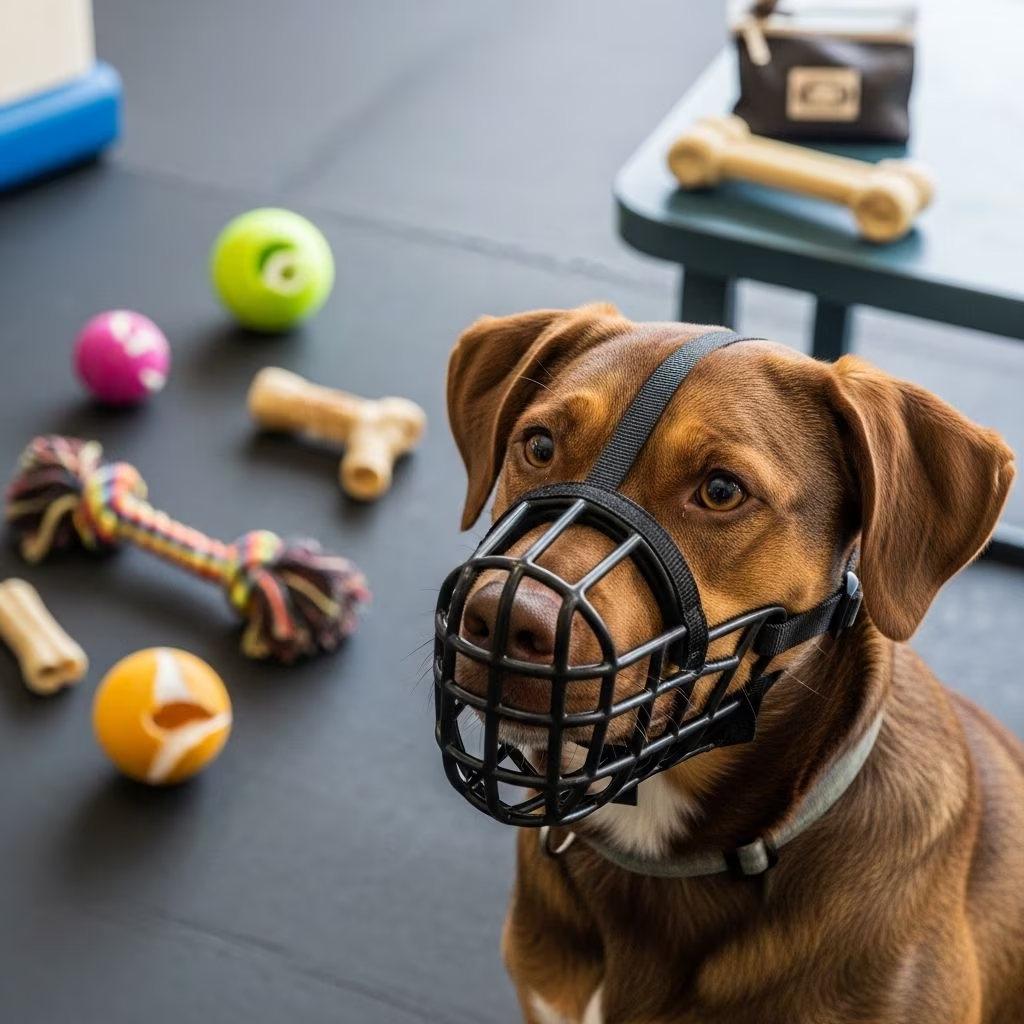
Many dog owners face the challenge of destructive chewing, which can damage furniture, shoes, and even pose safety risks. A properly trained dog using a muzzle offers a humane, temporary solution to manage this behavior during high-risk times like vet visits or when unsupervised. This guide explores selecting the right muzzle, step-by-step training methods using positive reinforcement, safety considerations, and long-term strategies to reduce chewing altogether.
Understanding Chewing in Dogs and the Role of Muzzles
Chewing is a natural instinct for dogs, driven by teething in puppies, boredom, anxiety, or teething relief in adults. While redirection to appropriate toys is ideal, muzzles provide immediate control without punishment. Basket-style muzzles are preferred as they allow panting, drinking, and treat consumption, unlike fabric ones that restrict more.
Using a muzzle isn’t about punishment; it’s a tool for safety during training or specific situations. Organizations like the Oregon Humane Society emphasize desensitization and counterconditioning to make the muzzle a positive experience. Veterinary experts at VCA Hospitals stress proper fit to prevent discomfort or injury.
Selecting the Perfect Muzzle for Your Dog
Choosing the correct muzzle is crucial for effectiveness and comfort. Measure your dog’s snout length and circumference while relaxed. Basket muzzles from durable plastics or wires fit most needs, allowing airflow and tongue access for treats.
- Basket Muzzles: Ideal for chewing prevention; dogs can open their mouths partially.
- Soft Fabric Muzzles: Short-term use only, like vet trips; limit panting time.
- Key Fit Checks: Doesn’t rub nose, covers mouth fully but allows panting, secure straps without tightness.
Test fit by ensuring two fingers slide under straps and your dog can take treats easily. Avoid cheap models that break or pinch skin.
Step-by-Step Muzzle Training Guide
Training relies on positive associations through treats and praise. Sessions last 1-5 minutes, multiple times daily, in low-distraction areas. Use high-value rewards like peanut butter (xylitol-free), cheese spray, or soft kibble.
Phase 1: Introduction and Sniffing (Days 1-2)
- Show the muzzle; let your dog sniff voluntarily.
- Drop treats inside from a distance; praise for interest.
- Repeat 10 times per session until excitement builds.
Goal: Muzzle equals treats, no forcing.
Phase 2: Nose Insertion (Days 3-5)
Cup the muzzle palm-up. Place a visible treat inside; encourage nose entry with cue like “Muzzle time!” Reward immediately. Gradually require full nose insertion before treating. Introduce licking treats like squeeze cheese for engagement.
- Practice in various orientations (tilted left/right).
- Add slight movement: Step back as dog follows.
Phase 3: Securing and Short Wear (Days 6-10)
Once nose goes in eagerly, fasten straps briefly (1-2 seconds), treat, then remove. Build to 5-10 seconds, then minutes. Smear interior with lickable treats for distraction.
Progress to walks: Start stationary, then short strolls up to 30 minutes.
Phase 4: Real-World Application (Week 2+)
Practice in new locations: yard, car, vet office. Pair with enjoyable activities. Dogs can wear for 1+ hours if comfortable and hydrated. Never leave muzzled dogs unattended to avoid self-injury.
Common Challenges and Solutions
| Challenge | Solution |
|---|---|
| Dog paws at muzzle | Shorten sessions; increase treat value; distract with licks. |
| Fear or avoidance | Go back a phase; use shaping (reward tiny steps). |
| Panting excessively | Check fit; ensure ventilation; limit hot weather use. |
| Not eating treats | High-motivation foods; train hungry. |
Monitor stress signs like yawning or lip-licking; pause if needed.
Safety Guidelines for Muzzle Use
- Supervise Always: Risk of rubbing sores or overheating.
- Hydration: Offer water frequently; remove if thirsty.
- Temperature: Avoid in heat; watch for distress.
- Duration: Build tolerance gradually; 1-hour max initially.
- Vet Check: Consult for brachycephalic breeds or health issues.
Addressing Root Causes of Chewing
Muzzles manage symptoms; solve causes for lasting change. Common triggers:
- Boredom: Enrichment toys, puzzle feeders, daily exercise.
- Anxiety: Calming aids, professional behaviorist.
- Teething: Frozen chews, dental toys.
Combine with obedience training; consistency reduces need for muzzles over time.
Benefits Beyond Chewing Prevention
Trained muzzle use aids grooming, nail trims, vet exams, and reactivity management. Reactive dogs benefit during triggers, promoting safer interactions. It builds trust through positive methods.
Frequently Asked Questions (FAQs)
Can all dogs wear muzzles?
Yes, with proper training. Short-nosed breeds need specialized fits.
How long to train?
1-2 weeks for basics; varies by dog. Patience key.
Is it cruel?
No, when trained positively. It’s a welfare tool.
What if my dog hates it?
Revert steps; seek trainer help.
Alternatives to muzzles?
Crate training, baby gates, but muzzles for outings.
Conclusion: Empower Your Dog with Confident Training
Mastering muzzle training transforms a potential stressor into a neutral or positive tool, curbing chewing while enhancing safety. Commit to short, fun sessions for success. Track progress in a journal for adjustments.
References
- Training Your Dog to Wear a Basket Muzzle — Oregon Humane Society. 2017-01-22. https://www.oregonhumane.org/wp-content/uploads/1.22.17_Muzzle_Training_Your_Dog.pdf
- Muzzle Training for Dogs — VCA Animal Hospitals. N/A. https://vcahospitals.com/know-your-pet/muzzle-training-for-dogs
- Muzzles for Dogs – Correct Fit and Training — Four Paws USA. N/A. https://www.fourpawsusa.org/our-stories/publications-guides/muzzles-for-dogs-correct-fit-and-training
- How to Train your Dog to Love Wearing a Muzzle — Pilot Knob Animal Hospital. N/A. https://pilotknobah.com/resources-2/muzzletraining/
- Dog Muzzles: When, Why, and How to Correctly Use Them — American Kennel Club (AKC). N/A. https://www.akc.org/expert-advice/training/dog-muzzles-when-why-how-to-use/
- Muzzle Training Your Dog — San Diego Humane Society. N/A. https://sdhumane.org/resources/muzzle-training-your-dog/



