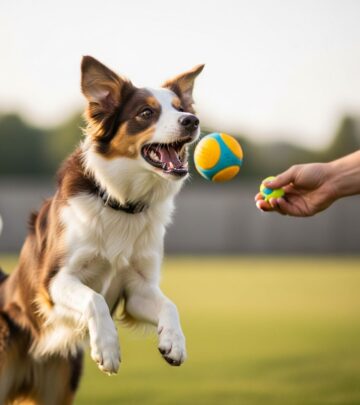
Muzzles for Dogs: Safety Tools Without the Fear
Discover how proper muzzle training transforms a simple tool into a confidence booster for dogs and owners alike in everyday and emergency scenarios.
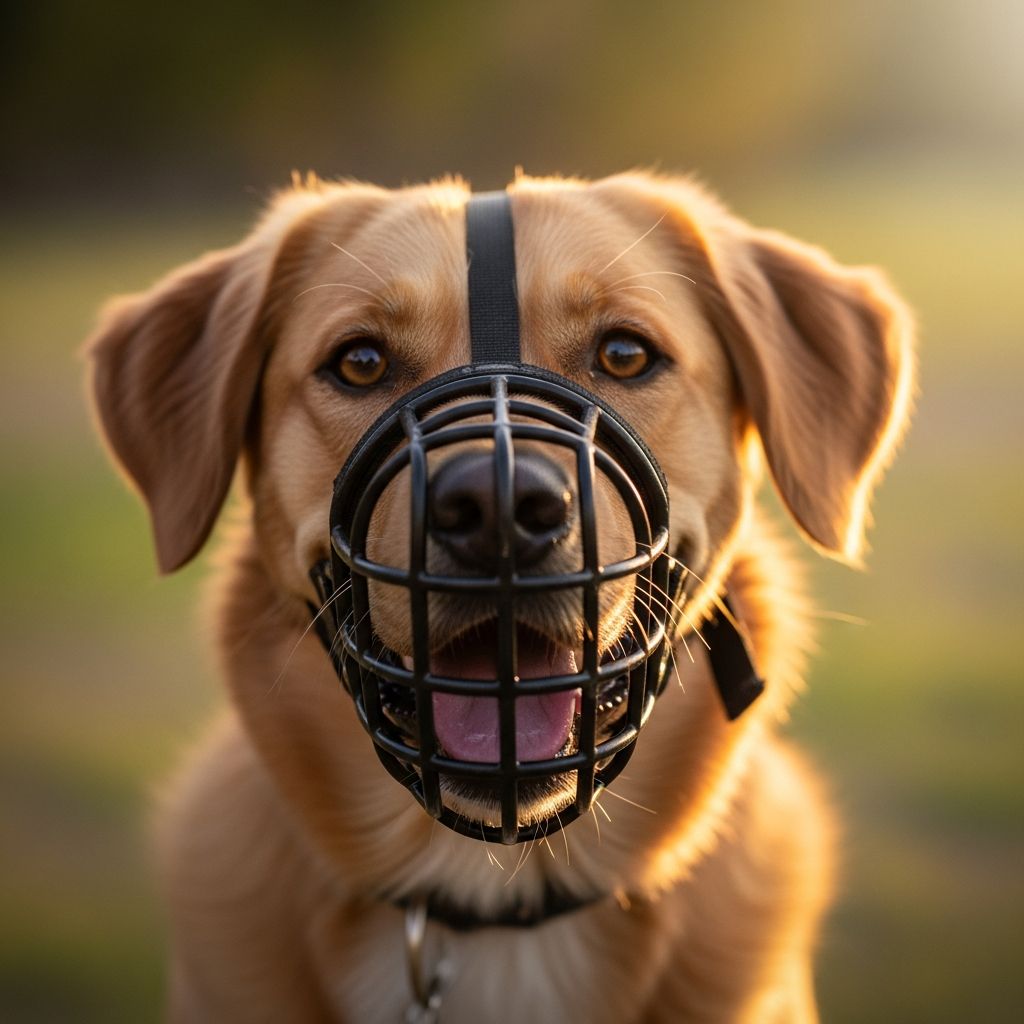
Properly introduced muzzles serve as vital safety equipment for dogs, enabling secure participation in grooming, veterinary care, and public outings while countering common misconceptions about their purpose and comfort.
Understanding the Role of Muzzles in Canine Care
Muzzles function as protective barriers that allow dogs to breathe, pant, drink, and accept treats, distinguishing them from restrictive devices. They address real-world needs like resource guarding or stress-induced reactivity without punishing natural behaviors.
Historically stigmatized as markers of aggression, muzzles actually promote proactive welfare by preparing dogs for unpredictable situations. Veterinary professionals often recommend them to facilitate gentler handling during exams, reducing restraint needs.
Key Advantages of Introducing Muzzles Early
Muzzle familiarity equips dogs for life’s challenges, enhancing safety and reducing anxiety for everyone involved.
- Bit Prevention in Tense Moments: During encounters with strangers or other animals, muzzles halt potential nips born from fear, safeguarding interactions.
- Vet and Grooming Readiness: Procedures like nail trims or injections proceed smoothly, minimizing stress for anxious patients.
- Toxin Avoidance: On walks, they block ingestion of debris, trash, or poisons, a common hazard for curious sniffers.
- Training Support: Reactive dogs train effectively under professional guidance, with muzzles providing an added security layer.
- Injury Protection: Post-surgery or during wound healing, they prevent self-harm from licking or chewing.
Selecting the Ideal Muzzle for Your Dog
Fit determines comfort and efficacy; ill-suited muzzles cause panic or escape attempts. Basket styles, like those from Baskerville, excel for their ventilation and treat access.
| Muzzle Type | Best For | Key Features |
|---|---|---|
| Basket Muzzle | Long-term wear, training | Panting allowed, treat delivery, durable plastic/metal |
| Soft/Sleeve Muzzle | Short vet visits | Lightweight fabric, quick application |
| Metal Wire Basket | Grooming, hot weather | Maximum airflow, secure fit |
Measure your dog’s snout length and width, consulting sizing charts from reputable makers. Avoid tight models blocking airways.
Step-by-Step Muzzle Training Protocol
Positive association builds acceptance over days or weeks, using rewards to link the muzzle with positivity.
- Introduce Visually: Leave the muzzle near food bowls or toys for sniffing without pressure.
- Pair with Treats: Hold treats inside; let your dog poke their nose in voluntarily.
- Short Wear Sessions: Secure for seconds, rewarding heavily, then remove.
- Gradual Duration: Extend time during calm activities like meals or leashed walks.
- Real-World Practice: Use in low-stress settings before vet trips.
Progress hinges on patience; revert steps if resistance appears. Professional trainers aid complex cases.
Common Pitfalls and How to Avoid Them
Misuse amplifies fear, turning a helpful tool counterproductive.
- Never force-fit or punish with it, fostering aversion.
- Monitor for overheating; remove after 20-30 minutes unless ventilated.
- Skip extended unsupervised wear to prevent rubbing sores.
- Combine with counter-conditioning for reactivity, not as sole fix.
Real-Life Applications Across Scenarios
Veterinary and Medical Contexts
Even gentle dogs snap when pained; pre-trained muzzles enable thorough exams without force. Clinics report calmer visits, benefiting staff and pets.
Grooming and Handling Sessions
Nail clips or baths trigger defensiveness; muzzles permit focused work while dogs relax via desensitization.
Public Outings and Travel
In crowded parks or transit, they prevent scavenging and reactive lunges, easing owner confidence.
Behavior Rehabilitation
For resource guarders or fear-aggressives, muzzles support gradual exposure therapy safely.
Debunking Muzzles: Myths vs. Facts
| Myth | Fact | Evidence |
|---|---|---|
| Muzzles are cruel | Proper types ensure comfort and function | Vet-endorsed designs |
| Only for ‘bad’ dogs | Useful for all breeds/situations | Proactive training standard |
| Dogs can’t breathe | Basket muzzles allow panting/drinking | Design specifications |
Building Long-Term Confidence Through Muzzles
Consistent training fosters trust, as dogs learn handlers prioritize their security. Owners gain peace, focusing on bonding over vigilance. Integrate with broader obedience for holistic improvement.
Frequently Asked Questions
How long should muzzle training take?
Most dogs adapt in 1-2 weeks with daily sessions; shy ones may need a month.
Can all dogs wear muzzles?
Yes, with correct sizing; brachycephalic breeds use specialized soft options.
Is muzzle use legally required anywhere?
Some areas mandate them for known biters; check local ordinances.
What if my dog hates the muzzle?
Slow desensitization or consult a certified trainer for tailored plans.
Are muzzles better than alternatives?
For high-risk scenarios, they outperform leashes alone in bite prevention.
Empowering Owners for Safer Adventures
Muzzles evolve from dreaded necessities to embraced allies when trained positively, unlocking safer, stress-free experiences for dogs everywhere. Start small, stay consistent, and watch confidence grow.
References
- The Essential Guide to Muzzle Training Dogs: Benefits, Tips, and Techniques — Complete Canine Dog Training. 2024-04-19. https://completecaninedogtraining.com/blog/2024/4/19/the-essential-guide-to-muzzle-training-dogs-benefits-tips-and-techniques
- Muzzles for Dogs: Why They Are Important, Safe, and a Great Training Tool — Contigo Dogs. N/A. https://contigodogs.com/blogs/news/muzzles-for-dogs-why-they-are-important-safe-and-a-great-training-tool
- The Surprising Benefits of Muzzle Training Your Dog — Natural Farm Pet. N/A. https://www.naturalfarmpet.com/blogs/all/muzzle-training-benefits
- Basket Muzzle Training — Cornell University College of Veterinary Medicine. N/A. https://www.vet.cornell.edu/departments-centers-and-institutes/riney-canine-health-center/canine-health-topics/basket-muzzle-training
- Top 5 Reasons Your Dog Should Learn to Wear a Muzzle — K9 in Focus. N/A. https://k9infocus.com/top-5-reasons-your-dog-should-learn-to-wear-a-muzzle/
- Dog Muzzles: When, Why, and How to Correctly Use Them — American Kennel Club. N/A. https://www.akc.org/expert-advice/training/dog-muzzles-when-why-how-to-use/
- Are Muzzles Misunderstood? — American Animal Hospital Association. N/A. https://www.aaha.org/trends-magazine/publications/muzzles-are-misunderstood/
Similar Articles








Read full bio of medha deb