

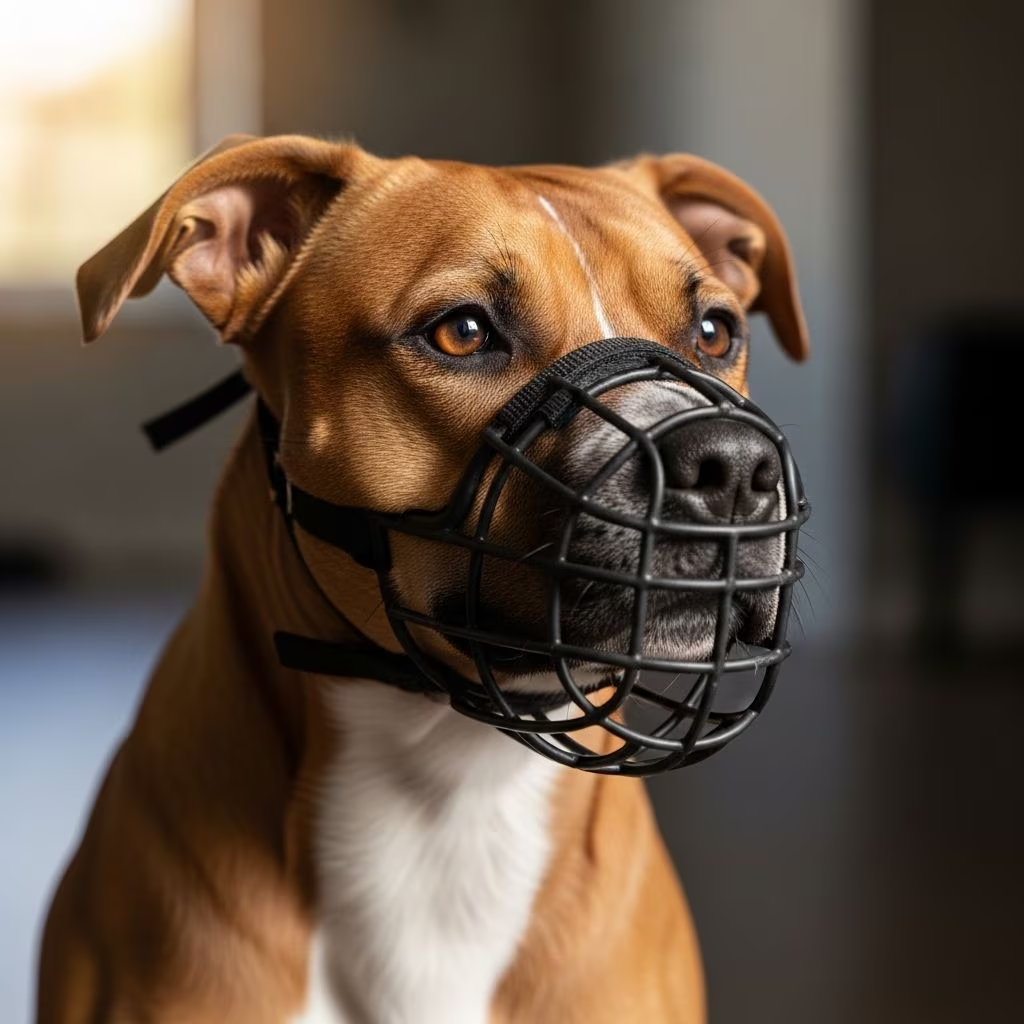
Muzzle Training for Dogs: A Complete Guide
Muzzle training is an important skill that every dog owner should consider. While muzzles are often misunderstood as punishment devices, they are actually valuable safety tools that can protect your dog, other people, and animals in various situations. When introduced properly using positive reinforcement techniques, muzzle training helps dogs become comfortable and confident wearing a muzzle, transforming it from a source of stress into a routine part of their life.
Whether you’re preparing your dog for veterinary visits, grooming appointments, or managing anxiety-related behaviors, muzzle training provides peace of mind and safety. This comprehensive guide explores the benefits of muzzle training, practical tips for success, and step-by-step techniques to help your dog adjust to wearing a muzzle comfortably.
Why Muzzle Training Matters
Muzzle training is a proactive and responsible measure that benefits both dogs and their owners. Many dog owners hesitate to introduce a muzzle, fearing it will cause stress or harm to their pet. However, when done correctly with patience and positive reinforcement, muzzle training actually reduces anxiety and creates a sense of security for dogs in potentially stressful situations.
Understanding the importance of muzzle training helps pet owners make informed decisions about their dog’s safety and well-being. Dogs that are trained to wear a muzzle can navigate challenging situations with greater confidence, and their owners can feel assured that they’re taking responsible steps to prevent accidents or injuries.
Key Benefits of Muzzle Training
Safety and Bite Prevention
The primary benefit of muzzle training is safety. Muzzles provide a protective barrier that prevents biting or nipping in situations where a dog may feel anxious, fearful, or threatened. This is particularly important for dogs with a history of reactivity or those who become nervous around strangers. By wearing a properly fitted muzzle, your dog is protected from potentially causing harm to others, and others are protected from your dog. This creates a safer environment for everyone involved.
Reduced Stress and Anxiety
Properly introduced muzzle training helps desensitize dogs to the muzzle itself, significantly reducing stress and anxiety associated with wearing one. When a dog learns to associate the muzzle with positive experiences—such as treats, praise, and playtime—the muzzle becomes a non-threatening object rather than a source of fear. This positive association transforms muzzle wearing from a stressful experience into a routine part of the dog’s life.
Medical and Veterinary Benefits
Muzzles are often necessary during medical procedures, examinations, blood draws, and minor surgeries. Dogs that have received muzzle training are far more likely to accept wearing a muzzle during veterinary visits, making the experience less stressful for the dog and safer for veterinary staff. This is especially valuable for anxious or defensive dogs who might otherwise require sedation for routine procedures.
Mental Enrichment and Training Foundation
Muzzle training provides mental stimulation and helps strengthen the bond between dog and owner. The training process itself serves as mental exercise, teaching key voice commands and helping instill acceptable social behaviors. Additionally, muzzle training creates a foundation for other training activities and demonstrates that positive reinforcement works across different types of behavioral challenges.
Enhanced Dog Agency
One often-overlooked benefit of muzzle training is that it allows dogs agency in the process. Rather than having a muzzle forced upon them, dogs that are trained gradually learn to choose to place their nose in the muzzle for rewards. This voluntary participation builds confidence and creates a sense of control for the dog, making the entire experience less traumatic.
Choosing the Right Muzzle
Selecting an appropriate muzzle is the foundation of successful muzzle training. The wrong muzzle can cause discomfort and make training much more difficult. When choosing a muzzle, consider the following factors:
Types of Muzzles Available
Basket Muzzles: These are the most recommended type by veterinarians and trainers. Basket muzzles allow your dog to pant, drink water, and take treats while wearing them. They provide adequate space and comfort for extended wear and are ideal for training purposes.
Soft Muzzles: These fabric or neoprene muzzles are lightweight and less intimidating in appearance. However, they may not allow adequate panting and are less suitable for extended periods or anxious dogs.
Sleeve Muzzles: These are designed for specific situations and may not be ideal for general training purposes.
Proper Fit and Comfort
Regardless of the type of muzzle you choose, it must fit comfortably. The muzzle should allow your dog to pant freely, drink water, and receive treats through the openings. A properly fitted muzzle should be snug enough that it cannot slip off but loose enough that your dog doesn’t feel restricted. As a general guideline, you should be able to fit one to two fingers underneath the strap around the back of your dog’s head.
Step-by-Step Muzzle Training Guide
Successful muzzle training requires patience, consistency, and a positive approach. The training process is typically divided into distinct stages, with each stage building on the previous one. Here’s a comprehensive guide to training your dog to wear a muzzle comfortably:
Stage 1: Introduction and Association
Step 1: Let Your Dog Investigate
Begin by showing your dog the muzzle without any pressure to wear it. Allow them to sniff and investigate the muzzle as if it were a toy. Immediately reward them with treats and praise when they show interest. Repeat this process several times until your dog begins to associate the sight of the muzzle with positive outcomes.
Step 2: Treat-Based Introduction
Smudge a small amount of high-value treat (such as peanut butter or pieces of hot dog) on the inside of the muzzle. Let your dog lick the treat from the muzzle. Every time their nose enters the muzzle, offer enthusiastic praise and additional treats. This creates a strong positive association between the muzzle and rewards.
Stage 2: Duration and Comfort Building
Step 3: Nose-First Training
Present the muzzle without the treat inside and encourage your dog to place their nose into it voluntarily. Immediately reward them by feeding treats through the openings of the muzzle while offering verbal praise. If your dog is reluctant, return to placing treats inside the muzzle and repeat Step 2 until they’re comfortable.
Step 4: Extending Duration
Gradually increase the amount of time your dog keeps their nose in the muzzle. Continue to provide treats through the muzzle opening to maintain positive associations. End training sessions after 1-2 minutes initially, always on a positive note.
Stage 3: Strap Introduction and Fastening
Step 5: Strap Familiarization
Once your dog reliably places their nose into the muzzle, introduce the neck strap. With your dog’s nose in the muzzle, bring the strap into view but don’t fasten it. Let your dog feel the strap against their fur and reward them with treats and praise for remaining calm.
Step 6: Loosely Securing the Strap
Present the muzzle, allow your dog to place their nose inside, and then attach the neck strap loosely. Immediately reward them with treats through the muzzle opening. Gradually increase the tightness of the strap over multiple training sessions as your dog becomes more comfortable.
Stage 4: Building Consistency and Duration
Step 7: Regular Practice Sessions
Practice muzzle training several times a week, making it a routine game rather than a clinical exercise. Each successful training session builds your dog’s confidence and reinforces positive associations. Consistency is key—dogs learn through repetition, and regular exposure helps normalize muzzle wearing.
Step 8: Gradual Duration Extension
As your dog becomes more comfortable with the fastened muzzle, gradually extend the duration of wear. Start with just a few seconds, then work up to minutes over weeks of practice. Always reward your dog for keeping the muzzle on and maintain a positive, encouraging tone throughout the process.
Positive Reinforcement Techniques
Positive reinforcement is the most effective approach to muzzle training. This method involves rewarding desired behaviors, making it significantly more effective and humane than punitive approaches. When your dog performs the desired action—such as placing their nose in the muzzle or keeping it on—they receive an immediate reward, creating a strong motivation to repeat that behavior.
The Power of Treats and Rewards
Treats are your most powerful tool in muzzle training. High-value treats—those that your dog finds irresistible—should be reserved specifically for muzzle training to maintain their special status. Pair treat rewards with verbal praise, petting, or playtime to create multiple layers of positive reinforcement. This multi-sensory reward system strengthens the dog’s motivation and builds a stronger association between the muzzle and positive experiences.
Building Positive Associations Through Classical Conditioning
Classical conditioning pairs the neutral stimulus (the muzzle) with an unconditioned stimulus (something your dog naturally loves, such as food). Over time, your dog develops a conditioned response where simply seeing the muzzle triggers positive anticipation rather than anxiety. This psychological principle is one of the most reliable ways to transform a dog’s emotional response to the muzzle.
Operant Conditioning and Behavioral Shaping
Operant conditioning uses consequences to shape behavior. In muzzle training, positive reinforcement (adding something pleasant like treats) increases the likelihood of desired behaviors. This approach avoids negative reinforcement or punishment, which can create fear and anxiety around the muzzle. By consistently rewarding every small step forward, you shape your dog’s behavior through their own voluntary choices.
Common Challenges and Solutions
Challenge: Dog Refuses to Place Nose in Muzzle
Solution: Return to earlier stages of training. Ensure you’re using high-value treats and allow your dog to move at their own pace. Some dogs need more time to build comfort. Never force the muzzle onto your dog’s face, as this creates negative associations and can cause lasting fear.
Challenge: Dog Becomes Anxious When Strap is Fastened
Solution: Practice strap familiarization more gradually. Keep the strap very loose initially and increase tightness incrementally over many sessions. Ensure the muzzle fits properly and isn’t causing physical discomfort. Consider working with a professional trainer if anxiety persists.
Challenge: Dog Has a History of Bite or Handling Sensitivity
Solution: For dogs with significant behavioral challenges or bite history, professional guidance is essential. Consider working with a qualified positive-reinforcement trainer or a board-certified veterinary behaviorist who can assess your specific situation and provide customized training protocols.
When to Use a Muzzle
A properly trained muzzle has many appropriate applications. These include veterinary visits and medical procedures, grooming appointments where your dog might nip due to anxiety, walks in public with reactive or anxious dogs, and situations where your dog might eat inappropriate objects. However, muzzles should never be used as a punishment device or left on for extended periods without proper conditioning. A muzzle is a management and safety tool, not a behavior modification solution.
Important Reminders About Muzzle Use
It’s crucial to understand that muzzles are safety tools, not punishment devices. Never force a muzzle onto your dog or use it to suppress normal behaviors like barking or jumping. The muzzle’s purpose is to prevent biting or accidental injury, not to control other behaviors. Additionally, never leave a muzzle on for extended periods without proper conditioning and supervision, as this can cause physical discomfort and psychological stress.
Professional Help and Expert Resources
If your dog shows significant resistance or fear toward muzzle training, or if your dog has a history of biting or severe anxiety, professional help is recommended. A qualified positive-reinforcement trainer or board-certified veterinary behaviorist can assess your dog’s individual needs and develop a customized training plan. They can also identify underlying behavioral issues that may require additional intervention beyond basic muzzle training.
Frequently Asked Questions About Muzzle Training
Q: Will wearing a muzzle hurt my dog or cause psychological damage?
A: No, when introduced properly with positive reinforcement, a properly fitted muzzle will not hurt your dog or cause psychological damage. In fact, dogs trained with positive methods often look forward to muzzle-related training sessions and show signs of positive anticipation when they see the muzzle.
Q: How long does muzzle training typically take?
A: Timeline varies depending on the individual dog, but most dogs can become comfortable with a properly fitted muzzle within several weeks of consistent training. Dogs with anxiety or past negative experiences may take longer. Consistency and patience are more important than speed.
Q: Can I train an older dog to wear a muzzle?
A: Yes, dogs of any age can learn to wear a muzzle. While younger dogs may pick up the training slightly faster, older dogs are often very capable learners. The positive reinforcement approach works effectively for dogs at any life stage.
Q: What if my dog has never worn a muzzle before and suddenly needs one for a vet appointment?
A: If your dog needs a muzzle immediately, inform your veterinarian about your dog’s lack of training. Many vets can work with untrained dogs, and sedation may be an option for particularly anxious dogs. This situation emphasizes the importance of preventative muzzle training before it becomes urgent.
Q: Are there different muzzles for different dog breeds?
A: Yes, muzzles come in various sizes and styles to accommodate different breeds and head shapes. Proper fit is essential, so measure your dog’s muzzle and snout before purchasing. Many manufacturers provide sizing charts to help you select the appropriate size for your specific breed.
Q: Can my dog still breathe and pant while wearing a basket muzzle?
A: Yes, properly fitted basket muzzles allow full panting and breathing. This is one of the key advantages of basket muzzles over other types. Your dog can also drink water and take treats through a basket muzzle, making it ideal for training and longer-term wear.
References
- The Essential Guide to Muzzle Training Dogs: Benefits, Tips, and Techniques — Complete Canine Dog Training. 2024-04-19. https://completecaninedogtraining.com/blog/2024/4/19/the-essential-guide-to-muzzle-training-dogs-benefits-tips-and-techniques
- Dog Muzzle Training: Positive Reinforcement Methods — For Dog Trainers. 2024. https://www.fordogtrainers.com/blog/dog-muzzle-training-positive-reinforcement-methods/
- Muzzle Training Your Dog: When & How to Do It — Four Paws. 2024. https://www.fourpaws.com/pets-101/potty-time-and-training/how-to-muzzle-train
- Basket Muzzle Training — Cornell University College of Veterinary Medicine, Riney Canine Health Center. 2024. https://www.vet.cornell.edu/departments-centers-and-institutes/riney-canine-health-center/canine-health-topics/basket-muzzle-training
- Dog Muzzles: When, Why, and How to Correctly Use Them — American Kennel Club. 2024. https://www.akc.org/expert-advice/training/dog-muzzles-when-why-how-to-use/
- Benefits of Dog Muzzles & Muzzle Training — Purina UK. 2024. https://www.purina.co.uk/articles/dogs/behaviour/training/dog-muzzle-training



