

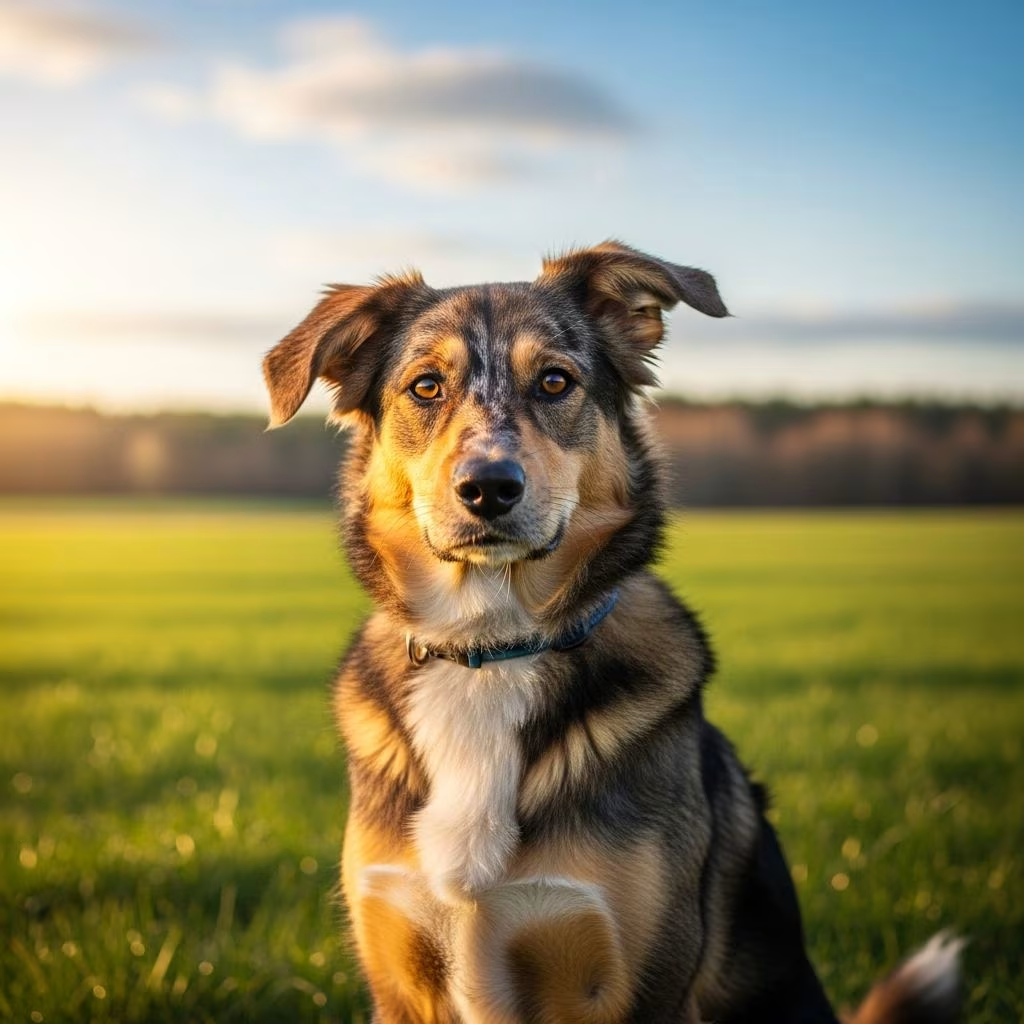
Mixed-breed dogs, commonly called mutts, represent a vibrant mosaic of canine genetics, blending traits from multiple breeds into one-of-a-kind companions. Unlike purebreds with traceable lineages, mutts offer unpredictable yet often superior combinations of health, personality, and adaptability, making them ideal for diverse households.
The Genetic Mosaic: What Makes a Mutt
At their core, mutts arise from unplanned pairings of various dog breeds, resulting in offspring whose ancestry defies simple categorization. This genetic diversity stems from a broad pool of DNA, avoiding the inbreeding common in purebred lines that amplifies specific traits but also vulnerabilities. A mutt might inherit the stamina of a herding dog, the loyalty of a guardian breed, and the playfulness of a retriever, all in one furry package.
Historically, mutts have accompanied humans across continents, evolving as versatile working dogs in farms, villages, and urban streets. Their lack of a single origin story underscores their resilience, thriving in environments where purebred specialization might falter. Today, shelters brim with these treasures, each with a story written in their patchwork coats and expressive features.
Diverse Looks and Endless Variety
No two mutts look precisely alike, thanks to the interplay of dominant and recessive genes from their mixed heritage. Coat types span short and sleek for easy maintenance, to wiry or curly for added texture, while colors form unique patterns like brindle swirls or unexpected spots. Sizes vary wildly—even within litters—producing tiny lap dogs alongside sturdy medium builds or towering giants.
This visual unpredictability adds excitement to adoption. Imagine welcoming a puppy with floppy ears from a hound influence, a curly tail hinting at terrier roots, and a stocky frame suggesting lab ancestry. Such combinations not only captivate but also ensure each mutt stands out as a bespoke creation.
- Coat Variations: Smooth, rough, double-layered, or silky, suiting different climates and grooming preferences.
- Size Spectrum: From 10 pounds of pint-sized energy to 120-pound gentle giants.
- Ear and Tail Styles: Pointed, floppy, docked, or bushy, adding character to every profile.
Superior Health Through Hybrid Vigor
Mutts frequently enjoy better overall health than purebreds due to heterosis, or hybrid vigor, where crossbreeding enhances vitality and reduces inherited diseases. Purebreds, bred for uniformity, suffer higher rates of conditions like hip dysplasia, hypothyroidism, and heart issues from limited gene pools.
Studies and veterinary observations confirm mutts’ edge: their broader genetics dilute breed-specific weaknesses, leading to fewer allergies, stronger immune systems, and longer lifespans averaging 10-15 years. For instance, a lab-bulldog mix might sidestep the pure lab’s joint problems and the bulldog’s respiratory woes.
| Aspect | Purebreds | Mutts |
|---|---|---|
| Genetic Diversity | Low (inbreeding risks) | High (hybrid vigor) |
| Common Issues | Hip dysplasia, breed-specific cancers | Fewer inherited disorders |
| Average Lifespan | 8-12 years (varies by breed) | 10-15 years |
| Vet Costs | Higher due to predispositions | Lower overall |
While no dog is invincible, mutts’ resilience means fewer trips to the vet, translating to real savings and more playtime.
Temperament: A Blend of Best Traits
Mutts’ personalities mirror their genetic blends, often yielding balanced, adaptable dogs. They might fuse a rottweiler’s protectiveness with a spaniel’s exuberance or a labrador’s calm demeanor, creating well-rounded family members. Loyalty and eagerness to please remain constants, fostering deep bonds with owners.
Training varies by dominant influences—retriever mixes excel in obedience, while terrier blends bring feisty independence requiring patience and positive reinforcement. Early socialization curbs potential quirks, like herding instincts from shepherd ancestry, ensuring harmonious living.
- Energy Levels: From couch loungers to hike enthusiasts, matching any lifestyle.
- Social Skills: Often friendly chameleons, adapting to kids, seniors, or singles.
- Intelligence: Quick learners blending working smarts without purebred extremes.
Purebreds vs. Mutts: A Fair Comparison
Purebreds offer predictability—known size, temperament, and looks from centuries of selective breeding. A border collie guarantees high energy for herding tasks; a great dane promises imposing guardianship. However, this comes at a premium price and heightened health risks.
Mutts counter with affordability (often just shelter fees), uniqueness, and toned-down extremes. A mixed lab might fetch less obsessively, easing family life, while retaining playfulness without hyperactivity.
| Feature | Purebred Advantages | Mutt Advantages |
|---|---|---|
| Cost | Premium pricing | Budget-friendly adoption |
| Predictability | High (traits known) | Low (exciting surprises) |
| Health | Prone to specifics | Robust diversity |
| Availability | Breeders | Shelters (supports rescue) |
Care Essentials for Your Mutt
Thriving mutts need tailored care based on visible traits. Observe coat for grooming—short hairs suit weekly brushes, fluffier ones demand more. Exercise matches energy: high-drive mixes crave runs, mellow ones prefer walks.
Nutrition should be balanced for their build, with regular vet checkups catching any issues early. Training via rewards builds on their inherent smarts, preventing boredom-induced mischief.
- Assess energy via play sessions.
- Choose food for size/age.
- Socialize from puppyhood.
- Monitor for breed-like traits.
Adopting a Mutt: Your Path to Joy
Shelters overflow with mutts awaiting homes, turning adoption into a win-win: you gain a devoted pal, they escape uncertainty. Costs plummet versus breeder pups, freeing funds for toys and treats. Plus, you’re bolstering animal welfare.
Visit local rescues, use DNA tests for curiosity, and prepare for a lifetime friend whose quirks become cherished memories.
Frequently Asked Questions
What is a mutt exactly?
A mutt is any dog with mixed ancestry from multiple breeds, lacking a single purebred line, resulting in unique traits.
Are mutts healthier than purebreds?
Yes, genetic diversity often grants mutts hybrid vigor, reducing breed-specific illnesses.
How do I train a mutt?
Use positive reinforcement; their varied smarts respond well to treats and consistency.
What’s the average lifespan of a mutt?
Typically 10-15 years, often longer than many purebreds due to better health.
Are mutts good for families?
Absolutely—their adaptable temperaments suit kids, apartments, or active homes.
Embracing the Mutt Magic
Mutts embody canine perfection through diversity, proving that mixed isn’t lesser—it’s extraordinary. Their health, charm, and affordability make them top choices for discerning pet parents.
References
- Mutts: The Good, The Bad, The Ugly – Figo Pet Insurance — Figo Pet Insurance. 2023-05-15. https://figopetinsurance.com/blog/mutts-and-mixed-breed-guide
- What is a Mutt? | ASPCA® Pet Health Insurance — ASPCA Pet Health Insurance. 2024-02-10. https://www.aspcapetinsurance.com/resources/what-is-a-mutt/
- The Differences and Benefits of Mutts and Purebred Dogs — Smoochie Pooch. 2023-11-20. https://smoochie-pooch.com/the-differences-benefits-of-mutts-purebred-dog/
- 5 Reasons Why Mutts Are Great Dog “Breeds” — Lake Cross Animal Hospital (.com domain, veterinary clinic). 2024-01-05. https://www.lcah.com/services/dogs/blog/5-reasons-why-mutts-are-great-dog-breeds
- Mixed Breed – VCA Animal Hospitals — VCA Animal Hospitals. 2025-03-12. https://vcahospitals.com/know-your-pet/dog-breeds/mixed-breed



