

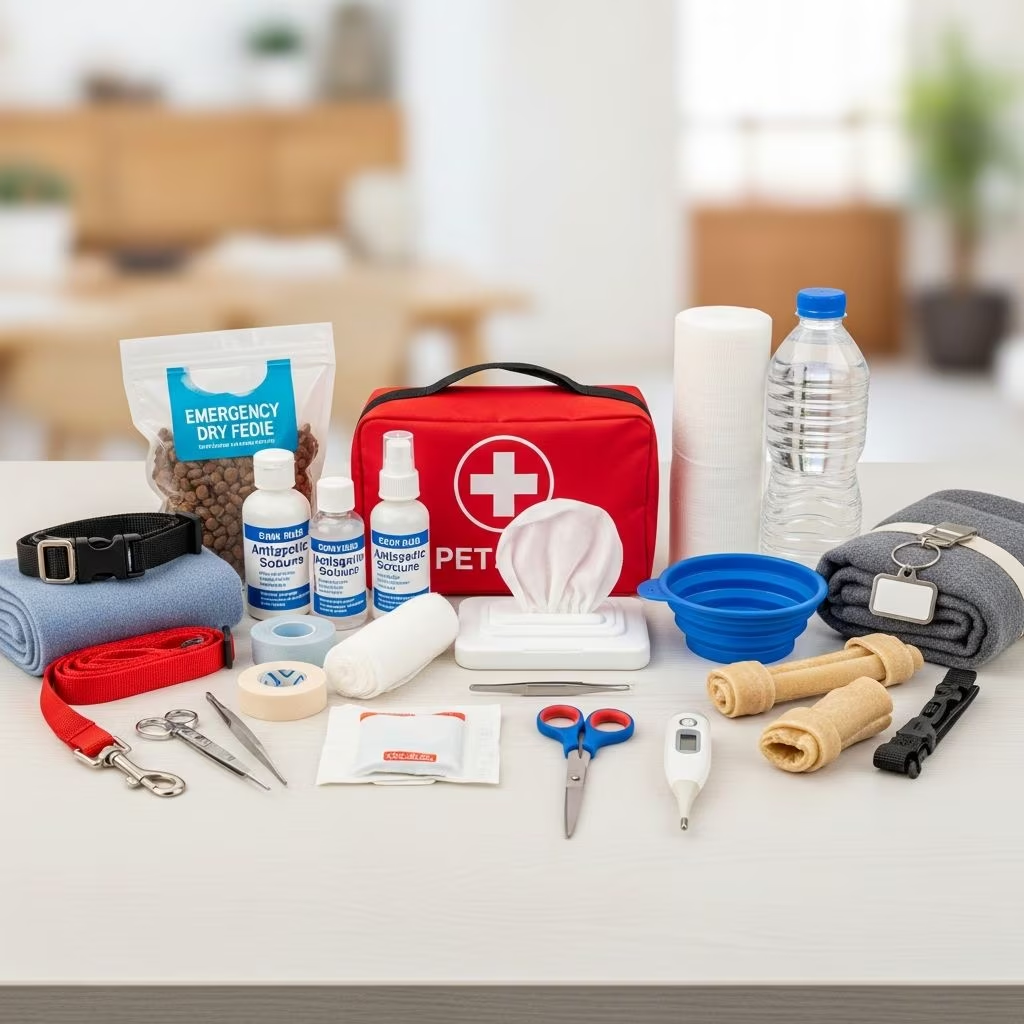
Must-Have Items for Your Pet Emergency Kit
Pet emergencies can happen unexpectedly, whether due to natural disasters, medical crises, or unexpected situations that require immediate attention. Being prepared with a well-stocked pet emergency kit ensures you can respond quickly and effectively to protect your furry companion. A comprehensive emergency kit should contain first aid supplies, important documents, medications, food and water, and comfort items tailored to your pet’s specific needs.
Understanding the Importance of a Pet Emergency Kit
An emergency kit serves as your first line of defense when disaster strikes. Whether facing a hurricane, earthquake, flood, or sudden medical emergency, having essential supplies readily available can mean the difference between a manageable situation and a crisis. The kit allows you to provide immediate care while traveling to an emergency veterinary clinic or waiting for professional help to arrive. By assembling your kit in advance, you eliminate the stress of gathering supplies during an actual emergency when time is critical and emotions run high.
First Aid Supplies and Medical Equipment
The foundation of any pet emergency kit is a comprehensive first aid section. These supplies enable you to address minor injuries and stabilize your pet until veterinary care becomes available.
Essential First Aid Items
- Gauze and Bandaging Materials: Stock both adhesive and non-adhesive gauze pads, cotton balls, and bandage tape. Non-adhesive wound dressings prevent irritation to sensitive skin, while cohesive wrap provides flexible support for injured limbs.
- Antiseptic and Cleaning Solutions: Include hydrogen peroxide for wound cleaning and disinfection. Chlorhexidine or povidone iodine solutions offer additional antiseptic protection. Eye wash provides relief for irritated eyes and helps remove foreign particles.
- Antibiotic Ointments: Topical antibiotic ointments prevent infection in minor cuts and scrapes. Apply these after cleaning wounds thoroughly.
- Digital Thermometer: A standard human thermometer works effectively for pets. Knowing your pet’s temperature helps you determine the severity of an illness and provides crucial information for your veterinarian.
- Bandage Scissors and Tweezers: Specialized scissors safely remove bandages without harming fur or skin. Tweezers assist in removing splinters, thorns, or other foreign objects embedded in paws or skin.
- Styptic Powder: This product stops bleeding quickly, particularly useful for nail injuries or minor cuts that bleed excessively.
- Latex Gloves: Protect yourself while treating your pet and prevent contamination of wounds.
Medications and Health Essentials
Medications form a critical component of your pet emergency kit. Ensure you have sufficient quantities and proper storage for all necessary medications.
Important Medications to Include
- Prescription Medications: Maintain at least a three-day to two-week supply of any medications your pet takes regularly, including those for chronic conditions. Include detailed dosage instructions and administration guidelines.
- Over-the-Counter Options: Keep veterinarian-approved medications like Benadryl on hand for allergic reactions. Always consult your vet before adding new medications to ensure proper dosing for your pet’s size and health status.
- Karo Syrup: Useful for quickly raising blood sugar levels in pets experiencing hypoglycemia, which can occur in diabetic animals or during stress.
- Flea and Tick Prevention: Include a one-month supply of preventative medications to protect against parasites during displacement.
- Pain Relief Options: Consult your veterinarian about appropriate pain management options for your specific pet.
Food and Water Supplies
During emergencies, access to proper nutrition and hydration becomes essential for maintaining your pet’s health and reducing stress-related complications.
Nutritional Emergency Supplies
- Food Storage: Keep three to seven days’ worth of your pet’s regular food in airtight, waterproof containers. Shelf-stable, unopened canned or dry food stores best and maintains nutritional value longer than opened packages. Rotate supplies every six months to ensure freshness.
- Water Supply: Store at least seven to fourteen days of fresh water in sealed containers. Calculate approximately one gallon per pet daily to ensure adequate hydration during emergencies.
- Feeding Supplies: Include collapsible food and water dishes for easy storage and transportation. Pack a manual can opener if your pet’s emergency food includes canned options. A spoon or scoop allows proper portion control.
- Special Dietary Needs: If your pet requires prescription diet food due to health conditions, maintain an emergency supply alongside regular food options.
Important Documents and Identification
Proper identification and documentation become invaluable during emergencies, particularly if you become separated from your pet during a disaster.
Essential Documentation
- Medical Records: Keep copies of vaccination records, microchip information, and recent medical histories. These documents prove ownership and provide crucial health information to emergency veterinarians.
- Photos and Identification: Store clear, recent photographs of your pet from multiple angles. Include shots with you in the photo to help prove ownership. Write your pet’s name and contact information with permanent marker on your pet if anticipating major storms.
- Emergency Contacts: List your regular veterinarian, emergency veterinary clinics, and Pet Poison Control hotline numbers. Include family members and friends who can assist in emergencies.
- Pet Insurance Information: If you carry pet insurance, keep a copy of your policy and coverage details for reference during emergency veterinary visits.
- Microchip Records: Maintain documentation of your pet’s microchip ID number and the registry where the chip is registered, ensuring reunification if your pet becomes lost.
Sanitation and Cleanup Supplies
Emergency situations often involve unexpected accidents and sanitation challenges. Proper cleanup supplies help maintain hygiene and prevent disease transmission.
Sanitation Essentials
- Waste Management: Stock pet waste bags, litter supplies for cats including litter pan and scoop, and housetraining pads. A cardboard box with plastic liner serves as an emergency litter pan.
- Cleaning Materials: Include paper towels, newspapers, trash bags, and disinfectant cleaners. Household chlorine bleach diluted properly provides effective disinfection. Pet-friendly cleaners prevent harm to your animal.
- Hygiene Items: Hand sanitizer, soap, and disposable gloves protect both you and your pet during emergency situations.
Comfort Items and Behavioral Support
Stress management during emergencies significantly impacts your pet’s physical and mental well-being. Familiar comfort items help reduce anxiety and promote calmness.
Comfort and Emotional Support
- Familiar Items: Pack favorite toys, treats, and bedding or blankets that smell like home. These familiar objects provide emotional reassurance during stressful situations.
- Anxiety Aids: Include calming products your veterinarian has recommended or approved. Some pets benefit from anxiety wraps or pressure garments during stressful events.
- Blankets and Towels: Multiple blankets serve dual purposes: providing comfort and serving as bandaging materials for wounds. Select washable options that withstand frequent cleaning.
Travel and Transportation Equipment
Safely transporting your pet during emergencies requires appropriate equipment that ensures containment and comfort during potentially chaotic situations.
Transportation Essentials
- Carriers and Crates: Use appropriately-sized carriers with comfortable bedding. Label carriers with your contact information in case you become separated from your pet. Ensure carriers are well-ventilated and durable.
- Leashes, Collars, and Harnesses: Keep extra sets since emergency situations may damage your pet’s current equipment. Ensure all collars have current ID tags with your contact information.
- Muzzles: A properly-fitting muzzle may be necessary to prevent biting during stressful situations or medical treatment. Ensure proper fit and acclimate your pet to wearing one before emergencies occur.
- Heavy-Duty Gloves: Protect yourself from scratches and bites during emergency handling of a stressed pet.
Reference Materials and Emergency Tools
Having accessible reference materials helps you make informed decisions during emergencies when access to veterinary professionals may be limited.
Important Reference Items
- First Aid Manual: Include a pet-specific first aid guide you can quickly reference. Print guides from reputable veterinary sources to ensure accuracy and relevance.
- Flashlight and Batteries: Multiple flashlights with extra batteries enable you to see during power outages and examine injuries properly. Choose water-resistant models for durability.
- Maps and Navigation: Local area maps help identify evacuation routes and nearby emergency facilities if you cannot access digital resources.
Tailoring Your Kit to Your Pet’s Specific Needs
Every pet has unique requirements based on age, size, health status, and species. A comprehensive emergency kit adapts to these individual characteristics.
Customization Considerations
Species-Specific Items: Cats require different supplies than dogs. Feline emergency kits need litter supplies and potentially different sized carriers and collars. Small animals may need specialized carriers and different proportioned supplies.
Age and Health Status: Senior pets or those with chronic conditions require additional medications, specialized food, and more frequent monitoring supplies. Young pets may benefit from additional behavioral support items and training treats.
Size Appropriateness: A large dog requires larger carriers, collars, and greater quantities of food and water than a small breed. Calculate all supplies based on your specific pet’s dimensions and consumption rates.
Storage and Maintenance of Your Emergency Kit
A well-maintained emergency kit remains effective only through regular attention and updates. Establish a maintenance schedule to ensure supplies remain fresh and functional.
Kit Maintenance Best Practices
- Rotation Schedule: Replace food and water every six months to one year depending on packaging. Update medications monthly to maintain expiration date compliance. Check batteries quarterly to ensure functionality.
- Storage Location: Keep your kit in an easily accessible location that family members know about. Use a clearly labeled, waterproof container that can be grabbed quickly during emergencies.
- Regular Reviews: Update contact information annually. Refresh photographs of your pet every six months. Review your pet’s medical records quarterly and add new information as it becomes available.
- Documentation Updates: As your pet ages or experiences health changes, revise medications, dietary requirements, and medical history accordingly.
Creating a Disaster Preparedness Plan
Having an emergency kit is only one component of comprehensive pet emergency preparedness. A complete disaster plan ensures coordinated response when emergencies occur.
Planning Elements
- Communication Strategy: Establish a system for notifying family members of your pet’s location and status during emergencies. Designate an out-of-area contact person who can relay messages between separated family members.
- Evacuation Routes: Plan multiple evacuation routes from your home and identify pet-friendly shelters or hotels. Research which facilities accept pets before disasters strike.
- Backup Care Arrangements: Identify trusted friends or family members who could care for your pet if you become incapacitated. Leave them copies of your emergency kit location and contents.
- Microchip Registration: Ensure your pet’s microchip is registered with current contact information and cross-registered with multiple databases to maximize recovery chances.
Frequently Asked Questions
Q: How often should I replace items in my pet’s emergency kit?
A: Replace food and water every six months, medications monthly before expiration, and batteries quarterly. Review and update all other items annually to ensure accuracy and functionality.
Q: What size should my pet’s emergency kit be?
A: Size depends on your pet’s needs and quantities required. A three to seven-day supply kit for a medium dog typically requires a large storage container, while a cat’s kit may fit in a smaller box.
Q: Can I store my pet’s emergency kit anywhere in my home?
A: Store your kit in an easily accessible, cool, dry location away from direct sunlight. Avoid basements prone to flooding or attics subject to extreme temperatures. Keep it near an exit for quick access during evacuations.
Q: Should I create different kits for different scenarios?
A: While a comprehensive kit covers most emergencies, you might keep a smaller travel-sized kit in your car for accidents during outings. The main kit should address all potential emergencies your pet might face.
Q: What should I do with my pet’s medications in an emergency?
A: Keep medications in clearly labeled containers with dosage instructions. Include a list of your pet’s allergies and current medications when seeking emergency veterinary care to prevent dangerous drug interactions.
References
- Pet Evacuation Kit Checklist — American Veterinary Medical Association. 2023-11. https://www.avma.org/sites/default/files/2023-11/aph-pet-evacuation-kit-checklist.pdf
- Build a Pet Disaster Preparedness Kit — Centers for Disease Control and Prevention. 2024. https://www.cdc.gov/healthy-pets/emergency-preparedness/preparedness-kit.html
- Dog First-Aid Kit Essentials — American Kennel Club. 2024. https://www.akc.org/expert-advice/lifestyle/dog-first-aid-kit-essentials/
- Pet Emergency Kit Checklist and Plan — Best Friends Animal Society. 2024. https://bestfriends.org/pet-care-resources/pet-emergency-kit-checklist-and-plan
- What to Pack in Your Pet’s Emergency Kit: A Complete Checklist — All Critters Veterinary Hospital. 2024. https://www.allcrittersvet.com/blog/what-to-pack-in-your-pets-emergency-kit-a-complete-checklist/



