Dog Training Gear: A Complete Guide To Must-Have Tools
Equip yourself with the best tools to train your dog effectively, from leashes to treats for lasting results.
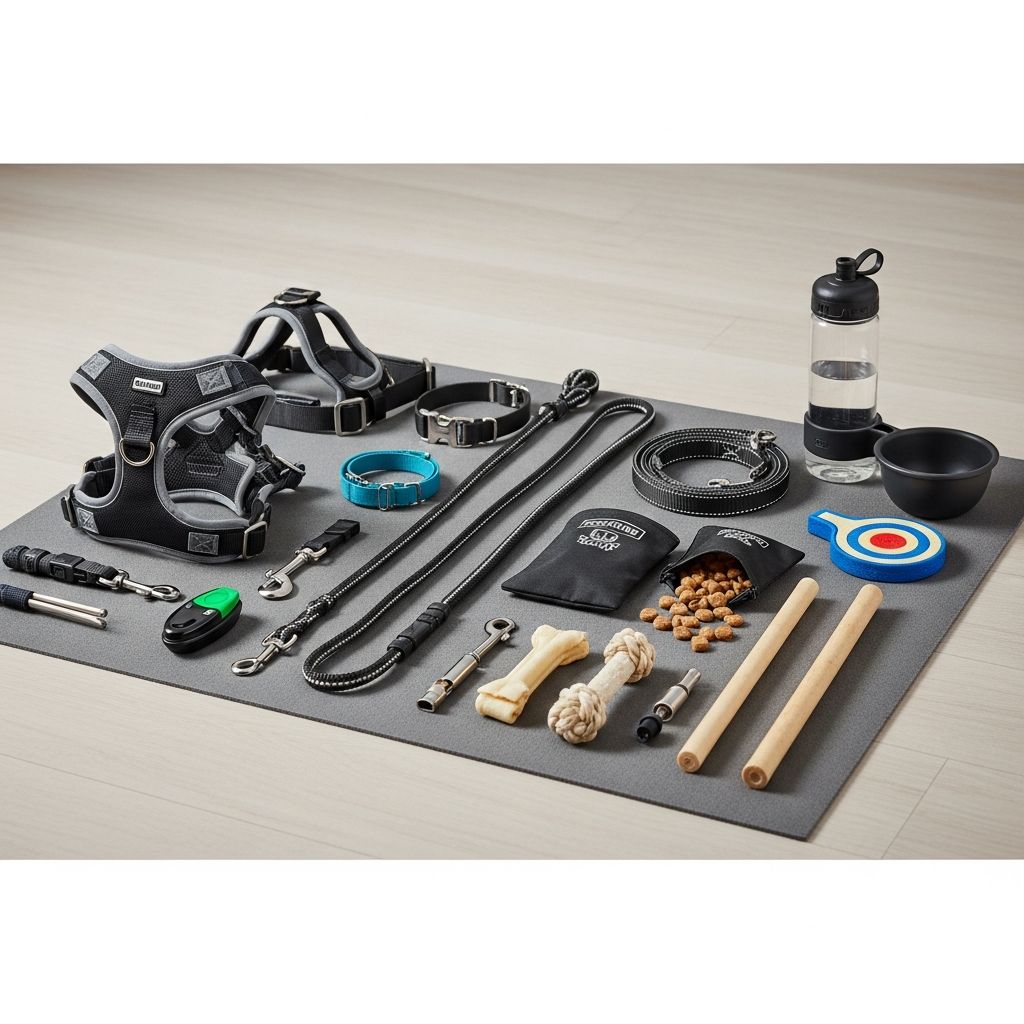
Must-Have Dog Training Gear Guide
Training your dog requires more than patience and consistency; it demands the proper equipment to communicate effectively and reinforce good behaviors. Whether you’re teaching basic commands like sit and stay or advancing to recall and agility, having reliable tools makes the process smoother and safer for both you and your pet. This guide explores the fundamental and advanced items every dog owner needs, drawing from proven methods used by professionals.
Core Essentials for Everyday Training
Start with the basics that form the foundation of any training regimen. These items ensure control, comfort, and quick reinforcement during sessions.
- Collars: A well-fitted collar is crucial for identification and basic control. Opt for flat nylon collars with quick-release buckles for small to medium dogs, ensuring the width matches the neck size—half-inch for tiny breeds, up to two inches for large ones. Martingale collars provide extra security for escape artists by tightening slightly on pulls without choking.
- Leashes: Choose 4-6 foot nylon or leather leashes for close control in obedience drills. They should be chew-resistant and comfortable to grip, ideal for teaching heel and loose-leash walking.
- Treats and Pouches: High-value treats motivate dogs during learning. A treat pouch or belt keeps rewards accessible, allowing one-handed dispensing without interrupting flow.
Harness and Headgear for Pullers
For dogs that lunge or pull, collars alone can strain the neck. Harnesses distribute pressure evenly across the chest.
| Type | Best For | Key Features |
|---|---|---|
| Front-Clip Harness | Strong pullers | Redirects attention sideways; models like Freedom Harness prevent forward momentum. |
| Back-Clip Harness | Polite walkers | Standard attachment for casual training; ensures comfort on longer walks. |
| Head Collar | Determined pullers | Gentle Leader style; guides head for control, used with positive training. |
Always introduce these gradually with treats to build positive associations, avoiding discomfort that could hinder progress.
Positive Reinforcement Tools
Clicker training revolutionizes obedience by marking exact moments of success with a distinct sound, bridging the gap before treats arrive.
- Clickers: Small devices with wrist straps for noisy environments. Pair the click with rewards to teach sit, down, and come reliably.
- Whistles: For recall in open areas, offering a consistent tone over distances where voice fails.
- Target Sticks: Extend your hand to guide dogs to positions, perfect for shaping complex behaviors like heeling.
Advanced Equipment for Skill Building
Once basics are mastered, incorporate tools for engagement and precision.
Long Lines and Recall Aids
A 30-foot long line allows safe practice of come-when-called in yards or fields, giving freedom while maintaining safety. It’s invaluable for reactive dogs learning boundaries.
Training Mats and Barriers
Use mats to teach place commands—only deploy during sessions to keep it special. Barriers like baby gates manage space, preventing unwanted interactions during house training.
Agility and Fitness Gear
Build confidence with compact kits featuring tunnels, poles, and hurdles. Balance tools like pads and wedges enhance body awareness, crucial for athletic breeds.
- Indoor options for bad weather.
- Outdoor sets for spacious training.
- Ramps for mobility-challenged dogs, easing car access.
Professional-Grade Accessories
Trainers favor durable, ergonomic items for multiple sessions.
| Item | Use Case | Pro Tip |
|---|---|---|
| Treat Belts | Hands-free rewards | Multiple pockets for variety. |
| Multi-Function Leashes | Versatile lengths | Adjustable for short/long line needs. |
| Throw Chains | Desensitization | Lightweight metal for noise tolerance. |
Tailoring Gear to Your Dog’s Needs
Match equipment to breed, age, and temperament. Puppies need soft, lightweight items; seniors benefit from padded harnesses. Always prioritize positive methods over punitive tools like shock collars, which experts discourage.
Setting Up Your Training Kit
Assemble a portable kit: leash, clicker, 20-30 treats, poop bags, and water bowl. Practice in low-distraction areas first, gradually increasing challenges. Consistency across family members amplifies results.
Common Mistakes to Avoid
- Using ill-fitting gear, leading to rubs or escapes.
- Over-relying on tools without commands.
- Skipping introductions, causing fear.
FAQs
What is the first piece of gear to buy for dog training?
A collar and 6-foot leash for immediate control and safety.
Are harnesses better than collars?
For pullers, yes—safer on the trachea. Combine with training.
How do clickers work?
Click marks good behavior instantly, followed by treat for association.
What’s best for puppy training?
Soft collars, short leashes, and high-value treats for short sessions.
Do I need agility gear at home?
Optional but great for energy burn and mental stimulation.
Building Lasting Habits
Invest in quality gear to avoid replacements and frustrations. Combine with daily short sessions for a well-mannered companion. Track progress and adjust tools as skills grow.
References
- Basic Must-Have Items for Dog Training — Rover.com. 2023-05-15. https://www.rover.com/blog/basic-must-have-items-dog-training-in/
- Dog Training Supplies: From Obedience to Advanced Equipment — Rover (aggregated trainer input). 2023. https://www.rover.com/blog/basic-must-have-items-dog-training-in/
- Top Dog Training Tools Every Owner Should Have — K9 Connoisseur. 2024-02-10. https://k9connoisseur.com/blogs/news/dog-training-tools
- What Equipment Does a Dog Trainer Need? — Pet Care Insurance. 2024-08-20. https://www.petcareins.com/blog/what-equipment-does-a-dog-trainer-need
- Dog Training Equipment for Professionals — EzyDog Store. 2025-01-12. https://store.ezydog.com/collections/dog-training-products
Similar Articles







Read full bio of medha deb