

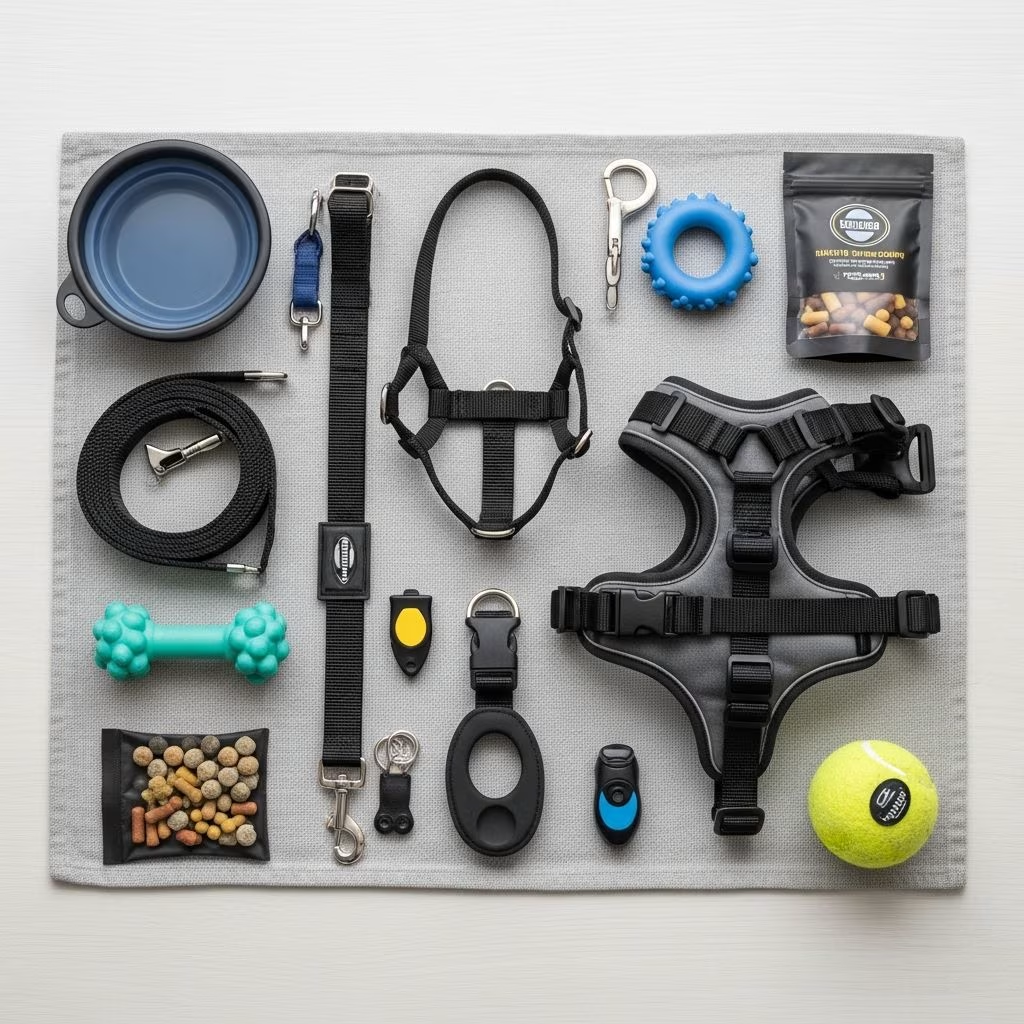
Training your dog is one of the most rewarding aspects of pet ownership, fostering a deeper connection while ensuring safety and good behavior. The right equipment makes this process smoother, more efficient, and enjoyable for both you and your canine companion. Whether you’re teaching basic commands like sit and stay or advancing to recall and loose-leash walking, selecting durable, user-friendly tools is key. This guide explores the core items every dog owner needs, explaining their roles, benefits, and tips for optimal use. With these fundamentals, you’ll set a strong foundation for positive reinforcement training, which experts widely recommend for long-term success.
Understanding Positive Reinforcement Basics
Positive reinforcement forms the cornerstone of modern dog training, rewarding desired behaviors to encourage repetition. Unlike punitive methods, it builds trust and motivation without fear. Key elements include timing, consistency, and high-value rewards. Tools amplify this approach by providing precise cues and easy access to motivators. According to the American Veterinary Society of Animal Behavior, force-free methods yield better results and reduce stress-related issues in dogs.
1. Reliable Leashes for Control and Freedom
A high-quality leash is indispensable for everyday walks, obedience drills, and safety. Standard 4-6 foot leashes offer control during heel training, while longer lines (20-50 feet) build recall skills in open areas. Opt for materials like nylon or biothane for durability and weather resistance. Adjustable leashes with traffic handles provide quick management in busy environments.
- Standard Leash: Ideal for urban walks and basic commands; ensures slack for comfortable heeling.
- Long Line: Perfect for distance work; allows practice without full off-leash risk.
- Multi-Function Leash: Converts between short, long, or hands-free modes for versatility.
Choose based on your dog’s size and strength—thicker widths for pullers. Always inspect for wear to prevent snaps.
2. Comfortable Collars and Harnesses
Proper fit prevents discomfort and escapes. Flat collars work for small breeds with low pull tendencies, but harnesses distribute pressure evenly, safeguarding the trachea—crucial for puppies and brachycephalic breeds. No-pull harnesses with front clips discourage pulling by redirecting forward momentum.
| Type | Best For | Key Features |
|---|---|---|
| Flat Collar | Low-pull dogs | Quick-release buckle, ID tag compatibility |
| Martingale Collar | Escape artists | Limited tightening for security without choking |
| Front-Clip Harness | Strong pullers | Chest redirection, padded straps |
Measure your dog’s neck and girth accurately; a two-finger gap ensures comfort. Transition gradually if switching gear.
3. Clickers and Marker Tools for Precision
Clickers deliver a distinct sound marking the exact moment of good behavior, bridging the gap between action and reward. This clarity accelerates learning compared to verbal praise alone. Start by “charging” the clicker—pairing its sound with treats until your dog associates it with positivity. Alternatives like whistles suit noisy environments or multiple-dog households.
- Box clickers for standard use.
- Button clickers for smaller hands.
- Distinct-tone models for group training.
Practice short sessions: Click for eye contact, then treat. Consistency is vital—click only correct behaviors.
4. Treat Pouches for Seamless Rewards
Quick reward access keeps sessions flowing without fumbling. Magnetic closures or drawstrings prevent spills, while belt-mounted designs free your hands. Stock with small, soft treats your dog loves—vary types to maintain interest.
Pro tips: Use zippered compartments for different reward values (jackpot for breakthroughs). Waist belts suit active trainers; clip-ons work for casual use. This tool embodies positive reinforcement by making rewards immediate.
5. Target Sticks for Advanced Shaping
Target sticks guide dogs to new positions or movements, like touching the end with their nose. This luring method teaches tricks, loose-leash walking, and even wheelchair mobility for disabled pups. Extendable models offer flexibility.
Basic training sequence:
- Present stick and reward nose touches.
- Add verbal cue like “touch.”
- Fade stick, generalize to hand targets.
Ideal for reactive dogs, building focus without physical guidance.
6. Long Lines and Barriers for Safety
Long lines enable safe recall practice in yards or fields, reeling in if needed. Barriers like gates or pens manage space during housebreaking or alone-time training, preventing unwanted chewing.
- 30-50 ft lines for most breeds.
- Foldable pens for portability.
Additional Gear for Comprehensive Training
Interactive Toys and Fetch Items
Toys maintain engagement, channeling energy into fetch or tug. Balls and discs teach impulse control and teamwork. Rotate to prevent boredom.
High-Value Treats and Motivators
Not gear per se, but essential: Dehydrated meats or cheese for high motivation. Portion control avoids weight gain.
Setting Up Your Training Kit
Assemble a portable kit: Leash, harness, clicker, pouch, treats, poop bags, and water bowl. Store in a dedicated bag for grab-and-go sessions. Budget $100-200 for quality starters; invest in brands with warranties.
Common Mistakes to Avoid
- Wrong Fit: Leads to rubbing or escapes—recheck sizing monthly.
- Poor Timing: Delays in clicking confuse dogs.
- Low-Quality Gear: Breaks under pressure, risking injury.
- Overloading Sessions: Keep to 5-15 minutes to match attention spans.
Training Session Best Practices
Begin in low-distraction areas, progressing outdoors. End on successes. Track progress in a journal. Pair with professional classes for guidance.
Frequently Asked Questions
What is the best leash length for training?
A 6-foot leash suits most obedience work, balancing control and natural movement.
Are harnesses better than collars?
Yes for pullers and puppies; collars suffice for calm adults.
How do I choose treats for training?
Select soft, smelly, pea-sized pieces your dog adores but rarely gets.
Can I train without a clicker?
Yes, use a marker word like “yes,” but clickers offer superior precision.
What’s essential for puppy training?
Focus on leash, harness, clicker, pouch, and crate for basics.
Building Long-Term Success
Consistent use of these tools, combined with patience, yields obedient, happy dogs. Adapt gear as skills advance—from basics to agility setups. Celebrate milestones; training is lifelong. With this arsenal, you’re equipped for joyful journeys with your furry friend.
References
- Position Statement on Puppy Socialization — American Veterinary Society of Animal Behavior. 2023-01-01. https://avsab.org/wp-content/uploads/2018/03/Puppy_Socialization_Position_Statement_Download_-_10-3-14.pdf
- AVSAB Position Statement on Humane Dog Training — American Veterinary Society of Animal Behavior. 2021-01-01. https://avsab.org/wp-content/uploads/2021/06/Humane-Dog-Training-Position-Statement-download-6-6-21.pdf
- Clicker Training Guidelines — Karen Pryor Clicker Training. 2024-05-15. https://clickertraining.com/resources



