

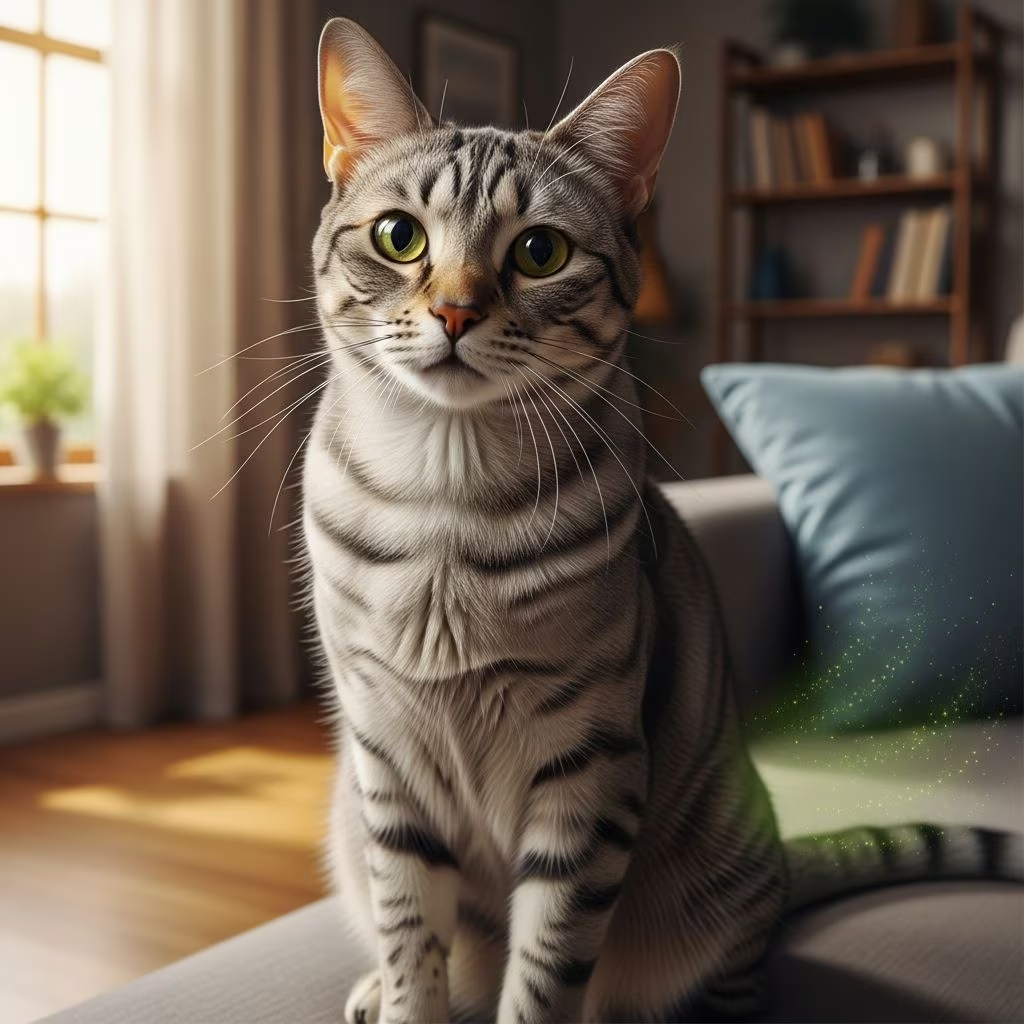
Understanding That Mysterious Musky Cat Odor
If you’ve noticed an overwhelming musky, feral smell emanating from your feline companion, you’re not alone. Many cat owners experience this peculiar odor that seems to permeate the house, lingering even after using air fresheners. The source of this distinctive smell often puzzles pet parents, especially when it doesn’t seem to be coming from your cat’s breath or litter box. Understanding the origin of this odor is the first step toward addressing the issue and ensuring your cat’s health and comfort.
The most common culprit behind that musky smell is not what you might initially suspect. While some owners theorize it comes from scent glands on the sides of the mandible (lower jaw) that cats use for marking territory, the actual source is typically located elsewhere on your cat’s body. This distinction is important because identifying the correct source allows you to take appropriate action.
The Anal Glands: The Primary Source of Musky Odors
Your cat has two small glands located just inside the anus, and these anal glands are the most likely culprits behind that persistent musky odor in your home. These glands are functionally similar to those found in skunks, which explains the particular nature of the smell they produce. Under normal circumstances, pet parents are barely aware that these glands exist, as they typically function quietly in the background without causing noticeable odor.
The anal glands produce a musky or fishy-smelling material that serves important biological purposes for cats. In the wild, these secretions help cats mark their territory and communicate with other felines. When everything is functioning normally, your cat naturally empties these glands during bowel movements, and you’ll rarely notice any smell.
When Anal Glands Become Problematic
Problems arise when cats become scared or excited. During these emotional states, cats may involuntarily release the contents of their anal glands, and the smell can be truly overwhelming. This is a natural stress response, similar to how some animals release defensive odors when threatened. However, if your cat is releasing anal gland secretions frequently or if you’re noticing persistent musky odors, there may be an underlying issue that requires attention.
Anal gland problems can develop for several reasons. Some cats experience anal gland impaction, where the glands don’t empty properly and the secretions build up inside. This can cause discomfort, itching, and increased odor. Additionally, infections or inflammation of the anal glands can occur, leading to pain and more noticeable smells. Cats with diarrhea or constipation are particularly prone to anal gland issues, as these conditions affect the normal emptying of the glands during bowel movements.
Other Common Sources of Cat Odors
While anal glands are the primary source of musky odors, several other conditions can contribute to unpleasant smells coming from your cat. Understanding these various sources helps you identify which problem your cat might be experiencing.
Oral and Dental Issues
Dental disease is the most common cause of unpleasant cat odors overall. A healthy feline mouth doesn’t stink, but various dental problems can change that. Plaque and tartar accumulate on the teeth, causing gum inflammation and separation from underlying structures. This creates abnormal gum pockets where food lodges and rots, allowing bacterial infections to proliferate and produce foul odors. Loose teeth and oral trauma can also contribute to bad breath.
Sometimes systemic diseases manifest through oral odors. Kidney disease can lead to a urine or ammonia-like odor coming from the mouth, while diabetes mellitus may produce a sweet or fruity smell. Severe liver disease or intestinal blockages can cause breath that smells like feces. These oral symptoms warrant immediate veterinary attention, as they often indicate serious underlying health conditions.
Skin Infections and Dermatological Issues
The skin is another relatively common source of bad odors in cats. Skin infections often develop as a result of underlying health problems such as wounds, allergies, parasites, cancer, or immune disorders—essentially anything that disrupts the skin’s normal protective mechanisms. Bacterial infections usually have a putrid odor, though some types of bacteria may produce a sweet smell. Yeast infections are typically described as smelling musty.
Severe skin infections can turn your cat’s coat into a source of eye-watering stench, as bacteria or fungi break down skin cells and produce foul-smelling compounds. Abscesses, those painful pockets of pus, are another potential source of deathly odors. When an abscess ruptures, it releases a malodorous mixture of bacteria and infected material. If your cat was in a recent fight with another cat, keep an eye out for abscesses, which develop into infections within 24 hours.
Ear Infections
Most feline ear infections have odors associated with them. Musty-smelling yeast infections sometimes develop when a cat has an allergy or other condition that alters the environment within the ear, promoting yeast growth. Bacterial infections can develop with no obvious underlying cause or be related to allergies, polyps, tumors, or foreign bodies, and they tend to smell fetid or somewhat sweet depending on the specific type of bacteria involved.
Rear End Hygiene Problems
Cats, particularly long-haired cats with diarrhea, can accumulate fecal material in the fur around their hind end, creating noticeable odors. A urinary tract infection might be to blame if you notice an unusually strong smell of urine from the rear end of your cat. Additionally, cats that can’t groom themselves normally due to arthritis, obesity, or systemic diseases may have difficulty maintaining proper hygiene in this sensitive area.
Identifying Different Types of Odors
The specific type of odor your cat produces can provide clues about what’s causing the problem. Learning to distinguish between different smells helps guide you toward the appropriate solution.
| Odor Type | Possible Cause | Associated Symptoms | Recommended Action |
|---|---|---|---|
| Musky or Fishy | Anal Gland Issues | Scooting, licking rear end | Veterinary exam for anal gland emptying |
| Ammonia-like | Kidney Disease or UTI | Increased urination, lethargy | Immediate veterinary evaluation |
| Sweet or Fruity | Diabetes or Diabetic Ketoacidosis | Increased thirst, weight loss | Veterinary blood work and testing |
| Musty | Yeast Infection (Skin or Ears) | Itching, ear scratching | Veterinary evaluation for infection |
| Putrid or Fecal | Bacterial Skin Infection or Abscess | Hair loss, scabs, pain | Veterinary treatment with antibiotics |
When to Seek Veterinary Care
While some cat odors are normal and temporary, others warrant professional veterinary attention. Understanding when to schedule an appointment can help prevent complications and ensure your cat receives timely treatment.
Signs That Require Immediate Attention
Certain odors accompanied by specific symptoms indicate serious health issues. If your cat’s breath has a strong ammonia smell combined with vomiting, lethargy, or changes in eating habits, kidney disease may be present. A sweet or fruity odor from the mouth, especially if your cat is drinking excessively or urinating more frequently, could indicate diabetes or diabetic ketoacidosis. These conditions require prompt veterinary evaluation and treatment.
If you notice signs of mouth pain accompanying bad breath, or if your cat shows signs of distress when the rear end is touched, an abscess or infection may be present. Abscesses should be treated by a veterinarian before they rupture, as the best treatment involves a course of antibiotics, with surgery needed in more serious cases.
Routine Veterinary Care for Odor Management
Even if your cat’s odor seems manageable, regular veterinary check-ups help identify and prevent problems before they become severe. During these visits, your veterinarian can assess your cat’s dental health, examine the skin and ears for infections, and evaluate overall body odor. Preventive care, such as professional dental cleanings and early treatment of skin conditions, can significantly reduce odor issues.
Management and Prevention Strategies
While some odors require professional treatment, several strategies can help manage and prevent feline odors at home.
Dental Care
Keep your cat’s gums and teeth clean and healthy with daily toothbrushing when possible. If toothbrushing isn’t realistic for your cat, your veterinarian or pet supplier may recommend alternatives. Dental toys and treats containing special enzymes can help remove excess plaque that leads to decay and disease.
Proper Grooming
Regular grooming helps prevent matting and keeps your cat’s coat clean and healthy. Long-haired cats particularly benefit from frequent brushing, which can prevent fecal material from accumulating in the fur around the hind end. Grooming also allows you to inspect your cat’s skin for signs of infection or parasites.
Diet and Weight Management
A healthy diet supports overall wellness and can reduce the likelihood of certain conditions that cause odors. Maintaining an appropriate weight through proper nutrition and exercise helps prevent conditions like obesity that can interfere with normal grooming habits and anal gland function.
Litter Box Maintenance
Keeping the litter box clean reduces urinary odors and helps you monitor your cat’s urination patterns. Changes in urination frequency or behavior can indicate urinary tract infections or other health problems that produce odors.
Frequently Asked Questions
Q: Is it normal for cats to have musky odors?
A: Some level of anal gland odor is normal, especially when a cat becomes scared or excited. However, persistent or overwhelming musky smells may indicate anal gland problems or other health issues requiring veterinary attention.
Q: How can I tell if my cat has an anal gland problem?
A: Signs include scooting or dragging the rear end on the ground, excessive licking or biting at the rear end, visible swelling near the anus, or a noticeable increase in musky odor. If you observe these signs, contact your veterinarian.
Q: Can diet affect cat odors?
A: Yes, diet can influence odor production. Poor quality diets or foods that cause digestive upset may contribute to anal gland problems and skin issues. Discuss appropriate nutrition with your veterinarian.
Q: Should I try to express my cat’s anal glands at home?
A: It’s generally best to have a veterinarian or trained groomer express anal glands, as improper technique can cause injury or infection. Your vet can show you if home expression becomes necessary.
Q: What does diabetic cat breath smell like?
A: Diabetic cats often have breath with a sweet or fruity smell, sometimes described as similar to nail polish remover. This odor can indicate diabetic ketoacidosis and requires immediate veterinary care.
Q: Can air fresheners help eliminate cat odor?
A: Air fresheners typically mask rather than eliminate odors and may mingle with the smell rather than dispel it. Addressing the underlying cause of the odor is more effective than masking it.
Q: How often should cats be groomed to prevent odors?
A: Regular grooming frequency depends on coat length and type. Long-haired cats benefit from daily or frequent brushing, while short-haired cats may need grooming several times weekly. Regular grooming helps prevent matting and hygiene issues.
Q: Are certain cat breeds more prone to anal gland problems?
A: While any cat can experience anal gland issues, long-haired cats may be more susceptible to hygiene-related problems. Indoor cats with less active lifestyles may also have increased anal gland issues compared to outdoor cats.
References
- Causes of Bad Odors in Cats — PetMD. 2024. https://www.petmd.com/cat/general-health/causes-bad-odors-cats
- Why Does My Cat’s Pee Smell So Bad? — ARM & HAMMER. 2024. https://www.armandhammer.com/en/articles/cat-urine-smells-like-ammonia-strong-pee-smell
- My Cat Smells like Death — Creative Science. 2024. https://creative.science/education/my-cat-smells-like-death
- Foul Odor from the Skin in Cats – Causes, Treatment and Prevention — Vetster. 2024. https://vetster.com/en/symptoms/cat/foul-odor
- Foul-Smelling Felines: What Causes Cat Odor and How to Combat It — Nutriource Pet Foods. 2024. https://nutrisourcepetfoods.com/blog/pet-parents/foul-smelling-felines-what-causes-cat-odor-and-how-to-combat-it/
- 6 Odors That Can Spell Trouble — The Animal Keeper. 2024. https://theanimalkeeper.com/6-odors-that-can-spell-trouble/
- Smelly Cat, Smelly Cat: Common Causes Of Feline Odors — Sun Vet Animal Wellness. 2019. https://www.sunvetanimalwellness.com/2019/09/smelly-cat-ashevilles-holistic-vet-reveals-common-causes-of-feline-odor/



