

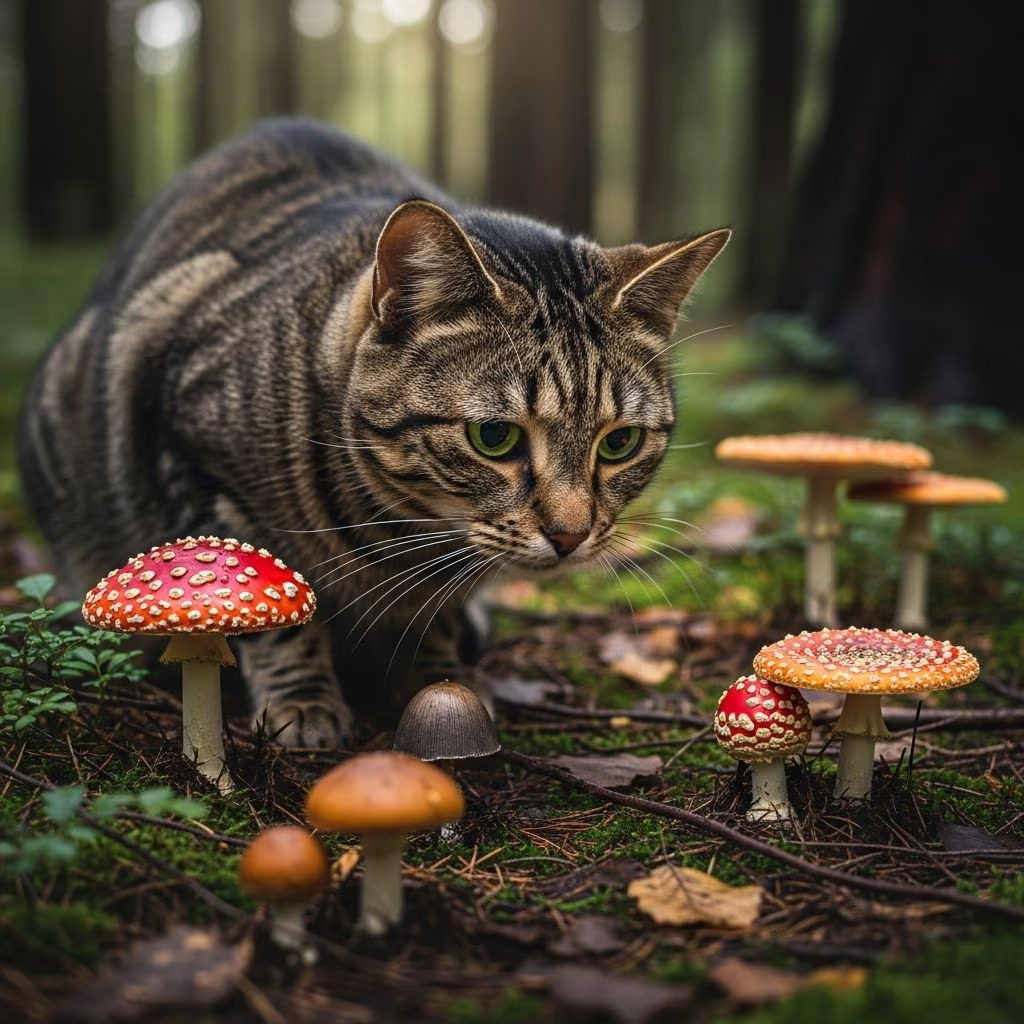
Mushroom Toxicity in Pets: A Comprehensive Guide
Mushroom toxicity represents a significant health threat to pets, particularly dogs and cats that may encounter toxic fungi while exploring gardens, yards, or natural environments. Of the thousands of mushroom species found throughout North America and worldwide, only a small percentage are poisonous to animals; however, correctly identifying which mushrooms are safe and which are dangerous proves extremely difficult even for experts. Pet owners must understand the risks, recognize warning signs, and know when to seek emergency veterinary care to protect their beloved companions from potentially life-threatening poisoning.
Types of Toxic Mushrooms
Toxic mushrooms contain various compounds that affect different body systems in animals. Understanding the primary categories helps pet owners recognize which symptoms to expect and how urgently treatment is needed.
Amatoxin-Containing Mushrooms
The most dangerous mushroom group includes species like Amanita phalloides (death cap), Amanita virosa, Amanita bisporigera, and Galerina marginata. These mushrooms contain amatoxins that cause severe liver and kidney damage. Even small amounts of these mushrooms can prove fatal. Amatoxin poisoning progresses through distinct phases, with initial gastrointestinal signs appearing first, followed by a deceptive period where the animal seems to recover, before severe organ damage manifests.
Muscarine-Containing Mushrooms
Muscarinic mushrooms produce toxins that overstimulate the parasympathetic nervous system, causing rapid onset of dramatic symptoms. Species containing muscarine include Inocybe and Clitocybe mushrooms. Affected pets exhibit pronounced cholinergic signs that typically appear within two hours of ingestion and are characterized by the acronym SLUD: salivation, lacrimation (tearing), urination, and diarrhea. Additional symptoms include vomiting, pinpoint pupils, watery eyes, drooling, excessive urination, coughing, and wheezing.
Isoxazole-Containing Mushrooms
Mushrooms containing isoxazoles, including muscimol and ibotenic acid, cause primarily neurological effects. Common toxic species include Amanita muscaria (fly agaric) and Amanita pantherina (panther cap). These toxins cause confusion, incoordination, tremors, and seizures in affected animals.
Psilocybin-Containing Mushrooms
Magic mushrooms and related species containing psilocybin produce hallucinogenic effects in animals. While generally less immediately dangerous than other toxic varieties, they still cause significant neurological symptoms including ataxia, tremors, hallucinations, and behavioral changes. Clinical signs typically appear 20 minutes to 6 hours after ingestion and generally resolve within 24 hours with supportive care.
Clinical Signs and Symptoms
Mushroom poisoning symptoms vary significantly depending on the toxin type and amount ingested. Recognizing these signs promptly is crucial for obtaining timely emergency treatment.
Gastrointestinal Symptoms
The most common initial signs include vomiting, diarrhea (sometimes bloody), and abdominal pain. These symptoms may appear within 30 minutes to several hours after mushroom ingestion. While many mushrooms cause only mild gastrointestinal upset that resolves quickly, some species produce severe, prolonged vomiting and diarrhea requiring hospitalization.
Neurological Symptoms
Pets ingesting neurologically-active mushrooms often show disorientation, incoordination, weakness, muscle tremors, ataxia (walking as if drunk), and potentially seizures. These symptoms indicate serious toxicity requiring immediate veterinary intervention. Excessive salivation, dilated pupils, and extreme drowsiness may also occur.
Severe Emergency Symptoms
Critical signs indicating life-threatening poisoning include seizures, collapse, severe respiratory distress, yellowing of the eyes or gums (jaundice), uncontrollable vomiting or diarrhea, and altered consciousness. Rapid or labored breathing combined with elevated heart rate suggests urgent organ involvement requiring immediate emergency care.
Timeline of Symptom Onset
The time between mushroom ingestion and symptom appearance varies dramatically by mushroom species. Muscarinic mushrooms typically cause rapid onset, with clinical signs appearing within two hours. Neurological mushrooms (hydrazine, isoxazole, and psilocybin types) usually produce symptoms as quickly as 20 minutes but may take up to 6 hours. Neurological symptoms generally resolve within 6 hours of onset, though drowsiness, dilated pupils, and disorientation may persist up to 24 hours. Amatoxin-containing mushrooms present the most dangerous timeline, as initial gastrointestinal symptoms appear 6-24 hours after ingestion, followed by a deceptive asymptomatic period lasting 24-72 hours before severe liver damage manifests.
Diagnosis and Veterinary Assessment
Accurate diagnosis is challenging because mushroom species identification requires expertise, and many toxic mushrooms resemble edible varieties. Veterinarians follow a systematic approach when evaluating potentially poisoned pets.
Initial Examination
Your veterinarian will conduct a thorough physical examination and ask detailed questions about the mushroom ingestion, including the time of ingestion, estimated amount consumed, and any observed symptoms. If possible, bring a sample of the mushroom or a clear photo for identification attempts. Blood work is essential to assess liver and kidney function, as these organs are commonly targeted by mushroom toxins. Additional testing may include urinalysis and blood chemistry panels to determine poisoning severity.
Identification Challenges
Many poisonous mushrooms closely resemble safe varieties, making confident field identification virtually impossible. Given this uncertainty, veterinarians recommend treating every unidentified mushroom ingestion as potentially serious to maximize the pet’s survival chances.
Treatment Options
Unfortunately, no universal antidote exists for mushroom poisoning. Treatment focuses on decontamination, toxin removal, and supportive care tailored to the specific mushroom type and poisoning severity.
Decontamination Methods
When ingestion is recent and the pet is stable, veterinarians may induce vomiting (emesis) within a couple of hours of mushroom consumption. This helps prevent further toxin absorption. Following vomiting induction, activated charcoal is administered to bind remaining toxins in the digestive tract and prevent bloodstream absorption. These decontamination measures are most effective when implemented immediately after ingestion, making prompt veterinary consultation critical.
Supportive Care
Intravenous fluid therapy is the most commonly required supportive treatment, maintaining hydration and supporting kidney function. Medications manage specific symptoms including anti-vomiting drugs, anti-diarrheal agents, anti-seizure medications (such as diazepam or phenobarbital for neurological cases), pain management, and liver-support medications. In severe cases, blood or plasma transfusions may be necessary.
Specific Antidote Treatment
Muscarine poisoning represents the only mushroom toxicity with a specific reversal agent: atropine. When muscarine poisoning is confirmed or suspected, atropine is administered intravenously and intramuscularly to reverse excessive parasympathetic stimulation. Signs typically respond well to atropine, with symptoms resolving within 30 minutes of administration. Seizure control for isoxazole and psilocybin poisoning employs diazepam or phenobarbital as needed.
Hospitalization and Monitoring
Most pets with serious mushroom poisoning require 3-4 days of hospitalization for close monitoring and treatment of worsening symptoms. Ongoing blood work and organ function testing may be necessary for up to one month following symptom onset to detect delayed organ damage. Some dogs may be managed outpatient with symptomatic care if the mushroom is identified as low-toxicity and the pet remains stable.
Prognosis by Mushroom Type
Recovery outcomes vary dramatically depending on which mushroom species was ingested. Highly toxic species like Amanita phalloides have an extremely poor prognosis and are almost invariably fatal once symptoms develop. In contrast, many mushroom ingestions cause only mild gastrointestinal symptoms that resolve quickly with appropriate supportive care and carry a good prognosis. The time from ingestion to symptom appearance, mushroom species identification, and prompt treatment initiation all significantly influence survival chances.
Prevention Strategies
The most effective approach to mushroom toxicity involves prevention through environmental management and vigilant supervision. Remove mushrooms promptly from yards and gardens where pets have access. Regularly inspect areas where pets exercise, particularly after rainfall when mushrooms proliferate. Keep pets away from wild areas where toxic mushrooms grow naturally. Supervise outdoor activities closely, especially during peak mushroom seasons in spring and fall. Train pets to avoid eating unfamiliar items found on the ground.
When to Seek Emergency Care
Contact your veterinarian or emergency animal hospital immediately if you observe any suspicious mushroom ingestion or notice vomiting, diarrhea, excessive drooling, trembling, unsteady walking, seizures, lethargy, disorientation, or other concerning symptoms following potential mushroom exposure. Do not wait for symptoms to develop—many toxic mushrooms cause severe internal damage before obvious signs appear. Time is critical for successful treatment outcomes.
Frequently Asked Questions
Q: Can I identify toxic mushrooms by appearance alone?
A: No. Many toxic mushrooms closely resemble edible varieties, and expert mycologists sometimes struggle with identification. Never assume a mushroom is safe based on appearance. When in doubt, treat any mushroom ingestion as potentially serious and seek veterinary care immediately.
Q: How long after mushroom ingestion do symptoms appear?
A: Onset varies by species. Neurological mushrooms may cause symptoms within 20 minutes, while amatoxin-containing species may not show signs for 6-24 hours. The delay in amatoxin poisoning makes early intervention particularly challenging.
Q: Is there an antidote for all mushroom poisoning?
A: No. Only muscarine poisoning has a specific reversal agent (atropine). Other mushroom toxins require supportive care while the body eliminates the toxin naturally. Early decontamination through induced vomiting and activated charcoal can help prevent toxin absorption.
Q: What should I do if my pet eats a mushroom?
A: Contact your veterinarian or emergency clinic immediately. If possible, collect a sample of the mushroom or take a photo for identification. Do not induce vomiting at home. Provide the time of ingestion and any observed symptoms. Prompt professional evaluation significantly improves survival chances.
Q: How long does mushroom poisoning recovery take?
A: Recovery timelines vary dramatically. Some pets with mild poisoning recover in 24-48 hours with supportive care. Severe cases may require weeks of recovery, and pets ingesting highly toxic species like death caps may not survive despite aggressive treatment.
Q: Can I treat mushroom poisoning at home?
A: Home treatment is not recommended for mushroom poisoning. Professional veterinary care is essential for proper diagnosis, decontamination, and monitoring. Serious mushroom toxins cause internal organ damage that requires laboratory testing and supportive care only available in veterinary facilities.
References
- Mushroom Poisoning in Dogs — PetMD. 2024. https://www.petmd.com/dog/poisoning/mushroom-poisoning-in-dogs
- Mushroom Toxicity in Pets — Longwood Veterinary Center. 2024. https://longwoodvetcenter.com/mushroom-toxicity-in-pets/
- Toxin Latent Period ≤3 Hours After Ingestion of Mushrooms — MSD Veterinary Manual. 2024. https://www.msdvetmanual.com/toxicology/poisonous-mushrooms/toxin-latent-period-3-hours-after-ingestion-of-mushrooms
- Mushroom Poisoning in Cats: Causes, Treatment and Prevention — Vetster. 2024. https://vetster.com/en/conditions/cat/mushroom-poisoning-in-cats
- A Fungus Among Us: Mushroom Ingestion in Dogs — Companion Care Pet Hospital. 2024. https://ccpet.com/a-fungus-among-us-mushroom-ingestion-in-dogs/
- Mushroom Poisoning in Dogs — ASPCApro. 2007. https://www.aspcapro.org/sites/default/files/zd-vetm0207f_095-100_.pdf
- Can Dogs Eat Mushrooms: When Is It a Vet Emergency? — Golden State Veterinary Specialists. 2024. https://gsvs.org/blog/can-dogs-eat-mushrooms-emergency/



