

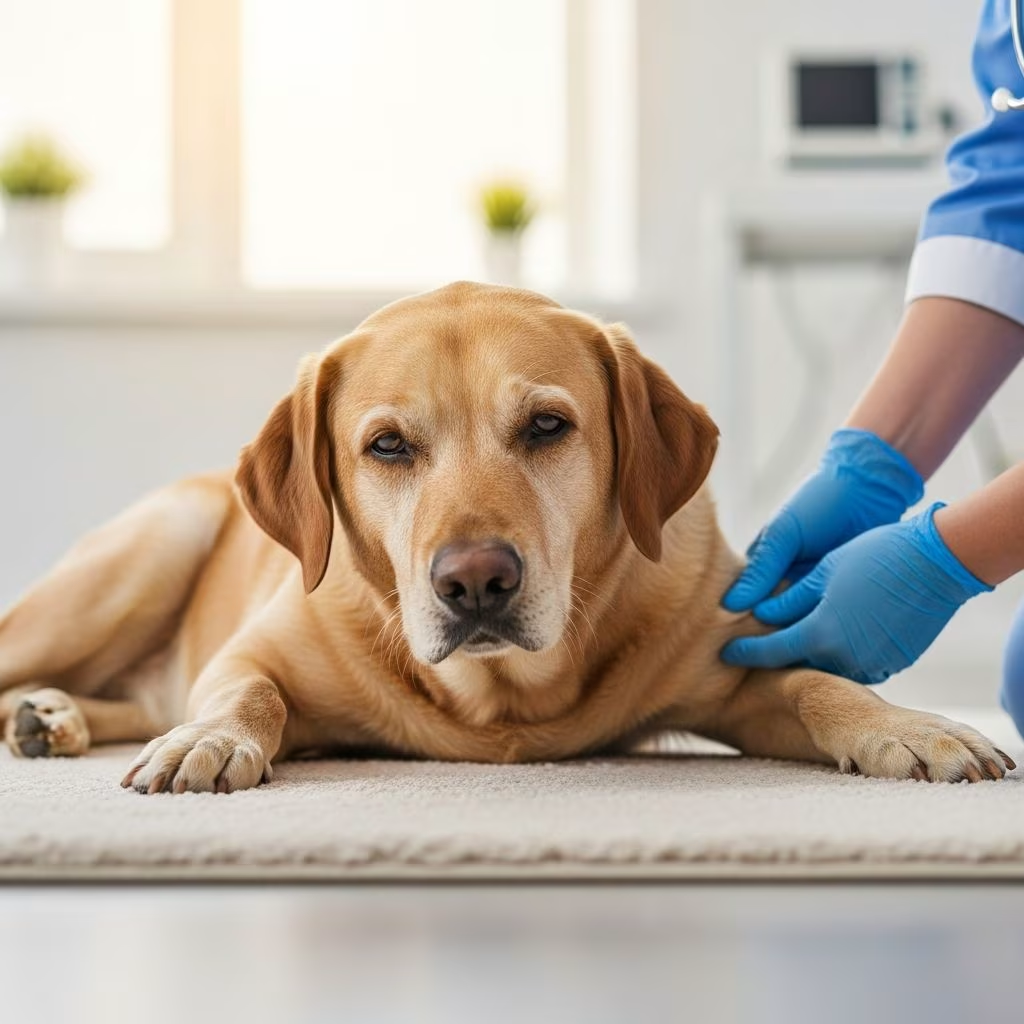
The musculoskeletal system in dogs comprises bones, joints, muscles, tendons, and ligaments, all working together to enable movement, support the body, and maintain stability. When problems arise in this system, they can significantly impact a dog’s quality of life, leading to pain, reduced mobility, and difficulty performing everyday activities. These disorders are among the most frequent health concerns in canines, particularly in larger breeds, active working dogs, and seniors. Early recognition of signs like limping, stiffness, or swelling is crucial for timely intervention, which often leads to better outcomes.
Recognizing Symptoms of Musculoskeletal Problems
Dogs with musculoskeletal issues often display noticeable changes in behavior and gait. Common indicators include:
- Lameness or limping: Favoring one leg over others, which may worsen after exercise or rest.
- Joint swelling or warmth: Visible puffiness around knees, hips, or elbows.
- Stiffness: Reluctance to rise, climb stairs, or jump.
- Pain responses: Whining, yelping when touched, or aggression during handling.
- Weakness or fatigue: Reduced endurance during play or walks.
These symptoms can stem from acute injuries or chronic degeneration. Observing patterns, such as morning stiffness that improves with movement, helps differentiate issues like arthritis from sudden traumas like fractures.
Primary Causes Behind These Disorders
Musculoskeletal problems in dogs arise from diverse origins, including genetics, trauma, nutrition, infections, and aging. Understanding these helps in prevention and management.
Genetic and Developmental Factors
Many large breeds inherit predispositions to joint malformations. Rapid growth in puppies, especially if fueled by high-protein diets or excessive exercise, disrupts normal bone and cartilage development. Imbalances in calcium, phosphorus, or trace minerals like zinc and copper during growth phases can weaken bones.
Trauma and Overuse Injuries
Active dogs, such as herding or sporting breeds, face higher risks from falls, twists, or repetitive stress. Tendons and ligaments, with limited blood supply, heal slowly and remain vulnerable to re-injury.
Age-Related Degeneration
As dogs age, cartilage wears down, leading to inflammation and pain. Metabolic issues, hormonal imbalances, or toxins can exacerbate muscle and bone decline.
Infectious and Inflammatory Triggers
Bacterial infections can erode bone tissue, while autoimmune conditions attack muscle fibers, causing weakness.
Common Musculoskeletal Conditions in Canines
Several disorders dominate veterinary visits for mobility issues. Here’s an overview of the most prevalent ones.
Osteoarthritis: The Wear-and-Tear Disease
Osteoarthritis involves cartilage breakdown in joints, common in older dogs but also seen in young giants due to rapid growth. Symptoms include chronic pain, reduced joint fluid, and bone spurs. Anti-inflammatory drugs, joint supplements, weight control, and physical therapy form the mainstay of treatment. In advanced cases, surgery may realign joints.
Cranial Cruciate Ligament Rupture
This knee stabilizer tear affects many large breeds, causing hind leg instability, swelling, and a ‘toeing-in’ stance. Partial tears may respond to rest and meds, but full ruptures often require surgical stabilization like tibial plateau leveling osteotomy.
Patellar Luxation: The Slipping Kneecap
The kneecap dislocates from its groove, leading to skipping gaits and arthritis over time. Mild cases are managed conservatively, while severe ones need surgical deepening of the groove.
| Condition | Affected Area | Breeds at Risk | Treatment Options |
|---|---|---|---|
| Hip Dysplasia | Hips | Labradors, German Shepherds | Medications, surgery (e.g., hip replacement) |
| Elbow Dysplasia | Elbows | Rottweilers, Bernese Mountain Dogs | Arthroscopy, joint supplements |
| Patellar Luxation | Knees | Small breeds like Pomeranians | Conservative care or trochlear surgery |
Hip and Elbow Dysplasia
These developmental anomalies cause malformed ball-and-socket joints, leading to lameness and osteoarthritis. Genetic screening in breeding stock is key to prevention. Treatments range from pain relief to advanced surgeries like total joint replacements.
Osteochondrosis and Myopathies
Osteochondrosis features cartilage flaps in young dogs’ shoulders or knees, causing lameness. Myopathies, affecting muscle fibers, include inflammatory polymyositis diagnosed via blood tests.
Diagnostic Approaches for Accurate Identification
Veterinarians employ a multi-step process:
- Physical Exam: Gait analysis, joint palpation, and range-of-motion tests.
- Imaging: X-rays for fractures/dysplasia, ultrasound for soft tissues, CT/MRI for complex cases.
- Laboratory Tests: Blood work for inflammation markers, muscle enzyme levels for myopathies.
- Advanced Techniques: Arthroscopy for joint inspection.
Early diagnosis via routine checkups in growing or senior dogs improves prognosis.
Treatment Strategies: From Conservative to Surgical
Tailored plans address pain, inflammation, and underlying causes.
- Medications: NSAIDs for pain/inflammation, analgesics as needed.
- Physical Rehabilitation: Hydrotherapy, laser therapy to build strength and mobility.
- Nutritional Support: Diets rich in omega-3s, glucosamine for joint health.
- Surgical Interventions: Fracture repairs, ligament reconstructions, joint replacements.
Post-treatment rehab ensures optimal recovery, with patience vital for tendon healing.
Preventive Measures for Lifelong Mobility
Proactive steps reduce risks:
- Puppy nutrition: Balanced diets avoiding excess calories/protein.
- Controlled exercise: Avoid high-impact activities in growing dogs.
- Weight management: Obesity strains joints.
- Regular vet checks: Screen for genetic issues.
- Supplements: Joint protectants for at-risk breeds.
Breeding from health-tested parents minimizes hereditary disorders.
FAQs on Dog Musculoskeletal Health
What breeds are prone to hip dysplasia?
Common in German Shepherds, Golden Retrievers, and Labrador Retrievers due to genetics.
Can arthritis be reversed in dogs?
No, but symptoms can be managed effectively with multimodal therapy.
How long does cruciate ligament surgery recovery take?
Typically 8-12 weeks with strict rest and rehab.
Is physical therapy useful for muscle disorders?
Yes, it enhances strength and flexibility in myopathies.
Can diet prevent bone issues in puppies?
Yes, proper mineral balance supports healthy development.
Advances in Veterinary Care
Recent innovations include regenerative stem cell therapies, minimally invasive arthroscopy, and custom 3D-printed implants for dysplasia. Pain management guidelines emphasize multimodal approaches for chronic cases. These advancements allow many dogs to regain near-normal function.
Maintaining your dog’s musculoskeletal health requires vigilance and collaboration with vets. With prompt care, most issues are manageable, ensuring active, pain-free years.
References
- Most Common Musculoskeletal Disorders in Dogs — Port Kennedy Veterinary Clinic. 2023. https://portkennedyvet.com.au/most-common-musculoskeletal-disorders-in-dogs/
- Overview of Musculoskeletal Disorders and Diseases in Dogs — MSD Veterinary Manual, Stephen B. Adams, DVM, DACVS. 2023. https://www.msdvetmanual.com/dog-owners/bone-joint-and-muscle-disorders-of-dogs/overview-of-musculoskeletal-disorders-and-diseases-in-dogs
- Overview of Musculoskeletal Disorders and Diseases in Dogs — Merck Veterinary Manual, Stephen B. Adams, DVM, DACVS. 2023. https://www.merckvetmanual.com/dog-owners/bone-joint-and-muscle-disorders-of-dogs/overview-of-musculoskeletal-disorders-and-diseases-in-dogs
- New BSAVA Manual of Canine and Feline Musculoskeletal Disorders — British Small Animal Veterinary Association (BSAVA). 2023. https://www.bsava.com/article/new-bsava-manual-of-canine-and-feline-musculoskeletal-disorders-out-now/
- 2022 AAHA Pain Management Guidelines for Dogs and Cats — American Animal Hospital Association (AAHA). 2022-06-06. https://www.aaha.org/wp-content/uploads/2022/02/2022-aaha-pain-management-guidelines-for-dog-and-cats_updated_060622.pdf



