

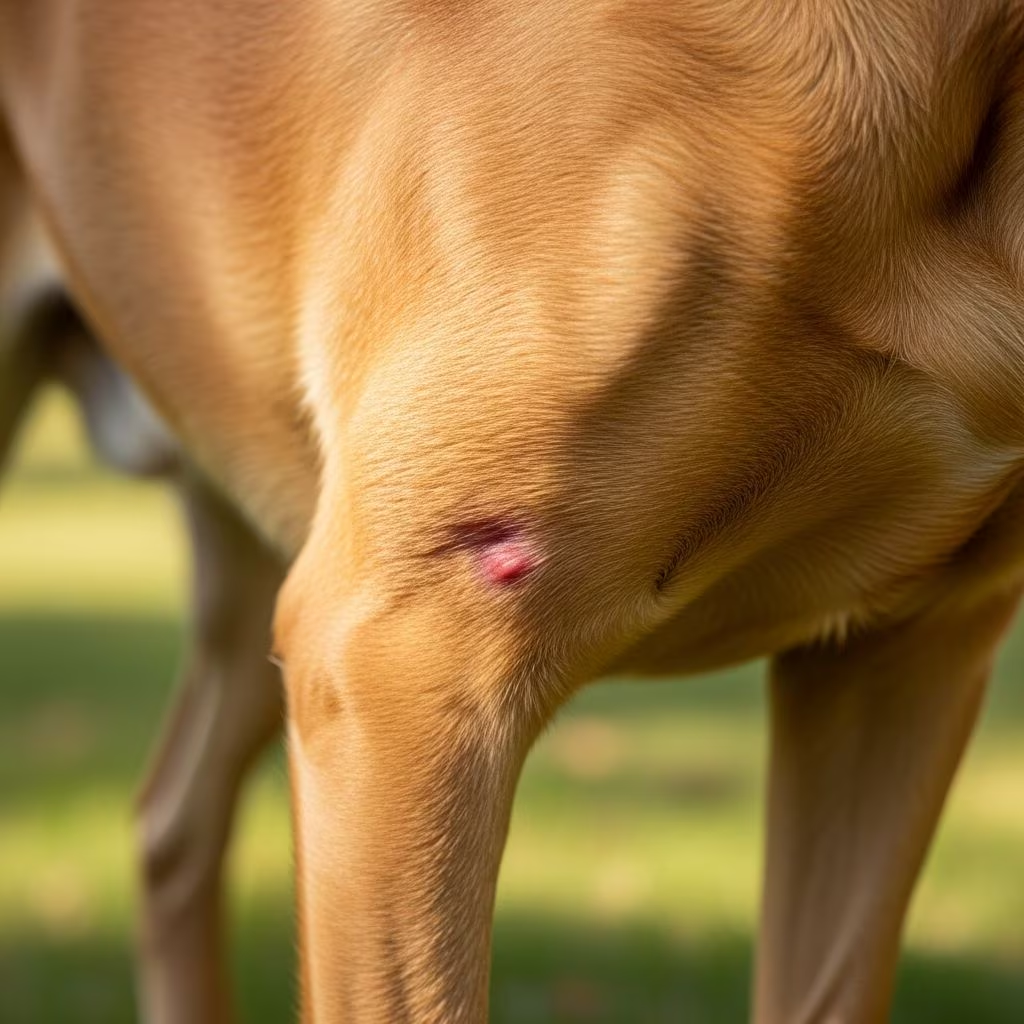
Understanding Muscle Tears in Dogs
Muscle tears are a common injury affecting dogs of all ages and activity levels. These injuries can range from minor partial tears to severe complete ruptures that compromise a dog’s mobility and quality of life. Unlike superficial wounds, muscle tears are internal injuries that may not be immediately visible, making it essential for dog owners to recognize the warning signs and seek prompt veterinary care. Whether your dog is an active athlete or a sedentary companion, understanding muscle tears will help you provide appropriate care and support during the healing process.
What Are Muscle Tears?
A muscle tear occurs when muscle fibers are stretched beyond their capacity or forcefully ruptured, creating partial or complete discontinuities within the muscle tissue. These injuries typically result from acute trauma, sudden exertion, or gradual overuse. Muscle tears differ from strains, though the terms are sometimes used interchangeably. Strains refer to the stretching or partial tearing of muscle fibers, while tears specifically indicate disruption of the muscle structure. Complete tears, also known as ruptures, involve a full severance of muscle fibers and require immediate medical attention.
Recognizing Symptoms of Muscle Tears
The symptoms of muscle tears in dogs vary depending on the severity and location of the injury. Early recognition of these signs allows for prompt intervention and better recovery outcomes. Dog owners should remain vigilant for the following indicators:
- Pain when the affected area is touched or manipulated
- Limping or reluctance to bear weight on the injured limb
- Visible swelling of the muscle
- Bruising in and around the painful area
- Abnormal limb stance, such as the hock resting on the ground
- Reduced activity or reluctance to exercise
- Favoring one limb over others
- Altered gait or movement patterns
It is important to note that muscle tears are internal injuries and may not always be easily visible externally. Mild tears can be particularly challenging to detect, as symptoms may be subtle. If you notice your dog favoring one leg, run your hands over all parts of the affected limb to check for swelling. Swelling from a muscle tear typically feels firmer and warmer than surrounding areas, and your dog may flinch when you touch the injured region.
Common Causes of Muscle Tears
Understanding what causes muscle tears can help dog owners prevent these injuries. Several factors contribute to the development of muscle tears in canines:
- Lack of warm-up before exercise or vigorous activity
- Excessive force applied to muscles, particularly the iliopsoas muscle
- Intensive agility training without proper conditioning
- Traumatic occurrences such as slipping or falling into a splayed leg position
- Sudden acceleration or deceleration during play or running
- Jumping from heights or onto surfaces
- Motor vehicle accidents or other acute trauma
- Overexertion in unfit dogs
Diagnostic Methods for Muscle Tears
Veterinarians employ multiple diagnostic tools to accurately identify and assess muscle tears in dogs. A comprehensive evaluation helps determine the severity of the injury and guide appropriate treatment decisions.
Blood Work
Blood tests can reveal elevated levels of specific enzymes, particularly creatine phosphokinase, which supports the diagnosis of a torn muscle. Elevated enzyme levels indicate muscle damage and help confirm suspicions of muscle injury.
X-Ray Imaging
X-rays allow veterinarians to visualize the soft tissue and bone within the injured area. Some tears cause fragments of bone to pull away from the main bone structure. Other types of tears may result in bony calcifications where the tendon attaches to the bone. X-rays can also reveal areas of soft tissue swelling within the affected region.
Ultrasound
Ultrasound is the most common diagnostic tool for muscle tears because it clearly shows lesions on the muscle or tendon and provides visualization of swelling and hemorrhaging. This non-invasive imaging method is also cost-effective and allows veterinarians to easily perform repeat imaging during follow-up visits to monitor recovery progress.
CT or MRI Scans
Computed tomography (CT) and magnetic resonance imaging (MRI) scans provide the highest level of diagnostic detail, offering computerized 360-degree views of your dog’s anatomical structures. While regular veterinary clinics may not have this specialized imaging equipment, your veterinarian can refer you to a specialty clinic equipped with these advanced diagnostic tools.
Treatment Options for Muscle Tears
Treatment approaches for muscle tears depend on the severity of the injury. Partial tears and complete tears require different management strategies to ensure optimal healing and functional recovery.
Partial Muscle Tear Treatment
Supportive care for partial muscle tears focuses on controlling pain and inflammation while promoting healing through rest and controlled rehabilitation:
- Immediate rest and restriction from strenuous activity
- Nonsteroidal anti-inflammatory (NSAID) medications to reduce pain and swelling
- Cold compress application to decrease inflammation
- Mild compression bandages to alleviate swelling, depending on the muscle involved
- Passive physical therapy to prevent complications during the healing phase
- Short leash walks after veterinary clearance, avoiding running or jumping
Many partial tears can develop fibrous scar tissue and heal themselves with supportive care and rest. After one week of therapy and veterinary clearance, dogs may engage in restricted and carefully controlled exercise, such as short leash walks with no access to dog parks or uncontrolled running.
Complete Muscle Tear Treatment
Complete muscle tears require surgical intervention for dogs to regain full function. Surgery is typically performed a few days after the injury occurs, allowing time for swelling and inflammation to subside. After surgery, dogs undergo passive physical therapy followed by at least one month of strictly controlled exercise to ensure proper healing and prevent further injury. Without surgical correction, complete tears will never heal back to normal and may cause additional problems if the severed muscle end develops scar tissue that attaches to surrounding tissues, disrupting normal muscle function.
Pain Management
Effective pain management is crucial throughout the recovery process. In addition to NSAIDs, veterinarians may prescribe muscle relaxants such as methocarbamol and nerve-pain medications such as gabapentin to keep dogs comfortable during healing. Even when dogs appear fine with these medications, strict adherence to rehabilitation restrictions remains essential, as medications mask the underlying problem to some extent. Acupuncture may also be recommended for pain control.
Physical Therapy and Rehabilitation
Physical therapy plays a vital role in recovery from muscle tears. Therapists and veterinarians may recommend various rehabilitation techniques including underwater or land treadmill walking, balancing exercises on balls or boards, and therapeutic massage. In the first 48 hours following injury, rest from strenuous activity is important; however, research demonstrates that frequent, low-grade, pain-free muscle activation improves recovery and reduces complications. Cold therapy may be applied every two hours to reduce swelling, inflammation, and pain.
Advanced Treatment Options
For chronic or recurrent muscle injuries, additional treatment options may be beneficial. Extracorporeal shock wave therapy can break down tendinous scar tissue, while cold laser therapy aims to decrease inflammation and pain. Joint health supplements may help slow cartilage breakdown following injury to protect joints.
Recovery Timeline and Management
Recovery duration depends on several factors, including which muscle is torn, its location, and the type of tear sustained. Tears involving tendons and ligaments require longer healing periods because these tissues have lower blood flow and heal more slowly than muscle tissue alone. A mild partial tear may take only a few weeks to return to normal function, while a complete tear requiring surgery may take several months.
Restricted activity is key to successful recovery. After the initial rest period to allow swelling, pain, and inflammation to subside, carefully controlled activity becomes important. Complete inactivity and immobilization of a muscle or group of muscles can lead to permanent muscle contraction, where muscles become pulled tight and remain fixed in that state. A permanently contracted muscle cannot function normally, and the limb becomes stiff and unable to move. Therefore, controlled exercise is extremely important throughout recovery.
Preventing Future Muscle Tears
While not all muscle tears can be prevented, certain practices can reduce the risk of injury in your dog:
- Always warm up your dog before vigorous exercise or athletic activities
- Gradually increase exercise intensity and duration
- Maintain appropriate weight to reduce stress on muscles and joints
- Provide proper conditioning for dogs engaged in agility or sport activities
- Avoid sudden changes in activity level
- Ensure your dog has access to clean water and appropriate rest periods
- Consider braces or supports for dogs prone to repeated injury
Special Considerations for Iliopsoas Injuries
The iliopsoas muscle, located in the hind leg, is particularly susceptible to injury, especially in active dogs. Dogs with iliopsoas injuries may show barely noticeable rear pain and may appear to slow down for no apparent reason. Chronic iliopsoas strains may benefit from heat therapy and therapeutic ultrasound. If a dog continually injures their iliopsoas and never improves, surgical intervention called a tenectomy may help relieve pain. This procedure involves cutting the tendon where it attaches to the femur. Most dogs will not return to their former athletic status following tenectomy, but the surgery can relieve chronic pain significantly.
Frequently Asked Questions About Muscle Tears in Dogs
Q: Can muscle tears in dogs heal on their own?
A: With supportive care and rest, many partial tears can develop fibrous scar tissue and heal themselves. However, complete tears will never heal back to normal on their own and require surgical intervention for proper recovery and full function restoration.
Q: How long does it take for a dog muscle tear to heal?
A: Recovery duration varies based on the tear severity and location. Mild partial tears may heal in a few weeks, while complete tears requiring surgery can take several months. Tears involving tendons and ligaments require even longer healing periods due to lower blood flow in these areas.
Q: What should I do immediately after my dog sustains a muscle tear?
A: Contact your veterinarian immediately for evaluation. In the meantime, restrict your dog’s activity, apply ice packs for 10-15 minutes, and avoid any strenuous exercise. Your veterinarian will determine the appropriate course of treatment.
Q: Is surgery always necessary for muscle tears in dogs?
A: Surgery is necessary for complete muscle tears to restore full function. Partial tears can often be managed with conservative treatment including rest, anti-inflammatory medication, and physical therapy.
Q: Can I use a heating pad on my dog’s muscle tear?
A: Use low heat with a barrier between the heating pad and your dog’s skin. Heat therapy can increase blood flow and promote healing, but always consult your veterinarian before applying heat to an injured area, especially during the initial inflammatory phase when cold therapy may be more appropriate.
Q: What role does physical therapy play in recovery?
A: Physical therapy is vital for recovery, helping prevent permanent muscle contraction and maintaining joint mobility. Therapies may include underwater treadmill walking, passive range-of-motion exercises, and therapeutic massage guided by your veterinarian or certified veterinary rehabilitation therapist.
References
- Muscle Rupture in Dogs — PetMD. Accessed November 2025. https://www.petmd.com/dog/conditions/musculoskeletal/c_dg_muscle_rupture
- Sprains and Strains in Dogs — PetMD. Accessed November 2025. https://www.petmd.com/dog/conditions/musculoskeletal/sprains-and-strains-dogs
- Muscle Tear in Dogs – Symptoms, Causes, Diagnosis, Treatment — Wag Walking. Accessed November 2025. https://wagwalking.com/condition/muscle-tear
- Iliopsoas Injury — Cornell University College of Veterinary Medicine. Accessed November 2025. https://www.vet.cornell.edu/departments-centers-and-institutes/riney-canine-health-center/canine-health-topics/iliopsoas-injury
- Muscular Injuries in Dogs and Cats — SASH Vets. Accessed November 2025. https://sashvets.com/vet-resources/muscular-injuries-in-dogs-and-cats/
- Strains and Sprains Spell Pain for Dogs — WebMD Pets. Accessed November 2025. https://www.webmd.com/pets/dogs/dog-sprains-strains



