

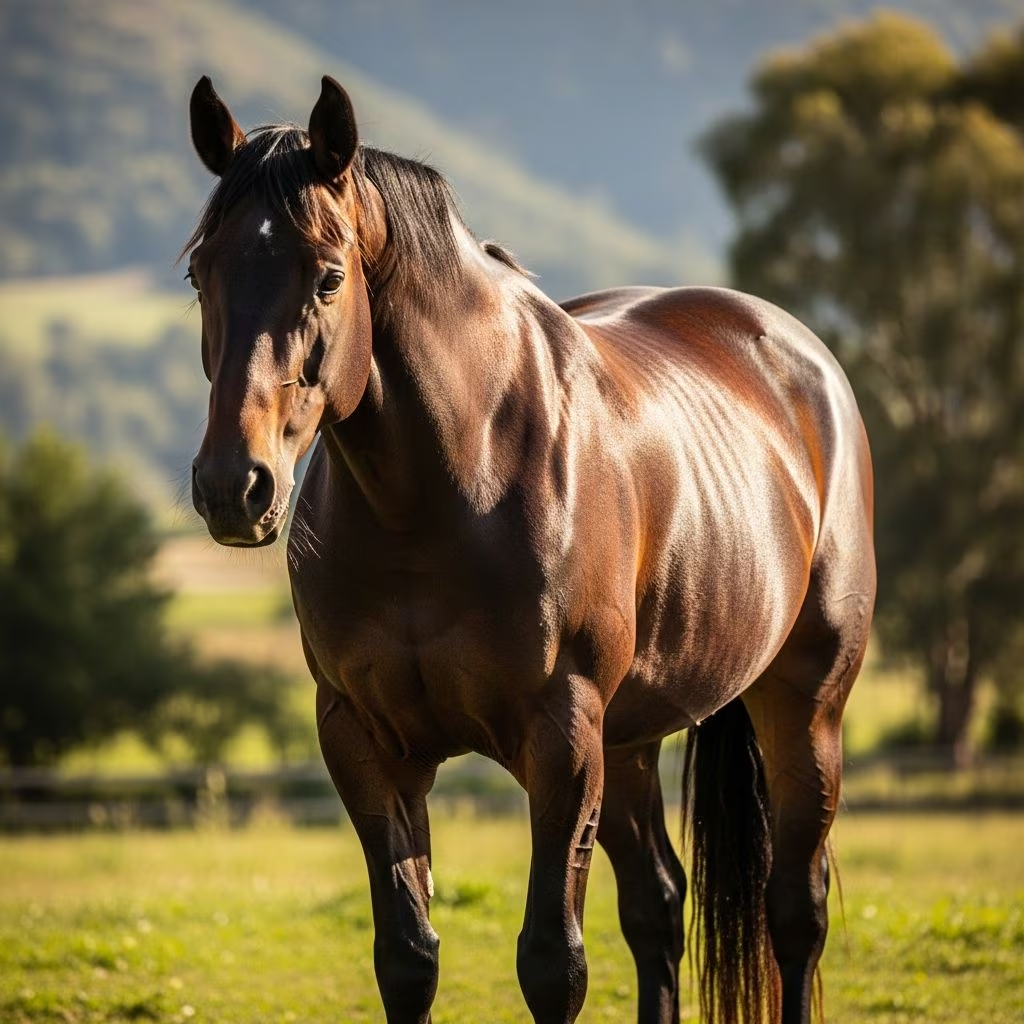
Muscle cramping in horses, commonly known as “tying-up,” represents a significant welfare and performance issue in equine medicine, characterized by painful, sustained contractions of skeletal muscles that impair movement and cause distress.
Recognizing the Signs of Muscle Distress
Horses affected by muscle cramping often display a range of visible symptoms that signal an acute episode. These include reluctance to move, stiffness in the hindquarters, and firm, painful muscles particularly in the gluteal and lumbar regions. During severe incidents, animals may exhibit excessive sweating, rapid shallow breathing, elevated heart rates, and even colic-like behaviors such as pawing or rolling.
- Sudden immobility: The horse stands rigidly, refusing to walk or trot.
- Muscle firmness: Palpation reveals hard, tense areas in the back, hips, and thighs.
- Altered gait: Short, stilted strides that improve slightly with rest but recur with activity.
- Dark urine: In intense cases, myoglobin release causes reddish-brown discoloration, posing kidney risks.
These manifestations typically emerge shortly after exercise onset or completion, distinguishing them from general fatigue. Mild episodes might resolve with rest, but chronic occurrences demand veterinary intervention.
Primary Causes Behind Equine Muscle Cramps
Muscle cramping arises from disruptions in normal muscle physiology, where contractions fail to relax properly, leading to tissue damage known as rhabdomyolysis. This condition spans sporadic and chronic forms, each with distinct triggers.
Sporadic Tying-Up Episodes
Acute, one-off cramping often stems from overexertion in unfit horses, electrolyte imbalances during hot weather, or dehydration from prolonged sweating. Endurance rides or speed work without adequate conditioning frequently precipitate these events, as muscles exceed their energy capacity, causing lactic acid buildup and Z-line tears.
Chronic Muscle Disorders
Recurring cramps point to underlying pathologies like recurrent exertional rhabdomyolysis (RER) and polysaccharide storage myopathy (PSSM). RER involves faulty calcium regulation within muscle cells, preventing relaxation and linked to stress-sensitive breeds like Thoroughbreds. PSSM features excessive glycogen storage in muscles due to genetic mutations, starving fibers during work and affecting Quarter Horses predominantly. Other contributors include viral infections like equine influenza, which exacerbate muscle breakdown during fever.
| Condition | Key Triggers | Affected Breeds |
|---|---|---|
| Sporadic ER | Overexercise, electrolytes loss | All breeds |
| RER | Calcium dysregulation, stress | Thoroughbreds, Arabians |
| PSSM | Glycogen accumulation | Quarter Horses, Morgans |
Factors Increasing Susceptibility
Certain elements heighten a horse’s vulnerability to cramping. Fillies and young mares show higher RER incidence due to hormonal influences. Dietary excesses in carbohydrates or deficiencies in vitamin E and selenium promote oxidative damage. Environmental stressors like heat, humidity, or irregular routines further compound risks. Genetic predispositions in light breeds such as Arabians and Morgans amplify chronic forms.
- Unfit conditioning before intense workouts.
- High-grain diets disrupting muscle metabolism.
- Concurrent illnesses weakening muscle integrity.
Diagnostic Approaches for Accurate Identification
Confirming muscle cramping requires a multifaceted evaluation. History of exercise patterns and symptoms guides initial assessment, followed by physical exams revealing painful, firm muscles. Blood tests measure elevations in creatine kinase (CK), aspartate aminotransferase (AST), and lactate dehydrogenase (LDH), with CK rising first and clearing last, indicating return-to-work timelines.
Urinalysis detects myoglobinuria, while muscle biopsies uncover PSSM glycogen deposits or RER calcium issues. Advanced imaging like scintigraphy highlights damaged gluteal and hamstring muscles symmetrically. Genetic testing confirms heritable mutations in susceptible breeds.
Immediate and Long-Term Treatment Strategies
Upon suspicion, halt exercise immediately and stall the horse with ample water, dry hay, and soft bedding to minimize anxiety. Pain relief via non-steroidal anti-inflammatories (NSAIDs) and muscle relaxants like acepromazine aids recovery, alongside IV fluids correcting dehydration and electrolytes. Most resolve within 24-48 hours, but severe myoglobinuria necessitates urinary alkalinization to protect kidneys.
For chronic cases, management tailors to the diagnosis: low-starch diets for PSSM, gradual conditioning for RER, and supplements like vitamin E (2-5 IU/kg daily) proven effective in trials. Tranquilizers reduce stress triggers, and controlled warm-ups prevent sporadic episodes.
Prevention: Proactive Measures for Muscle Health
Avoiding cramps hinges on balanced training, nutrition, and monitoring. Implement progressive fitness programs, starting with 20-30 minute sessions building to intensity over weeks. Feed fat-supplemented, low-starch rations (15-20% NSC max) to spare glycogen. Ensure electrolyte provision during sweat-heavy conditions, and maintain consistent routines to avert stress.
Regular blood enzyme checks post-episode track progress, and genetic screening informs breeding decisions. Warm-ups lasting 15-20 minutes with lunging reduce acute risks.
FAQs on Horse Muscle Cramping
What does tying-up look like in horses?
Horses appear stiff, sweaty, and unwilling to move, with hard hindquarter muscles and possible dark urine.
Can muscle cramps be fatal?
Rarely, if untreated severe rhabdomyolysis leads to kidney failure from myoglobin toxicity.
How long does recovery take?
Mild cases improve in hours; chronic management spans weeks with enzyme normalization guiding return to work.
Is tying-up hereditary?
Yes, RER and PSSM often involve genetic factors, especially in certain breeds.
What diet prevents cramping?
Low non-structural carbohydrates, high fat, and antioxidants like vitamin E and selenium.
Advancements in Equine Muscle Research
Ongoing studies elucidate genetic markers for PSSM1 and PSSM2, enabling targeted therapies. Vaccine developments against viral triggers and novel calcium channel modulators promise better RER control. Precision nutrition apps now tailor feeds via enzyme profiles, enhancing prevention.
In summary, vigilance, science-based care, and tailored strategies mitigate muscle cramping, ensuring equine athletes thrive.
References
- Tying Up Muscle Twitching and Cramping in Horses — Vetster. 2023. https://vetster.com/en/symptoms/horse/tying-up-muscle-twitching-and-cramping
- Clinical signs of muscle disease — University of Minnesota College of Veterinary Medicine. 2024. https://vetmed.umn.edu/equine/research/equine-genetics-and-genomics-laboratory/projects/genetic-muscle-disease-horses/clinical-signs-muscle-disease
- Tying-Up in Horses — Rutgers Equine Science Center. 2023. https://esc.rutgers.edu/fact_sheet/5531/
- Multiple Causes for Muscle Problems in the Exercising Horse — Kentucky Equine Research. 2024. https://ker.com/equinews/multiple-causes-muscle-problems-exercising-horse/
- A Closer Look at Equine Muscle Spasms and How to Aid Your Horse — Poll to Pastern. 2023. https://www.polltopastern.com/post/tying-up-in-horses-management-and-prevention
- Muscle Disorders in Horses — Merck Veterinary Manual. 2025. https://www.merckvetmanual.com/horse-owners/bone-joint-and-muscle-disorders-in-horses/muscle-disorders-in-horses



