

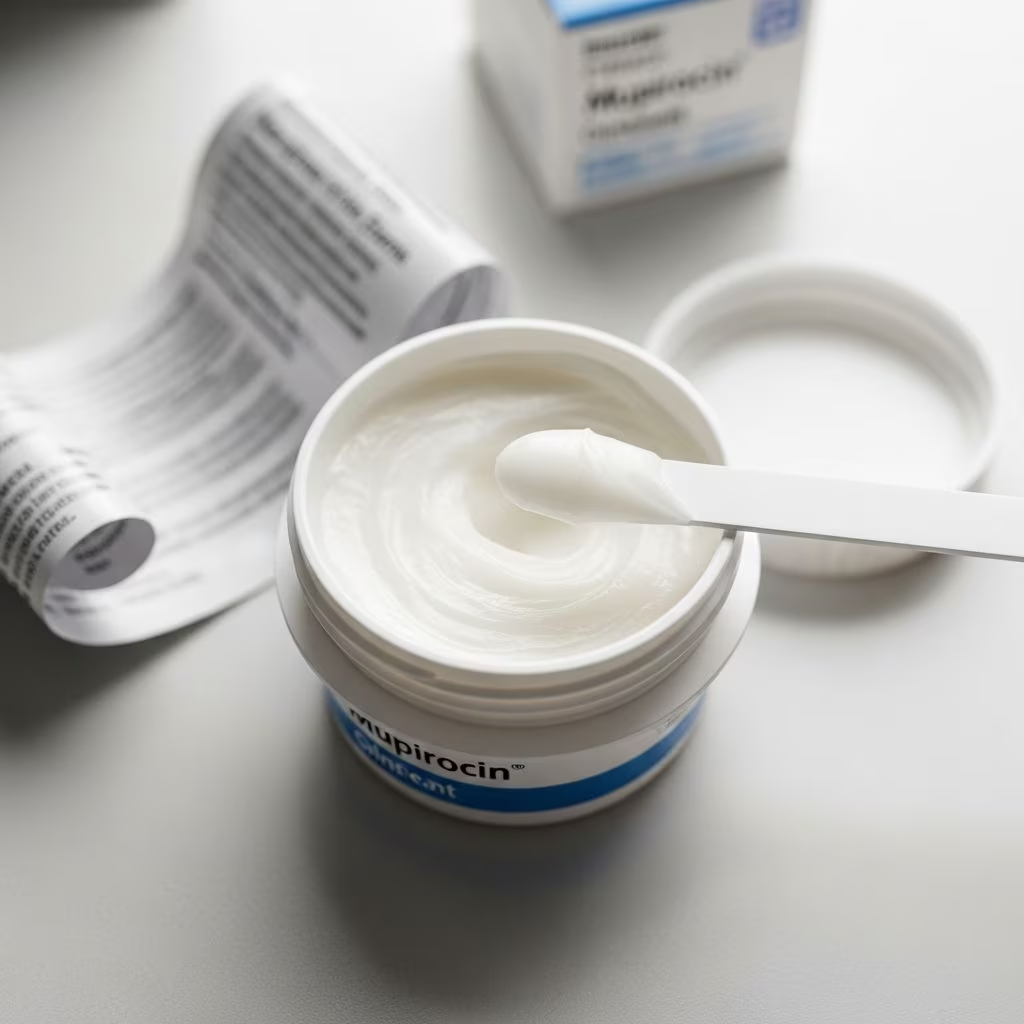
Understanding Mupirocin Topical for Dogs
Mupirocin is a topical antibiotic ointment that plays an important role in treating bacterial skin infections in dogs. As a prescription medication, it offers veterinarians an effective option for addressing various dermatological conditions in canine patients. This comprehensive guide explores everything pet owners need to know about mupirocin topical, from its mechanism of action to proper application techniques and potential side effects.
The medication is commonly known by several brand names, including Bactroban and Muricin, and has been FDA-approved for use in dogs. Its significance in veterinary dermatology has grown, particularly in cases where bacterial infections prove resistant to other antibiotic treatments. Understanding how this medication works and how to use it correctly ensures optimal treatment outcomes for your dog’s skin health.
What Is Mupirocin and How Does It Work?
Mupirocin is a topical antibiotic classified as pseudomonic acid A, designed specifically to target bacterial infections on the skin’s surface. The medication functions through a unique mechanism that distinguishes it from other antibiotics. Rather than killing bacteria directly through conventional means, mupirocin inhibits the bacteria’s ability to synthesize essential proteins required for survival and reproduction.
The drug works by blocking the bacterial enzyme responsible for protein synthesis, effectively preventing the microorganisms from multiplying and spreading. This mechanism makes it particularly valuable for treating infections caused by resistant bacterial strains that may not respond to systemic antibiotics. Because mupirocin operates primarily on the skin’s surface and doesn’t significantly affect the body’s internal systems, it offers a localized treatment approach with minimal systemic side effects.
Common Uses of Mupirocin Topical in Dogs
Veterinarians prescribe mupirocin topical for treating various bacterial skin conditions in dogs. The medication is particularly effective against Staphylococcus species, which are among the most common bacterial culprits in canine skin infections. Understanding the specific conditions mupirocin addresses helps pet owners recognize when their veterinarian might recommend this treatment.
Pyoderma and Skin Infections
Pyoderma represents one of the primary conditions treated with mupirocin. This bacterial skin infection causes visible redness, inflammation, and discomfort. Mupirocin effectively targets and eliminates the bacteria responsible for pyoderma, helping alleviate itching, reducing inflammation, and promoting faster healing. The medication can address both superficial pyoderma and more complex cases where resistance to other antibiotics has developed.
Hot Spots and Acute Moist Dermatitis
Hot spots, clinically known as acute moist dermatitis, are localized areas of inflamed and infected skin that develop rapidly and cause significant discomfort. These conditions often result from bacterial overgrowth triggered by moisture, friction, or self-trauma from excessive licking or scratching. Mupirocin ointment effectively eliminates the bacterial overgrowth contributing to hot spots while the ointment base itself provides a protective barrier that reduces irritation and promotes healing.
Superficial Wounds and Minor Injuries
Mupirocin is suitable for treating minor cuts, abrasions, and scratches that risk becoming infected. When applied to superficial wounds, the ointment creates a barrier against harmful bacteria while promoting natural healing processes. This preventative approach helps reduce the risk of wound complications and ensures proper wound recovery without progressing to more serious infections.
Interdigital Cysts
Interdigital cysts are fluid-filled lumps that develop between a dog’s toes, often accompanied by bacterial infection and inflammation. These painful conditions benefit from mupirocin treatment, as the antibiotic addresses the underlying bacterial component while the ointment base provides comfort and protection to the sensitive area between the toes.
Resistant Bacterial Infections
Perhaps most importantly, mupirocin serves as an excellent option when dogs suffer from antibiotic-resistant bacterial infections. When infections fail to respond to conventional systemic antibiotics, mupirocin’s unique mechanism of action often proves effective, offering hope for dogs with stubborn dermatological conditions that resist standard treatments.
Dosage and Administration Guidelines
Standard Dosage Information
Mupirocin topical comes in a standardized 2% ointment formulation, making dosage calculations straightforward. The medication is typically dispensed in a 15-gram tube, which provides sufficient quantity for treating most skin conditions. Veterinarians determine the exact amount to apply based on the size of the affected area and the severity of the infection.
Application Frequency and Duration
The standard application protocol involves applying mupirocin twice daily, with applications spaced approximately 12 hours apart. Most veterinarians recommend treatment durations ranging from 2 to 4 weeks, though individual cases may require shorter or longer treatment periods based on the condition’s severity and response to treatment. It’s crucial not to exceed 30 days of continuous treatment without veterinary re-evaluation, as prolonged use may lead to bacterial resistance development.
Proper Application Technique
Correct application technique ensures maximum therapeutic benefit from mupirocin. Pet owners should follow these essential steps:
Step 1: Prepare the Area
Clean the affected skin area thoroughly as directed by your veterinarian. Cleansing removes debris, discharge, and excess hair that might interfere with medication absorption. Your veterinarian will provide specific cleaning instructions tailored to your dog’s condition.
Step 2: Apply Appropriate Amount
Apply a thin but complete layer of mupirocin to cover the entire affected area. Using excessive amounts doesn’t improve efficacy and wastes medication. A thin, even coating provides optimal contact between the antibiotic and the infected skin.
Step 3: Allow Contact Time
Allow the ointment to remain undisturbed on the skin for at least 10 to 30 minutes before the dog can lick or groom the area. This contact time is essential for the medication to effectively penetrate the skin and establish proper antibiotic action. Many veterinarians recommend preventing licking for 20 to 30 minutes to ensure sufficient therapeutic contact.
Step 4: Prevent Contamination
If possible, prevent the dog from licking or grooming the treated area during the contact period. Using an Elizabethan collar or keeping the dog occupied during this time helps ensure medication effectiveness.
Important Precautions and Considerations
Eye Safety
Never apply mupirocin close to or around the eyes, as the medication can cause irritation to ocular tissues. If accidental contact occurs, rinse the eye thoroughly with water and contact your veterinarian immediately.
Nursing and Pregnant Dogs
The safety of mupirocin in pregnant or nursing dogs has not been thoroughly determined. While the medication is FDA-approved for general use in dogs, veterinarians typically exercise caution with nursing mothers, as the potential for mupirocin excretion in milk exists. Pet owners with nursing or pregnant dogs should consult their veterinarian before using this medication to weigh the potential benefits against possible risks.
Cross-Species Considerations
While mupirocin is labeled specifically for dogs, veterinarians may prescribe it off-label for other animals in certain situations. However, the safety profile varies by species, and pet owners should never use dog-labeled mupirocin on other animals without explicit veterinary approval.
Potential Side Effects and Safety Profile
Mupirocin demonstrates an excellent safety profile when used as directed, with side effects occurring rarely. The most commonly reported adverse reaction involves localized skin irritation at the application site, which typically manifests as mild redness or slight sensitivity. This irritation usually resolves quickly after discontinuing the medication.
Because mupirocin works topically and doesn’t significantly enter systemic circulation, it avoids many of the side effects associated with oral antibiotics. Gastrointestinal upset, which frequently accompanies systemic antibiotic use, rarely occurs with topical mupirocin application. Additionally, the medication shows no significant interactions with other dog medications, making it a safe option for dogs requiring concurrent treatments for other conditions.
If a dog ingests mupirocin through excessive licking or grooming, mild gastrointestinal symptoms might develop. This risk underscores the importance of preventing licking for the recommended contact period after application. Should ingestion occur, contact your veterinarian or poison control center for guidance.
Drug Interactions and Compatibility
Mupirocin’s topical nature and limited systemic absorption mean it interacts minimally with other medications. Pet owners can safely use mupirocin alongside oral antibiotics, anti-inflammatory medications, and other common dog treatments without concern for harmful interactions. However, veterinarians should always be informed about all medications and supplements your dog receives to ensure comprehensive care coordination.
If your dog is already taking systemic antibiotics, mupirocin can complement this therapy by providing targeted topical treatment. The combination approach often proves more effective than either treatment alone in addressing complex bacterial skin infections.
Storage and Disposal
Proper storage maintains mupirocin’s effectiveness. Store the ointment at room temperature, away from direct sunlight and extreme heat. Keep the tube tightly capped between applications to prevent drying and contamination. Most mupirocin products remain stable for several years when stored properly, though expiration dates should always be observed.
When disposing of unused mupirocin, place it in regular household trash rather than flushing it down the drain. This disposal method prevents environmental contamination and protects water systems. Follow any specific disposal instructions provided with your medication.
When to Contact Your Veterinarian
While mupirocin proves safe for most dogs, certain situations warrant veterinary contact. Reach out to your veterinarian if your dog shows signs of allergic reaction, including facial swelling, difficulty breathing, or severe itching. Additionally, contact your veterinarian if skin conditions worsen after starting treatment, if new lesions develop, or if the infection doesn’t show improvement after 2 to 3 weeks of consistent treatment.
Regular communication with your veterinarian ensures optimal treatment outcomes and allows for medication adjustments if needed. Your veterinarian may recommend repeat examinations to monitor healing progress and determine when treatment can be discontinued.
Frequently Asked Questions About Mupirocin Topical
Q: How quickly does mupirocin work on dog skin infections?
A: Most dogs show visible improvement within 5 to 7 days of consistent mupirocin application when used twice daily as directed. However, complete resolution of bacterial skin infections typically requires the full 2 to 4-week treatment course recommended by veterinarians. Discontinuing treatment early risks incomplete bacterial elimination and potential reinfection.
Q: Can I use human mupirocin (Bactroban) on my dog?
A: While human-labeled mupirocin contains the same active ingredient, veterinary-labeled products like Muricin are formulated specifically for dogs and are the preferred choice. Human formulations may contain different base ingredients that could irritate canine skin or be problematic if ingested. Always use veterinarian-prescribed products labeled for dogs.
Q: What should I do if my dog licks the mupirocin ointment?
A: Occasional licking of small amounts typically causes no serious problems. However, ingestion of large quantities might cause mild gastrointestinal upset. Prevent licking by using an Elizabethan collar, keeping your dog occupied, or preventing access to treated areas for at least 20 to 30 minutes after application to allow proper contact time.
Q: Is mupirocin safe for long-term use in dogs?
A: Mupirocin should not exceed 30 days of continuous use without veterinary re-evaluation. Prolonged use beyond this timeframe increases the risk of bacterial resistance development, which could make the medication less effective in future treatments. Always follow your veterinarian’s treatment recommendations regarding duration.
Q: Can mupirocin be used on dogs with sensitive skin?
A: Mupirocin is generally well-tolerated by dogs with sensitive skin when applied as directed. However, dogs with known allergies or hypersensitivity should be monitored closely during initial treatment. If your dog has a history of skin reactions or allergies, inform your veterinarian before starting mupirocin treatment.
Q: Does mupirocin require a veterinary prescription?
A: Yes, mupirocin is a prescription medication that requires veterinary authorization for dispensing. Your veterinarian must examine your dog, confirm the diagnosis of a bacterial skin infection, and determine that mupirocin is the appropriate treatment before prescribing it.
Q: How should I store mupirocin ointment?
A: Store mupirocin at room temperature, away from direct sunlight and extreme heat. Keep the tube tightly capped between applications to prevent the ointment from drying out or becoming contaminated. Properly stored mupirocin remains effective for several years, but always check the expiration date before use.
Conclusion
Mupirocin topical represents an important tool in veterinary dermatology for treating bacterial skin infections in dogs. Its unique mechanism of action, excellent safety profile, and effectiveness against resistant bacterial strains make it a valuable option when other treatments prove ineffective. By understanding how to properly apply mupirocin, recognizing when to use it, and following your veterinarian’s guidance, pet owners can effectively support their dogs’ skin health and comfort. Always consult your veterinarian with questions about mupirocin treatment or concerns about your dog’s skin condition, ensuring the best possible outcome for your pet’s dermatological care.
References
- Mupirocin for Dogs: Topical Ointment Uses, Dosage, and Side Effects — GoodRx. 2024. https://www.goodrx.com/pet-health/dog/mupirocin-for-dogs
- Mupirocin Ointment: Uses, Side Effects & Safety — Dutch. 2024. https://www.dutch.com/blogs/dogs/mupirocin-ointment-for-dogs
- Mupirocin, Topical — Veterinary Wellness Center of Boerum Hill. 2024. https://boerumhillvet.com/wp-content/uploads/2024/06/Mupirocin-Topical.pdf
- Muricin (mupirocin ointment 2%) — Dechra Veterinary Products. 2024. https://www.dechra-us.com/our-products/us/companion-animal/dog/prescription/muricin-mupirocin-ointment-2
- Label: MURICIN- mupirocin ointment — DailyMed, U.S. National Library of Medicine. 2024. https://dailymed.nlm.nih.gov/dailymed/drugInfo.cfm?setid=ded00eb4-5edb-46d6-9f86-460d9de01d0b
- Mupirocin Topical Ointment, 2% Rx — VetRxDirect. 2024. https://www.vetrxdirect.com/product/view/mupirocin-ointment-for-dermatologic-use-dogs-rx



