

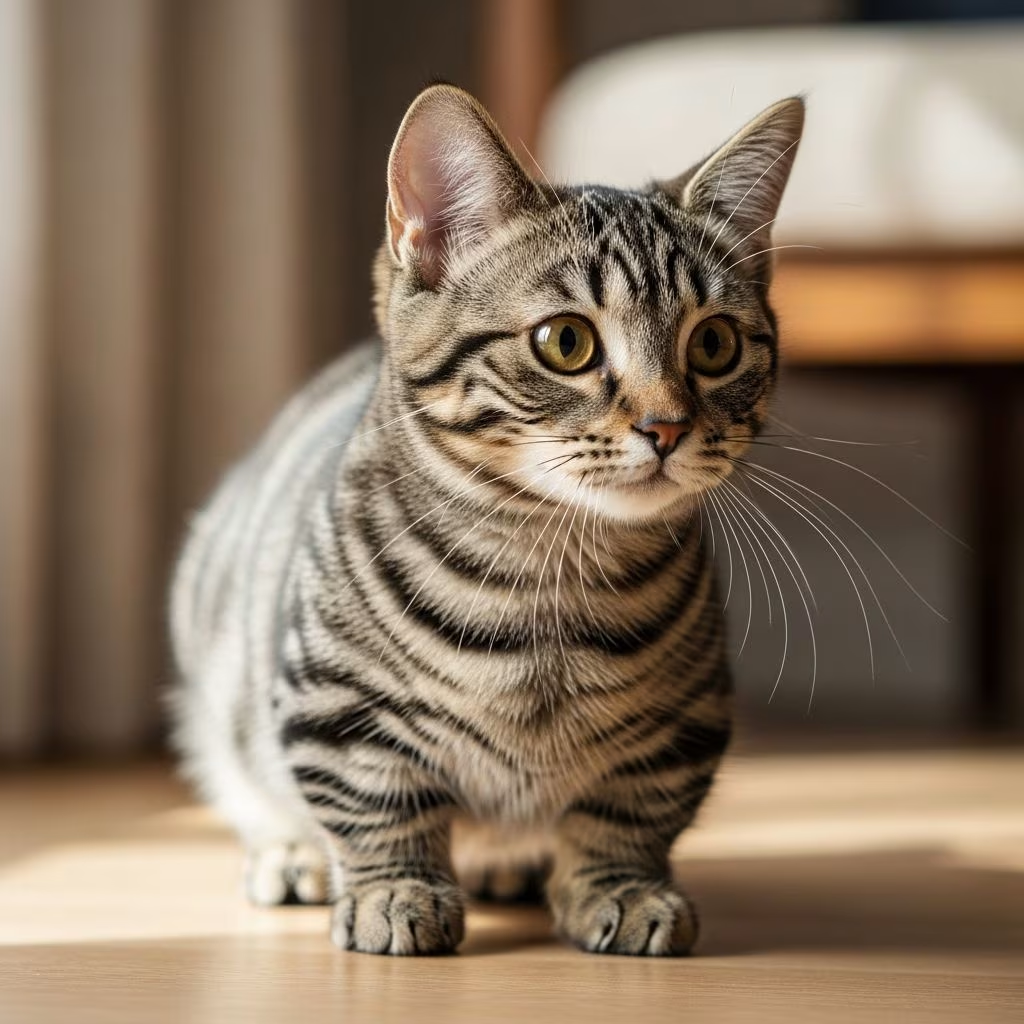
Munchkin tabby cats combine the distinctive short legs of the Munchkin breed with the eye-catching striped or swirled patterns of tabby coats, creating pets that are as endearing as they are unique. These felines, often nicknamed “sausage cats” for their low-slung bodies, bring energy and affection to homes worldwide.
The Origins and Genetic Story Behind Munchkin Tabbies
The Munchkin breed emerged from a spontaneous genetic mutation causing shortened limbs, first noted in the 1980s when a black tabby named Blackberry gave birth to kittens with unusually short legs in Louisiana. Breeders selectively paired these cats with various domestic breeds, including those carrying tabby markings, to establish the Munchkin line while diversifying coat types.
Unlike achondroplastic dwarfism in dogs, the Munchkin mutation affects only the legs, leaving the body proportionally longer. This dominant gene means offspring from Munchkin pairings have a high chance of inheriting short legs, but crossing with non-Munchkins reduces health risks associated with homozygous pairings. Tabby patterns, not a breed but a coat trait, appear frequently in Munchkins due to their mixed heritage, resulting in Munchkin tabbies with classic swirls, mackerel stripes, or spotted designs.
Physical Traits That Define Munchkin Tabby Cats
Munchkin tabby cats stand 5-7 inches tall at the shoulder, with legs about 3 inches shorter than average cats, enabling swift movements and a low center of gravity for nimble turns. Their bodies measure 14-18 inches long, weighing 4-9 pounds, with a flexible spine supporting upright “prairie dog” stances to survey surroundings.
Coats come in short plush or silky longhair varieties, adorned in tabby motifs: brown, gray, orange, or blue bases with bold stripes, spots, or whorls, often featuring an ‘M’ on the forehead. Eyes range from copper to green or blue, complementing alert, medium-sized ears set high on rounded heads. Furnished ear tufts provide insulation, a quirky trait even in shorthairs.
| Feature | Details |
|---|---|
| Height | 5-7 inches (short legs) |
| Weight | 4-9 lbs |
| Coat Patterns | Classic tabby, mackerel, spotted |
| Colors | Brown, gray, ginger, blue |
| Life Span | 12-15 years |
Temperament and Daily Behaviors
These cats burst with playfulness, curiosity, and sociability, thriving on interaction with humans, dogs, and fellow felines. Their intelligence shines in games like hide-and-seek or chasing laser pointers, often standing on hind legs for treats. Despite short legs, they leap adeptly onto furniture, though clumsiness may occur during sharp turns.
Munchkin tabbies vocalize moderately, chirping or meowing for attention, and form strong bonds, disliking prolonged solitude. They suit calm households but may hide from boisterous kids or dominant pets due to their size. Energy peaks in short bursts, making them ideal indoor companions who relish scratching posts and puzzle toys.
- Highly affectionate and people-oriented
- Playful wrestlers with other cats
- Quick hunters of toys and small prey
- Sociable with gentle children and pets
- Curious explorers, prone to mischief
Health Considerations for Munchkin Tabby Owners
While generally robust, Munchkins face elevated risks from their genetics. Lordosis (curved spine), pectus excavatum (sunken chest), and osteoarthritis can develop, especially in homozygous cats, though outcrossing mitigates this. Monitor for mobility issues as they age; provide ramps for high surfaces.
Obesity threatens their joints due to limited reach for food bowls, so maintain ideal weight through measured meals. Regular vet checks catch dental issues or urinary problems common in small breeds. Average lifespan reaches 12-15 years with proper care.
Grooming and Upkeep Essentials
Shorthair Munchkin tabbies need weekly brushing to control medium shedding, while longhairs require more frequent sessions to prevent mats. Bathe monthly if needed, focusing on paw pads that collect litter.
Nail trims biweekly, ear cleaning to avoid wax buildup (noting those tufts), and daily teeth brushing prevent tartar. Litter box access is crucial; elevated designs suit their stature, and self-cleaning options appeal to tidy instincts.
- Brush coat 1-2 times weekly
- Trim claws every 2 weeks
- Clean ears monthly
- Provide shallow litter trays
- Offer joint-supportive diet
Nutrition and Exercise Routines
Feed high-quality, portion-controlled kibble or wet food tailored for small breeds, emphasizing lean proteins, glucosamine for joints, and controlled calories to avert weight gain. Divide into 3-4 meals daily.
Exercise via interactive play: feather wands, balls, or tunnels mimic hunting. Vertical spaces with ramps encourage activity without strain. Aim for 20-30 minutes daily to channel their vigor.
Bringing Home a Munchkin Tabby: Adoption Tips
Seek reputable breeders following ethical practices, avoiding homozygous matings, or opt for rescues via platforms like Petfinder where Munchkin mixes await. Expect $800-$2,000 for pedigreed kittens; health guarantees are key.
Prepare kitten-proofing: secure low shelves from jumping mishaps, multiple litter boxes, and safe toys. Early socialization fosters confidence.
Fun Facts About Munchkin Tabby Cats
- Recognized by TICA since 1995, yet controversial in some feline registries.
- Excel at “sitting pretty” like meerkats for better views.
- Nine tabby variants possible, from ticked to rosettes.
- Often store “hunted” toys like prey.
- Short legs enhance speed, not hinder it.
Common Myths Debunked
Myth: Munchkins suffer constant pain. Fact: Most live pain-free with monitoring; vets report normal activity levels.
Myth: They’re always unhealthy. Fact: Proper breeding yields hardy cats comparable to averages.
Frequently Asked Questions (FAQs)
Are Munchkin tabby cats good with kids?
Yes, their gentle nature suits patient children, but supervise to prevent accidental injury.
How do I care for their short legs?
Provide ramps, maintain lean weight, and schedule annual orthopedic exams.
Do they shed a lot?
Medium shedding; regular brushing manages it effectively.
Can they jump high?
They leap well vertically despite legs, reaching counters easily.
What’s the best diet?
Joint-support formulas with controlled portions prevent obesity.
References
- Munchkin Cat Breed & Adoption Info — Petfinder. 2023. https://www.petfinder.com/cats-and-kittens/breeds/munchkin/
- Munchkin Cat Breed Profile — Litter-Robot. 2024. https://www.litter-robot.com/blog/munchkin-cat/
- Munchkin Traits, Appearance, General, Character — Vetamerikan. 2023. https://www.vetamerikan.org/our-best-friends/cat-types/munchkin
- Munchkin Tabby Cat: Info, Pictures, Facts & History — Catster. 2024. https://www.catster.com/cat-breeds/munchkin-tabby-cat/
- The Vet’s Tabby Cat Guide: Facts, Care, and Training Tips — Vets Love Pets. 2023. https://vetslovepets.com.au/blogs/breed-guides/tabby-breed-guide
- Munchkin cat — Wikipedia. 2026. https://en.wikipedia.org/wiki/Munchkin_cat



