

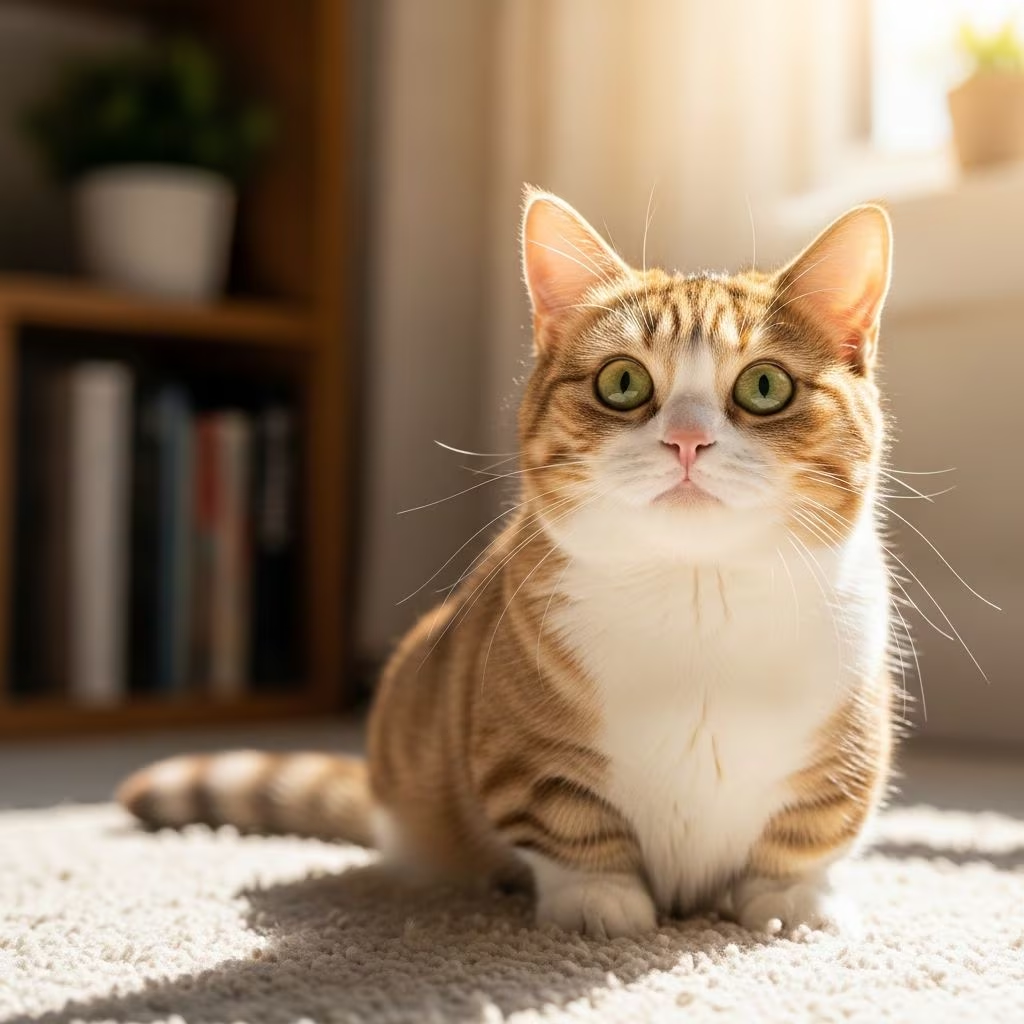
Munchkin cats, famous for their short legs and playful demeanor, have coats that shed at a moderate level, requiring consistent grooming to manage loose fur effectively.
Understanding the Unique Appeal of Munchkin Cats
These delightful felines stand out due to a natural genetic mutation causing their legs to be about three inches shorter than average, giving them a low-slung, kitten-like appearance reminiscent of dachshunds or corgis. Despite their petite stature, Munchkins exhibit the energy and curiosity of typical domestic cats, weighing between 4 to 9 pounds and stretching up to 18 inches in length. Their bodies remain flexible, with no impact on spinal health, allowing them to navigate spaces swiftly by sliding under furniture.
Munchkins come in shorthair and longhair varieties. Shorthairs sport a plush, resilient medium-length coat suited for all weather, while longhairs feature a semi-long, silky texture. Available in countless colors and patterns, each cat displays unique markings around vivid eyes. This diversity adds to their charm, making every Munchkin a visual treasure.
Do Munchkin Cats Shed Heavily? Breaking Down the Facts
Shedding in Munchkins mirrors that of many domestic cats: noticeable but manageable with routine care. Their dense, plush coats release fur seasonally, more so during spring and fall, but not excessively year-round. Shorthaired Munchkins produce less visible loose hair compared to longhaired ones, though both benefit from weekly brushing to prevent matting and reduce household fur buildup.
- Seasonal Shedding: Increased during warmer months as cats lose winter undercoat.
- Daily Loose Fur: Moderate; expect some on furniture but not overwhelming.
- Comparison to Other Breeds: Less than heavy shedders like Persians, similar to average shorthairs.
Factors influencing shedding include diet, health, and environment. A nutrient-rich diet supports coat health, minimizing excess loss, while stress or allergies can amplify it.
Grooming Essentials for Optimal Coat Health
Weekly grooming sessions keep Munchkin coats shiny and limit shedding. Use a soft slicker brush for shorthairs to capture undercoat, and a wide-tooth comb for longhairs to detangle gently. Bathing is rarely needed unless dirt accumulates, as their coats self-clean effectively.
| Coat Type | Recommended Tools | Frequency | Benefits |
|---|---|---|---|
| Shorthair | Slicker brush, rubber mitt | 1-2 times/week | Removes loose fur, distributes oils |
| Longhair | Wide-tooth comb, pin brush | 2-3 times/week | Prevents mats, reduces shedding |
Focus on paws, belly, and tail during sessions—these areas shed more. Positive reinforcement with treats turns grooming into bonding time, as Munchkins adore attention. Nail trims every 10-14 days and ear cleaning monthly complete the routine.
Seasonal Strategies to Control Munchkin Shedding
Adapt care to weather changes for best results. In spring, daily brushing captures heavy undercoat shed. Summer calls for cooling mats to prevent overheating-induced fur loss. Autumn brushing combats new growth, while winter emphasizes hydration via wet food to maintain coat moisture.
- Invest in a quality vacuum designed for pet hair.
- Use lint rollers on fabrics frequently.
- Provide a self-cleaning litter box to manage tracked fur.
Air purifiers with HEPA filters trap airborne dander, improving home air quality for allergy sufferers.
Health Factors Affecting Coat and Shedding
Munchkins enjoy average lifespans but face breed-specific issues impacting fur quality. The chondrodysplasia mutation shortens leg bones without affecting flexibility, but it raises risks for lordosis (spinal curvature) and pectus excavatum (chest deformity), potentially compressing organs in severe cases. Osteoarthritis may develop later due to altered movement, indirectly affecting grooming tolerance.
Maintain annual vet checkups, focusing on joint health via X-rays if limping occurs. A balanced diet with omega-3s from fish oil supports skin and coat vitality, curbing excessive shedding. Parasite preventives guard against fleas, which worsen fur loss.
Lifestyle Tips for Low-Shedding Munchkin Homes
Munchkins thrive indoors, suiting apartment dwellers despite their energy. Their short legs excel at low-level hunting, retrieving toys like pros. Interactive play with feather wands or laser pointers burns energy, reducing stress-related shedding.
For multi-pet homes, Munchkins bond well with dogs and kids, matching paces playfully. However, avoid breeding without genetic screening, as homozygous short-leg kittens risk severe defects.
Nutrition’s Role in Minimizing Shedding
High-quality kibble or wet food formulated for coat health—rich in biotin, zinc, and fatty acids—promotes sleek fur. Avoid fillers like corn, which trigger allergies manifesting as patchy shedding. Fresh water and occasional salmon supplements enhance shine.
Monitor weight; obesity strains joints, indirectly harming coat condition. Feed measured portions twice daily.
Common Myths About Munchkin Shedding Debunked
- Myth: Short legs mean less shedding. False; coat shedding depends on type, not legs.
- Myth: They jump poorly, avoiding high perches. Incorrect; they climb stepwise effectively.
- Myth: High-maintenance groomers. No; weekly care suffices.
Frequently Asked Questions (FAQs)
Are Munchkin cats hypoallergenic?
No, they shed moderately and produce dander like most cats. Longhairs shed more visibly.
How often should I brush my Munchkin?
Weekly for shorthairs, more for longhairs to manage shedding and mats.
Do Munchkins get along with other pets?
Yes, sociable and playful, they befriend dogs and cats easily.
What’s the average Munchkin lifespan?
12-15 years with proper care, despite leg mutation concerns.
Can Munchkins be left alone?
A few hours yes, but they prefer company as social cats.
Choosing Your Munchkin: Adoption and Breeder Tips
Seek TICA-registered breeders ensuring ethical outcrossing to avoid health issues. Rescues often have mixed Munchkins needing homes. Prioritize health certifications over aesthetics.
Prepare vertically with shelves Munchkins can access stepwise, and litter boxes with low entries.
References
- Munchkin Cat Breed Information — Purina UK. Accessed 2026. https://www.purina.co.uk/find-a-pet/cat-breeds/munchkin
- Munchkin Breed Standard — The International Cat Association (TICA). Accessed 2026. https://tica.org/breed/munchkin/
- Munchkin Cat Personality — Litter-Robot. Accessed 2026. https://www.litter-robot.com/blog/munchkin-cat-personality/
- Munchkin Cat Breed Health and Care — PetMD. Accessed 2026. https://www.petmd.com/cat/breeds/munchkin
- Munchkin Cat Overview — Wikipedia (citing primary sources). Accessed 2026. https://en.wikipedia.org/wiki/Munchkin_cat



