

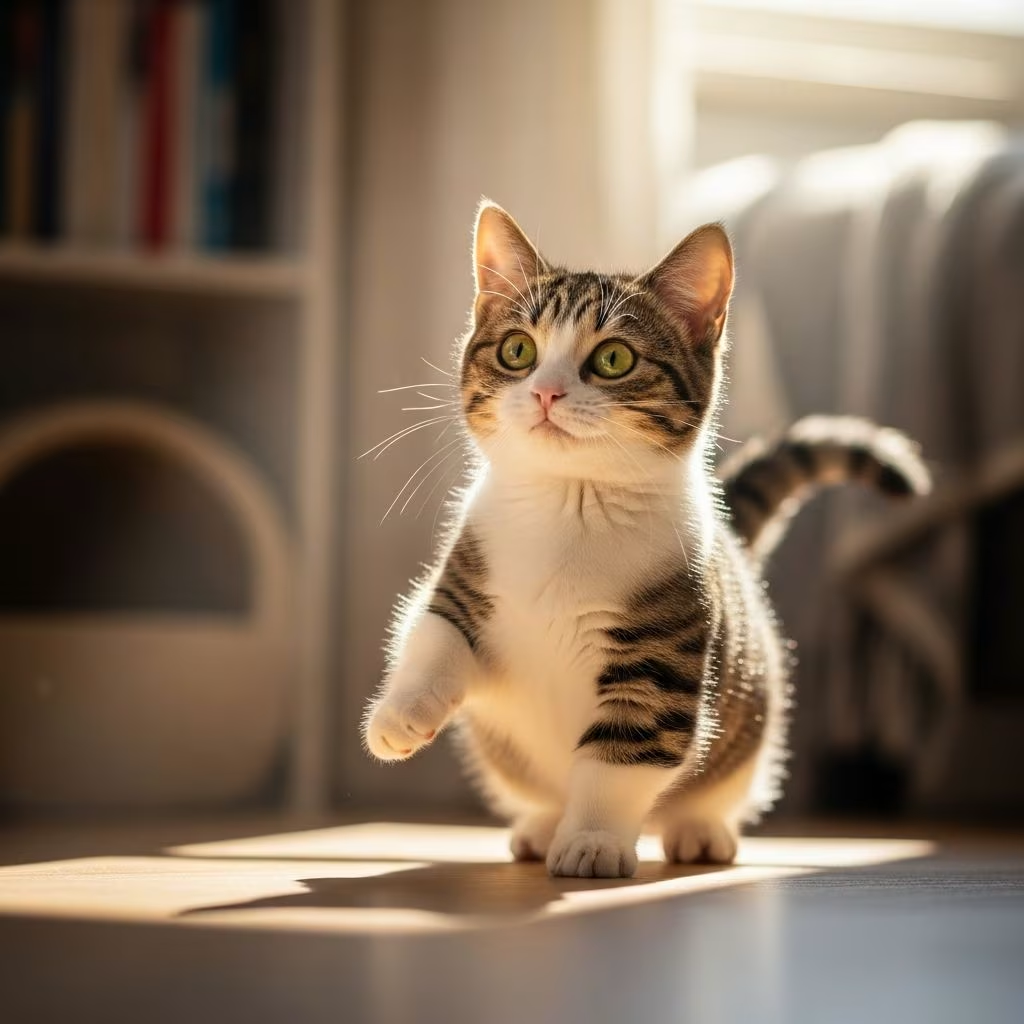
Munchkin cats, with their distinctive short legs and charming personalities, have captured the hearts of feline enthusiasts worldwide. These delightful creatures offer companionship that extends well beyond their adorable appearance. If you’re considering bringing a Munchkin into your home or already have one as a cherished family member, understanding their life expectancy and the factors that influence their longevity is essential for providing the best possible care.
How Long Can You Expect Your Munchkin to Live?
The typical lifespan of a Munchkin cat ranges from 12 to 15 years, which aligns closely with standard domestic cat lifespans. This means that when you welcome a Munchkin kitten into your home, you’re making a commitment to over a decade of companionship. While 12 to 15 years provides a reliable baseline expectation, some Munchkins have been known to exceed this range when given exceptional care and favorable health circumstances.
It’s important to recognize that individual variation exists among Munchkin cats, just as it does with people. Some may live toward the shorter end of the spectrum, while others thrive well into their later years. The distinction between individual cats often comes down to a combination of inherited traits and the environment they experience throughout their lives.
The Genetic and Environmental Factors Shaping Longevity
Several interconnected elements work together to determine how long a particular Munchkin will live. Understanding these factors empowers cat owners to make informed decisions that can positively influence their pet’s health trajectory.
Genetics and Hereditary Considerations
The genetic foundation passed down from a cat’s parents plays a significant role in establishing baseline health potential and longevity. Responsible breeders who screen their breeding cats for genetic conditions can reduce the likelihood of hereditary health problems in offspring. When adopting a Munchkin, inquiring about the breeder’s health testing protocols and the medical history of the kitten’s parents provides valuable insight into potential inherited vulnerabilities.
The gene responsible for Munchkins’ characteristic short legs, while creating their distinctive appearance, does introduce certain breed-specific health considerations. This genetic mutation affects cartilage formation in ways that may predispose some individuals to particular conditions, which we’ll explore in greater detail below.
Nutritional Quality and Dietary Choices
What a Munchkin eats directly impacts their overall health trajectory and lifespan potential. A high-quality, nutritionally complete diet forms the foundation of good health. Quality protein sources help maintain lean muscle mass, which becomes increasingly important given Munchkins’ shorter legs and the additional spinal strain they experience.
Beyond premium kibble, thoughtful dietary supplementation with vegetables rich in water content can support kidney function and overall wellness. Maintaining proper hydration and ensuring adequate essential nutrients throughout all life stages—from kitten through senior years—contributes substantially to longevity and quality of life.
Physical Activity and Weight Management
Most Munchkins maintain a naturally active lifestyle, which typically keeps weight-related issues at bay. However, for individuals with limited mobility or those dealing with chronic pain conditions, weight management becomes critically important. Extra pounds place additional strain on the spine and joints, compounding existing challenges related to their shortened limbs.
Regular play sessions, climbing opportunities, and interactive engagement help keep Munchkins mentally stimulated and physically conditioned. Finding the right balance of activity that accommodates their unique body structure prevents obesity while maintaining cardiovascular health and muscle tone.
Quality Veterinary Care
Consistent, proactive veterinary care represents one of the most impactful factors owners can control. Regular health screenings allow veterinarians to identify developing issues early, when interventions are most effective. Preventive care through vaccinations, dental maintenance, and routine examinations establishes a foundation for long-term health.
Health Conditions Specific to Munchkin Cats
While Munchkins are generally robust and healthy cats, their unique genetic makeup predisposes them to certain conditions that prospective owners should understand and monitor for.
Osteoarthritis and Mobility Challenges
The genetic mutation that creates Munchkins’ short legs involves a defect in cartilage formation. This anatomical difference makes them predisposed to osteoarthritis, particularly as they age. Unlike typical cats that jump effortlessly between high surfaces, Munchkins may experience progressive difficulty with activities their peers take for granted.
Owners should remain alert for behavioral changes indicating pain or reduced mobility, such as reluctance to engage in favorite activities or favoring certain limbs. Modern pain management options, including prescription medications and joint supplements, can significantly improve comfort and maintain quality of life during senior years.
Pectus Excavatum: A Chest Wall Condition
This congenital defect occurs when the sternum and lowest ribs develop abnormally, creating a hollowed-out chest appearance. Present from birth, this condition may not become apparent until the cat reaches full size, at which point the defect typically stops progressing.
Severity varies considerably. Mild cases may produce no noticeable symptoms, while more significant deformities can compress the heart and compromise respiratory function. Moderate to severe cases often benefit from surgical intervention to restore normal chest wall contour and reduce cardiac and respiratory compromise.
Genetic Predispositions to Monitor
Like many cat breeds, Munchkins may carry genetic susceptibilities to conditions including hypertrophic cardiomyopathy (a heart condition) and polycystic kidney disease. Modern DNA testing enables responsible breeders to identify carriers and prevent transmission of these conditions to future generations, thereby protecting breed longevity.
Prospective adopters should ask breeders about genetic testing completed on parent cats and request documentation of health clearances. This proactive approach reduces the likelihood of inheriting serious conditions and supports longer, healthier lives.
Supporting Your Munchkin Through Different Life Stages
Munchkins progress through distinct life phases, each with unique care requirements that support longevity and wellbeing.
The Kitten Years: Foundation for Lifelong Health
Munchkin kittens grow rapidly during their first six months, reaching most of their adult size by around 12 months, though some continue filling out until 18 months. During this formative period, proper nutrition supporting bone and muscle development establishes the physical foundation for their entire lives.
Early veterinary care including vaccinations, parasite prevention, and developmental assessments sets the stage for good health. Establishing positive habits around play, litter training, and human interaction during kittenhood creates behavioral patterns that support wellbeing throughout life.
The Prime Adult Years
Adult Munchkins typically demonstrate robust health and considerable activity levels. This period, spanning roughly years 2 through 10, represents peak vitality. Maintaining consistent veterinary care, ensuring appropriate nutrition, and providing enriching environments maximize health during these years and build reserves for aging.
The Senior Phase and Age-Related Considerations
As Munchkins enter their senior years (typically around age 10 and beyond), healthcare focus shifts toward managing age-related changes and maintaining comfort. More frequent veterinary visits help monitor for developing conditions and adjust pain management strategies as needed. Senior Munchkins may require dietary modifications supporting kidney function and easier-to-digest foods.
Creating an environment that accommodates reduced mobility—such as providing lower litter boxes, ground-level feeding stations, and accessible resting areas—helps senior cats maintain independence and dignity while aging gracefully.
Practical Care Strategies for Maximizing Lifespan
Beyond understanding health considerations, specific actions directly support longer, higher-quality lives:
- Schedule veterinary examinations at least annually during young adult years, increasing to twice-yearly visits for cats over age 10
- Maintain up-to-date vaccinations and administer preventive medications for parasites and other common diseases
- Provide species-appropriate, high-quality nutrition tailored to their life stage and individual health status
- Encourage regular physical activity through interactive toys and play sessions suited to their physical capabilities
- Monitor weight carefully, as excess pounds significantly impact spinal and joint health in short-legged breeds
- Maintain excellent dental care through regular brushing and professional cleanings when recommended
- Create enriching indoor environments that provide mental stimulation and appropriate physical challenges
- Ensure access to fresh water and consider specialized supplements supporting joint and heart health
Comparing Munchkin Lifespans to Other Breeds
| Cat Breed | Average Lifespan | Key Characteristics |
|---|---|---|
| Munchkin | 12-15 years | Short legs, active, generally healthy |
| Siamese | 15-20 years | Sociable, vocal, low genetic predisposition to issues |
| Sphynx | 13-15 years | Hairless, require specialized care and temperature management |
| Russian Blue | 10-20 years | Elegant, gentle, adaptable to indoor living |
| Persian | 15-20 years | Fluffy coat, require grooming, predisposed to certain illnesses |
While Munchkins fall within the middle range for cat breed longevity, their lifespan is comparable to typical domestic cats, making them a reasonable long-term commitment for prepared households.
Frequently Asked Questions About Munchkin Lifespans
Do Munchkins stay small their entire lives?
Yes, Munchkins retain their characteristic short legs throughout life, maintaining a compact appearance. However, they reach full adult size by 12 to 18 months, developing normal-length bodies and strong muscles beneath their diminutive leg length. Their small stature reflects leg length rather than overall frailty—they remain active and resilient throughout their lives.
Can Munchkins live longer than 15 years?
Yes, with exceptional care and favorable genetics, some Munchkins exceed the typical 15-year maximum. Providing optimal nutrition, regular veterinary care, maintaining healthy weight, and managing breed-specific health concerns can contribute to extended lifespans in individual cases.
Are Munchkins more prone to serious health problems than other cats?
Munchkins are generally healthy cats, though their unique genetic makeup predisposes them to specific conditions like osteoarthritis and pectus excavatum. These conditions can usually be managed effectively with proper care, veterinary oversight, and early intervention when issues develop.
What’s the best diet for a Munchkin cat?
High-quality, nutritionally complete commercial cat food forms the foundation of appropriate Munchkin nutrition. Incorporating water-rich vegetables and ensuring adequate protein supports muscle maintenance and kidney function. Individual dietary needs may vary, so consulting with a veterinarian about your specific cat’s requirements is advisable.
How often should I take my Munchkin to the veterinarian?
Annual examinations suffice for healthy young adult Munchkins, though semi-annual visits become important as cats age. Senior Munchkins benefit from twice-yearly assessments allowing early detection of age-related conditions and timely intervention.
Making the Long-Term Commitment
Adopting a Munchkin represents a 12 to 15-year commitment to a unique companion. Understanding their typical lifespan and the factors influencing individual longevity enables informed decision-making about whether this breed aligns with your life circumstances and values. These charming cats reward dedicated care with years of entertainment, affection, and loyal companionship. By prioritizing their health through appropriate nutrition, regular veterinary care, and breed-specific consideration, you create conditions where your Munchkin can thrive throughout all life stages, from playful kittenhood through graceful senior years.
References
- What’s the lifespan of a Munchkin cat? — Adopt A Pet. https://www.adoptapet.com/answers/whats-the-lifespan-of-a-munchkin-cat
- Adult Munchkin Cat: Size, Appearance & Personality Guide — Pure Bred Kitties. https://purebredkitties.com/blogs/munchkin-cat/adult-munchkin-cat-size-appearance-and-personality-guide
- Munchkin Cat Breed Health and Care — PetMD. https://www.petmd.com/cat/breeds/munchkin
- Cat Breeds That Live the Longest — All Care Pet Clinic. 2024-06-15. https://www.allcarepetclinic.com/site/blog/2024/06/15/cat-breeds-live-longest
- The Munchkin: origin, temperament, health and price — Weenect. https://www.weenect.com/us/en/guide/cat-breeds/munchkin/



