

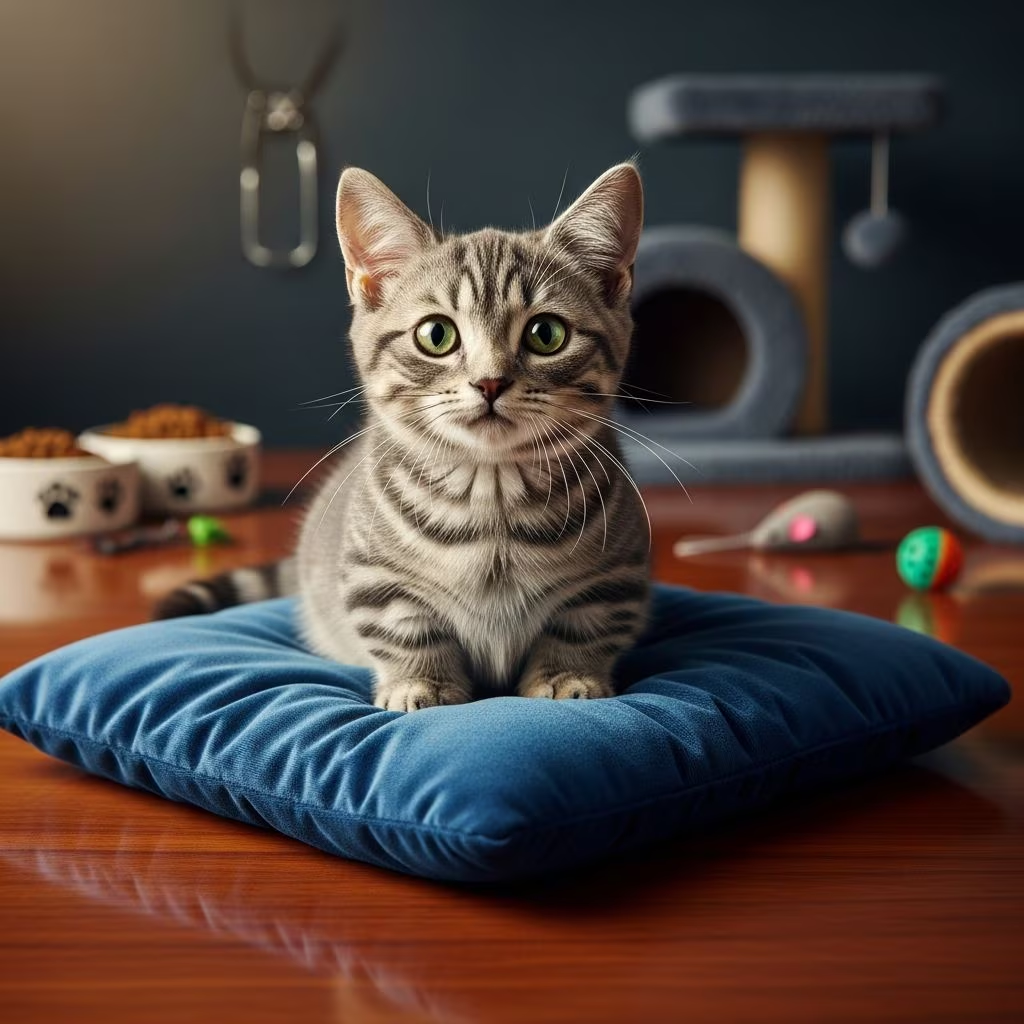
Munchkin cats, known for their endearing short legs due to a genetic mutation causing achondroplasia or chondrodysplasia, face unique health challenges tied to their skeletal structure. While many live healthy lives spanning 12–15 years, they are prone to musculoskeletal issues that can impact mobility and quality of life. This article details the seven primary health problems, drawing from veterinary insights to help owners recognize symptoms early and provide optimal care.
The 7 Munchkin Cat Health Problems
The distinctive short limbs of Munchkin cats stem from a dominant gene mutation affecting cartilage development, which predisposes them to various deformities and degenerative conditions. Homozygous kittens ( inheriting the mutation from both parents) often do not survive gestation, highlighting the gene’s lethality in double doses. Responsible breeding and vigilant health monitoring are crucial.
1. Limb Deformities
| Type of Condition | Musculoskeletal |
|---|---|
| Treatable? | No |
| Severity | Variable |
Limb deformities are the hallmark of the Munchkin breed, resulting from abnormal growth of long bones in the fore and hind limbs. This chondrodysplasia leads to shortened, sometimes malaligned legs, particularly affecting the forelimbs. While mild cases allow normal activity, severe deformities compromise jumping, running, and overall mobility. Veterinary experts note that this mutation alters joint stresses, potentially accelerating wear over time. Owners may observe awkward gaits or reluctance to climb, but these cats adapt remarkably well in many instances.
Long-term implications include increased osteoarthritis risk due to uneven weight distribution. Studies on similar dwarfism in animals suggest predisposition to joint issues, though breed-specific longitudinal data remains limited. Early radiographic screening in kittens can assess severity, guiding lifestyle adjustments like ramps for furniture access.
2. Osteoarthritis
| Type of Condition | Musculoskeletal |
|---|---|
| Treatable? | Partially (management) |
| Severity | Variable to Progressive |
Osteoarthritis (OA) involves the progressive breakdown of joint cartilage, leading to pain, stiffness, and inflammation. Munchkins’ abnormal limb proportions place extra stress on joints, making them more susceptible than average cats. Symptoms include limping, reluctance to jump, leaning to one side, or reduced playfulness, especially in older cats. The condition worsens with age as abnormal bone growth thickens joint capsules.
Despite some breeder claims of resilience, veterinary consensus, including from Cornell specialists, indicates higher risk due to cartilage defects inherent in the breed’s genetics. Management includes weight control, joint supplements (glucosamine/chondroitin), prescription anti-inflammatories, physical therapy, and environmental modifications. No cure exists, but early intervention preserves mobility.
3. Decreased Mobility
| Type of Condition | Musculoskeletal |
|---|---|
| Treatable? | No (management only) |
| Severity | Variable |
Decreased mobility is a common sequela of the Munchkin’s conformation, encompassing not just short legs but also spinal limitations from an elongated back relative to height. This results in reduced agility, difficulty navigating obstacles, and potential chronic discomfort. Factors like pectus excavatum or lordosis exacerbate this, limiting exercise tolerance.
Owners report Munchkins excelling at “bunny hopping” but struggling with high jumps. To mitigate, provide low-entry litter boxes, soft bedding, and obesity prevention through diet. Regular vet check-ups monitor progression, with pain relief options for affected cats.
4. Lordosis
| Type of Condition | Musculoskeletal |
|---|---|
| Treatable? | No |
| Severity | Moderate |
Lordosis is an abnormal inward curvature of the lower spine, often seen in Munchkin kittens due to faulty bone development. It causes a sunken belly appearance and can compress organs, leading to digestive issues or breathing difficulties in severe cases. Not all Munchkins develop it, but genetic predisposition makes screening essential.
Symptoms manifest as a swayback posture or reluctance to stretch. While untreatable, supportive care includes core-strengthening exercises and monitoring for secondary complications like urinary issues from organ pressure.
5. Pectus Excavatum
| Type of Condition | Musculoskeletal |
|---|---|
| Treatable? | Possibly (surgery) |
| Severity | Moderate to Severe |
Pectus excavatum features a concave chest from malformed sternum and ribs, reducing lung and heart capacity. Mild forms are asymptomatic, but severe cases cause exercise intolerance, coughing, tachycardia, lethargy, poor appetite, and recurrent infections. Present at birth, it stabilizes post-growth, with surgery recommended for moderate-severe instances to splint the chest.
Vets assess via X-rays; early detection in kittens improves outcomes. Prognosis is good with intervention, preventing chronic respiratory/cardiac strain.
6. Progressive Retinal Atrophy
| Type of Condition | Ophthalmologic |
|---|---|
| Treatable? | No |
| Severity | Progressive |
Progressive retinal atrophy (PRA) degenerates the retina, starting with night blindness and advancing to total vision loss. Munchkins may bump into objects in dim light or become nocturnal avoiders. Genetic testing screens breeding cats; no treatment halts progression, but affected cats adapt using whiskers and hearing.
7. Other Common Issues: Urinary Disorders, Hyperthyroidism & More
| Condition | Symptoms | Management |
|---|---|---|
| Urinary Disorders (FLUTD) | Blockages, straining, blood in urine | Diet, hydration, stress reduction |
| Hyperthyroidism | Weight loss, thirst, aggression | Medication, diet, surgery |
| Gastrointestinal/Anemia/Otitis | Vomiting, lethargy, ear discharge | Vet diagnosis, targeted treatment |
Beyond skeletal woes, Munchkins share breed-agnostic issues like FLUTD from crystal blockages, hyperthyroidism causing metabolic chaos, and others per insurance claims. Their mobility limits heighten obesity risk, worsening all conditions.
How to Care for a Munchkin Cat with Health Problems
Proactive care extends Munchkin lifespans: annual vet exams with X-rays, weight management via high-protein/low-carb diets, joint supplements from kittenhood, soft surfaces to cushion joints, and genetic testing for breeders. Avoid overbreeding extremes like “rug huggers.” Monitor for pain signs like vocalizing or hiding.
- Weight Control: Prevents joint strain; aim for lean body score.
- Exercise: Low-impact play like laser pointers.
- Environment: Ramps, shallow bowls, orthopedic beds.
- Screening: Early radiographs for deformities.
Frequently Asked Questions (FAQs)
What is the lifespan of a Munchkin cat?
Munchkins typically live 12–15 years, comparable to other breeds, though severe deformities may shorten it.
Are Munchkin cats in pain from their short legs?
Not inherently, but many develop osteoarthritis causing discomfort; pain management helps.
Should I breed Munchkin cats?
Many experts advise against due to welfare concerns; use non-Munchkin mates to avoid lethal homozygous kittens.
Can surgery fix Munchkin health issues?
Surgery aids pectus excavatum; OA is managed medically.
Do all Munchkins get lordosis or pectus?
No, but higher risk; varies by genetics.
Conclusion
Munchkin cats enchant with their playful demeanor despite genetic challenges. Awareness of their seven key health issues—limb deformities, osteoarthritis, decreased mobility, lordosis, pectus excavatum, PRA, and others—empowers owners to foster long, joyful lives through vigilant care. Ethical breeding and vet partnerships are paramount.
References
- Important Health Facts for Munchkin Cat Owners — Pet Assure. 2023. https://www.petassure.com/maxscorner/important-health-facts-for-munckin-cat-owners/
- Munchkin Cat Health Problems: 7 Vet-Reviewed Issues — Catster. 2024. https://www.catster.com/cat-health-care/munchkin-cat-health-problems/
- All About Munchkin Cats — ASPCA Pet Health Insurance. 2024. https://www.aspcapetinsurance.com/resources/munchkin-cat-breed/
- Munchkin Cat Breed Health and Care — PetMD. 2024. https://www.petmd.com/cat/breeds/munchkin
- Munchkin – Limb Deformity — UFAW (Universities Federation for Animal Welfare). 2023. https://www.ufaw.org.uk/cats/munchkin-limb-deformity



