

Munchkin Cat Breed: Everything You Need to Know
The Munchkin cat is one of the most distinctive and recognizable cat breeds in the world, instantly identifiable by its notably short legs that result from a natural genetic mutation. Often affectionately referred to as “sausage cats” or “dachshund cats” due to their resemblance to these low-slung animals, Munchkins have captured the hearts of cat lovers everywhere. Despite their diminutive leg length, these cats possess big personalities and vibrant energy that belies their small stature. This comprehensive guide explores everything prospective and current Munchkin owners need to know about this unique breed, from their physical characteristics and temperament to their health considerations and care requirements.
Physical Characteristics and Appearance
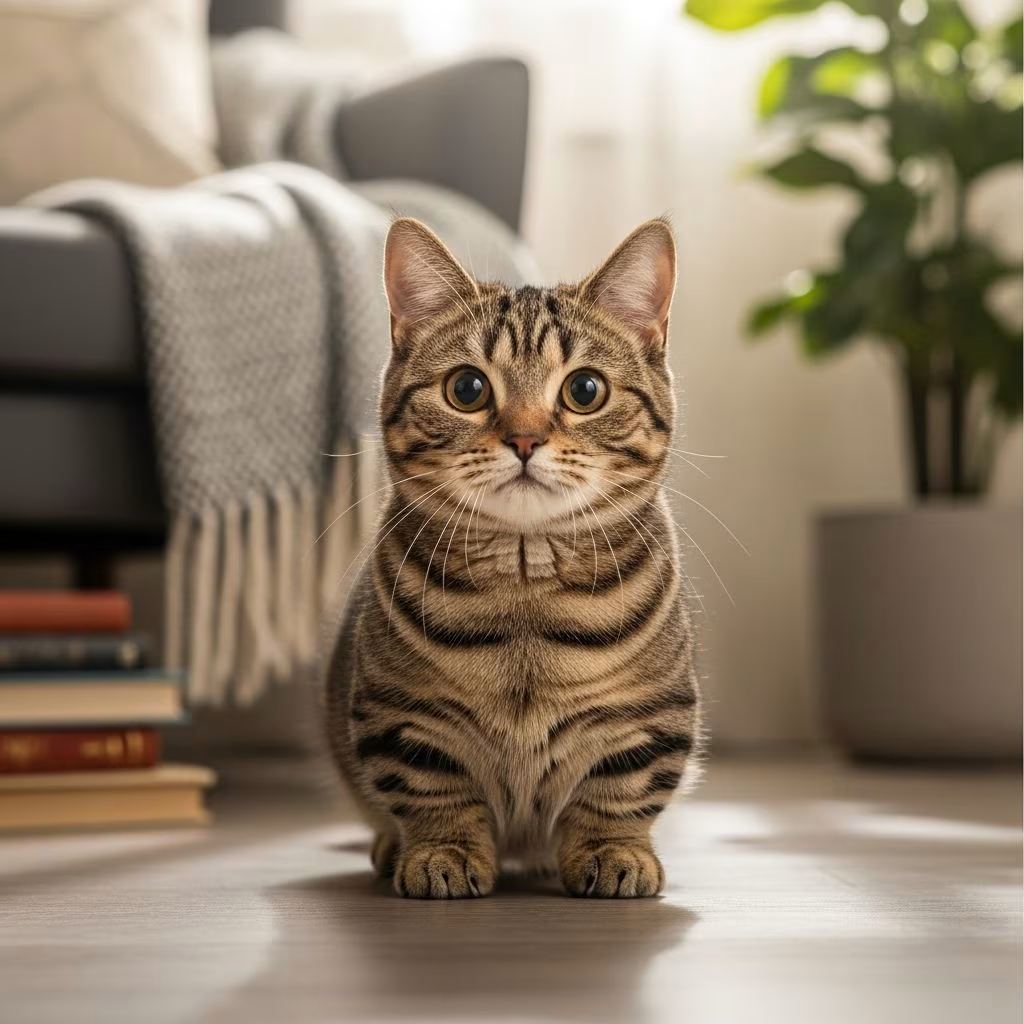
The most striking feature of the Munchkin cat is undoubtedly its short legs, caused by a dominant gene mutation known as chondrodysplasia that affects the long bones of the legs. These shortened limbs give Munchkins their characteristic low-riding appearance and kitten-like look that persists throughout their entire lives. Despite their short legs, Munchkins maintain well-proportioned, moderately long bodies that accentuate their unique silhouette.
Size and Build: Munchkins are classified as small to medium-sized cats. Males typically weigh between 6 and 9 pounds, while females generally weigh between 4 and 8 pounds. Their height ranges from approximately 18 to 20 centimeters from the ground. Their compact, sturdy frame is complemented by a long tail held upright when moving, giving them an alert and poised appearance despite their short stature.
Distinctive Features: Munchkins possess walnut-shaped, wide-set eyes that come in virtually any color and often contrast beautifully with their coat. Their ears are medium-sized, upright, and slightly rounded at the tips, contributing to their alert and attentive expression. They have rounded heads and a level spine with a slight rise from the shoulders. One particularly charming trait is their ability to sit up on their hind legs like rabbits, which they often do out of curiosity or when standing on their hind legs to get a better view of their surroundings.
Coat Varieties: Munchkins can display an impressive array of coat colors and patterns, including tabby, calico, bicolor, and solid colors. They come in both short-haired and long-haired varieties, with plush coats that require varying levels of grooming maintenance. Every Munchkin cat tends to look unique, offering variety within the breed.
Temperament and Personality Traits
Despite their small physical stature, Munchkins possess outsized personalities that make them beloved companions. These cats are known for being smart, confident, playful, and outgoing, with temperaments that respond well to interactive toys and gentle training. Their social and affectionate nature makes them fantastic family pets and wonderful companions for various household situations.
Playfulness and Energy: Munchkins are exceptionally active and spunky cats that love to play and entertain themselves throughout the day. They don’t behave differently from average-sized cats and possess the same amount of attitude and energy as any other lively feline. While they can find ways to entertain themselves independently, they strongly prefer having their humans involved in playtime. They enjoy chasing toys, batting loose strings, running through tunnels, and climbing on lower furniture or accessible cat trees.
Intelligence and Curiosity: These cats are clever and curious, enjoying puzzle toys, interactive games, and opportunities to learn tricks. Their intelligence makes them excellent candidates for clicker training and other forms of positive reinforcement-based learning. They love exploring their environment and investigating new things, making enrichment activities crucial for their mental stimulation.
Affection and Companionship: Munchkins are loving and affectionate cats that form strong bonds with their owners. They enjoy being petted and will happily climb onto laps for cuddles and scratches. You’ll often notice them rubbing against your legs, kneading on blankets, and seeking your attention throughout the day. They prefer being around their humans whenever possible and handle short periods alone without excessive distress.
Vocalization: Munchkins are moderately vocal, speaking up in soft tones when they want attention or have something to communicate. They’re not excessively chatty but will let you know when they need you.
Compatibility with Families and Other Pets
Munchkins typically make excellent additions to family households and adapt well to various living situations. Their playful, gentle, patient, and adaptable nature makes them ideal companions for active families with children. They enjoy playing games and inventing their own fun, which suits family homes with energetic kids well. It’s important to encourage children to handle them gently and avoid picking them up roughly, as this can cause stress.
Multi-Pet Households: When introduced properly, Munchkins can live peacefully with other cats and even dogs. Generally friendly, curious, and non-aggressive, they usually settle into multi-cat homes successfully. They get along famously with other cats and dogs, and once they recognize a friend in the house, they’ll spend much of their time nudging their companions to play and run around. Their social nature also means they benefit from having an animal friend in the home. However, their natural prey drive means introductions to smaller pets should be slow and carefully managed.
Living Situation Suitability: Munchkins are recommended for families, singles, and are particularly suitable for apartment living. They can adapt well to various home environments as long as they receive adequate play, attention, and enrichment.
Activity Level and Exercise Needs
Despite their short legs, Munchkins can run and jump just like any other breed of cat, though they may not achieve the same heights as their long-legged cousins. They have moderate energy levels requiring daily physical activity to maintain fitness and prevent boredom. Energetic and playful, they love short bursts of play throughout the day rather than sustained exercise sessions.
Exercise Requirements: Daily active play is important not just for physical fitness but also for mental stimulation. Providing space with lower or more accessible climbing and perching areas is ideal for these short-legged cats. They enjoy exploring their environment, chasing toys, running through tunnels, and climbing on lower furniture or specially designed cat trees. Puzzle feeders, interactive toys, and regular play sessions help keep them physically active and mentally sharp.
Health Considerations
While Munchkins are generally healthy cats, their unique genetic mutation does predispose them to certain health concerns that prospective owners should understand. The chondrodysplasia mutation that creates their short legs can lead to several health issues.
Primary Health Concerns: Munchkins have an increased risk of spinal, joint, and mobility issues linked to their short-legged genetic mutation. They are known to be at higher risk for severe osteoarthritis compared to other feline breeds, as their shorter limbs affect their activity levels and behavior. Additionally, they have an increased incidence of lordosis (swayback) and pectus excavatum (hollowed chest). Diagnosis of osteoarthritis and assessment of its severity may require radiography.
Veterinary Monitoring: Regular veterinary check-ups are essential for monitoring joint health and catching any developing issues early. Many pedigree cat associations worldwide have raised health concerns about the breed, making it important to work with responsible breeders who prioritize health testing.
Grooming and Maintenance
Munchkins have relatively low grooming needs compared to many other breeds, though maintenance requirements depend on their coat length. Short-haired Munchkins require minimal grooming, while long-haired varieties need more regular attention to prevent matting and maintain coat health. Generally, grooming once a week is recommended for most Munchkins.
Coat Care: Regular brushing helps maintain healthy skin and coat condition. Choose high-quality brushes appropriate for their coat length and establish a consistent grooming routine that your cat becomes comfortable with from a young age.
Nutrition and Diet
Munchkins need a balanced, nutrient-rich diet to support their active nature and compact build. Choose high-quality food rich in animal protein, with a mix of wet and dry options to maintain hydration and support digestion. Look for formulas containing added vitamins, minerals, and omega fatty acids to promote healthy skin, coat condition, and joint support—particularly important given their short-legged structure.
Feeding Considerations: Monitor your Munchkin’s weight carefully, as obesity can exacerbate joint and spinal issues. Portion control and regular exercise are crucial components of maintaining a healthy weight. Consider using puzzle feeders to provide mental stimulation during feeding times while helping regulate food intake.
Lifespan and Longevity
Munchkin cats typically have a lifespan of 12 to 15 years when provided with proper care, nutrition, and veterinary attention. This relatively long lifespan means these cats can be wonderful long-term companions for many years.
Breed Classification and Recognition
The Munchkin is classified as a mutation breed, distinguished primarily by its natural genetic variation affecting leg length. Some major pedigree cat associations have embraced the breed while others remain cautious due to health concerns. When selecting a Munchkin, it’s important to work with reputable breeders who prioritize health and ethical breeding practices.
Frequently Asked Questions
Q: Are Munchkin cats good for first-time cat owners?
A: Munchkins benefit from experienced owners who understand their unique care needs, particularly regarding joint health and appropriate activity management. However, with proper preparation and veterinary guidance, motivated first-time owners can successfully care for them.
Q: Can Munchkin cats climb and jump despite their short legs?
A: Yes, Munchkins can run, jump, and climb just like other cats, though they may not reach the same heights. Provide lower perching options and accessible cat trees to accommodate their unique body structure safely.
Q: Do Munchkin cats need special exercise routines?
A: While they need moderate daily exercise and play, Munchkins benefit from lower-impact activities and accessible climbing spaces. Avoid encouraging excessive jumping from heights to protect their joints.
Q: How do Munchkins do in apartments?
A: Munchkins are excellent apartment cats, as they adapt well to smaller living spaces and don’t require excessive outdoor access. Their moderate energy levels and playful nature make them ideal for apartment living.
Q: What should I know about Munchkin cat breeding and ethical considerations?
A: Work with responsible breeders who conduct health testing and prioritize the wellbeing of their cats. Be aware that some pedigree organizations have refused to recognize the breed due to health concerns, reflecting ongoing debate about ethical breeding practices.
References
- Munchkin Cat Breed: Personality, Traits, and Facts — Bow Wow Insurance. 2024. https://bowwowinsurance.com.au/cats/cat-breeds/munchkin-cat/
- Munchkin Cat Breed Information — Purina UK. 2024. https://www.purina.co.uk/find-a-pet/cat-breeds/munchkin
- Munchkin Cat Personality: How Do Munchkin Cats Act? — Litter-Robot. 2024. https://www.litter-robot.com/blog/munchkin-cat-personality/
- Munchkin cat — Wikipedia. 2025. https://en.wikipedia.org/wiki/Munchkin_cat
- Munchkin Cat 101 – Learn ALL About Them! — YouTube. 2024. https://www.youtube.com/watch?v=t69d31yK_iM



