

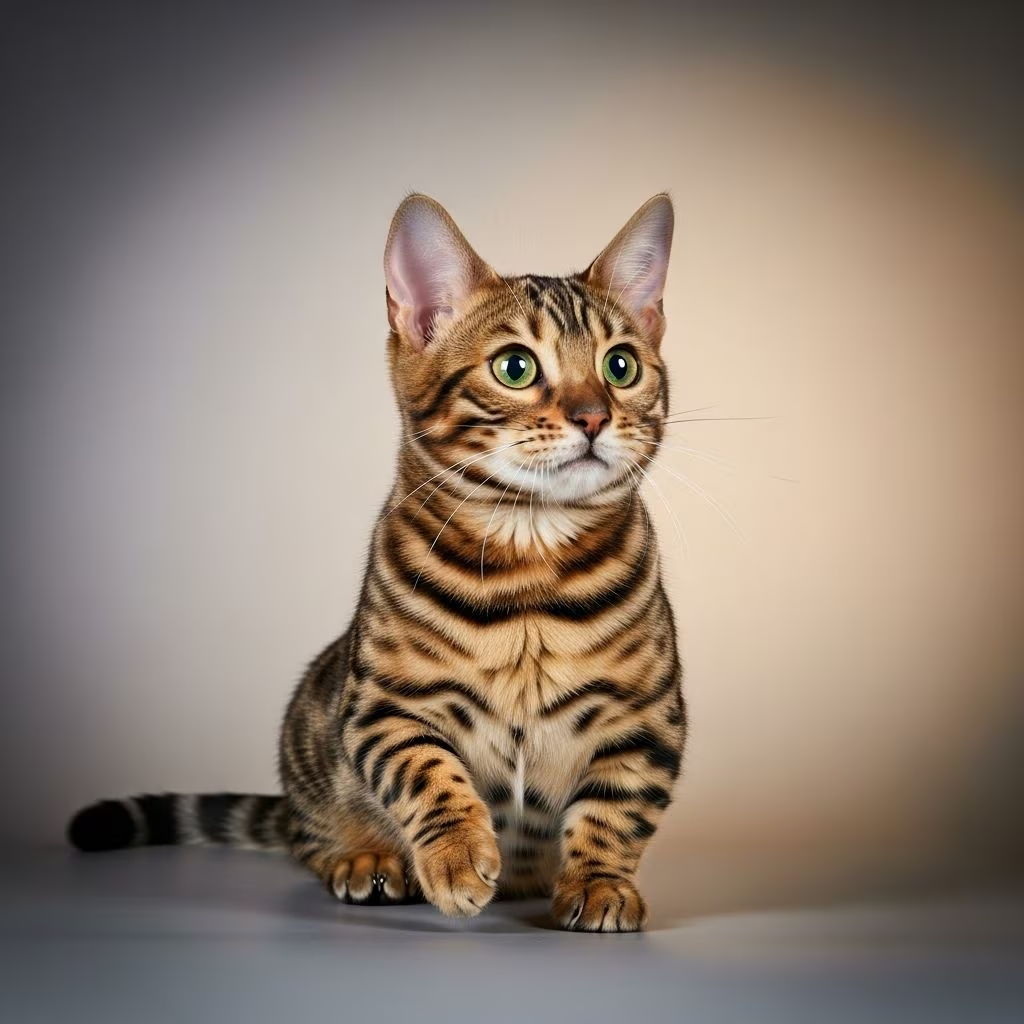
The Munchkin Bengal cat combines the distinctive short legs of the Munchkin with the wild-inspired looks and vitality of the Bengal, creating a compact, dynamic companion that captivates pet lovers. These hybrids inherit a playful demeanor and eye-catching coat patterns, making them stand out in any household.
Origins and Development of the Hybrid Breed
This crossbreed emerged from selective pairing of Munchkin cats, recognized for their genetic short-leg mutation, and Bengals, bred from domestic cats and the Asian leopard cat for their exotic appearance. Breeders aimed to blend the Munchkin’s endearing stature with the Bengal’s athletic build and striking markings, resulting in a cat that resembles a miniature wild feline.
The Munchkin leg mutation, a spontaneous dominant gene, shortens limb bones without severely impairing agility, allowing these cats to navigate environments creatively by ducking under furniture or leaping in stages. Bengals contribute rosetted spots, marbled swirls, or stripes in shades like brown, silver, and snow, alongside a muscular frame.
Though still developing, Munchkin Bengals gain traction among enthusiasts seeking pint-sized versions of the adventurous Bengal. Efforts toward formal recognition involve registries like The International Cat Association, focusing on health and temperament standards.
Physical Characteristics and Size Variations
Munchkin Bengals typically measure 6 to 9 inches tall at the shoulder, far shorter than standard Bengals, but maintain a robust, elongated body spanning up to 18 inches in length. Weights range from 4 to 9 pounds for many, though some sources note larger individuals up to 12-20 pounds depending on Bengal influence.
| Trait | Range | Notes |
|---|---|---|
| Height | 6–9 inches | Short legs from Munchkin gene |
| Weight | 4–20 pounds | Varies by parental dominance |
| Body Length | Up to 18 inches | Slinky, agile build |
| Lifespan | 12–20 years | With proper care |
Coat colors include vibrant reds, oranges, browns, blacks, silvers, with patterns like spots, marbles, stripes, or rosettes that glitter under light, mimicking their wild heritage. Eyes often gleam in green, gold, or blue, enhancing their alert expression.
Personality Traits and Behavioral Patterns
These cats embody high energy fused with sociability, often shadowing owners, craving interaction, and thriving in bustling homes. Their intelligence shines in problem-solving, trick-learning, and leash-walking, inherited from both parents’ clever lineages.
- Energetic Explorers: They dash like squirrels, climb despite short legs, and pursue toys relentlessly, needing daily play to curb mischief.
- Affectionate Companions: Loving cuddles on their terms, they bond deeply with families, children, and pets, disliking solitude.
- Curious Communicators: Vocal chirps and trills express needs; they fetch, hunt objects, and adapt to routines swiftly.
Independence tempers their affection—they enjoy laps but retain a self-assured edge. Water fascinates many, leading to bathtub antics or faucet play.
Health Considerations and Common Concerns
While generally robust, the Munchkin gene introduces risks like lordosis (spinal curvature) and pectus excavatum (chest deformity), potentially hindering mobility. Bengals may pass hypertrophic cardiomyopathy, though hybrids show varied susceptibility. Spaying/neutering prevents reproductive issues like infections or cancers.
Regular vet checks monitor skeletal health; dwarfism parallels canine breeds like Corgis, demanding ethical breeding to minimize defects.
- Maintain ideal weight to ease joint strain.
- Watch for breathing difficulties from chest issues.
- Annual exams catch genetic conditions early.
Daily Care and Nutrition Essentials
Dietary Needs
Fuel their activity with high-protein, moderate-fat diets mimicking prey—think poultry, fish, organs. Portion control prevents obesity, especially given lower stature; fresh water is vital.
- Protein: 40-50% for muscle maintenance.
- Fat: 20% for energy bursts.
- Avoid fillers; opt for grain-free if sensitive.
Grooming Routines
Short, plush coats require weekly brushing to distribute oils and reduce shedding. Baths are infrequent; nail trims biweekly, dental care daily. Their grooming is low-maintenance compared to longhairs.
Exercise and Enrichment
Provide cat trees, tunnels, and puzzles for climbing and hunting simulations. Interactive sessions—lasers, wands—burn energy; harness training enables outdoor adventures safely.
Training Techniques and Litter Habits
Smart and responsive, they master litter training from kittenhood via consistency. Positive reinforcement with treats excels for commands, scratching post use, or tricks. Stubborn streaks from Bengals yield to patient repetition.
Discourage furniture scratching with posts; redirect energy to approved outlets. They adapt well to harnesses for walks.
Ideal Living Environments and Compatibility
Best for active families, multi-pet homes, or allergy sufferers (Bengals produce fewer allergens). They flourish indoors with vertical spaces compensating for leg length—shelves, ramps essential.
Avoid isolation; pair with compatible dogs or cats. Children suit their playful vibe, supervised to respect tails and legs.
Frequently Asked Questions
Are Munchkin Bengals good with kids?
Yes, their gentle, patient nature makes them excellent family pets, enjoying play without aggression.
Do they climb well despite short legs?
Absolutely; they use agility and strategy to scale heights via steps or jumps.
How often should I groom them?
Weekly brushing suffices; they self-groom efficiently.
Are they hypoallergenic?
Partially; lower allergens than many breeds, ideal for mild sensitivities.
What’s their average lifespan?
12-20 years with vigilant care.
Bringing Home Your Munchkin Bengal
Adopt from reputable breeders prioritizing health testing. Kittens need socialization; prepare with toys, beds, and vet visits. These cats reward dedication with loyal, lively companionship, blending whimsy and wild spirit into daily life.
References
- Munchkin Bengal Cat: Pictures, Temperament & Traits — Hepper. 2023. https://articles.hepper.com/munchkin-bengal-cat/
- Munchkin Bengal Cat Mix: Breed Info, Care Guide, Pictures & Traits — Catster. 2023. https://www.catster.com/cat-breeds/munchkin-bengal/
- Bengal Cat Personality: Unveiling Traits and Care Tips — Basepaws. 2023. https://basepaws.com/blog/captivating-charisma-delving-deeper-into-the-bengal-cat-personality
- Munchkin — The International Cat Association (TICA). 2023. https://tica.org/breed/munchkin/
- Munchkin Cat Personality: How Do Munchkin Cats Act? — Litter-Robot. 2023. https://www.litter-robot.com/blog/munchkin-cat-personality/



