

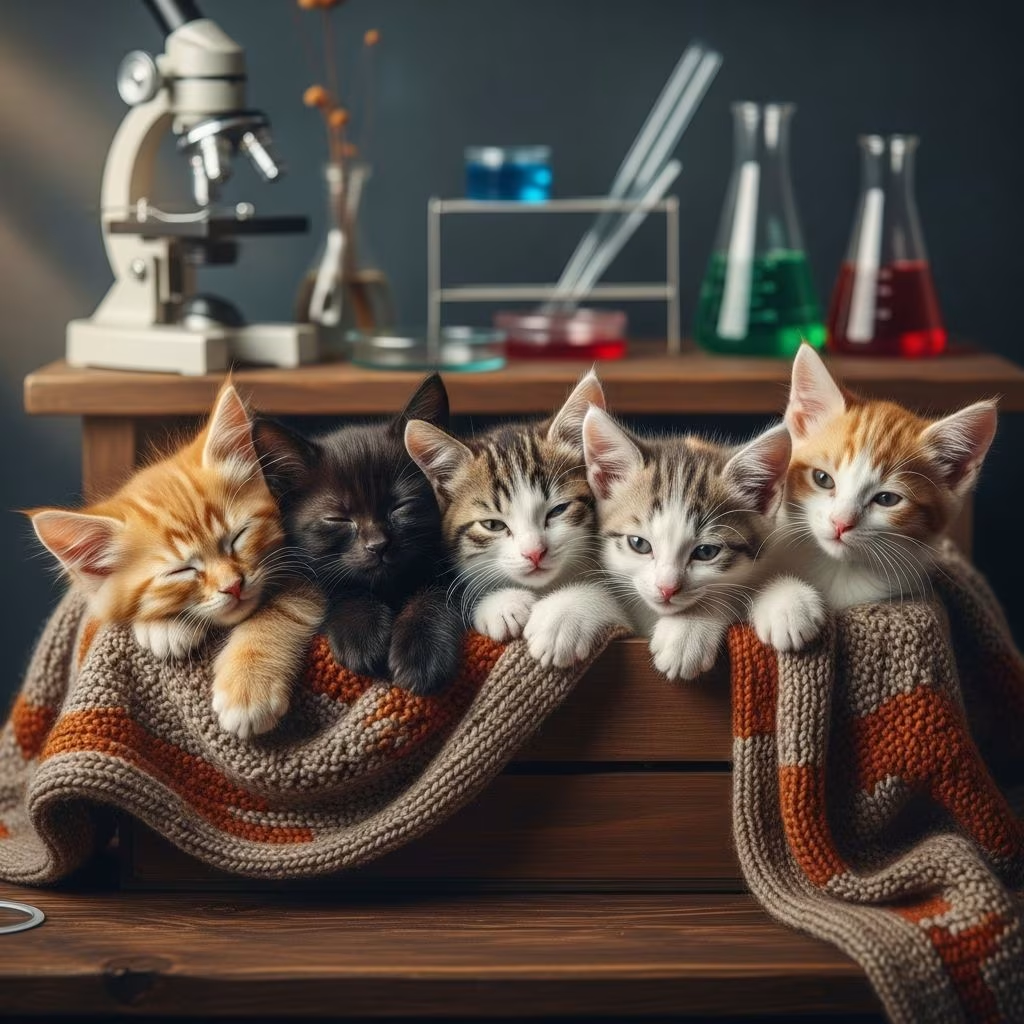
One of nature’s most intriguing feline phenomena occurs during pregnancy when a single litter of kittens can have multiple biological fathers. This reproductive peculiarity, known as heteropaternal superfecundation, challenges common assumptions about animal reproduction and reveals fascinating details about how cat genetics work. For cat owners, breeders, and feline enthusiasts, understanding this biological reality provides insight into why littermates can look dramatically different from one another and how this genetic mixing influences kitten health and survival.
The Biological Mechanism: How Multiple Fathers Are Possible
The foundation of multiple paternity in cats rests on a distinctive reproductive characteristic called induced ovulation. Unlike many mammals, female cats do not release eggs on a predetermined schedule. Instead, their reproductive system initiates egg release specifically in response to mating stimulation. This mechanism fundamentally alters the reproductive timeline and creates windows of opportunity for genetic diversity within a single litter.
During the fertile period of a heat cycle, which typically spans three to eight days, a female cat’s body remains receptive to mating. If she mates with one tomcat, the physical stimulation triggers her ovaries to release eggs for fertilization. However, the biological window doesn’t close immediately. Should she mate with a different male within the subsequent days, the second mating can trigger the release of additional eggs that become fertilized by the new male’s sperm. Since sperm remains viable inside the female’s reproductive tract for several days, eggs fertilized at different times by different males all develop within the same uterus and are eventually delivered as a unified litter.
This process means that littermates can share only 25% of their genes with each other—the same genetic relationship as half-siblings in human families. In contrast, full siblings typically share 50% of their genetic material. This reduced genetic overlap explains why kittens from the same litter sometimes appear to be from entirely different breeds or color variations.
Why This Phenomenon Occurs in Cats
The prevalence of superfecundation in cats stems from evolutionary advantages embedded in their reproductive biology. Induced ovulation represents an efficient reproductive strategy that minimizes wasted energy on unfertilized eggs. Rather than releasing eggs continuously throughout a heat cycle regardless of whether mating occurs, female cats produce eggs only when mating has confirmed the presence of available males. This targeted approach conserves metabolic resources and ensures that reproductive effort correlates with actual opportunities for pregnancy.
Multiple paternity within litters provides additional evolutionary benefits. When littermates carry genetic material from different fathers, the genetic diversity of the litter increases substantially. This heterogeneity strengthens the overall survival prospects of the group, as offspring inherit varied traits from multiple paternal lineages. In wild populations, such genetic variation can translate to different physical abilities, disease resistance patterns, and behavioral adaptations, collectively enhancing the litter’s odds of thriving in challenging environments.
Scientists theorize that superfecundation may have become particularly advantageous in feline evolutionary history because it allows populations to maintain genetic vigor while accommodating the realities of cat social behavior and territorial systems. Rather than representing a reproductive flaw, multiple paternity appears to be an adaptive feature that strengthens population genetics across generations.
Geographic and Population Variations
The frequency of multiple paternity in cat litters demonstrates striking geographic differences that correlate directly with cat population density. Research examining domestic cat populations in distinct habitats reveals compelling statistical patterns:
- Urban environments: In cities and densely populated areas, 70% to 83% of cat litters contain offspring from multiple fathers
- Rural environments: In less densely populated areas, multiple paternity occurs in only 0% to 22% of litters
This dramatic disparity reflects the biological reality that superfecundation requires access to multiple males during the fertile window. Urban areas concentrate large numbers of cats in relatively small geographic spaces, creating overlapping territories and frequent encounters between unrelated males. The density makes it statistically probable that a female will encounter and mate with multiple males during her heat cycle.
Conversely, rural and agricultural settings typically support lower cat populations spread across larger territories. When male cats can successfully monopolize and defend territory, a dominant male often maintains exclusive access to females during their fertile periods. With fewer competing males in accessible range, rural females experience fewer opportunities to mate with multiple partners, making single-father litters the norm rather than the exception.
Visual Signs and Physical Manifestations
Cat owners frequently notice that littermates display surprising phenotypic variation. These observable differences provide tangible evidence of multiple paternity:
| Visible Trait | Variation Examples | Genetic Source |
|---|---|---|
| Coat Color | Orange, black, tabby, and calico patterns within same litter | Different paternal color genetics |
| Fur Length | Short-haired and long-haired kittens from same mother | Recessive long-hair genes from specific fathers |
| Body Size | Notably larger or smaller individuals at birth and growth | Paternal genetic contributions to growth potential |
| Facial Features | Different head shapes, ear sizes, and eye proportions | Varied structural genes from multiple sires |
| Personality Traits | Varying temperament and behavioral predispositions | Heritable behavioral genetics from different fathers |
These variations extend beyond superficial appearance. Littermates may demonstrate different activity levels, social tendencies, and behavioral dispositions that reflect their distinct genetic heritages. Some kittens might display boldness while siblings show caution, differences that trace partially to paternal behavioral genetics.
Implications for Genetic Health and Breeding Programs
The reality of multiple paternity carries significant implications for both casual cat ownership and professional breeding operations. For uncontrolled breeding situations, multiple paternity increases genetic heterozygosity within litters, which generally produces health advantages. Diverse genetic backgrounds reduce the expression of recessive genetic disorders and create offspring with broader genetic resilience. Kittens inheriting varied genetic material from multiple fathers often exhibit superior disease resistance and fewer heritable health conditions compared to offspring from carefully controlled single-sire matings.
However, professional breeders working toward specific breed standards and genetic outcomes face complications from superfecundation. When carefully planned matings between selected individuals result in litters with multiple fathers, the genetic predictability central to pedigree breeding dissolves. Breeders cannot reliably predict offspring traits or maintain documented lineages. To maintain genetic control, reputable breeding programs implement strict protocols: keeping females indoors during heat cycles, scheduling matings with specific approved males, and preventing contact with other tomcats. Some breeders employ DNA testing on resulting litters to verify paternity and maintain accurate breeding records.
Managing Multiple Paternity in Domestic Cats
For cat owners and breeders, several management strategies address concerns related to multiple paternity:
- Spaying and neutering: The most effective approach to eliminate superfecundation involves surgically preventing reproduction through spay or neuter procedures
- Indoor confinement: Keeping intact females indoors during heat cycles prevents contact with tomcats outside the breeding plan
- Controlled breeding: Isolating females with a single selected male and preventing access to other males ensures monogamous matings
- DNA paternity testing: Scientific verification identifies the biological father of each kitten, enabling accurate record-keeping for breeding programs
- Genetic counseling: Working with veterinary geneticists helps breeders understand implications and plan breeding strategies accordingly
Comparison with Other Species
Multiple paternity within single litters, while particularly common in cats, occurs across various animal species. Dogs exhibit similar reproductive patterns, with multiple-sired litters occurring regularly in uncontrolled breeding populations. Sheep and cattle also demonstrate superfecundation, particularly in settings where females encounter multiple males during fertility windows. Even in humans, heteropaternal superfecundation has been documented in extremely rare cases, typically involving fraternal twins with different biological fathers despite shared gestation.
The prevalence of superfecundation across diverse mammalian species suggests that this reproductive pattern provides evolutionary advantages in natural and semi-natural populations. Rather than representing a reproductive anomaly, multiple paternity appears to be an adaptive mechanism that enhances genetic diversity and population fitness.
Practical Considerations for Cat Owners
Understanding that littermates can have different fathers helps cat owners make informed decisions about reproduction and kitten care. If an unspayed female cat has access to outdoor males, expecting litter uniformity is unrealistic. Littermates will likely display significant physical and behavioral diversity reflecting their distinct paternal genetics. This diversity doesn’t indicate health problems or breeding failures—it represents normal feline reproduction.
Caring for multi-sired litters requires no special modifications compared to single-sired litters. Proper nutrition for the mother cat during pregnancy and nursing, appropriate veterinary care for kittens, and standard kitten socialization remain the priorities regardless of paternal diversity. The varied genetics typically produce robust, healthy kittens with good survival prospects.
Frequently Asked Questions About Multiple Paternity in Cats
Can kittens from the same litter look completely different?
Yes, kittens with different fathers can appear remarkably dissimilar in color, size, coat length, and other physical characteristics. Genetic material from different sires produces substantial phenotypic variation even though littermates share the same mother.
Does multiple paternity affect kitten health?
Multiple paternity generally benefits kitten health by increasing genetic diversity, which strengthens disease resistance and reduces heritable disorder expression. Single-sired litters from closely related parents sometimes face greater health risks due to genetic homozygosity.
How do veterinarians determine if multiple males fathered a litter?
DNA paternity testing examines genetic markers in kittens and potential fathers, identifying which sire contributed to each offspring. Veterinary geneticists and professional breeders commonly use this technology for accurate record-keeping.
Is multiple paternity more common in indoor or outdoor cats?
Multiple paternity occurs most frequently in outdoor and urban cats with access to multiple males. Indoor cats with controlled exposure to approved breeding males typically produce single-sired or carefully documented litters.
Can a cat have kittens from multiple males born weeks apart?
No, all kittens in a litter develop simultaneously in the uterus and are born within hours of each other, regardless of different fathers. However, each kitten developed from eggs fertilized at different times during the mother’s fertile window.
Conclusion: Embracing Feline Reproductive Complexity
Multiple paternity in cats represents a sophisticated reproductive strategy rather than a biological accident. Through induced ovulation and extended sperm viability, female cats achieve genetic diversity within litters that enhances offspring fitness and population health. The dramatic differences between littermates in appearance, size, and behavior reflect their distinct paternal inheritance—a natural outcome of feline reproductive biology perfected through evolutionary adaptation. Whether you’re a casual cat owner observing littermate differences or a professional breeder managing genetics, understanding superfecundation provides essential context for appreciating the complexity and elegance of feline reproduction.
References
- Why do some cat siblings look so different? — Live Science. 2024. https://www.livescience.com/animals/domestic-cats/why-do-some-cat-siblings-look-so-different
- High variation in multiple paternity of domestic cats (Felis catus L.) in urban versus rural populations — National Center for Biotechnology Information (NCBI). https://www.ncbi.nlm.nih.gov/pmc/articles/PMC1690320/
- Who’s Your Daddy? A Cat Reproduction Primer — PetVet1. https://www.petvet1.com/whos-your-daddy-a-cat-reproduction-primer/



